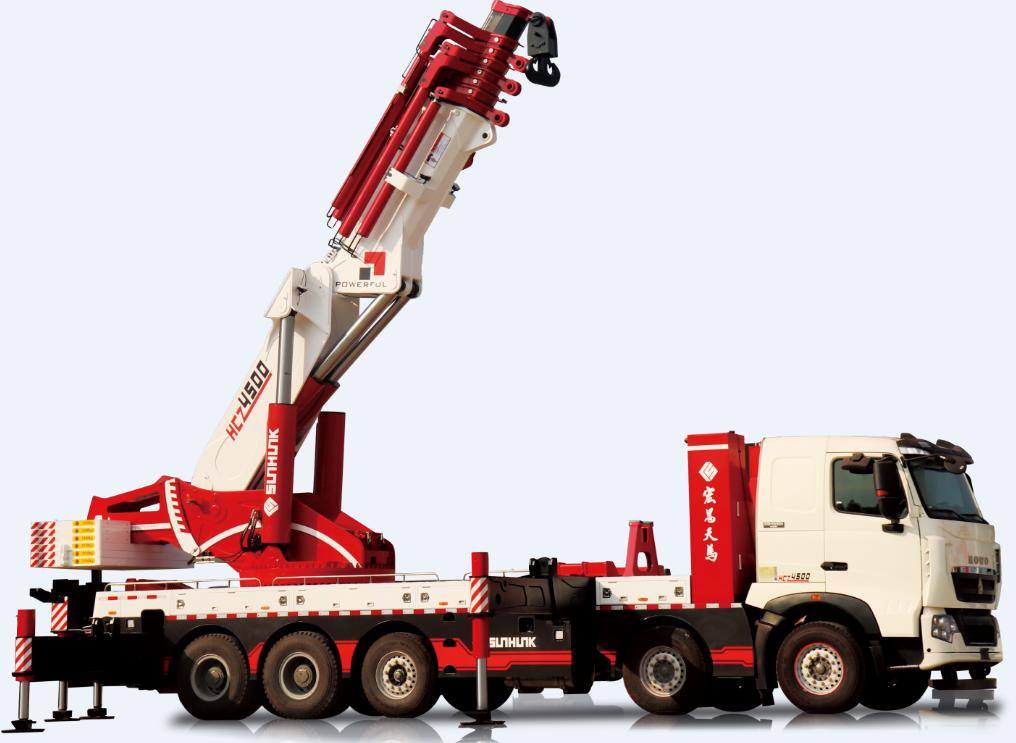
Vehicle Mounted Cranes
Source high-performance vehicle mounted cranes from vetted suppliers and manufacturers across Asia. Designed for heavy equipment importers, construction machinery distributors, and OEM brands, our network delivers reliable lifting solutions in bulk. Partner with us for competitive wholesale pricing and rigorous quality assurance.
Sourcing vehicle mounted cranes at scale requires balancing lifting capacity, hydraulic reliability, and global chassis compatibility. For distributors and fleet procurement teams, the challenge isn't just finding a manufacturer; it's ensuring the factory uses high-yield structural steel and precision hydraulics that can withstand continuous heavy-duty cycles without premature failure or safety compliance issues.
Boom Architecture and Steel Specifications
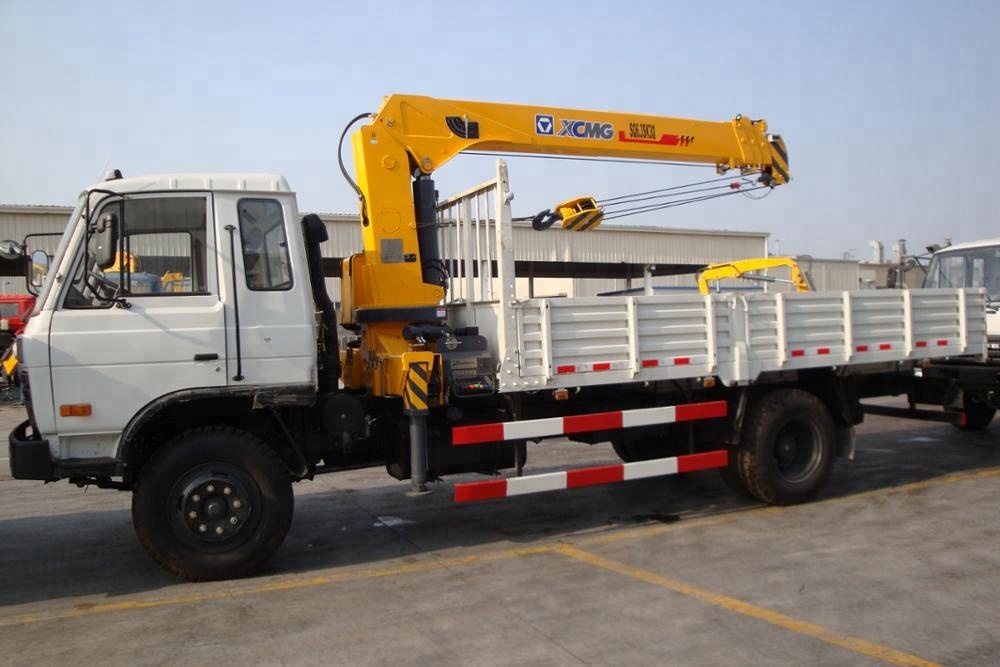
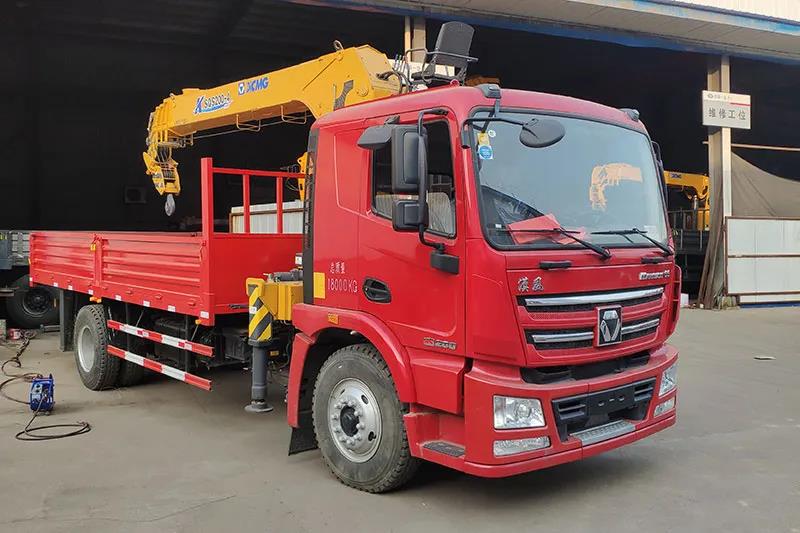
The fundamental choice in vehicle mounted cranes lies in the boom architecture. Your selection dictates the crane's operational footprint, payload displacement on the truck chassis, and the specific manufacturing capabilities required from your supplier.
| Specification | Telescopic (Stiff) Boom | Knuckle (Folding) Boom |
|---|---|---|
| Operation Profile | Linear lifting, better for deep trenches or high clearance | Highly articulated, ideal for confined urban spaces |
| Chassis Footprint | Requires longer bed space, overhangs cab or rear | Folds compactly behind the cab, maximizing cargo space |
| Winch System | Standard cable winch for vertical lifting | Usually relies on cylinder articulation; winch is optional |
| Maintenance | Simpler hydraulics, fewer pivot points | Complex valve blocks, multiple articulating joints |
Regardless of the boom type, structural integrity is non-negotiable. Leading manufacturers utilize high-tensile steel plates—typically Q460, Q690, or equivalent grades—to reduce the crane's dead weight while maximizing its lifting moment. When evaluating suppliers, verify their steel sourcing and welding automation. Manual welding on primary load-bearing structures is a red flag; look for robotic submerged arc welding and mandatory non-destructive testing (NDT) on all critical seams.
Need help verifying a crane manufacturer's engineering capabilities and steel sourcing?
Talk to our teamCritical Hydraulic and Safety Systems
A crane's lifespan is dictated by its hydraulic system. Subpar hydraulic cylinders, directional control valves, or PTO (Power Take-Off) pumps will lead to micro-leaks, pressure drops, and catastrophic load failures.
When negotiating specifications with a factory, pay close attention to the origin of the hydraulic components. Many buyers opt for imported European or Japanese proportional valves (such as Danfoss or Hawe) integrated into Chinese-manufactured steel structures. This hybrid approach balances cost with top-tier reliability.
Factory Evaluation Checklist for Crane Hydraulics
- Hose burst protection: Are counterbalance valves installed directly on all load-bearing cylinders?
- Overload protection: Does the crane feature a reliable Load Moment Indicator (LMI) with automatic cut-offs?
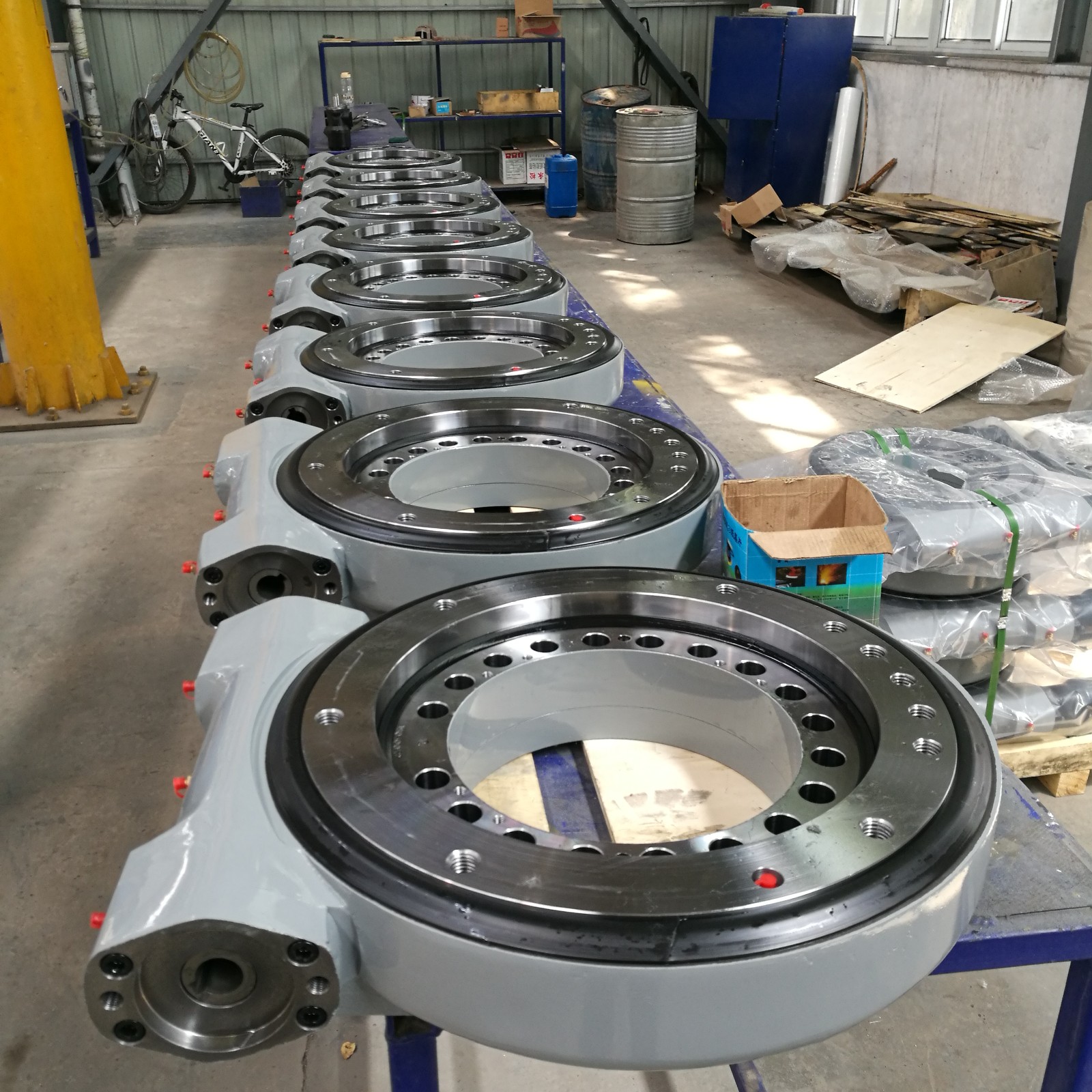
- Slewing mechanism: Is the rotation gear driven by a high-torque planetary reducer with a mechanical brake?
- Testing protocols: Does the factory perform continuous cycle testing at 125% of rated capacity before dispatch?
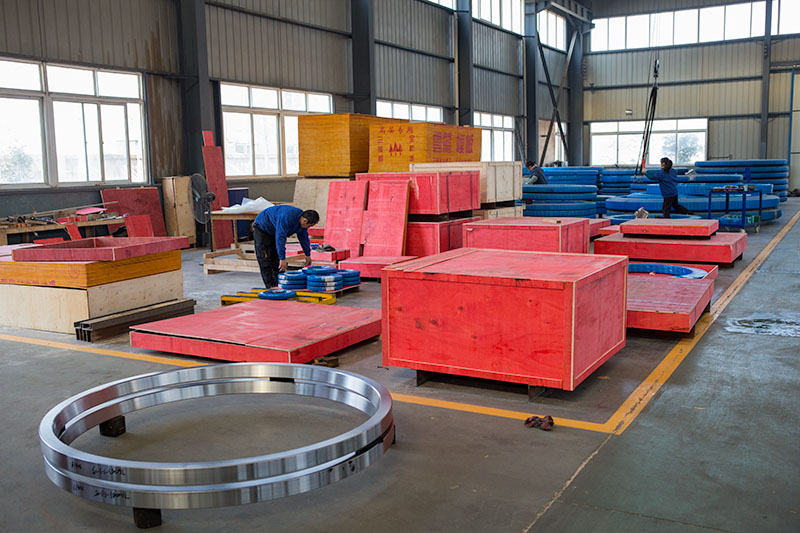
Verifying these systems remotely is risky. Conducting comprehensive factory audits before placing a volume order is essential to ensure the supplier has the testing rigs and quality management systems required to produce heavy lifting equipment consistently.
Pricing Structures, MOQs, and Lead Times
Because vehicle mounted cranes are high-capital, complex machinery, Minimum Order Quantities (MOQs) are highly flexible. Most manufacturers will accept MOQs as low as 1 to 3 units for standard configurations, though deep wholesale discounts typically trigger at container-load volumes (e.g., 5 to 10 units, depending on tonnage).
Pricing is primarily driven by:
- Lifting Capacity (Tonnage): A 3.2-ton crane will cost significantly less than a 16-ton heavy-duty model.
- Boom Extensions: Additional hydraulic extensions increase the cost due to extra cylinders and high-tensile steel.
- Control Systems: Upgrading from manual ground controls to high-end wireless radio remotes adds premium costs.
Lead times generally range from 30 to 45 days for standard models, extending to 60 days or more for custom OEM configurations. Furthermore, international logistics for heavy machinery require specialized handling. Whether shipping via flat rack containers, RoRo (Roll-on/Roll-off), or standard Open Top containers, coordinating shipping and freight with a partner experienced in oversized cargo is critical to preventing transit damage and managing port costs.
Optimize your heavy machinery supply chain, from factory floor to final delivery.
Get a free consultationFrequently Asked Questions
Sourcing heavy lifting equipment demands rigorous attention to structural engineering, hydraulic reliability, and international safety standards. By strictly vetting manufacturers and implementing robust quality control at the factory level, buyers can secure high-performance vehicle mounted cranes that deliver decades of reliable service.
Get Sourcing Help for Vehicle Mounted Cranes
Tell us your requirements and our experts will connect you with verified manufacturers.