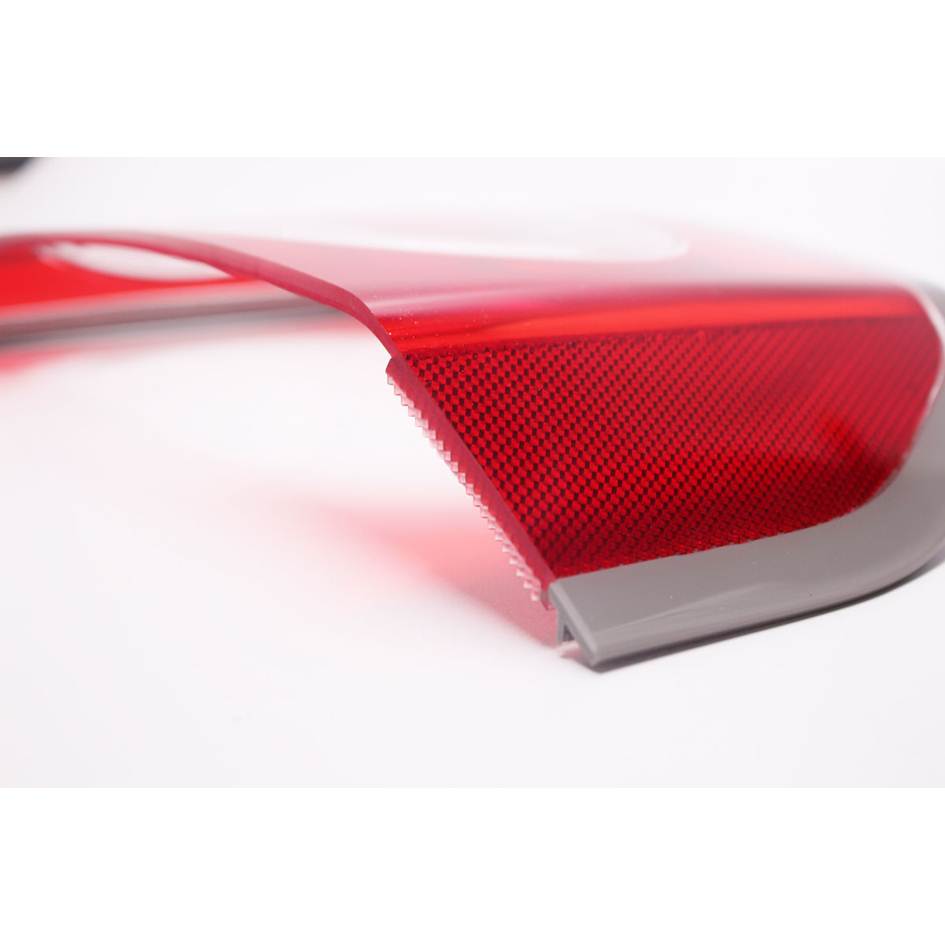
Vehicle Lighting
Source high-performance vehicle lighting directly from vetted manufacturers and suppliers. Designed for automotive parts importers, wholesale distributors, and aftermarket brands seeking reliable OEM and private-label production. Secure competitive bulk pricing on compliant, durable automotive lighting solutions.
Sourcing automotive lighting at scale requires balancing raw lumen output with strict regulatory compliance and rigorous thermal management. For professional volume buyers, the challenge is rarely finding a factory that can produce a bright light; the true difficulty lies in securing consistent beam patterns, reliable CANbus decoding, and long-term diode stability across thousands of units. A poorly designed heat sink or an off-axis focal point can lead to immediate product failure, dashboard error codes, or costly compliance rejections at customs.
Core Specifications for Aftermarket & OEM Lighting
When evaluating a factory's technical capability, you must look past basic wattage and lumen claims. High-volume buyers need to dictate the internal architecture of the lighting units to ensure reliability.
| Specification | Standard Aftermarket | Premium OEM/ODM |
|---|---|---|
| LED Chipset | COB (Chip-on-Board) | CSP (Chip Scale Package) |
| Thermal Management | Die-cast aluminum housing | Copper substrate with maglev fan |
| Driver Integration | External, basic IC | Internal, intelligent temperature control |
| Beam Focus | Scattered, high glare | 1:1 halogen filament replication |
Thermal Management Architecture
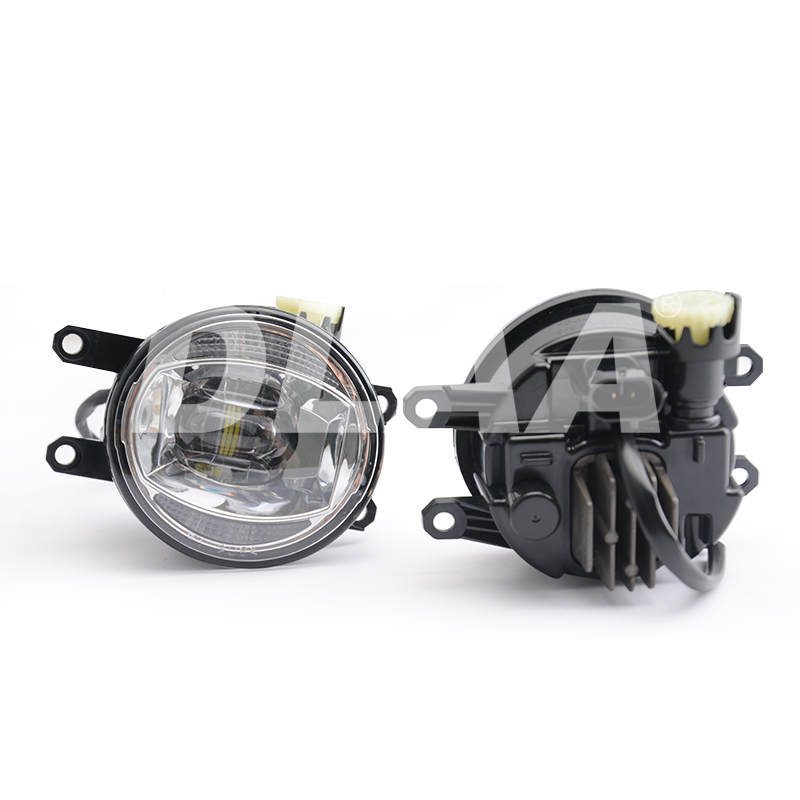
Heat is the primary enemy of LED longevity. If junction temperatures exceed 120 degrees Celsius, diode degradation accelerates rapidly. Premium manufacturers utilize double-sided copper substrates to draw heat away from the CSP chips, transferring it to an aviation-grade aluminum heat sink actively cooled by a dual-ball-bearing or magnetic levitation fan.
CANbus Compatibility
Modern vehicle electrical systems monitor headlight circuits for resistance and voltage drops. Because LEDs draw significantly less power than halogen bulbs, they frequently trigger dashboard warning lights or flickering. Ensure your supplier integrates robust CANbus decoders either internally or via an external driver box.
Struggling with inconsistent beam patterns or CANbus decoding errors? We can match you with technically capable factories.
Talk to our teamQuality Control and Regulatory Compliance
Automotive lighting is heavily regulated. Depending on your target market, products must meet specific photometric requirements.
- North America (DOT/SAE): Headlights and signal lights must comply with FMVSS 108, which dictates precise beam patterns, glare limits, and luminous intensity.
- Europe (E-Mark): ECE regulations require rigorous testing for cutoff lines and light distribution.
- Ingress Protection: Vehicle lighting must survive harsh environmental conditions. IP67 is the baseline, but IP68 is preferred for off-road or heavy-duty applications.
Verifying these standards requires more than accepting a supplier's PDF certificate. Implementing independent Compliance & Testing protocols ensures the products actually meet the legal requirements of your destination market. Furthermore, routine Quality Control & Inspection during production—specifically testing for waterproof seals (vacuum testing) and prolonged aging tests—is critical before the container is sealed.
Factory Evaluation Checklist for Lighting
- Verify in-house photometric testing equipment (integrating spheres, goniophotometers).
- Check the aging test room (units should run for at least 2-4 hours at elevated temperatures).
- Confirm the source of the LED chips (e.g., authentic Seoul Semiconductor, Philips, or Osram vs. generic clones).
- Review CANbus testing protocols across multiple vehicle makes and models.
Purchasing Mechanics: MOQs, Pricing, and Lead Times
Unit costs in vehicle lighting are driven primarily by the chipset tier, the complexity of the thermal management system, and the quality of the driver IC.
If you are developing a proprietary lighting design, utilizing professional OEM/ODM Services is highly recommended. This ensures your custom tooling, unique heat sink designs, and specific chip configurations are protected and manufactured to exact tolerances. Before committing to a large tooling fee, conducting comprehensive Factory Audits will verify the supplier's engineering capacity and financial stability.
Optimize your vehicle lighting supply chain with direct-from-factory pricing and rigorous quality oversight.
Get a free consultationFrequently Asked Questions
Succeeding in the automotive lighting market requires a supply chain built on technical precision and unyielding quality control. By partnering with manufacturers who prioritize advanced thermal architecture and strict photometric compliance, you can confidently scale your product lines while minimizing warranty claims and technical failures.
Get Sourcing Help for Vehicle Lighting
Tell us your requirements and our experts will connect you with verified manufacturers.