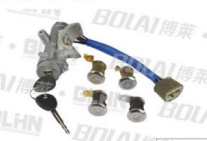
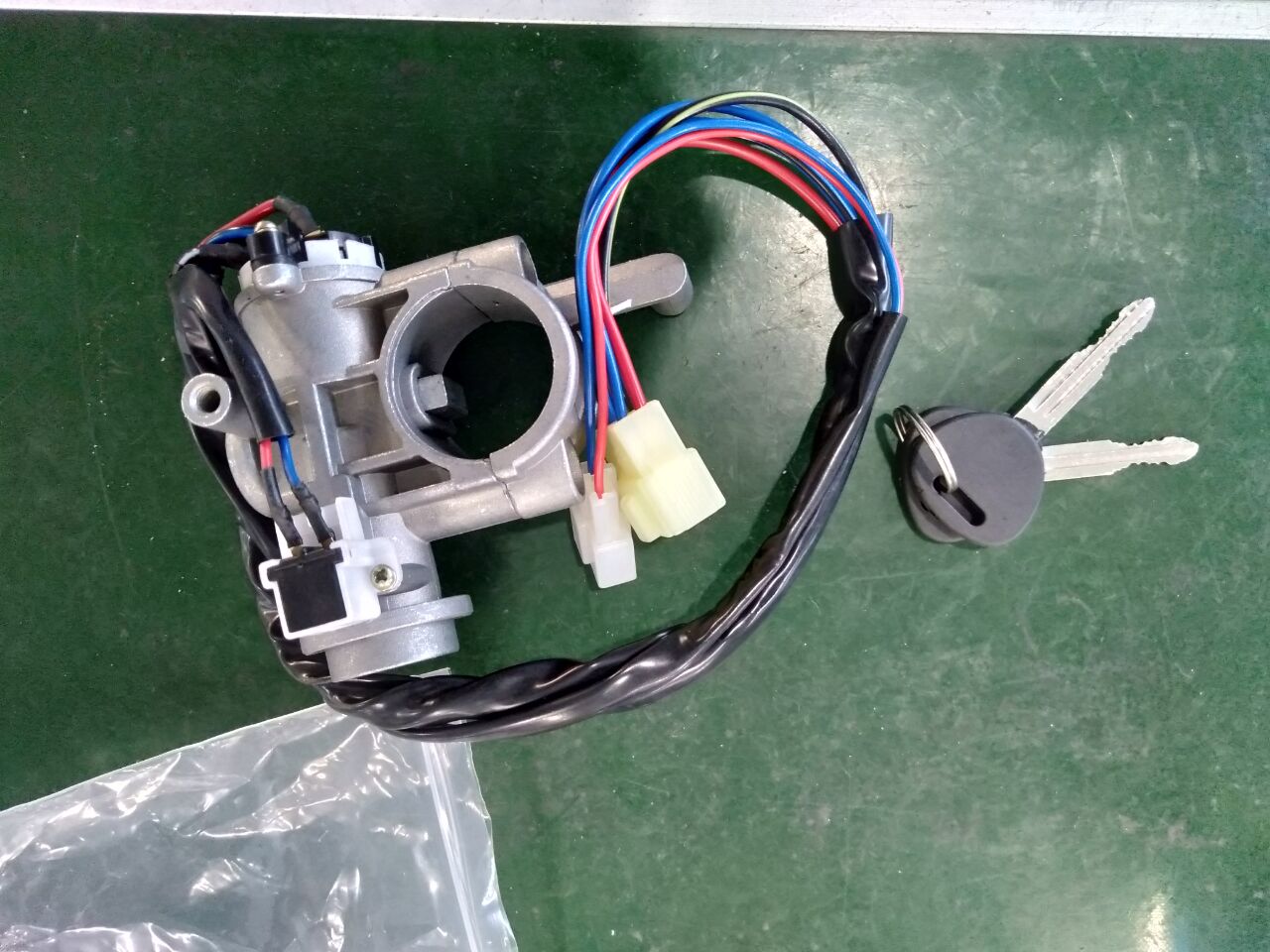
Vehicle Keys
Source high-quality Vehicle Keys from vetted suppliers and manufacturers across Asia. Designed for importers, automotive distributors, and aftermarket brands, this catalog offers bulk purchasing and OEM/ODM production options to scale your supply chain reliably.
Sourcing vehicle keys in bulk requires navigating a complex matrix of radio frequencies, transponder chip protocols, and precise mechanical tolerances. For automotive aftermarket distributors and OEM brands, consistency is non-negotiable. A single batch of keys with unstable RF oscillators, incorrect chip IDs, or poor-quality blade alloys can result in massive return rates and damaged reputation among locksmiths and dealerships.
Critical Specifications and Compatibility
When negotiating with manufacturers, specifying the exact technical parameters of the vehicle key is the first step to ensuring market compatibility. The aftermarket is highly fragmented by region and vehicle make.
| Parameter | North American Market | European & Asian Markets |
|---|---|---|
| Standard Frequencies | 315 MHz, 902 MHz | 433 MHz, 868 MHz |
| Common Transponders | Texas Instruments (4D, 8A), NXP | Megamos (ID48), NXP (ID46, ID47) |
| Regulatory Compliance | FCC Part 15 | CE / RED Directive |
Beyond the PCB, the mechanical blade material is a common area where lower-tier factories cut costs. Specify cupronickel (copper-nickel alloy) for key blades rather than standard brass. Cupronickel causes significantly less wear on cutting machines used by locksmiths and offers superior resistance to bending and snapping inside the ignition.
Struggling with inconsistent transponder chips or high defect rates? We help buyers secure stable, high-quality production lines for automotive electronics.
Talk to our teamManufacturing Tolerances and Quality Control
The reliability of a smart key or remote fob is determined on the Surface Mount Technology (SMT) line. Poor soldering of the ICs or micro-switches will lead to premature failure, especially given the daily drops and vibrations vehicle keys endure.
Before committing to a high-volume order, it is standard practice to verify the supplier's assembly capabilities. Utilizing Factory Audits ensures the manufacturer has clean-room SMT facilities and automated optical inspection (AOI) equipment, rather than relying solely on manual soldering.
Essential Pre-Shipment QC Checks
Implement these checks during Quality Control & Inspection to catch defects before containers leave the factory:
Key Fob Inspection Protocol
- RF Signal Strength: Test using a frequency meter to ensure the signal is stable and within the required MHz range.
- Transponder Readability: Verify the chip ID and lock status (unlocked/virgin) using standard diagnostic tools (e.g., VVDI, Autel).
- Micro-switch Actuation: Conduct tactile force testing on buttons; ensure crisp feedback without double-triggering.
- Housing Sealing: Check the silicone gaskets and ultrasonic welding for IP-rated water and dust resistance.
- Parasitic Drain: Measure standby current to ensure the battery will not drain prematurely (should be under 5 microamps).
OEM/ODM and Customization
For brands looking to develop proprietary aftermarket solutions or universal smart keys, partnering with a factory capable of OEM/ODM Services is critical. This involves custom PCB design to consolidate multiple OEM protocols into a single universal board, as well as custom injection molding for the ABS+PC (Acrylonitrile Butadiene Styrene + Polycarbonate) shells. Ensure the factory uses high-grade TPU or silicone for the button pads to prevent the icons from wearing off after a few months of use.
Buying Mechanics: MOQ, Pricing, and Lead Times
Pricing in the vehicle key market is highly volatile, driven primarily by the cost and availability of genuine NXP or Texas Instruments transponder chips versus aftermarket clones.
When evaluating quotes, always confirm whether the price includes the battery (CR2032 is standard) and the uncut blade. Shipping keys with lithium batteries installed requires specific UN38.3 hazardous materials documentation, which can impact freight routing.
Need to consolidate purchasing across multiple automotive electronics factories? We manage the sourcing, negotiation, and logistics end-to-end.
Get a free consultationSecuring a reliable supply of vehicle keys requires rigorous attention to electronic components and mechanical durability. By enforcing strict quality control on the SMT line and specifying exact chip and frequency protocols, buyers can drastically reduce defect rates and build a highly profitable automotive aftermarket catalog.
Get Sourcing Help for Vehicle Keys
Tell us your requirements and our experts will connect you with verified manufacturers.