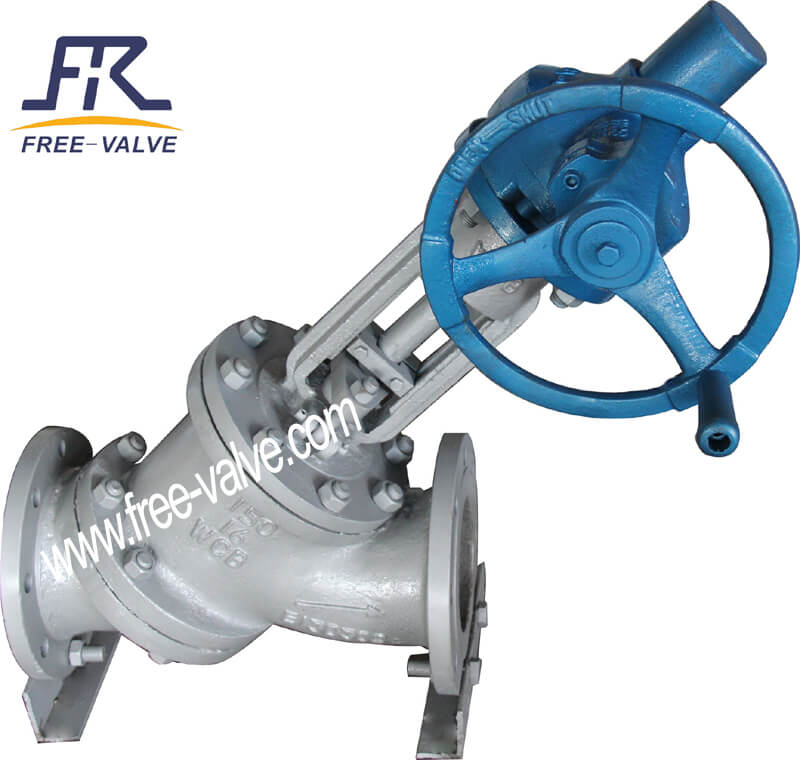
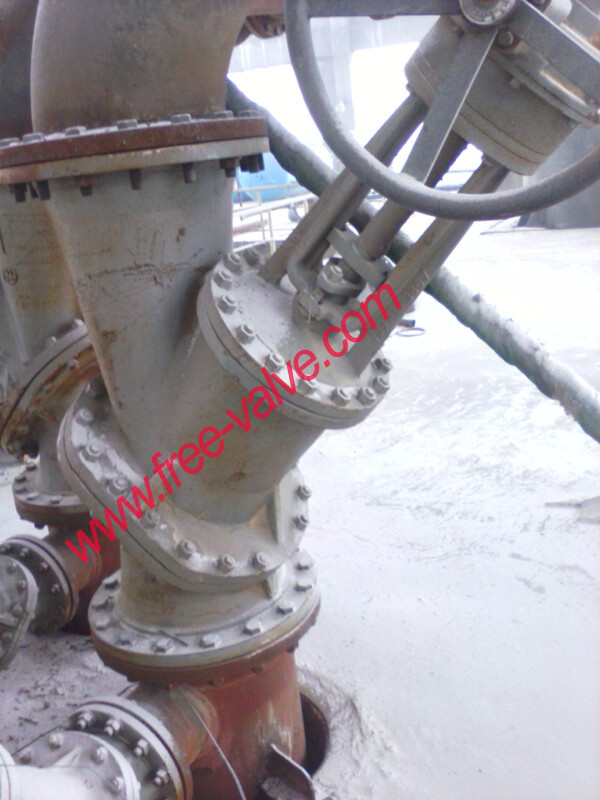
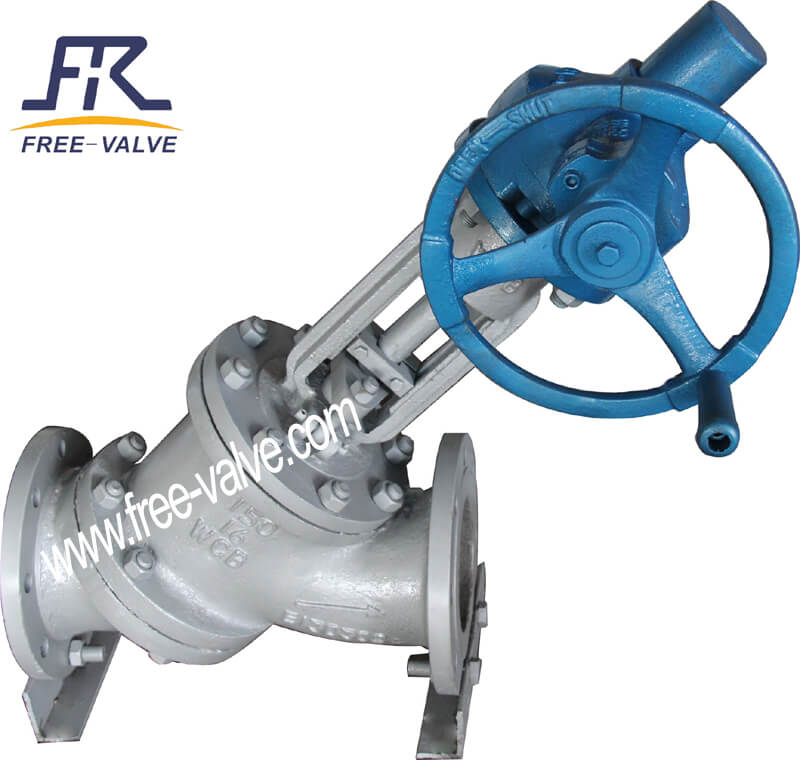
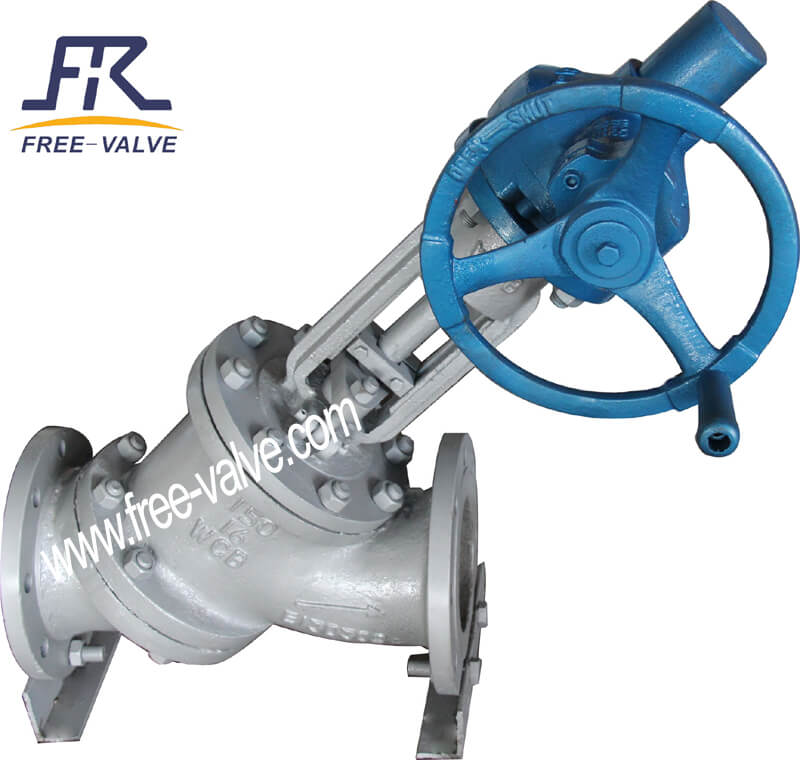
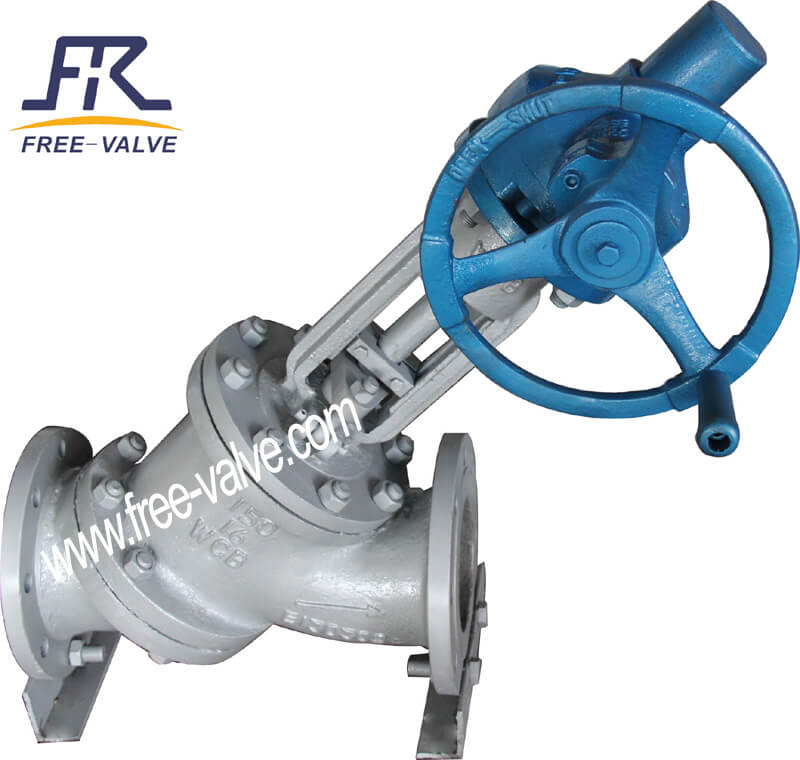
Valves
Source industrial valves in bulk from vetted manufacturers and suppliers. Designed for importers, wholesale distributors, and brands seeking reliable OEM production, our network delivers precision-engineered fluid control solutions. Ensure compliance, scale your supply chain, and secure competitive pricing.
Sourcing industrial valves at scale requires strict adherence to international standards and rigorous material traceability. The challenge is rarely finding a factory with basic casting capabilities; it is identifying a manufacturer with the metallurgical expertise, precision machining, and testing infrastructure required to guarantee zero-leakage performance under extreme pressures and corrosive environments.
Material Specifications and Pressure Ratings
The foundation of any reliable valve is its material composition and structural integrity. Buyers must specify exact grades for both the valve body and the internal trim components. A mismatch between the specified material and the operating environment leads to rapid degradation, cavitation, or catastrophic failure.
When defining your procurement requirements, standardizing around recognized pressure classes (such as ASME Class 150 to 2500, or DIN PN10 to PN400) is non-negotiable.
| Specification | Carbon Steel (WCB) | Stainless Steel (CF8M/316) |
|---|---|---|
| Primary Application | Non-corrosive fluids, steam, oil | Corrosive chemicals, food-grade processes |
| Temperature Range | Standard industrial temperatures | Extreme high/low temperatures |
| Cost Profile | Highly economical for bulk volume | Premium pricing due to nickel/chromium |
Need a manufacturer with verified metallurgical capabilities and API certifications?
Talk to our teamManufacturing Processes and Quality Control
Valve bodies are typically manufactured via casting (sand casting or investment casting) or forging. Forged valves offer superior mechanical strength and are preferred for high-pressure applications, while cast valves are more cost-effective for larger diameters.
The primary risk in valve manufacturing is internal porosity or shrinkage in the casting process, which compromises the pressure boundary. Comprehensive Quality Control & Inspection is critical. Factories must employ rigorous Non-Destructive Testing (NDT) to validate structural integrity before machining begins.
Critical Factory Verification Points
- In-house spectroscopic analysis for raw material chemical composition verification.
- API 6D, API 600, or CE/PED certifications relevant to your target market.
- Dedicated hydrostatic and pneumatic testing rigs with calibrated pressure gauges.
- Traceability systems linking heat numbers to final serial numbers.
Verifying these capabilities remotely is difficult. Conducting comprehensive Factory Audits ensures your chosen supplier actually possesses the testing infrastructure they advertise.
Buying Mechanics: MOQs, Lead Times, and Pricing
Valve pricing is heavily driven by raw material costs (iron, steel, copper alloys), casting weight, and the complexity of the machining required. For buyers looking to develop proprietary designs, OEM/ODM Services will involve upfront tooling costs for custom molds or forging dies.
Optimize your valve procurement strategy and secure reliable factory direct pricing.
Get a free consultationFrequently Asked Questions
Procuring industrial valves in high volumes demands a rigorous approach to supplier selection and quality assurance. By focusing on material traceability, certified testing protocols, and robust manufacturing audits, buyers can mitigate risk and build a highly resilient supply chain.
Get Sourcing Help for Valves
Tell us your requirements and our experts will connect you with verified manufacturers.