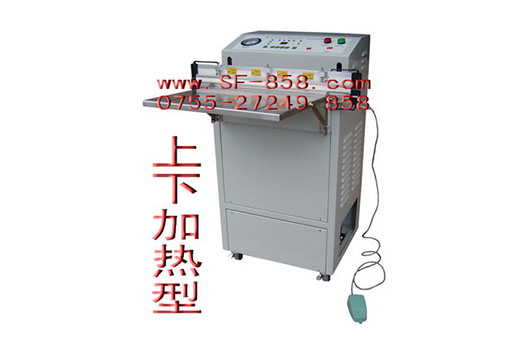
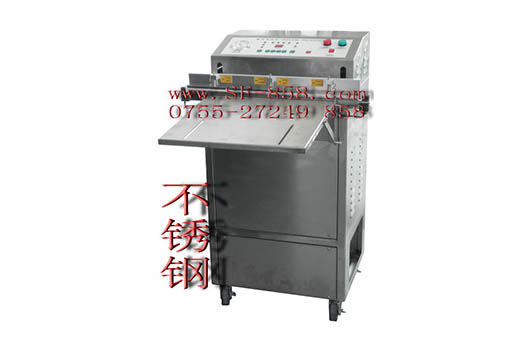
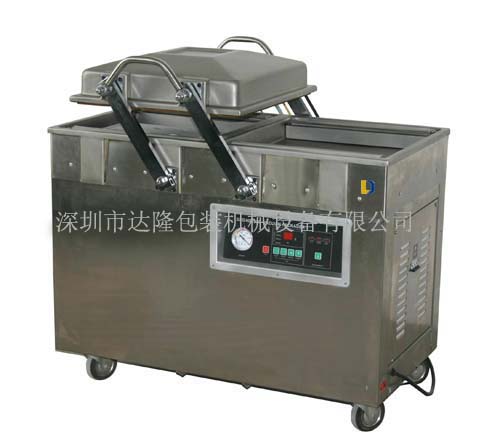
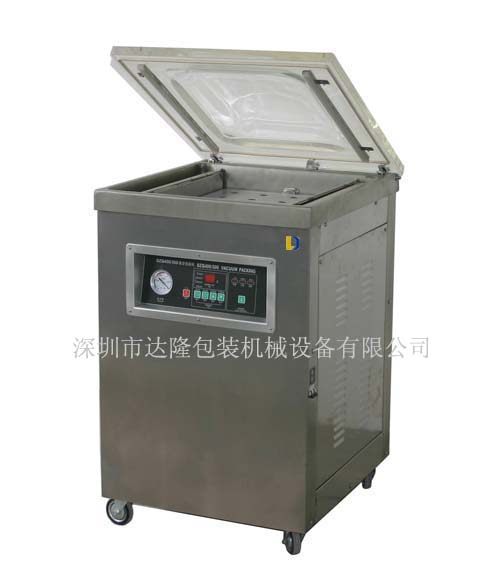
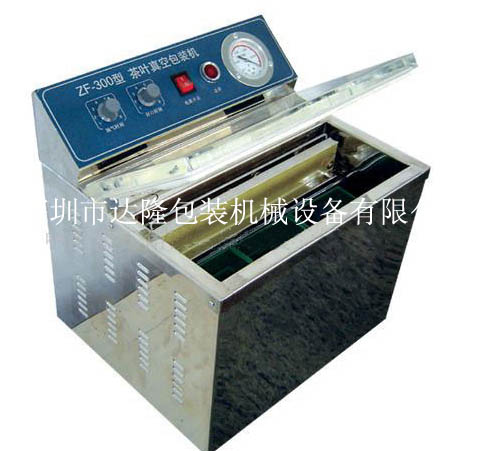
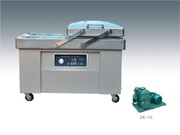
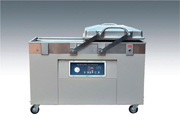
Vacuum Packaging Machines
Source high-performance Vacuum Packaging Machines from vetted suppliers and manufacturers in China and Asia. Designed for importers, wholesalers, distributors, and brands seeking reliable OEM production, our network delivers industrial-grade packaging equipment built for high-volume, continuous operation and precise sealing.
Sourcing industrial vacuum packaging machines requires navigating a fragmented supplier base where the line between heavy-duty commercial equipment and light-duty mimics is often blurred. The core sourcing challenge lies in verifying the internal components—specifically the vacuum pump architecture, chamber metallurgy, and sealing pneumatics—before assembly begins, ensuring the equipment will survive continuous production environments.
Critical Specifications and Pump Architecture
The vacuum pump is the heart of the machine; it dictates the cycle time, ultimate vacuum pressure, and operational lifespan. When negotiating specifications with manufacturers, you must define the pump capacity in cubic meters per hour (m³/h) and the target ultimate pressure (typically under 1 mbar for commercial food-grade applications).
| Pump Architecture | Oil-Lubricated Rotary Vane | Dry / Oil-Free Pump |
|---|---|---|
| Ultimate Vacuum | Exceptional (often under 0.1 mbar) | Moderate (typically 10 to 50 mbar) |
| Maintenance | Requires regular oil changes and filter replacements | Low maintenance, no oil mist emissions |
| Ideal Application | Heavy-duty food packaging, high-moisture environments | Cleanrooms, electronics packaging, low-cycle operations |
Manufacturing Realities and Material Integrity
Not all stainless steel chambers are fabricated equally. Many lower-tier factories use 201 stainless steel or thin-gauge 304 to cut costs, which is highly prone to warping and micro-fractures under repeated atmospheric pressure cycles. You should demand a minimum of 3mm thick SUS304 (or SUS316 for high-saline environments) for both the vacuum chamber and the lid.
Need to verify a supplier's machining and fabrication capabilities? We can deploy engineers to evaluate their production floor and component sourcing.
Talk to our teamFurthermore, electrical control systems are a common point of failure in imported machinery. Specifying internationally recognized PLCs, relays, and contactors (such as Omron, Schneider, or Siemens) rather than domestic equivalents prevents costly downtime. Running rigorous Factory Audits is essential to confirm the supplier actually purchases and installs these genuine components rather than cheaper workarounds.
Quality Control and Inspection Protocols
Validating a vacuum packaging machine requires dynamic testing under load. Static visual inspections are insufficient for pneumatic equipment. Your Quality Control & Inspection protocol must include sustained operational cycles to identify thermal fatigue in the sealing bars and micro-leaks in the vacuum lines.
Pre-Shipment Inspection Requirements
- Ultimate Vacuum Test: Verify the chamber reaches the specified mbar within the rated cycle time.
- Seal Integrity: Perform dye penetration or water burst testing on sealed sample pouches.
- Thermal Stability: Run continuous cycles for 60 minutes to monitor sealing bar temperature drift.
- Electrical Safety: Conduct dielectric withstand (hipot) and ground continuity testing.
MOQs, Lead Times, and Pricing Drivers
Pricing for vacuum packaging machinery scales exponentially with chamber size, pump capacity (e.g., 20m³/h vs. 100m³/h), and automation features like automatic lid swinging or conveyor integration.
If you are importing equipment under your own brand, leveraging OEM/ODM Services allows for customized HMI interfaces, bespoke chamber dimensions, and proprietary chassis designs tailored to your specific market demands.
Looking to source reliable vacuum packaging equipment in volume? Let's discuss your technical requirements and target pricing.
Get a free consultationFrequently Asked Questions
When sourcing vacuum packaging machinery, the total cost of ownership is determined by the reliability of the vacuum pump and the durability of the chamber under continuous stress. Saving a few hundred dollars upfront on a substandard pump or thin-gauge steel often results in thousands lost to downtime and compromised product shelf-life. Having experienced boots on the ground ensures your equipment is built exactly to specification and rigorously stress-tested before it ever leaves the factory floor.
Get Sourcing Help for Vacuum Packaging Machines
Tell us your requirements and our experts will connect you with verified manufacturers.