Utility Racks
Source commercial-grade utility racks from vetted suppliers and manufacturers across Asia. Designed for importers, wholesalers, and retail brands looking for reliable OEM or private-label production, our factory-direct network delivers bulk shelving solutions engineered for high load capacities and long-term durability.
Sourcing utility racks at scale requires balancing volatile raw material costs against rigid structural requirements. Whether you are importing heavy-duty garage shelving or wire racks for residential organization, success hinges on verifying steel grades, manufacturing tolerances, and the factory's finishing processes. Misjudging a supplier's capabilities can lead to catastrophic load failures, severe transit damage, or inconsistent batch quality.
Defining Structural Specifications
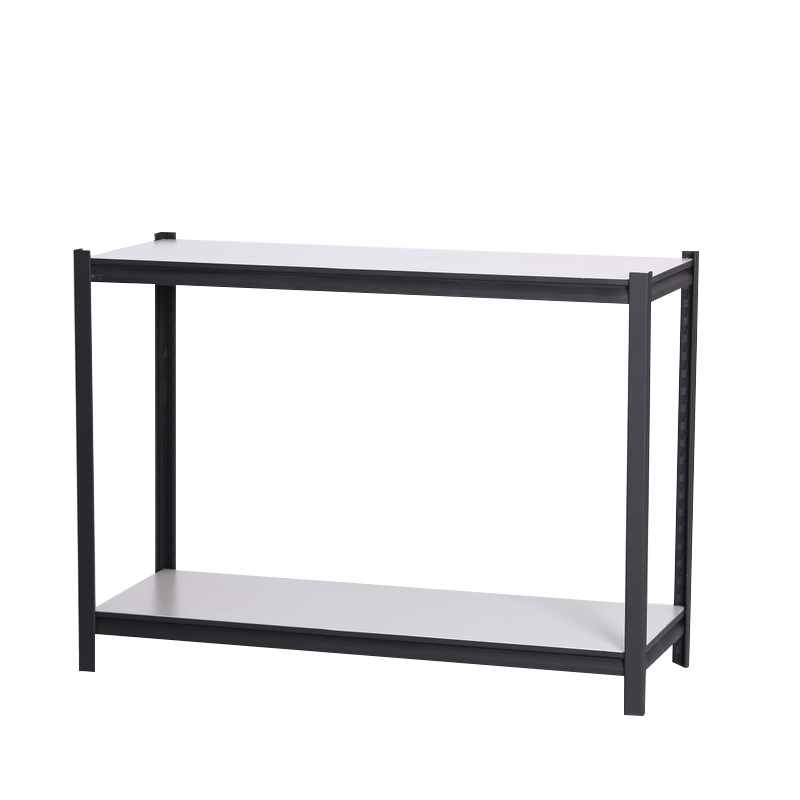
The core of any utility rack is its weight-bearing capacity, invariably measured as Uniformly Distributed Load (UDL) per tier. Factories often state high UDL figures, but these must be cross-referenced with the actual steel gauge (thickness) and structural design (e.g., Z-beams, C-channels, or wire trussing).
When negotiating with a manufacturer, you must specify the exact material thickness before powder coating. Some suppliers quote a thickness that includes the paint layer, effectively shortchanging you on the raw steel.
| Specification Focus | Light-Duty / Residential | Heavy-Duty / Commercial |
|---|---|---|
| Load Capacity (UDL) | Up to 150 lbs per tier | 800 to 2,000 lbs per tier |
| Steel Thickness (Pre-paint) | 0.6mm to 0.8mm | 1.2mm to 2.0mm or higher |
| Assembly Mechanism | Plastic slip-sleeves / Clips | Rivet-lock / Tear-drop / Welded |
| Surface Finish | Standard powder coat / Chrome | Industrial epoxy / Hot-dip galvanized |
Need to verify a factory's structural load claims? We can help validate supplier engineering and testing capabilities before you place a deposit.
Talk to our teamManufacturing Tolerances and Defect Prevention
Utility racks are produced via high-speed roll forming, stamping, and welding. Even minor deviations in the roll-forming dies can result in uprights and beams that fail to lock together smoothly. This is especially critical for boltless or rivet-style racks, where the assembly relies entirely on precision-punched keyholes and perfectly seated rivets.
Before committing to a high-volume order, running comprehensive factory audits ensures the facility maintains its tooling properly and has automated processes rather than relying on inconsistent manual punching.
Critical Quality Control Checks
Implementing strict quality control protocols at the factory level is non-negotiable for heavy metal goods. Catching these common defects post-production is too late:
Pre-Shipment Inspection Focus Areas
- Assembly Tolerance: Physically assembling a random sample to check for binding or loose rivet seating.
- Finish Adhesion: Conducting cross-hatch tests to ensure powder coating will not flake under impact.
- Corrosion Resistance: Verifying salt-spray test reports for chrome-plated or galvanized units.
- Packaging Integrity: Drop-testing cartons to ensure heavy steel components do not punch through the corrugated board.
OEM Customization and Private Labeling
For brands looking to differentiate, utility racks offer significant room for customization through OEM/ODM services. Beyond custom dimensions and tier counts, buyers often specify proprietary beam profiles, branded MDF or wire-grid decking, and custom powder-coat Pantone matching.
Upgrading the packaging is equally critical. Because utility racks are dense and heavy, standard factory packaging often fails during final-mile delivery. Specifying 5-ply corrugated cartons with reinforced corner protectors and internal strapping prevents metal-on-metal friction and reduces return rates for ecommerce brands.
Pricing Drivers, MOQs, and Logistics
Utility rack pricing is heavily indexed to global steel costs. When steel prices fluctuate, expect your factory quotes to follow suit within 30 to 60 days. Because racks are heavy and bulky, they are almost exclusively shipped via full containers.
Because you will often hit the maximum weight limit of a container before filling its volume, optimizing your shipping and freight strategy is crucial. Mixing lighter goods or optimizing the carton dimensions can help maximize the yield of every container shipped.
Struggling with high freight costs or volatile steel pricing? Let us help you optimize your utility rack sourcing and supply chain.
Get a free consultationBuyer FAQ
Sourcing utility racks is ultimately an exercise in risk management and precise specification. By locking down your steel gauges, enforcing strict packaging standards, and closely monitoring raw material indices, you can secure reliable, high-quality shelving that protects both your margins and your end-users.
Get Sourcing Help for Utility Racks
Tell us your requirements and our experts will connect you with verified manufacturers.