Utility Carts
Source high-quality utility carts in bulk from vetted manufacturers and wholesale suppliers across Asia. Designed for importers, distributors, and brands seeking reliable OEM and private-label production, our network delivers durable home storage solutions engineered for stability, load capacity, and seamless assembly.
When sourcing utility carts in volume, the primary challenge is balancing aesthetic appeal with structural integrity. What looks like a robust three-tier storage cart on a CAD drawing often translates to a wobbly, misaligned final product if tube wall thickness, welding precision, and caster quality are compromised on the factory floor. For volume buyers, controlling these manufacturing tolerances is the difference between a high-return rate and a profitable, long-lasting product line.
Core Specifications and Material Selection
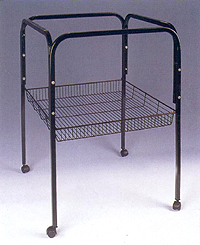
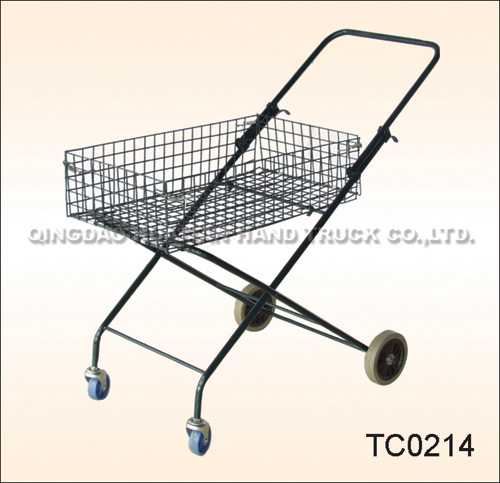
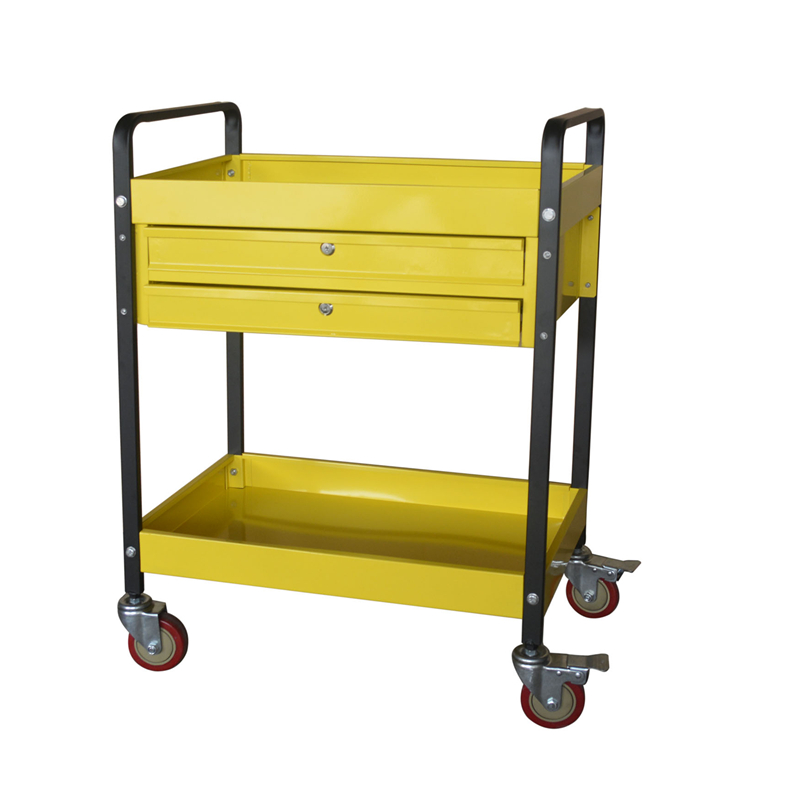
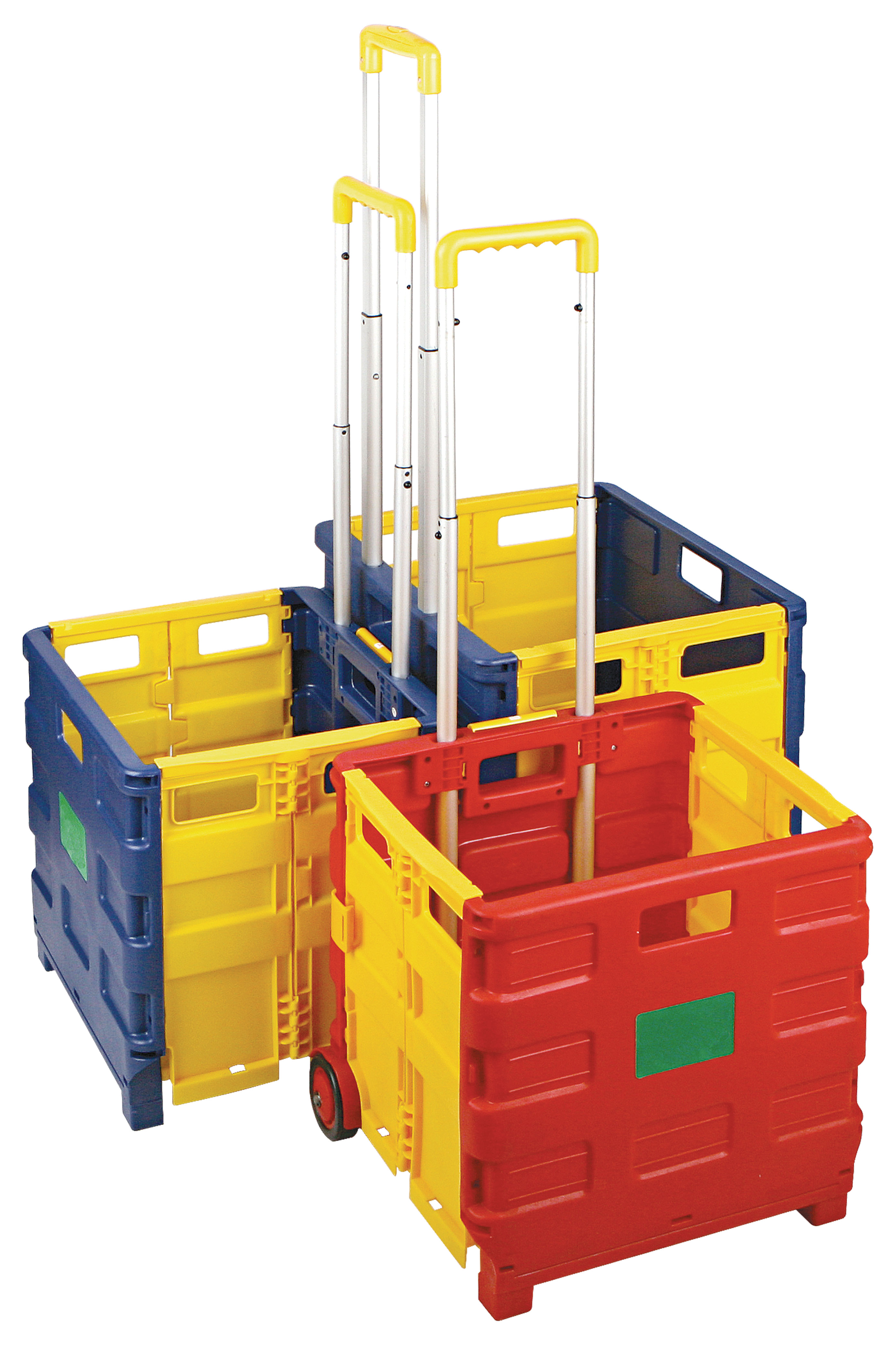
The structural foundation of any utility cart dictates its manufacturing process, tooling requirements, and ultimate retail positioning. Buyers generally choose between carbon steel frameworks and fully molded plastic (PP or ABS) models.
Specifying the correct tolerances is critical. For metal carts, a reduction in tube wall thickness from 0.8mm to 0.5mm will yield a cheaper unit, but it drastically increases the risk of buckling under load or thread stripping at the caster insertion points.
| Specification | Carbon Steel Carts | Polypropylene (PP) / ABS Carts |
|---|---|---|
| Structural Framework | 0.6mm to 0.8mm wall thickness | Injection-molded pillars |
| Typical Load per Tier | 15kg to 25kg | 5kg to 10kg |
| Tooling Complexity | Low (Standard tube bending/stamping) | High (Custom injection molds) |
| Surface Finish | Powder coating (60-80 microns) | Matte or gloss resin finish |
Manufacturing Risks and Quality Control
Utility carts are typically shipped as knock-down (KD) units to maximize container space. This means the end-user handles assembly, making precision manufacturing essential. If screw holes are misaligned by even two millimeters, the cart cannot be assembled.
Catching these issues requires rigorous Quality Control & Inspection protocols, specifically focusing on in-line checks before packaging.
Critical Inspection Points for Utility Carts
- Hole Alignment: Verify that stamped holes on baskets align perfectly with the vertical tubular frames.
- Caster Threading: Ensure the insert nuts for casters are securely welded or molded; weak inserts will shear off during rolling.
- Powder Coating Adhesion: Perform cross-cut testing to ensure the paint will not flake off in humid bathroom or kitchen environments.
- Static Load Testing: Apply 1.5x the rated weight capacity for 24 hours to check for permanent deformation.
- Hardware Counting: KD furniture is notorious for missing screws; implement automated weight-checking for hardware blister packs.
Ensure your utility carts meet strict load and assembly standards with a tailored, on-the-ground sourcing strategy.
Talk to our teamCustomization and OEM Production
For brands looking to differentiate beyond off-the-shelf catalog items, custom tooling allows for unique basket designs, integrated handles, or specialized pegboard attachments. When engaging in OEM/ODM Services, the primary cost driver will be the plastic injection molds for the baskets or trays.
To mitigate risk, always demand a pre-production sample (PPS) that uses the actual mass-production molds, rather than a 3D-printed prototype. This confirms the true shrinkage rate of the plastic and the final surface finish.
Factory Audits
Verify a supplier's metal fabrication and plastic injection capabilities on-site before committing to new tooling.
Sourcing Realities: MOQ, Pricing, and Lead Times
Pricing for utility carts is highly sensitive to raw material indices, particularly carbon steel and polypropylene resin. Furthermore, because these items are voluminous even when broken down, freight efficiency plays a massive role in landed costs. Optimizing the packaging dimensions to fit exactly on standard pallets or within a 40HQ container can save significant margins.
Navigate fluctuating raw material costs and optimize your packaging for maximum container efficiency.
Get a free consultationFrequently Asked Questions
Successfully sourcing utility carts requires looking past the glossy supplier photos and focusing on the underlying engineering—tube thickness, coating durability, and precision hardware. Partnering with experienced professionals ensures that your supply chain delivers consistent quality, shipment after shipment, protecting your brand's reputation and your bottom line.
Get Sourcing Help for Utility Carts
Tell us your requirements and our experts will connect you with verified manufacturers.