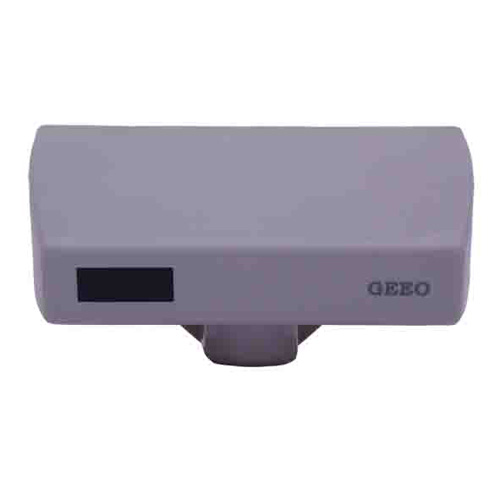
Urinals
Source commercial and residential urinals from vetted manufacturers and suppliers. This catalog is designed for importers, wholesalers, plumbing distributors, and brands seeking bulk purchasing or OEM production. Discover reliable factory partners for ceramic, stainless steel, and waterless fixtures.
Sourcing commercial sanitaryware requires balancing aesthetic design with rigorous functional and regulatory standards. For urinals, the primary procurement challenges lie in controlling ceramic shrinkage during firing, ensuring glaze durability against uric acid, and meeting regional water conservation mandates. Whether you are outfitting large-scale commercial real estate projects or developing a private-label plumbing line, understanding the manufacturing variables is critical to securing a reliable supply chain.
Materials and Manufacturing Specifications
The vast majority of commercial urinals are manufactured from either vitreous china or heavy-gauge stainless steel. The choice of material dictates not only the target market but also the specific factory capabilities you must verify.
Vitreous china production requires firing the clay body at temperatures exceeding 1200 degrees Celsius. This high-temperature firing vitrifies the clay, resulting in a water absorption rate of under 0.5 percent—a critical specification for preventing odor absorption and bacterial growth.
| Material | Primary Use Case | Durability Profile | Manufacturing Focus |
|---|---|---|---|
| Vitreous China | Offices, Hospitality, Retail | High (Scratch & stain resistant) | Kiln temperature control & glazing consistency |
| 304 Stainless Steel | Public Transit, Prisons, Parks | Extreme (Vandal & impact proof) | Gauge thickness, welding & seam polishing |
For ceramic units, the glazing process is where many low-cost suppliers cut corners. High-quality manufacturers apply a micro-crystal or "nanoglaze" that creates an ultra-smooth surface, minimizing the need for manual cleaning and improving flush efficiency.
Ensure your sanitaryware meets strict commercial standards with our vetted factory network.
Talk to our teamQuality Control and Industry Compliance
Defective sanitaryware is costly to replace and damages brand reputation. Because ceramic shrinks by 10 to 15 percent during the firing process, dimensional stability is a common issue. Warped backplates can lead to improper wall mounting and leaks.
When establishing a Quality Control & Inspection protocol at the factory, inspectors should focus on both visual defects and functional performance.
Critical Factory Inspection Points for Urinals
- Dimensional tolerance check (ensure wall-mounting surfaces are perfectly flat)
- Glaze inspection under high-lumen lighting (checking for pinholes, crazing, or uneven application)
- Dye testing to verify complete bowl clearance during a standard flush cycle
- Trapway inspection (ensuring the internal trap is fully glazed to prevent blockages)
- Water absorption testing on sample shards (must be under 0.5 percent)
Furthermore, your target market dictates the required certifications. North American buyers must ensure products meet cUPC and WaterSense standards (often requiring flush volumes of 0.125 to 0.5 gallons per flush). European markets require CE marking, while Australia demands WaterMark certification. Navigating these requirements often requires dedicated Compliance & Testing to ensure the factory's claims match the physical product.
Sourcing Hubs and OEM Development
The global center for ceramic sanitaryware manufacturing is Chaozhou, in China's Guangdong province. Factories here offer deep supply chain integration, from raw clay sourcing to advanced kiln technologies.
If you are developing custom designs, OEM/ODM Services in this region are highly capable. Developing a new plaster mold for a custom urinal typically takes 15 to 30 days. However, buyers must ensure that the factory owns the mold rights and that IP protections are strictly enforced before production begins.
MOQs, Lead Times, and Container Optimization
Sanitaryware is bulky and fragile, meaning shipping economics heavily influence unit costs. Orders are almost exclusively calculated by container load to minimize freight damage and maximize volume.
Consolidating orders to fill a 40HQ container is the most cost-effective strategy. Factories typically pack urinals in heavy-duty, multi-layer corrugated cartons with custom-molded EPS foam or honeycomb cardboard to prevent transit damage.
Optimize your container loads, negotiate favorable MOQs, and secure reliable production schedules.
Get a free consultationFrequently Asked Questions
Successfully importing bulk sanitaryware requires more than just finding an attractive price. It demands rigorous supplier vetting, precise mold development, and strict pre-shipment inspections to prevent costly on-site failures. Conducting thorough Factory Audits before placing a deposit is the most effective way to separate trading companies from true, capable manufacturers.
Get Sourcing Help for Urinals
Tell us your requirements and our experts will connect you with verified manufacturers.