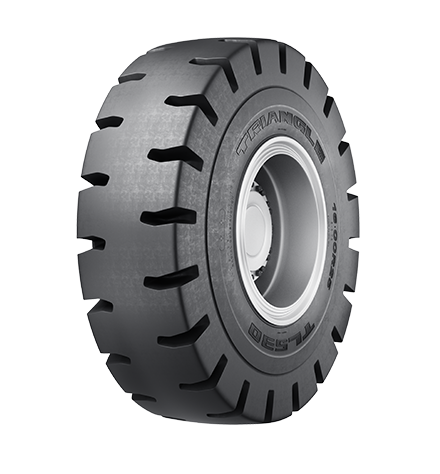
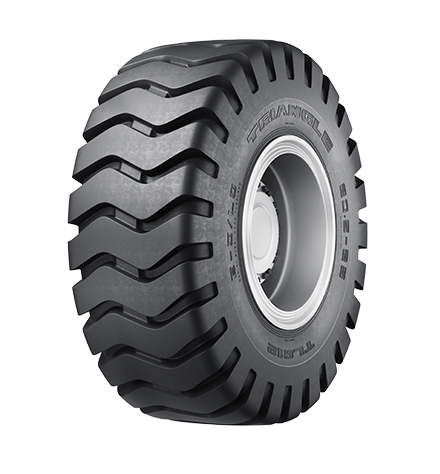
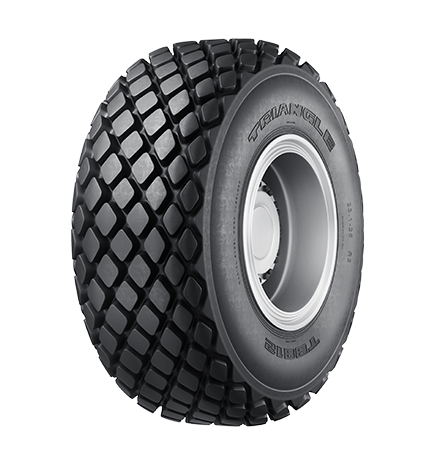
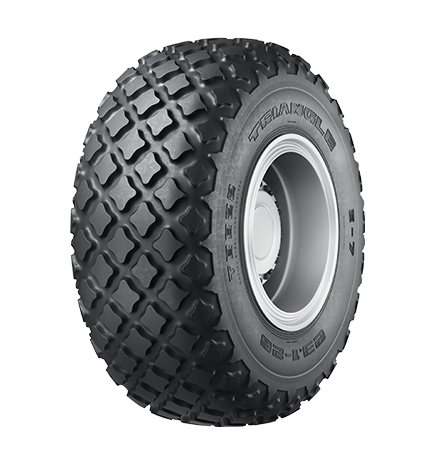
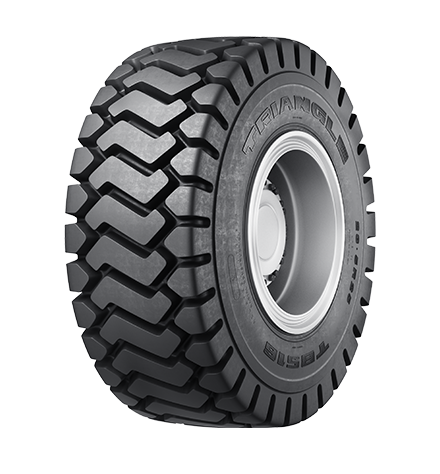
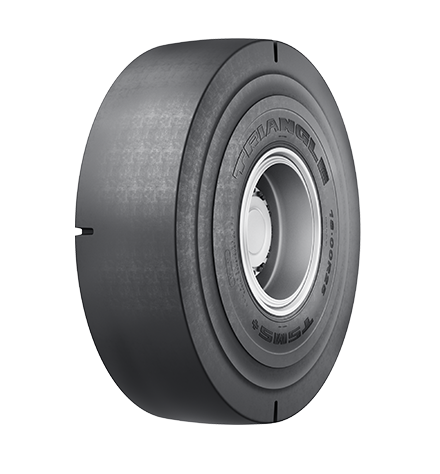
Tyres
Source premium Tyres directly from vetted manufacturers and suppliers in China and across Asia. Designed for importers, distributors, and automotive brands seeking reliable wholesale and OEM production, our network delivers high-performance tyres that meet strict international safety and quality standards.
Sourcing automotive and commercial tyres at scale requires balancing unit economics with non-negotiable safety standards. The difference between a profitable import program and a compliance nightmare often comes down to raw material consistency, precise curing processes, and rigorous factory-level testing. Whether you are procuring standard replacements or developing custom tread patterns, understanding the manufacturing variables is critical to securing reliable supply.
Tyre Compounding and Construction
The performance of a tyre is dictated long before it enters the mold. The chemical formulation of the rubber compound and the structural integrity of the carcass determine tread life, rolling resistance, and load capacity.
When evaluating a factory's technical capability, pay close attention to their mixing and calendering processes. High-quality manufacturers use advanced internal mixers to ensure uniform dispersion of carbon black and silica. Poor dispersion leads to weak spots, uneven wear, and premature failure.
| Compound Element | Primary Function | Sourcing Implication |
|---|---|---|
| Natural Rubber | Tear resistance and heat dispersion | Higher natural rubber content is critical for heavy-duty and commercial applications. |
| Synthetic Polymers | Traction and treadwear longevity | Heavily influenced by crude oil prices; dictates passenger tyre performance. |
| Silica | Lowers rolling resistance | Requires specialized mixing equipment; essential for premium fuel-efficient tyres. |
| Steel Cord | Carcass strength and puncture resistance | Must be properly brass-plated for optimal adhesion to the rubber matrix. |
Navigating compound specifications and factory technical capabilities? Let Merhein handle the factory vetting and technical negotiations.
Talk to our teamQuality Control and Market Compliance
Tyre manufacturing is heavily regulated, and compliance is entirely market-dependent. A factory producing high volumes for the domestic market may not hold the certifications required for export.
Before committing to a supplier, you must verify their compliance documentation and their internal testing infrastructure. A reliable supplier should perform 100% dynamic balance and uniformity testing on the production line, supplemented by X-ray inspections to detect internal voids or cord misalignments.
Engaging in thorough compliance & testing verification upfront prevents catastrophic customs rejections or product recalls later.
Critical Factory Verification Points
- Verify market-specific certifications (DOT for US, E-mark/REACH for Europe, CCC for China).
- Confirm the presence of functioning X-ray testing equipment on the factory floor.
- Check dynamic unbalance and uniformity testing protocols (should be 100% of output).
- Audit raw material storage conditions (rubber degrades if exposed to excessive heat or UV).
- Review the traceability system (DOT code or internal serial number tracking).
To ensure these standards are met, professional factory audits are indispensable. An on-site audit verifies not just the paperwork, but the actual calibration of the testing equipment and the consistency of the curing temperatures.
Private Labeling and Custom Tread Designs (OEM/ODM)
Many brands choose to import under their own private label. This process ranges from simple sidewall mold modifications (adding your brand name to an existing factory pattern) to full custom tread development.
If you are pursuing OEM/ODM services for a proprietary design, the factory will need to cut new molds. Mold costs vary significantly based on the size and complexity of the tyre, and factories typically require minimum order commitments to amortize these costs over time. Ensure your sourcing agreement clearly defines mold ownership and intellectual property rights.
Buying Mechanics: MOQs, Pricing, and Logistics
Tyre pricing is highly volatile, driven by the global commodities market—specifically natural rubber indices, crude oil, and steel wire. Because tyres are high-volume, low-density goods (they take up significant space relative to their weight), shipping economics dictate the purchasing strategy.
Because freight can make up a substantial percentage of the landed cost, efficient shipping & freight consolidation is just as important as the factory price. Factories will often "double-stuff" or interlace tyres to maximize container space, but this must be done carefully to avoid permanently deforming the bead.
Need accurate pricing and lead times for your tyre import program? Contact us to discuss your volume requirements.
Get a free consultationFrequently Asked Questions
Successfully sourcing tyres requires continuous oversight of raw material markets, factory quality control protocols, and shipping logistics. By establishing strict technical specifications and maintaining rigorous on-site inspection routines, you can secure a reliable, compliant supply chain that protects both your brand reputation and your bottom line.
Get Sourcing Help for Tyres
Tell us your requirements and our experts will connect you with verified manufacturers.