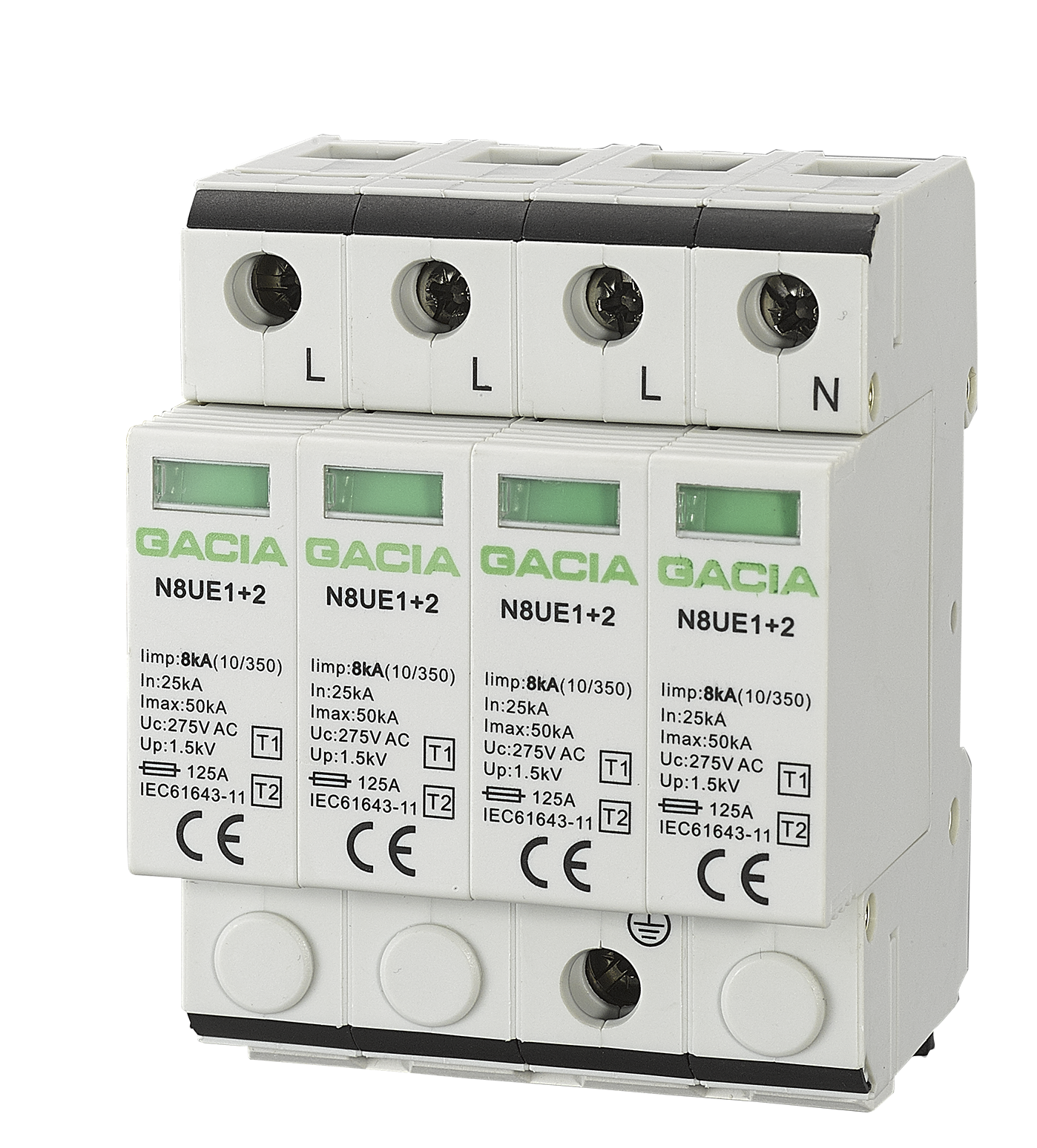
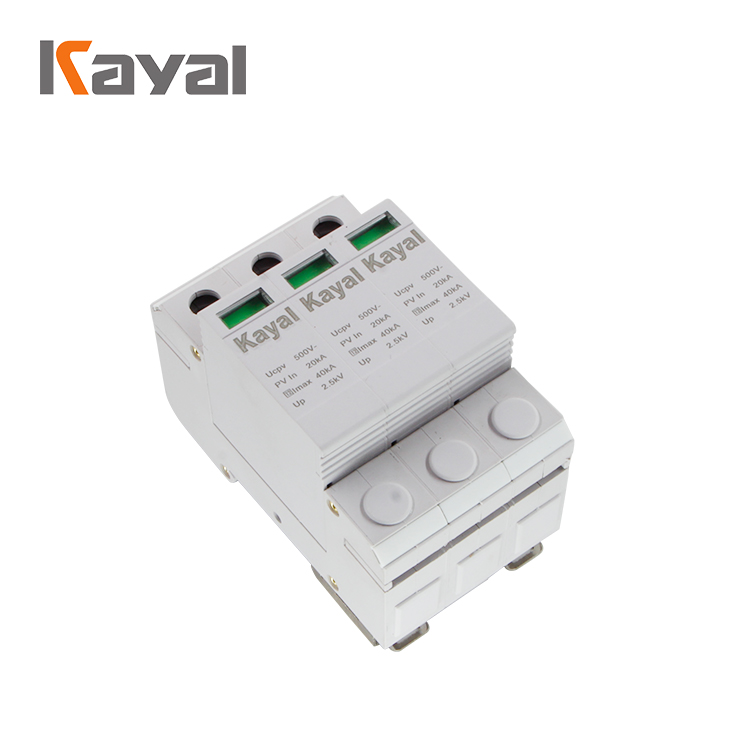
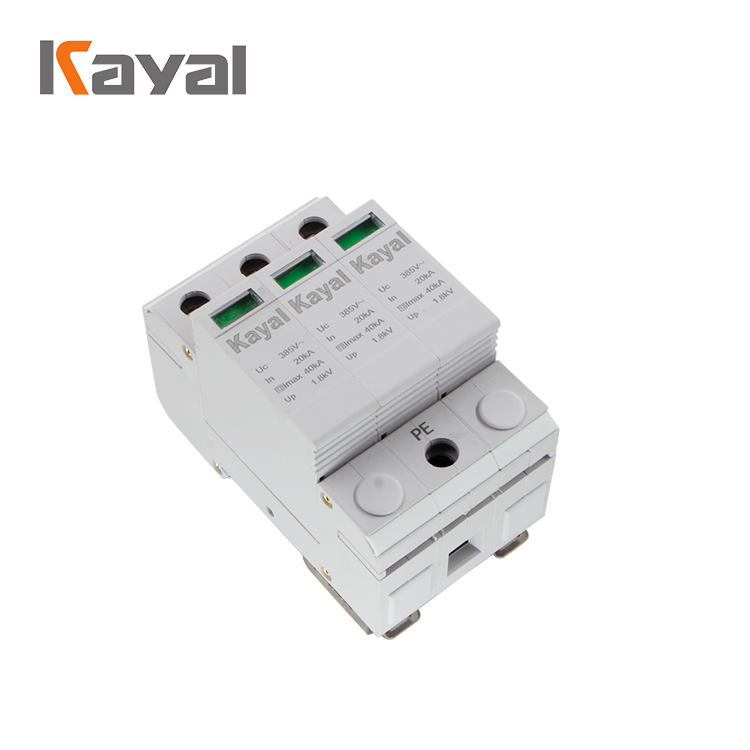
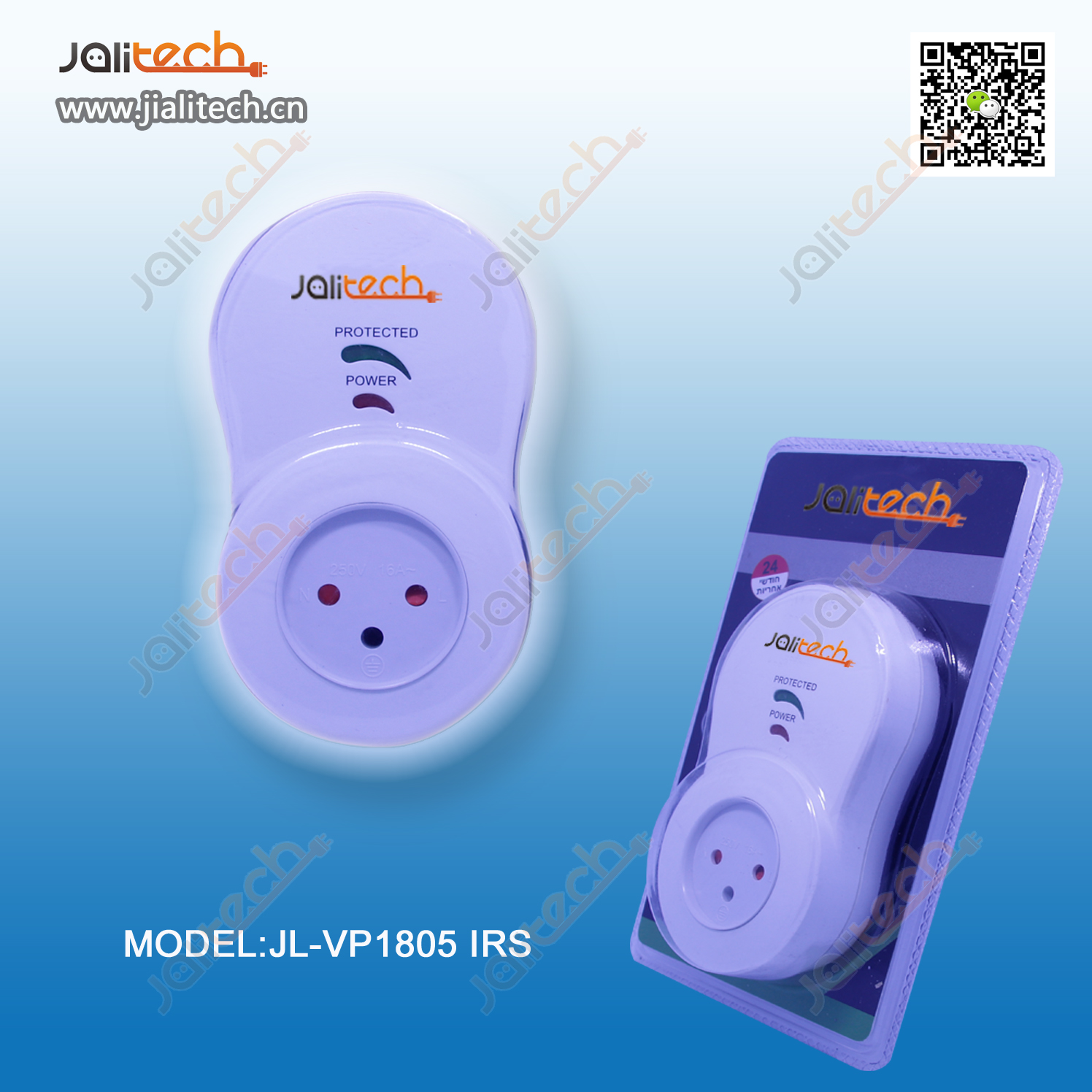
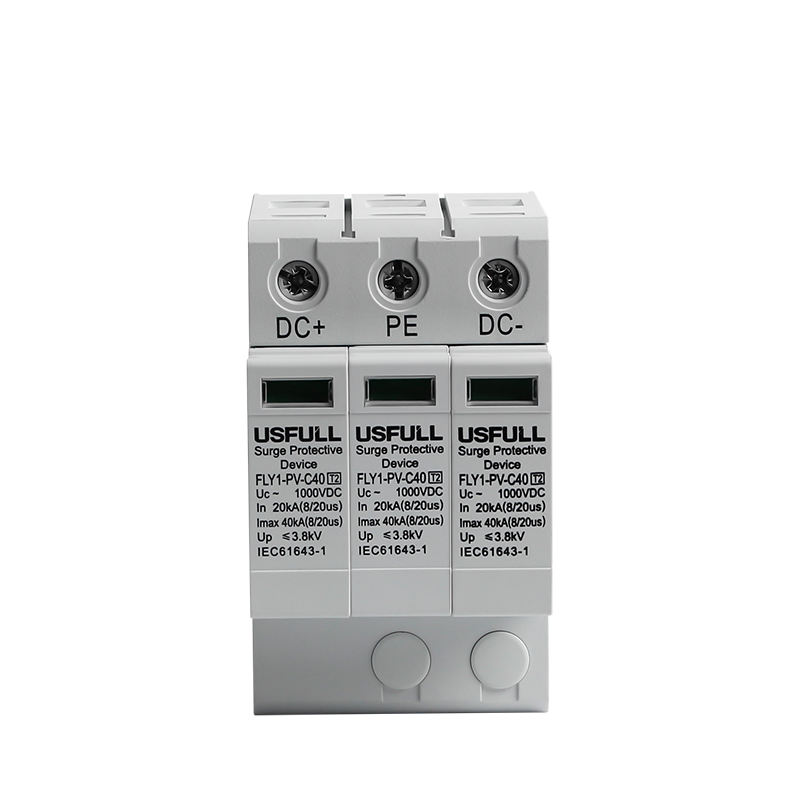
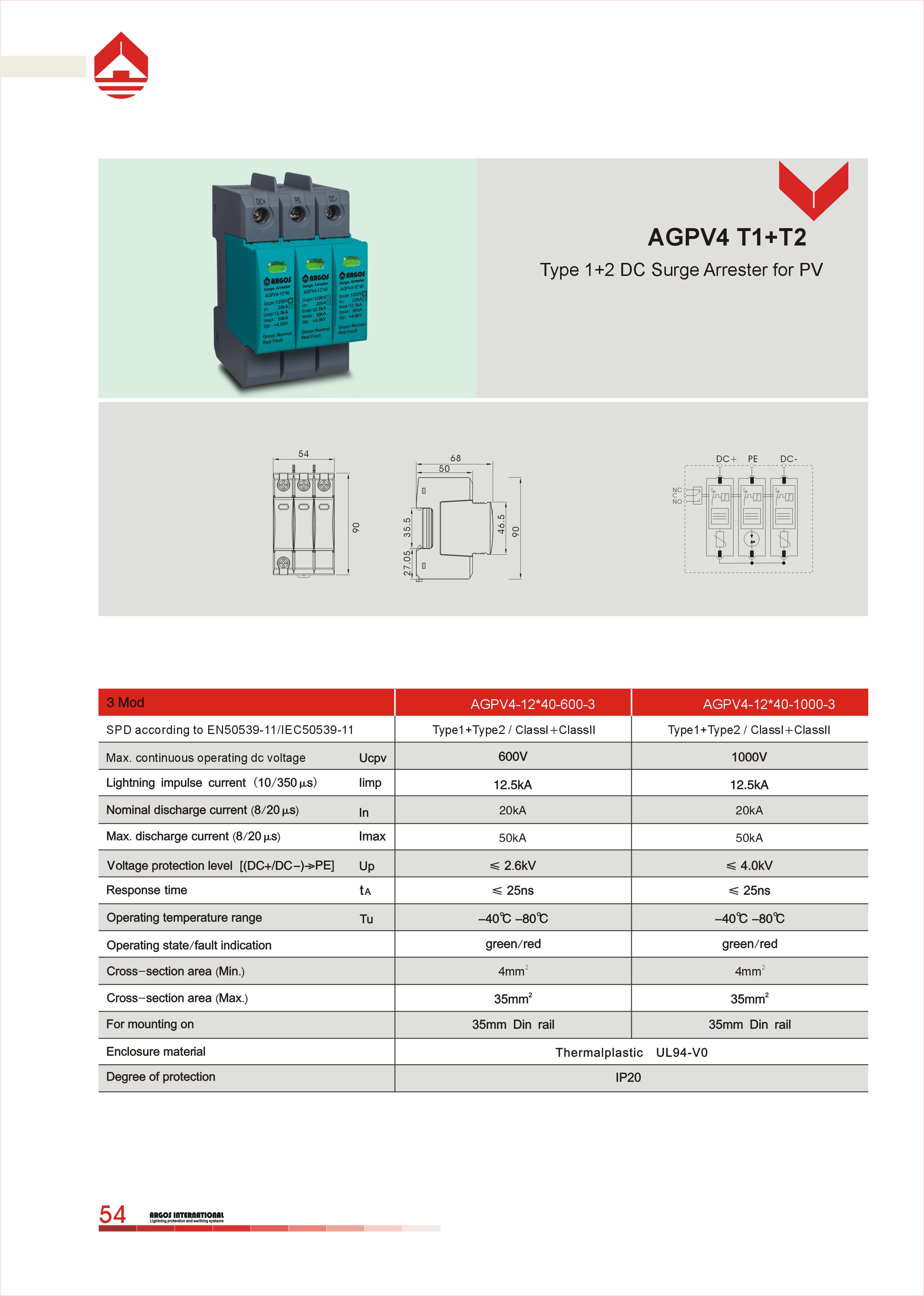
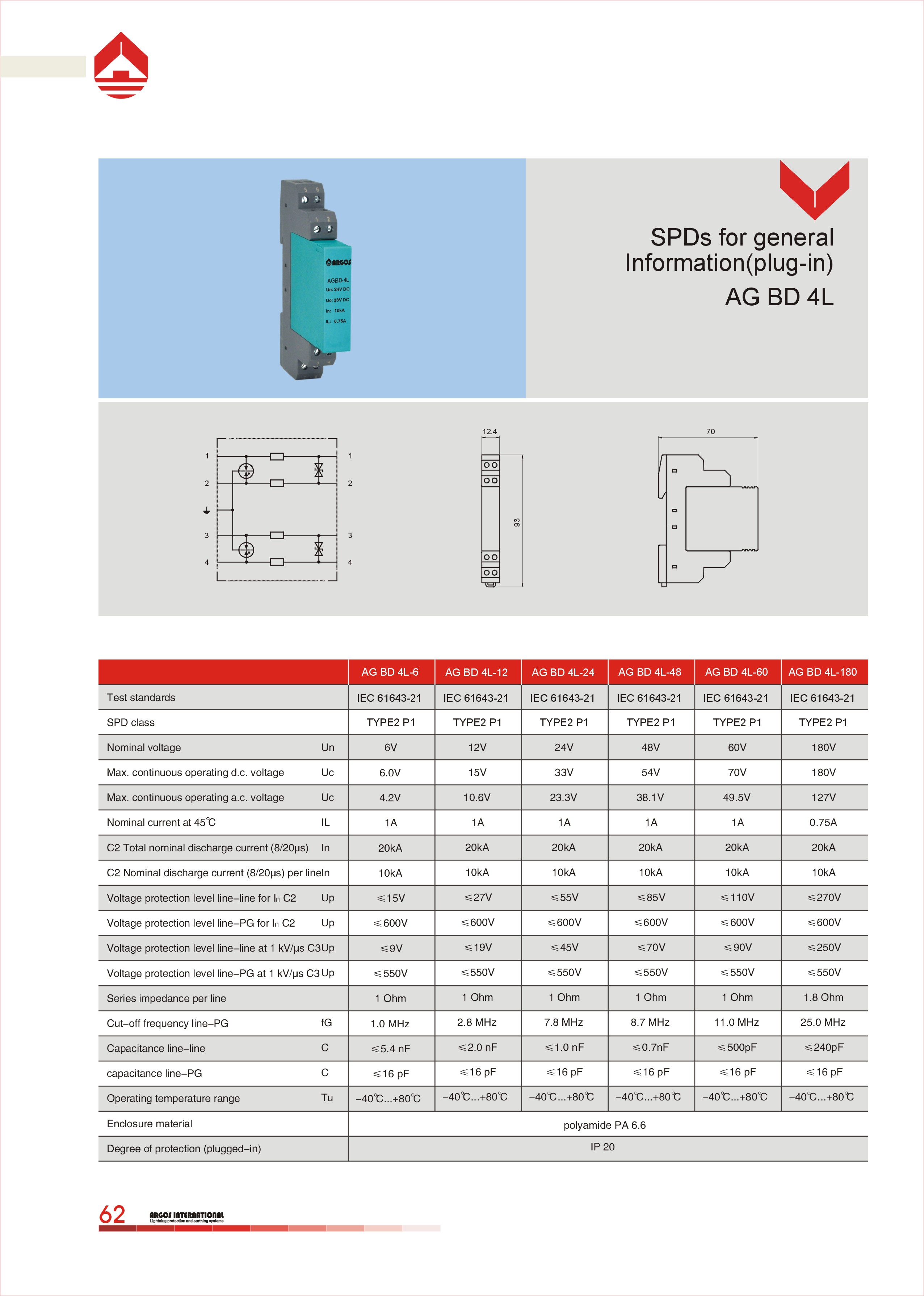
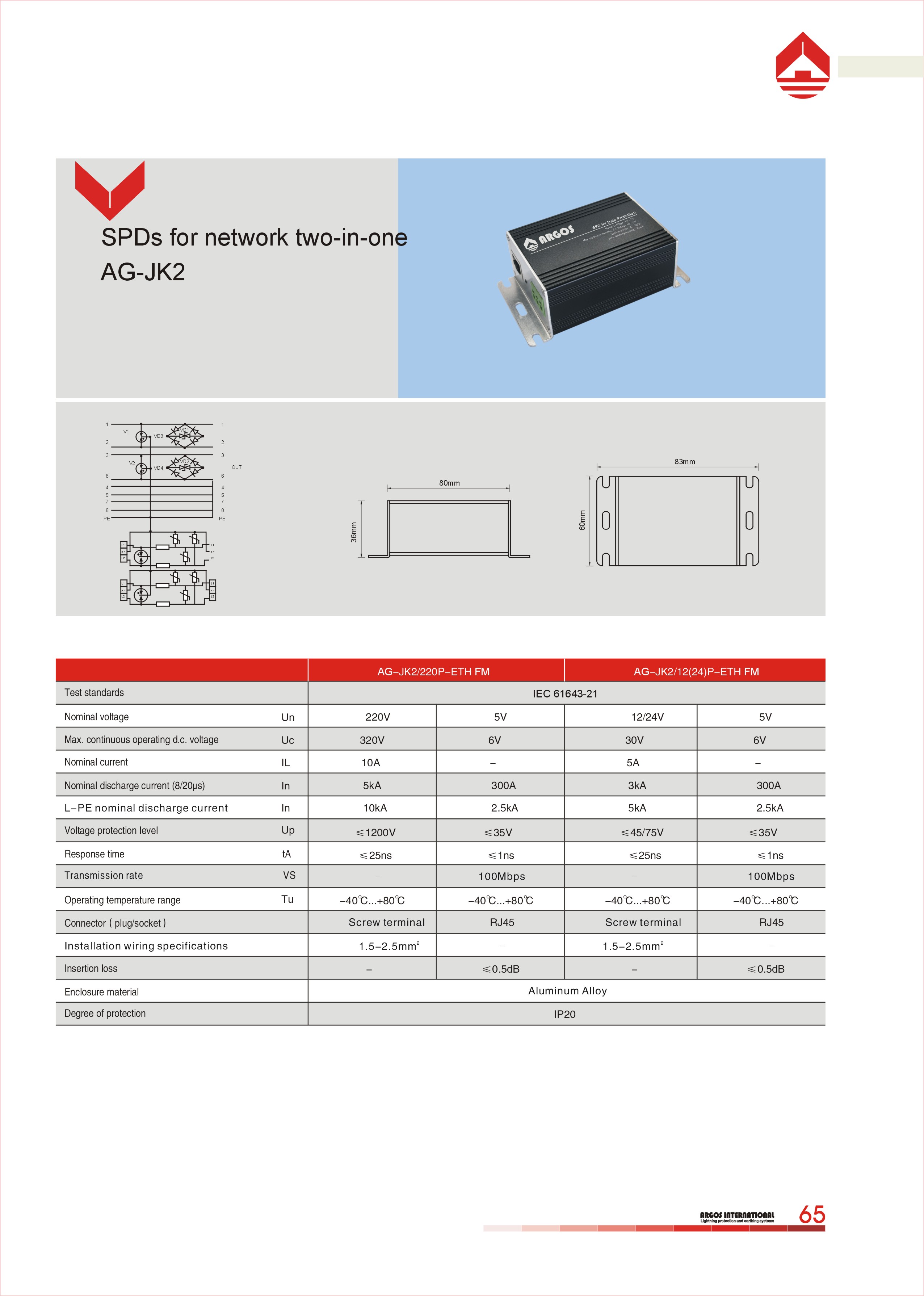
TVS Surge Protection Devices (SPDs)
Source wholesale TVS Surge Protection Devices (SPDs) from vetted manufacturers and suppliers. Designed for electronics importers, distributors, and brands requiring reliable OEM production, our network delivers high-performance circuit protection components built to rigorous international standards.
Transient Voltage Suppressor (TVS) diodes are the critical first line of defense for sensitive electronic circuits, offering picosecond response times to overvoltage events. When sourcing TVS Surge Protection Devices (SPDs) in high volumes, the primary challenge is ensuring lot-to-lot consistency. A supplier's datasheet might look perfect, but poor wafer fabrication or inconsistent encapsulation on the factory floor can lead to catastrophic failures in the field. Sourcing successfully requires navigating complex specifications, verifying factory quality management, and ensuring strict compliance with international safety standards.
Critical Specifications for High-Volume Orders
When negotiating with manufacturers, generic requests will result in mismatched components. You must clearly define the electrical parameters and packaging requirements for your specific application.
Key TVS SPD Parameters to Specify
- Working Peak Reverse Voltage (Vrwm): The normal operating voltage where the diode remains non-conductive.
- Breakdown Voltage (Vbr): The point at which the TVS diode begins to conduct and shunt current to ground.
- Maximum Clamping Voltage (Vc): The maximum voltage across the device during a peak pulse current event.
- Peak Pulse Power (Ppp): The maximum power dissipation the device can handle (typically rated at 10/1000 microseconds).
- Junction Capacitance (Cj): Crucial for data line protection; high-speed lines require ultra-low capacitance (under 1 pF) to prevent signal degradation.
- Package Type: SMA, SMB, SMC, SOD-323, or custom arrays, depending on PCB real estate and power dissipation needs.
Struggling to find a manufacturer that consistently meets your tight tolerance requirements? Let us connect you with vetted factories.
Talk to our teamManufacturing Tolerances and Quality Control
The reliability of a TVS diode is determined long before it is soldered onto a PCB. Quality is won or lost during the die fabrication and packaging stages.
Wafer Fabrication & Doping
The precise doping of the silicon wafer determines the breakdown voltage. Inconsistent doping across a wafer leads to wide variances in Vbr, causing premature clipping or delayed protection.
Die Attach and Soldering
Voids in the solder between the silicon die and the lead frame severely reduce thermal conductivity. During a surge, a device with poor die attach will overheat and fail instantly.
Encapsulation
Epoxy molding must be void-free and flame retardant (typically meeting UL 94 V-0). Moisture ingress from poor sealing leads to long-term reliability issues.
Automated Testing
Top-tier factories perform 100 percent automated electrical testing for Vbr, Ir (leakage current), and Vc before taping and reeling.
To avoid suppliers cutting corners on die size or thermal management, rigorous factory audits are essential before placing your first PO. Furthermore, implementing strict quality control protocols, including pre-shipment sampling and destructive testing, ensures that the components you receive match the approved golden sample.
Compliance and Regulatory Standards
TVS SPDs are safety-critical components. Depending on your target market and application (e.g., automotive, telecommunications, consumer electronics), the components must comply with specific standards.
- IEC 61000-4-2: Standard for Electrostatic Discharge (ESD) immunity.
- IEC 61000-4-4 / 4-5: Standards for Electrical Fast Transient (EFT) and Surge immunity.
- AEC-Q101: Essential if you are sourcing for automotive applications; requires stringent reliability testing.
- UL / TÜV / VDE: Safety agency recognitions are often mandatory for the end-product's certification.
Navigating these requirements can be complex. Utilizing professional compliance and testing services ensures your components pass independent laboratory verification, protecting your brand from costly recalls.
Pricing, MOQs, and Lead Times
The cost of TVS diodes is heavily influenced by the die size (power rating), package type, and silicon market fluctuations.
Need to stabilize your supply chain and negotiate better bulk pricing without compromising on silicon quality?
Get a free consultationSourcing TVS Surge Protection Devices at scale is an exercise in risk management. The lowest quoted price often hides a smaller silicon die or skipped testing steps—flaws that only reveal themselves when your product is in the field. By partnering with a dedicated sourcing team, you secure access to factories that maintain strict process controls, ensuring your circuits remain protected under the harshest conditions.
Get Sourcing Help for TVS Surge Protection Devices (SPDs)
Tell us your requirements and our experts will connect you with verified manufacturers.