TV Mounts & Carts
Source TV mounts and carts from vetted manufacturers and wholesale suppliers. Built for importers, electronics distributors, and brands requiring OEM or private-label production, our network delivers reliable, load-tested mounting solutions at scale.
Sourcing TV mounts and mobile carts requires balancing aggressive material costs with uncompromising safety standards. Because these products bear significant dynamic and static loads, a failure in structural integrity or articulation joints can lead to catastrophic hardware damage and liability. Success in this category means strictly managing steel gauges, weld quality, and powder-coating consistency at the factory level.
Core Specifications and Material Standards
The foundational quality of any mount or cart is dictated by its raw materials and adherence to standard mounting interfaces. Buyers must specify exact material grades rather than relying on generic factory descriptions.
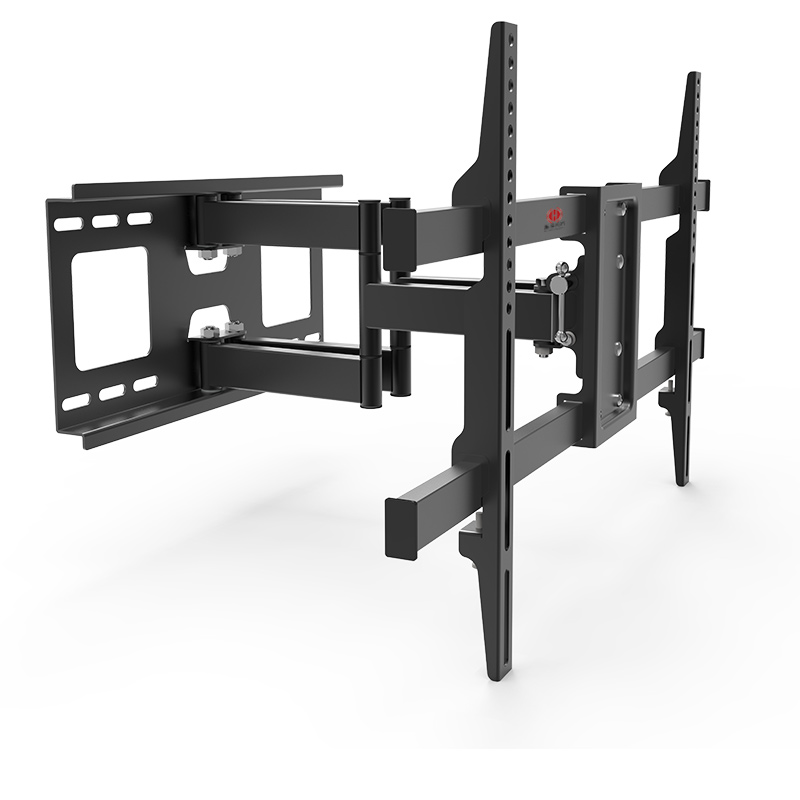
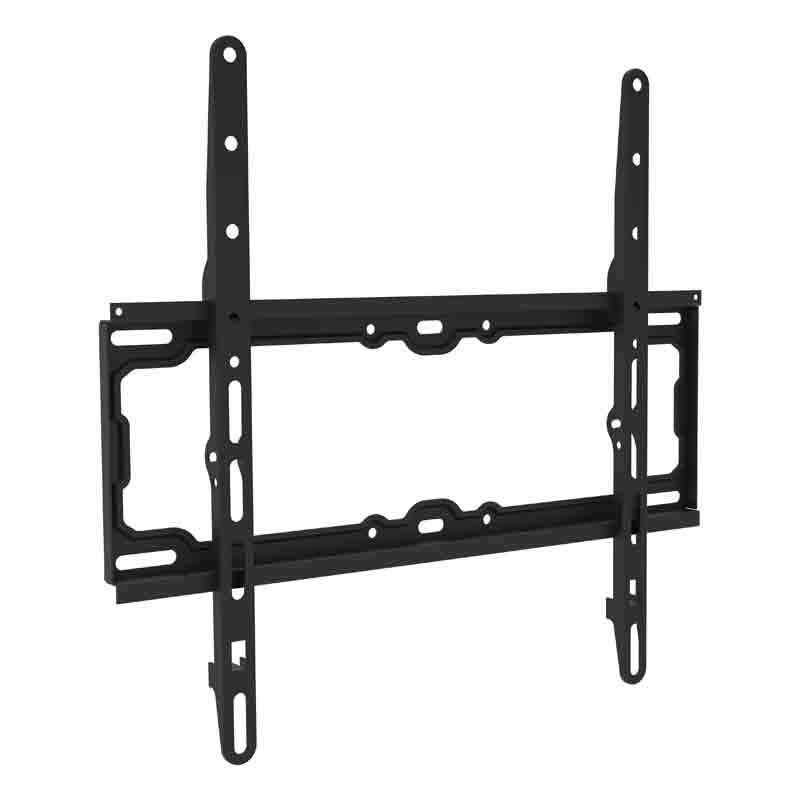
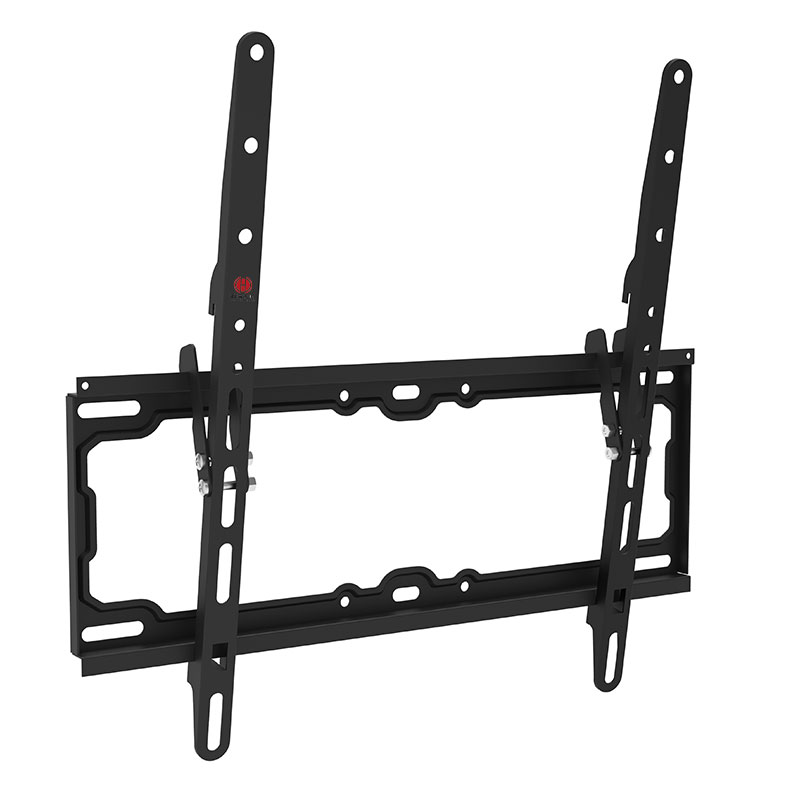
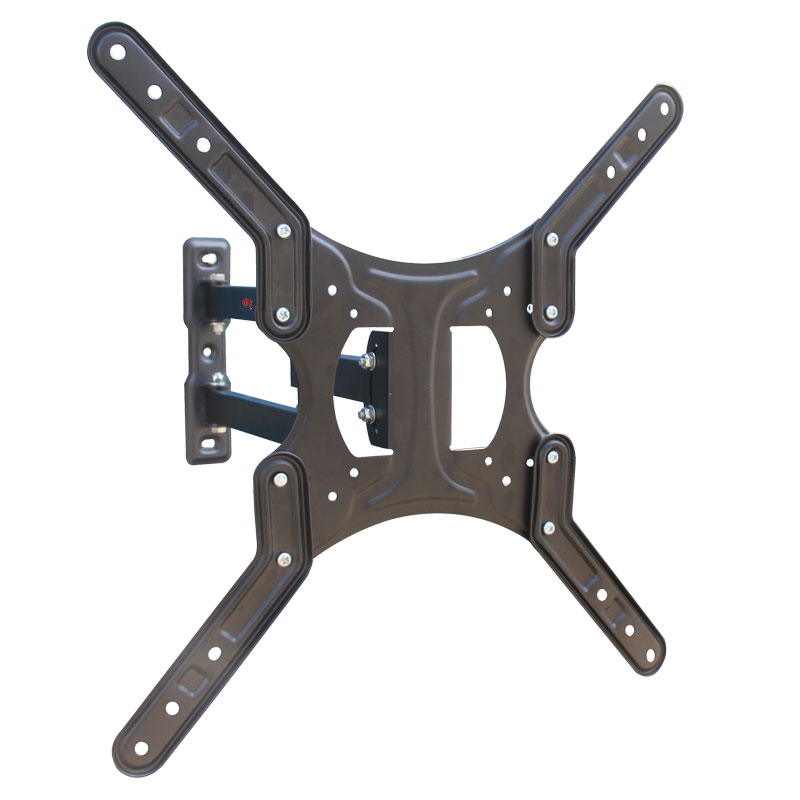
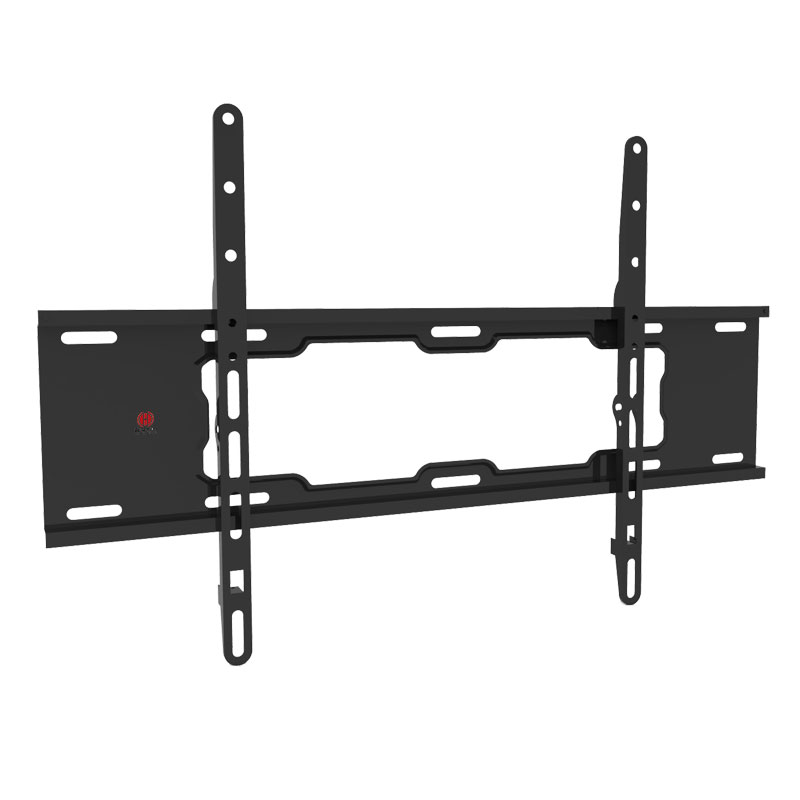
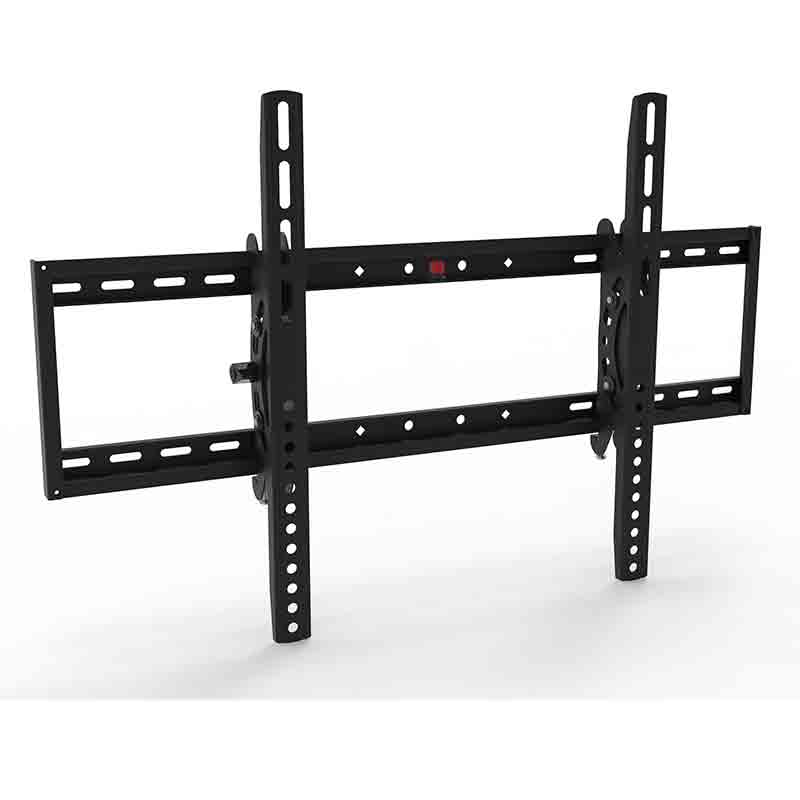
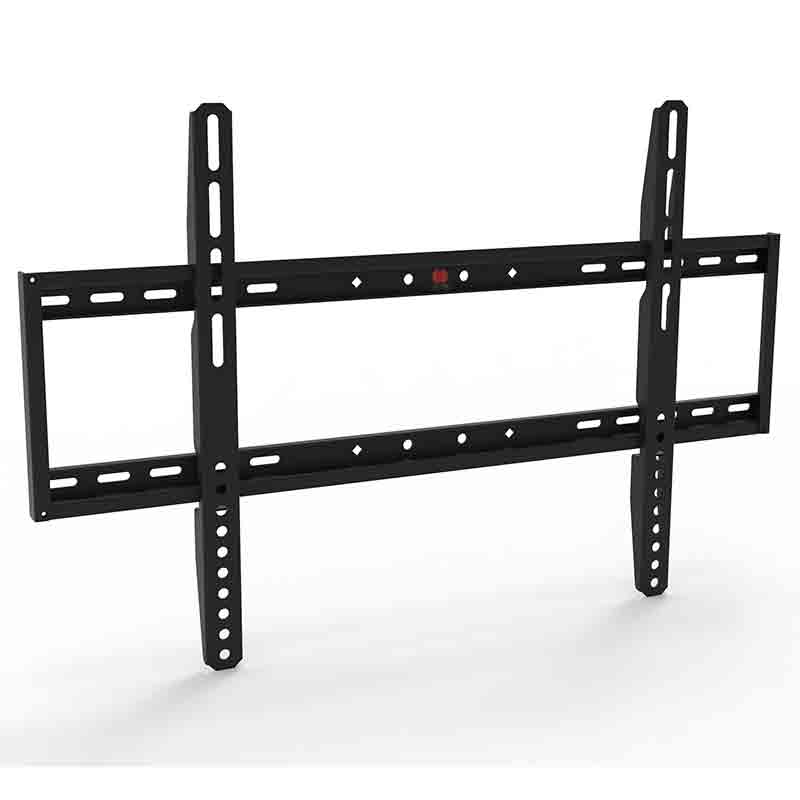
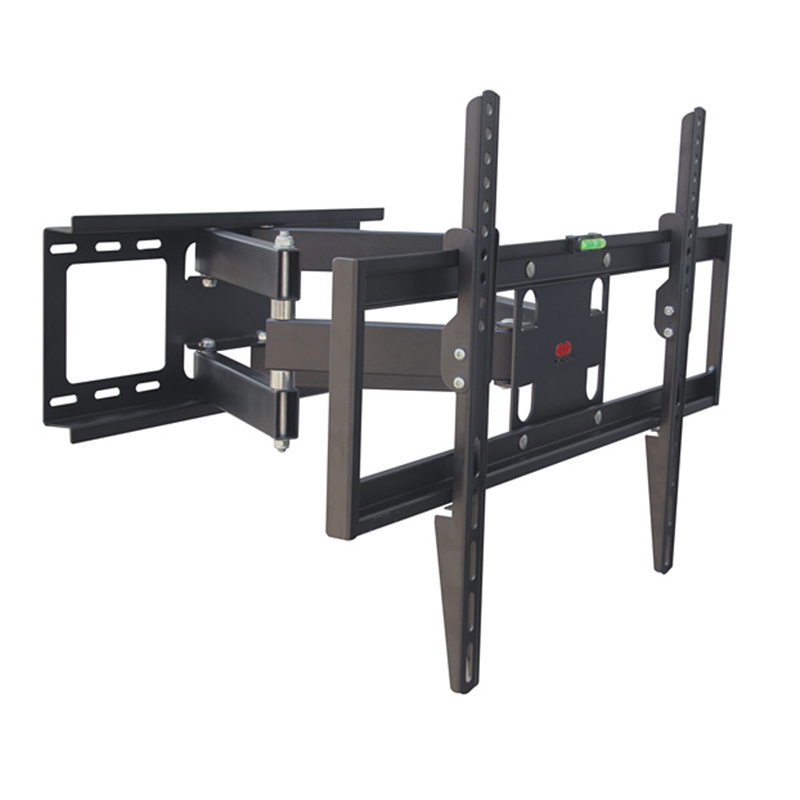
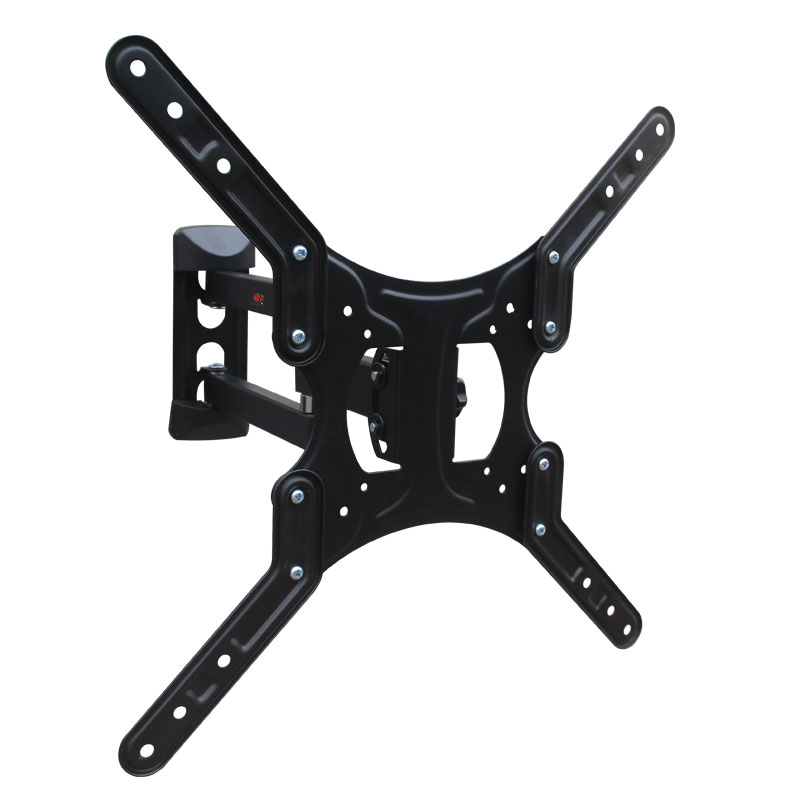
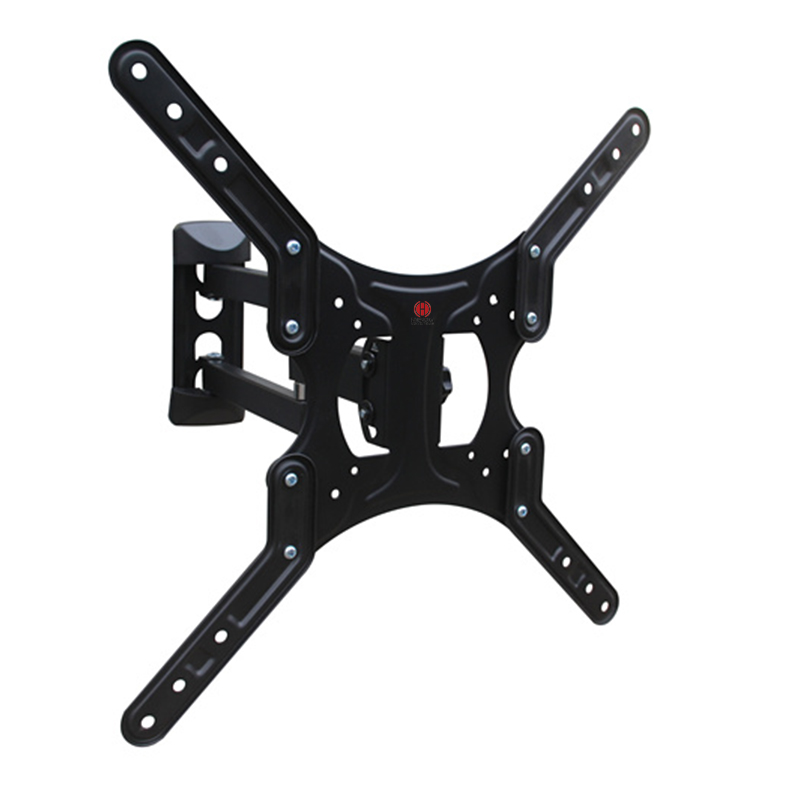
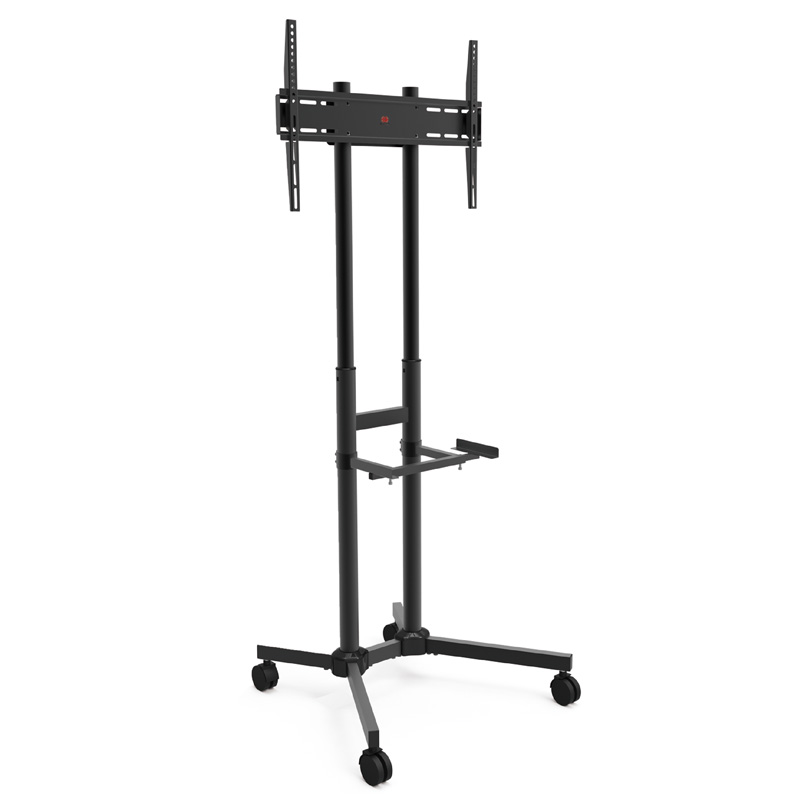
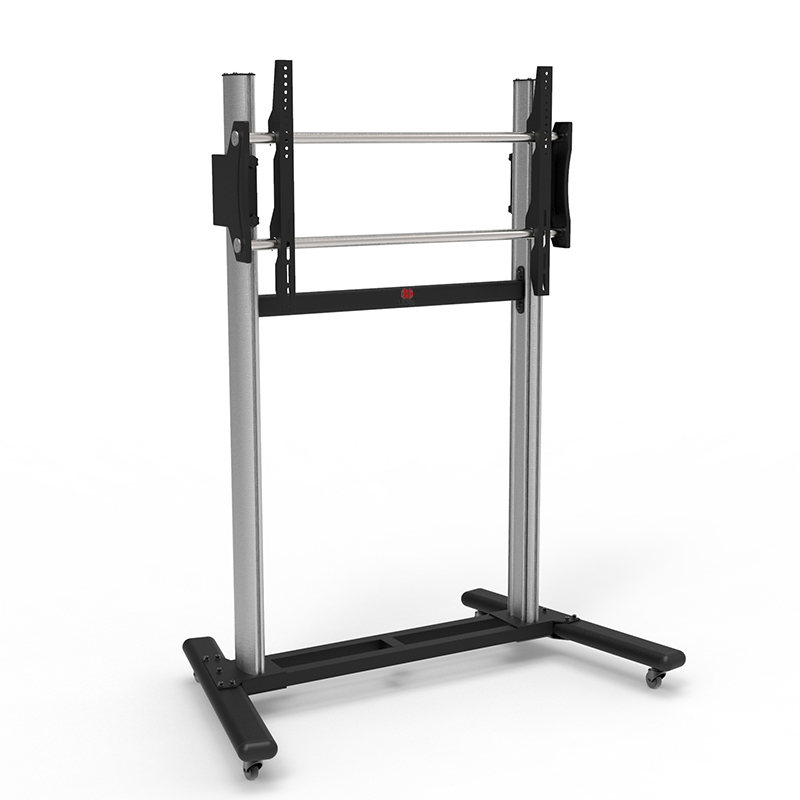
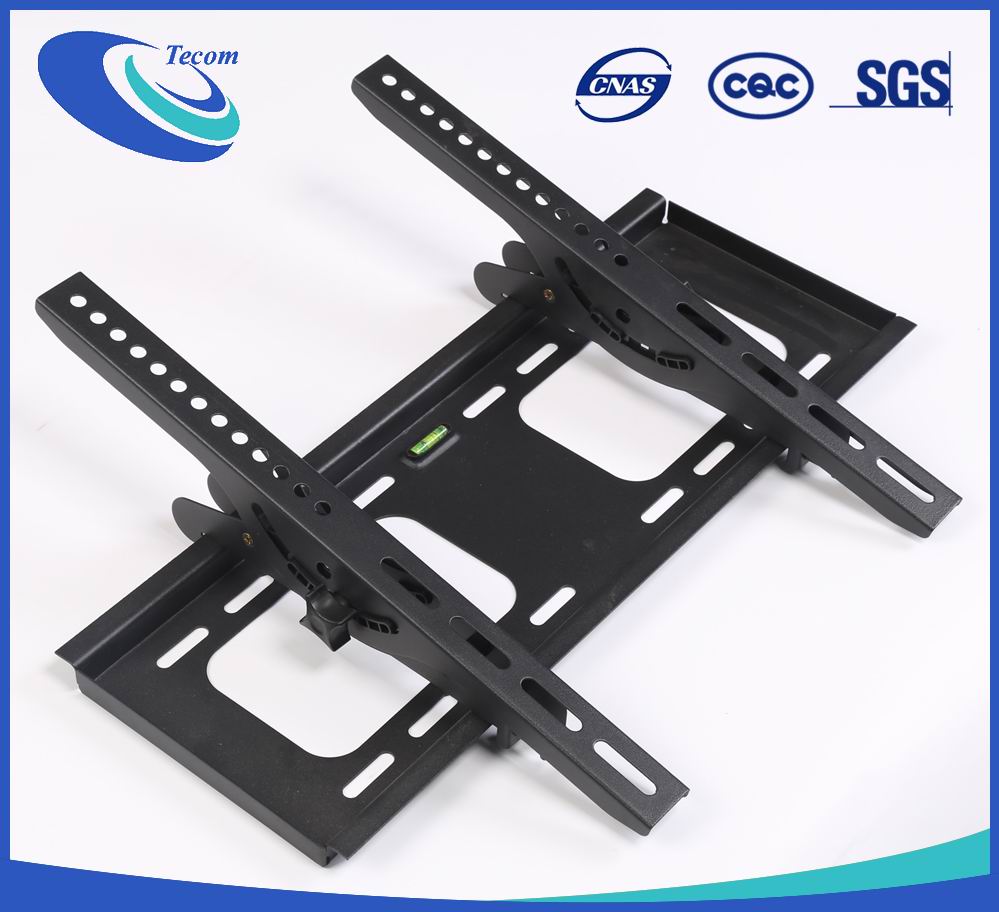
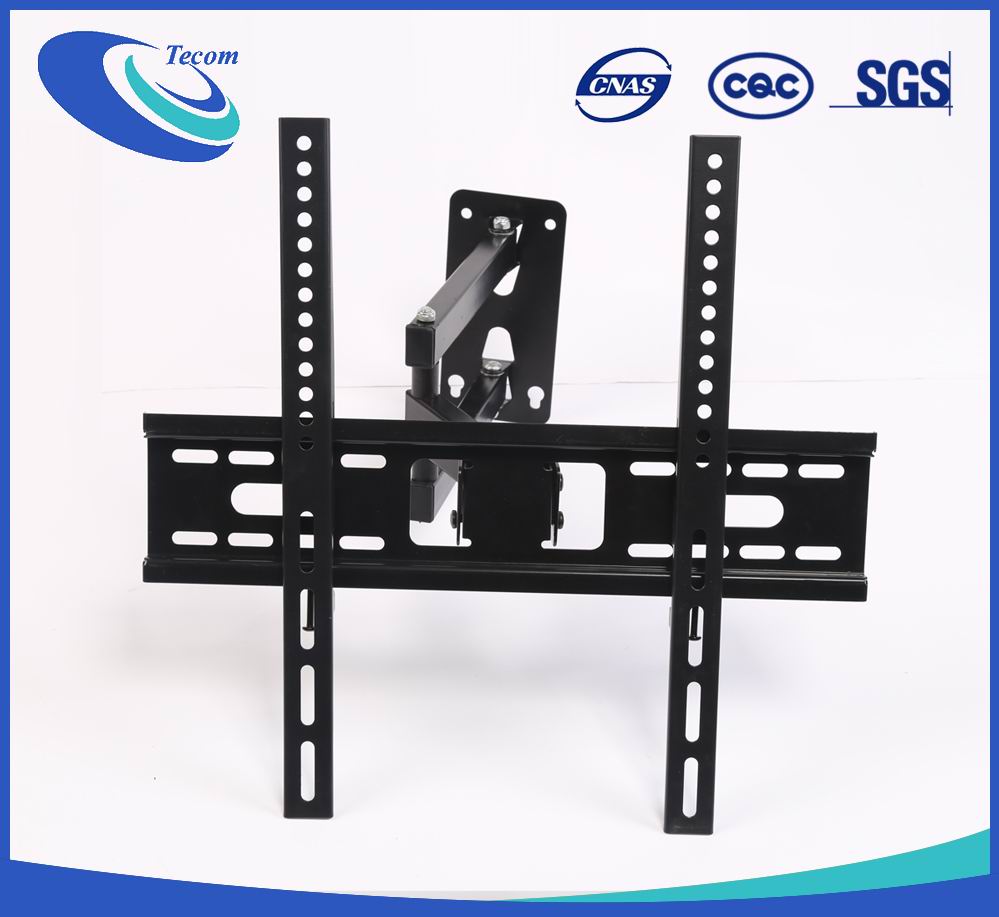
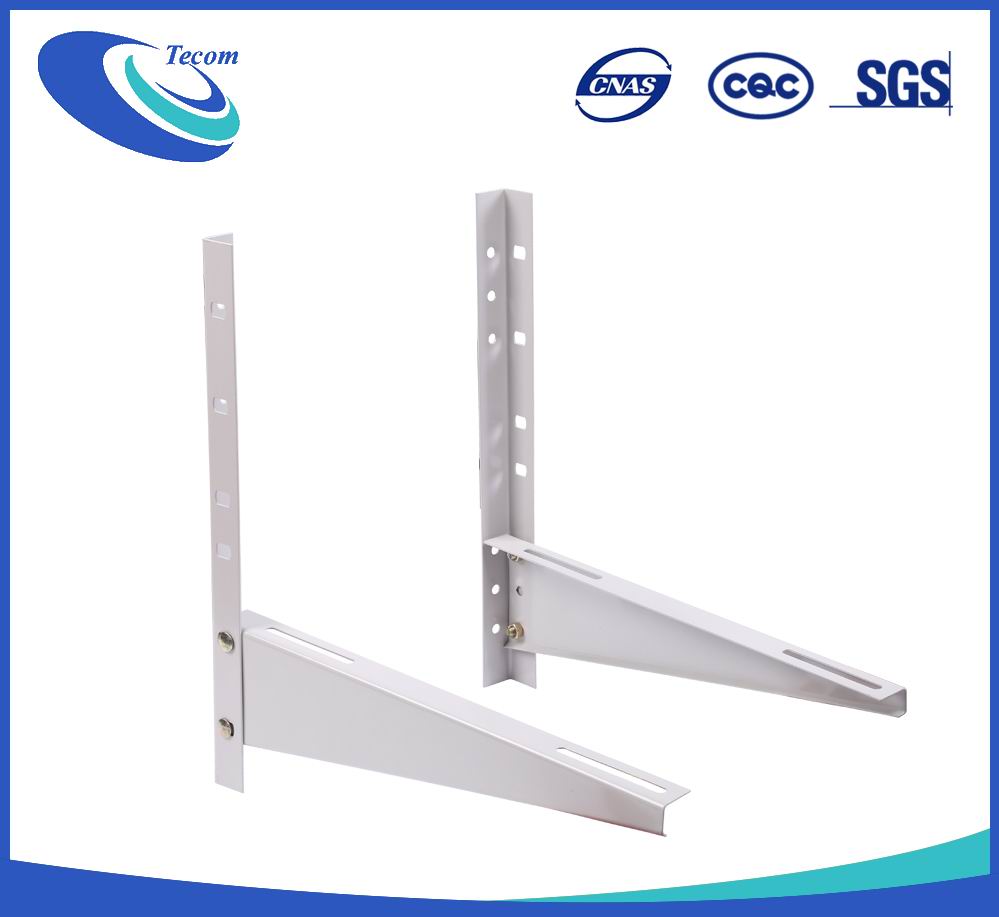
Most structural components are stamped from SPCC (Cold Rolled Carbon Steel). For standard fixed or tilt mounts, a steel thickness of 1.2mm to 1.5mm is typical. For full-motion articulating mounts and heavy-duty commercial carts, the wall plates and load-bearing arms require 2.0mm to 2.5mm SPCC to prevent torsion under maximum extension. Mobile cart columns often utilize extruded aluminum (AL6063) to reduce overall shipping weight while maintaining structural rigidity.
| Specification | Fixed / Low-Profile | Full-Motion (Articulating) | Mobile Carts |
|---|---|---|---|
| Typical Material | 1.2mm - 1.5mm SPCC | 2.0mm - 2.5mm SPCC | SPCC Base + AL6063 Columns |
| Key Stress Points | Wall plate hooks | Hinge joints, extension arms | Caster mounts, column joints |
| VESA Compliance | Up to 800x400 (MIS-F) | Up to 600x400 (MIS-F) | Up to 1000x600 (Commercial) |
Need help verifying factory material specifications and load ratings before production?
Talk to our teamManufacturing Processes and Quality Control
The production of TV mounts involves heavy stamping, robotic or manual welding, and surface finishing. Each stage presents specific risks to the final product's performance. Relying strictly on post-production visual checks is insufficient; robust quality control must evaluate the structural integrity of the components during assembly.
Critical Factory-Level QC Checks
- Weld Penetration: Inspecting wall plate and arm joints for incomplete welds or porosity that could fail under shear stress.
- Powder Coating Thickness: Ensuring a consistent 60 to 80-micron coating to prevent rust, particularly on edges and stamped holes.
- Joint Friction and Tolerances: Testing articulating joints to ensure smooth movement without sagging under load, checking nylon or Teflon washer integrity.
- Hardware Pack Completeness: Verifying blister packs contain the correct high-tensile lag bolts, concrete anchors, and VESA spacers.
Assessing a supplier's capability to maintain these standards consistently requires thorough factory audits before placing high-volume orders. You need to confirm that the factory utilizes automated welding for load-bearing joints and maintains strict calibration on their stamping presses to avoid metal fatigue.
Customization and OEM/ODM Capabilities
For brands looking to differentiate their product lines, manufacturers offer extensive OEM/ODM services. Customization typically falls into two tiers:
- Aesthetic and Packaging Customization: This includes custom color powder coating (e.g., matte white for clinical or modern residential settings), branded silk-screening on the wall plates, and custom-designed retail packaging.
- Structural Modifications: Developing custom molds for unique cable management covers, integrating gas-spring mechanisms for height-adjustable mounts, or designing proprietary quick-release latching systems for commercial digital signage deployments.
Pricing Dynamics, MOQs, and Lead Times
Unit costs in this category are highly sensitive to global steel commodity prices. When negotiating, understand that a factory offering a price significantly below market average is likely reducing the SPCC gauge or using lower-quality powder coating, which directly compromises safety.
Shipping weight is a major factor in landed costs. Optimizing the packaging dimensions—often by requiring the factory to design nested, flat-pack configurations for mobile carts and heavy-duty mounts—can significantly increase container yield and reduce freight expenses.
Optimize your unit costs, packaging dimensions, and supply chain logistics.
Get a free consultationFrequently Asked Questions
Successful sourcing of TV mounts and carts requires a strict focus on metallurgical integrity and mechanical tolerances. By controlling the exact steel gauge, demanding rigorous load testing, and optimizing packaging for freight efficiency, buyers can secure a highly profitable, liability-free product line.
Get Sourcing Help for TV Mounts & Carts
Tell us your requirements and our experts will connect you with verified manufacturers.