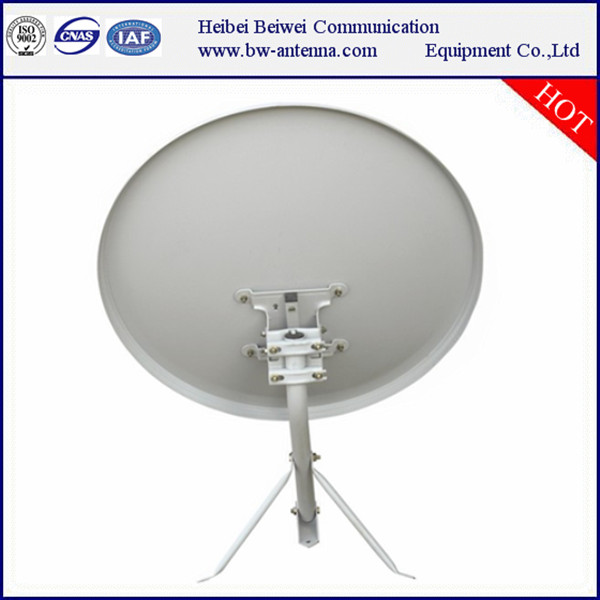
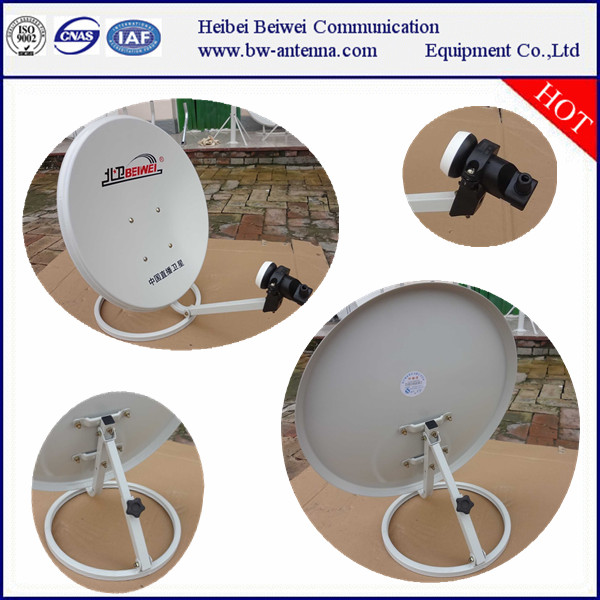
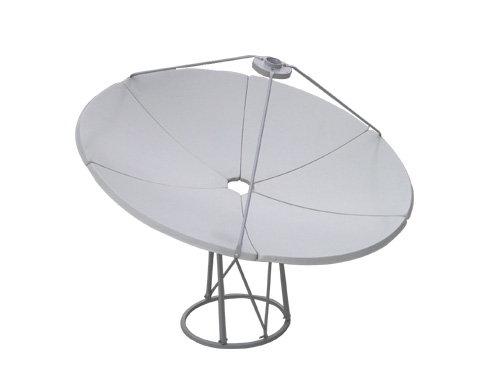
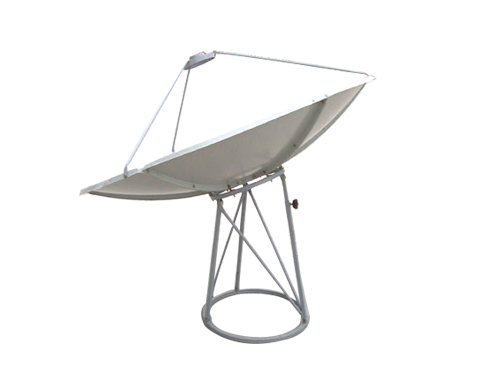
TV Antennas
Source high-performance TV antennas directly from vetted manufacturers and wholesale suppliers. Designed for importers, distributors, and consumer electronics brands, our network offers reliable OEM and private-label production capabilities to meet your specific volume requirements and market standards.
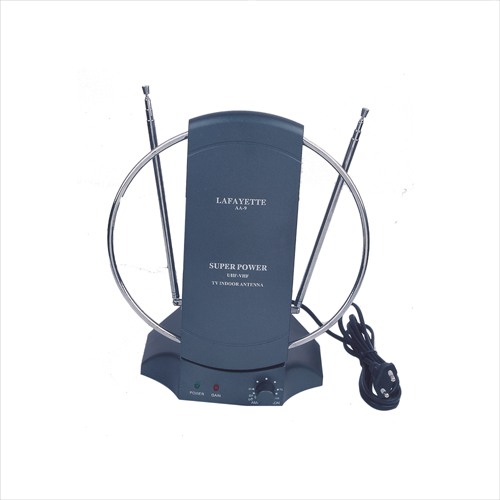
Sourcing TV antennas at scale requires balancing unit cost with reception reliability. Whether you are procuring compact indoor models for urban markets or high-gain outdoor directional antennas for rural areas, the core challenge remains consistent: ensuring consistent RF performance, material durability, and strict quality control across high-volume production runs.
Navigating the supplier landscape in manufacturing hubs like Shenzhen and Ningbo means filtering out assemblers who cut corners on coaxial shielding or PCB components. Success in this category demands a clear understanding of RF specifications and factory capabilities.
Critical Specifications and RF Performance
When negotiating with manufacturers, vague specifications lead to inconsistent product performance. You must define the exact electrical and mechanical parameters your market requires.
Beyond the basic frequency range, pay close attention to the antenna's Gain (measured in dBi). Be wary of suppliers claiming unrealistically high gain figures (e.g., over 30 dBi for a passive indoor antenna) without providing network analyzer test reports.
Struggling to verify supplier performance claims? Let us help you identify manufacturers with genuine RF testing capabilities.
Talk to our teamManufacturing Tolerances and Quality Control
The difference between a premium antenna and a high-return-rate liability is often found in the assembly details. Poor soldering on the matching transformer or subpar plastic housing can ruin an otherwise decent RF design.
Critical QC Checkpoints on the Factory Floor
- Coaxial cable shielding integrity (minimum 60 percent aluminum braid coverage to prevent interference).
- PCB soldering quality and component placement on amplified (active) models.
- Weatherproofing seals and UV-resistant ABS/PC plastics for outdoor units (verify IP55 or higher ratings).
- Connector plating thickness (nickel or gold flash) to prevent long-term oxidation.
- Structural integrity of aluminum elements (thickness and anodization quality on Yagi-style antennas).
Implementing rigorous Quality Control & Inspection during the assembly process—rather than relying solely on pre-shipment checks—is the most effective way to catch these structural and electronic defects before they are packed.
Customization and OEM/ODM Capabilities
Most buyers in this category are looking to differentiate their product lines through branding, custom enclosures, or specific performance tuning.
| Customization Level | Typical Scope | Tooling & Cost Impact |
|---|---|---|
| White Label | Logo printing on standard molds, custom retail packaging. | Low to None |
| Minor ODM | Custom plastic enclosure colors, specific coaxial cable lengths, tailored amplifier gain. | Low to Medium |
| Full OEM | Custom PCB design, proprietary RF tuning, unique injection molds. | High (Requires significant NRE/Tooling fees) |
If you are building a proprietary product line, partnering with a factory that offers robust OEM/ODM Services is essential. Ensure the factory has an in-house R&D team and access to an anechoic chamber to validate your custom designs.
Regulatory Compliance
Active (amplified) antennas require specific regulatory approvals because they contain electronic components that can emit electromagnetic interference. Ensure your supplier understands the requirements for FCC Part 15 (US) or CE RED (Europe).
Proper Compliance & Testing should be factored into your development timeline, especially for active models.
Pricing, MOQs, and Lead Times
Pricing in the TV antenna market is heavily dependent on raw material costs (aluminum, copper, ABS plastic) and the complexity of the PCB in active models.
- Indoor Passive Antennas: Typically range from $0.80 to $2.50 per unit. These are highly commoditized, and scale is necessary for favorable pricing.
- Indoor Active (Amplified) Antennas: Generally cost between $2.50 and $6.00 per unit, depending on the quality of the Low Noise Amplifier (LNA) and included power supply.
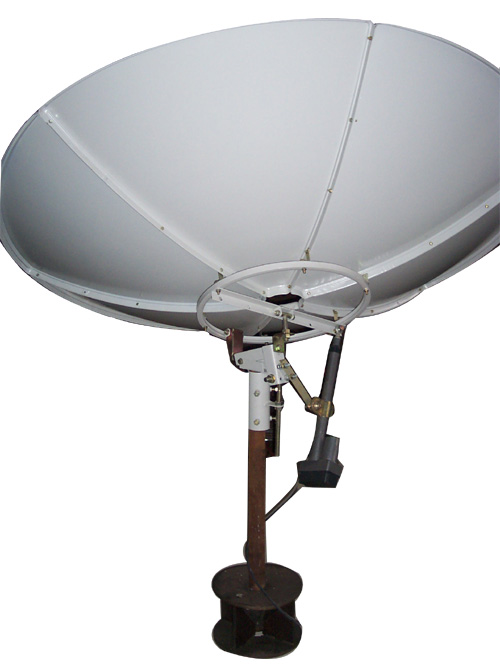
- Outdoor Directional Antennas: Range from $8.00 to $25.00+ per unit, driven by the volume of aluminum used and the complexity of the mounting hardware.
Minimum Order Quantities (MOQs): Standard MOQs for white-label products usually sit between 1,000 and 3,000 units per SKU. For custom OEM enclosures requiring new molds, expect MOQs to start at 5,000 units to amortize setup costs.
Lead Times: Typical production lead times range from 30 to 45 days. However, first-run OEM orders may take 60 to 90 days to account for tooling, prototyping, and RF validation.
Need to negotiate better terms or audit a prospective factory's production capacity? We can manage the process on your behalf.
Get a free consultationFrequently Asked Questions
Securing a reliable supply chain for TV antennas means looking past the marketing claims and verifying the underlying engineering and quality control systems of the manufacturer. By prioritizing strict RF tolerances and robust materials, you can build a product line that delivers consistent performance and drives long-term brand loyalty.
Get Sourcing Help for TV Antennas
Tell us your requirements and our experts will connect you with verified manufacturers.