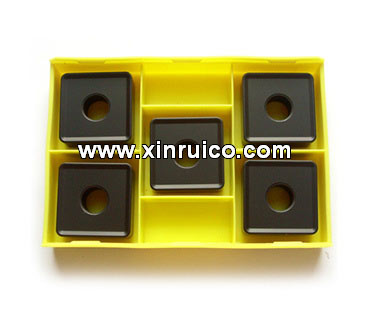
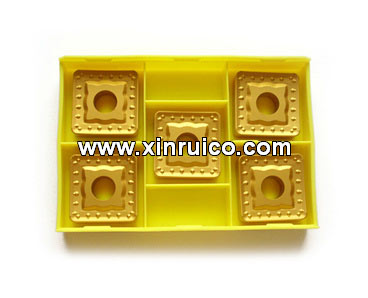
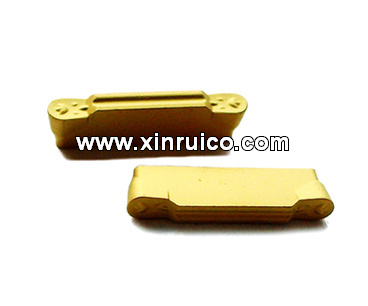
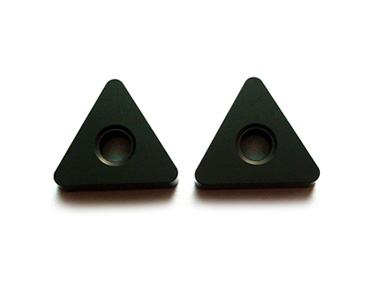
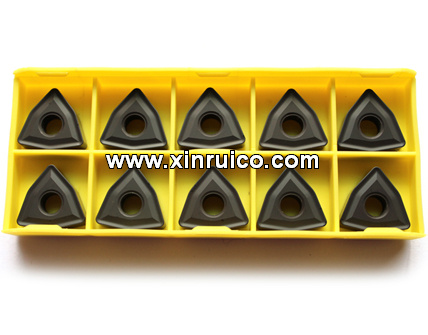
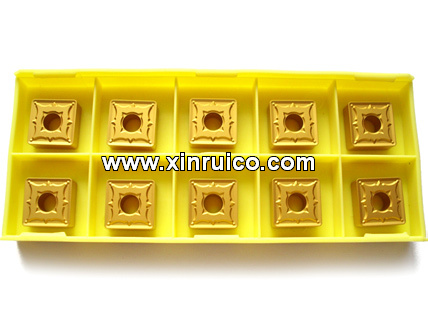
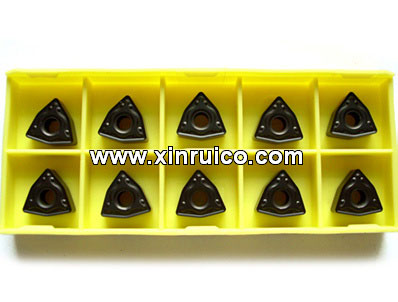
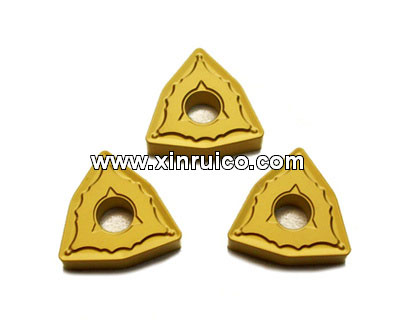
Turning Tools
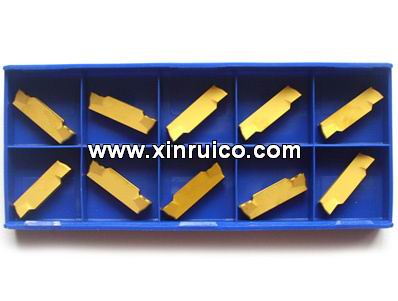
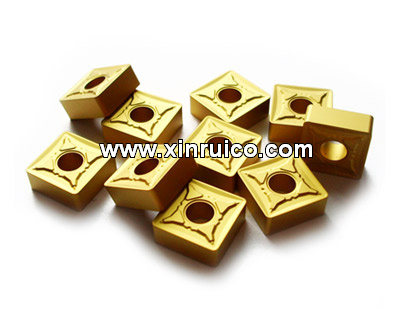
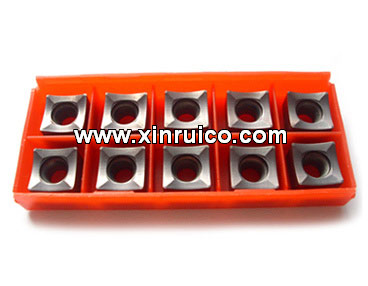
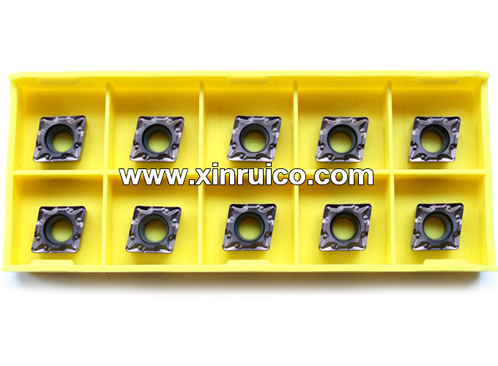
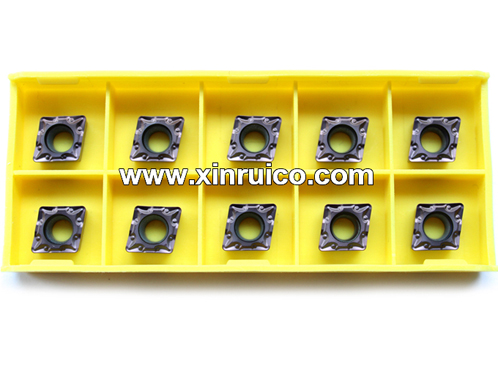
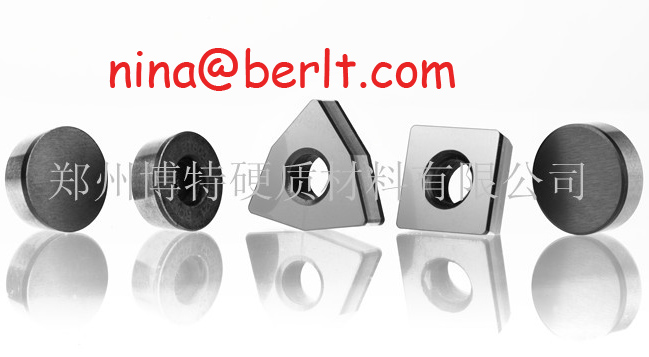
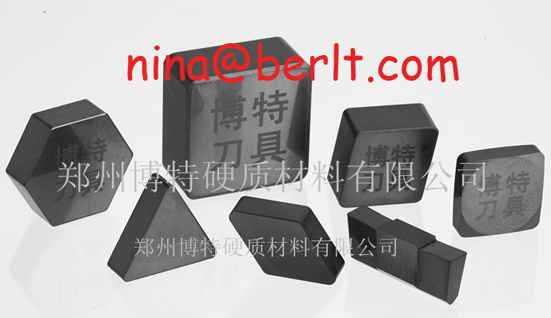
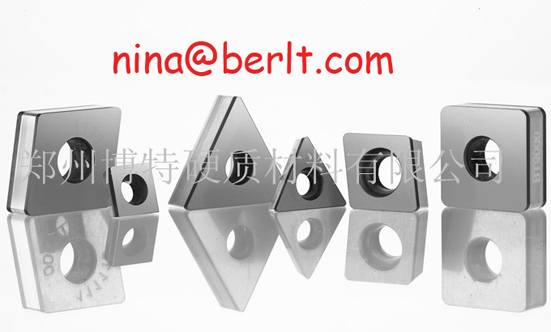
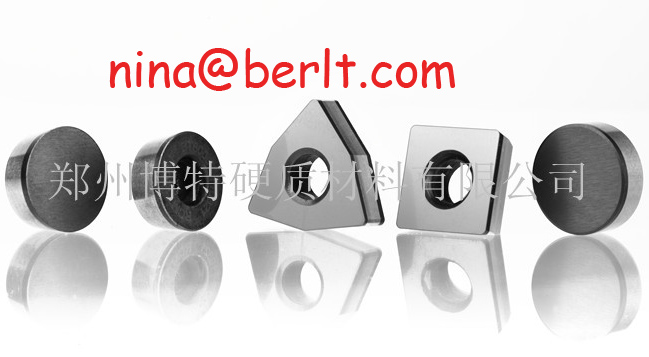
Source professional-grade turning tools from vetted manufacturers and suppliers. Designed for importers, industrial distributors, and brands requiring reliable bulk supply or custom OEM production, our network delivers precision machining solutions at scale.
Sourcing indexable inserts and tool holders in bulk requires navigating a highly fragmented supplier base where batch-to-batch consistency is everything. The core procurement challenge isn't just finding a factory that can produce standard ISO geometries; it's ensuring that the manufacturer maintains strict control over powder metallurgy, sintering profiles, and coating adhesion across high-volume production runs. A slight deviation in cobalt binder percentage or coating thickness can drastically reduce tool life, leading to downstream complaints from your industrial end-users.
Material Grades and Coating Specifications
The performance of any turning tool hinges on the substrate and the coating. When negotiating with suppliers, you must specify the exact tungsten carbide (WC) grain size and the cobalt (Co) binder ratio. Micro-grain and ultra-fine grain carbides offer superior hardness and wear resistance but require advanced pressing and sintering capabilities that many lower-tier factories lack.
Equally critical is the coating technology. Suppliers typically offer Chemical Vapor Deposition (CVD) and Physical Vapor Deposition (PVD) options, often using titanium nitride (TiN), titanium carbonitride (TiCN), or aluminum titanium nitride (AlTiN).
| Coating Technology | Typical Thickness | Ideal Application | Manufacturing Implication |
|---|---|---|---|
| CVD (Chemical Vapor Deposition) | 5 to 20 microns | Heavy roughing, cast iron, high-speed continuous cutting | Requires high-temperature reactors; excellent adhesion but rounds sharp edges slightly. |
| PVD (Physical Vapor Deposition) | 2 to 5 microns | Fine finishing, threading, stainless steel, superalloys | Lower temperature process preserves sharp cutting edges; requires highly controlled vacuum chambers. |
Struggling to find a manufacturer that consistently matches your required carbide grades and coating tolerances? Let us connect you with vetted factories.
Talk to our teamThe Factory Floor: Where Quality is Won or Lost
Not all cutting tool manufacturers are created equal. Many suppliers are simply assembly workshops or trading companies that outsource the critical pressing and sintering stages. To ensure reliable tool life, you must verify the factory's internal capabilities.
Proper edge preparation—such as honing or chamfering before coating—is essential to prevent premature edge chipping. If a factory lacks automated edge-prep brushing machines, their inserts will suffer from inconsistent performance. Conducting thorough Factory Audits is critical to verify that the supplier actually owns and operates the necessary high-temperature vacuum sintering furnaces and multi-axis CNC grinders.
Critical Factory Verification Points
- Verify in-house powder mixing and pressing capabilities to ensure substrate consistency.
- Check for advanced vacuum sintering furnaces with precise temperature controls.
- Inspect edge preparation equipment (automated brushing/honing) prior to coating.
- Confirm the presence of specialized metrology equipment (optical comparators, tool presetters) for dimensional accuracy.
- Ensure they have dedicated coating reactors (CVD/PVD) or a highly vetted tier-2 coating partner.
Implementing rigorous Quality Control & Inspection protocols before shipment is the only way to catch dimensional deviations or coating delamination before the product leaves Asia.
OEM/ODM and Custom Tooling Programs
For brands looking to develop proprietary chipbreaker geometries or private-label existing ISO standard tools, establishing a clear technical baseline is vital. Developing custom tooling requires a manufacturer capable of high-precision mold making for the carbide pressing process.
Standard ISO Tooling vs. Custom OEM Geometries
Advantages
- Standard ISO: Lower MOQs and faster lead times due to existing molds.
- Standard ISO: Easy to dual-source across multiple standard factories.
- Custom OEM: Proprietary chipbreakers offer unique selling points for your brand.
- Custom OEM: Higher margin potential in specialized machining applications.
Disadvantages
- Standard ISO: High competition and lower profit margins in the wholesale market.
- Custom OEM: Significant upfront tooling/mold costs for the pressing dies.
- Custom OEM: Longer initial development and validation cycles.
If you are pursuing custom geometries, partnering with a supplier that offers comprehensive OEM/ODM Services ensures that your intellectual property is protected and that the transition from 3D CAD to mass production is seamless.
Pricing, MOQs, and Lead Times
Tooling economics are driven by the cost of raw tungsten and cobalt, the complexity of the mold, and the coating process.
Custom molds for new insert geometries typically cost between $1,500 and $4,000 depending on complexity, adding 20 to 30 days to the initial development timeline. Always clarify if the quoted price includes the coating, as some suppliers quote the bare carbide substrate to appear more competitive.
Need to negotiate better MOQs or consolidate your tooling supply chain? We manage the sourcing and logistics so you can focus on sales.
Get a free consultationFrequently Asked Questions
Successfully sourcing turning tools requires looking past the polished catalog to understand a manufacturer's true metallurgical and coating capabilities. When you control the technical specifications and enforce strict quality audits, you build a supply chain that delivers industrial-grade reliability at wholesale scale.
Get Sourcing Help for Turning Tools
Tell us your requirements and our experts will connect you with verified manufacturers.