Turn Signals
Source bulk Turn Signals directly from vetted manufacturers and wholesale suppliers. Designed for automotive parts importers, distributors, and brands requiring reliable OEM and private-label production. Ensure strict regulatory compliance and consistent quality for your auto lighting supply chain.
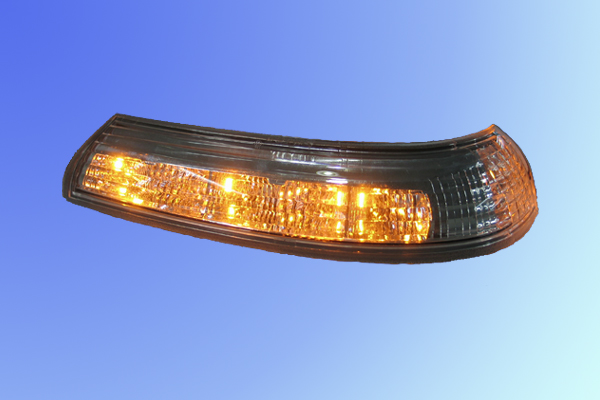
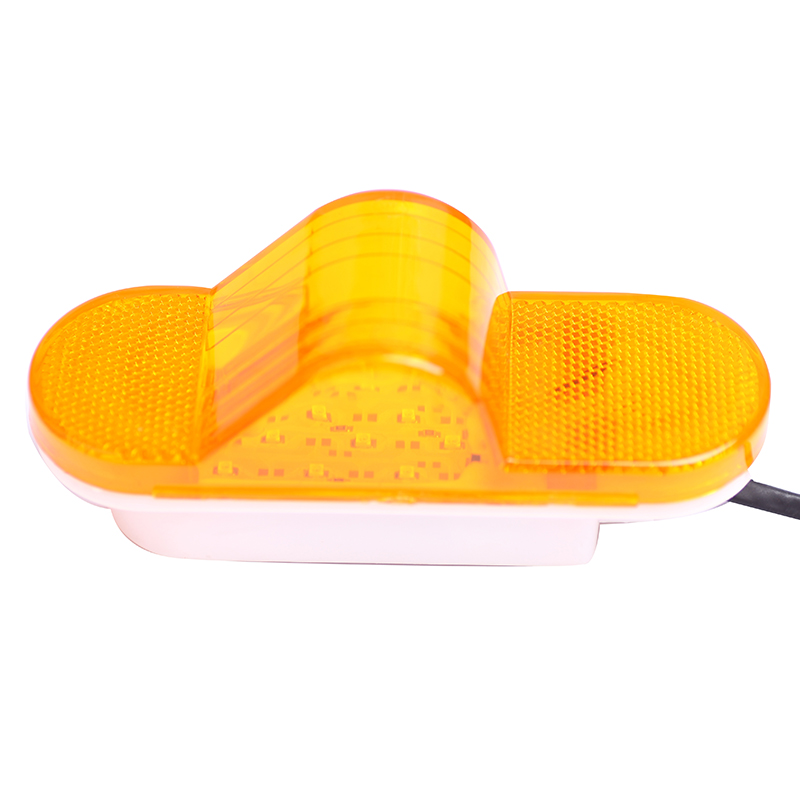
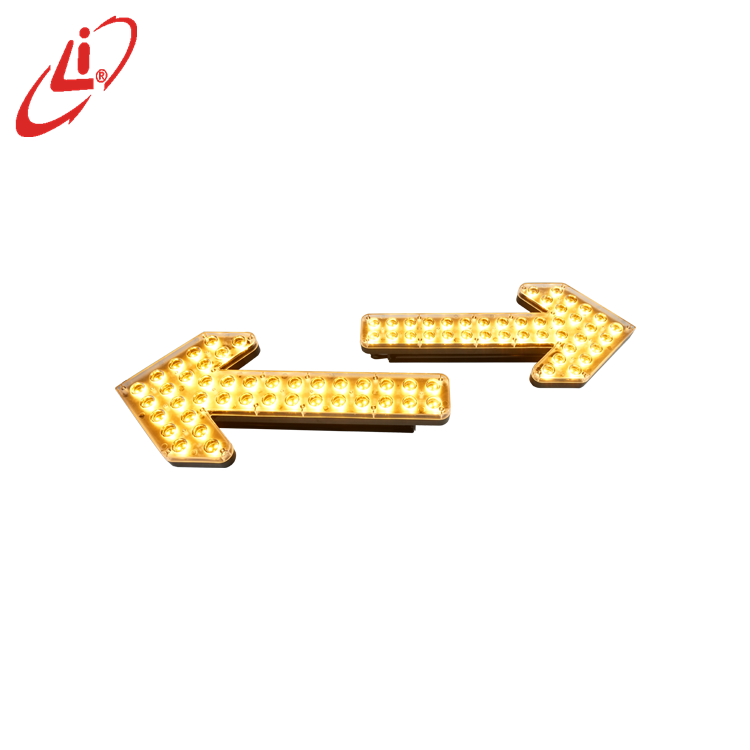
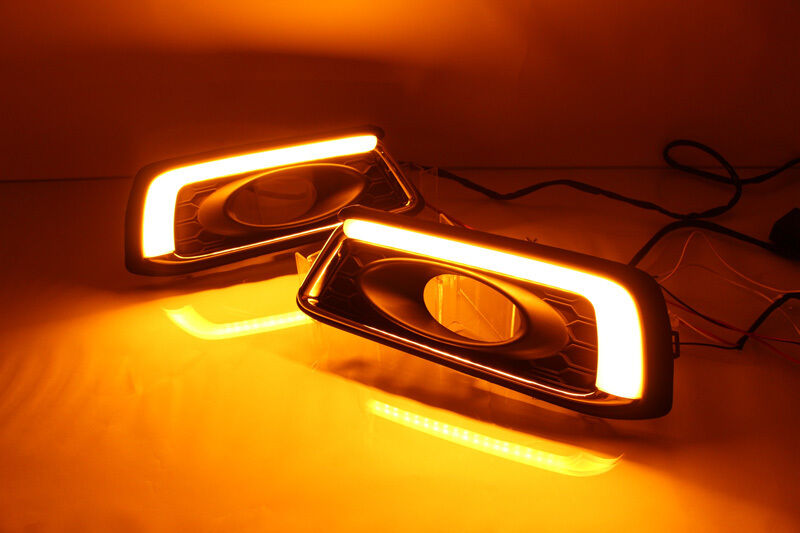
Sourcing automotive turn signals requires balancing photometric compliance, vehicle integration, and unit cost. The shift from legacy halogen bulbs to integrated LED and sequential turn signals has fundamentally changed the manufacturing landscape. Buyers are no longer just sourcing molded plastic and filaments; they are procuring complex electronic assemblies that must survive high vibration, extreme temperature fluctuations, and strict regulatory scrutiny.
Technical Specifications and Component Quality
The reliability of a turn signal assembly is determined long before final assembly. When dealing with contract manufacturers, specifying the exact bill of materials (BOM) is critical to avoiding premature field failures.
Key components to specify include:
- Light Source: For LED units, specify the chip brand (e.g., OSRAM, CREE, or Epistar) and the binning tolerance to ensure color consistency (strictly amber/yellow per regional regulations).
- Lens Material: Polycarbonate (PC) is standard for impact resistance, but it must be treated with a UV-resistant coating to prevent yellowing and micro-cracking over time. PMMA (acrylic) offers better light transmission but shatters more easily under impact.
- Thermal Management: High-output LED signals require aluminum PCBs (Printed Circuit Boards) rather than standard fiberglass FR4 to dissipate heat efficiently and prevent lumen depreciation.
| Technology | Luminous Efficacy | Typical Lifespan | Primary Sourcing Challenge |
|---|---|---|---|
| Halogen Assembly | 15-25 lm/W | 1,000 hrs | Vibration resistance & socket corrosion |
| Standard LED | 70-100 lm/W | 30,000 hrs | CAN bus integration & heat dissipation |
| Sequential LED | 80-120 lm/W | 50,000 hrs | Microcontroller durability & sealing |
Navigating component specifications and factory capabilities? Let us help you align your technical requirements with the right manufacturer.
Talk to our teamManufacturing Tolerances and Quality Control
Turn signals are highly exposed to the elements. Moisture ingress is the leading cause of warranty claims. On the factory floor, the sealing process is where quality is won or lost.
Factories utilizing automated ultrasonic welding or robotic silicone dispensing generally achieve consistent IP67 or IP68 ratings. Manual gluing processes are prone to human error and lead to high defect rates. Implementing strict Quality Control & Inspection protocols during production is essential to catch sealing defects before they are shipped.
Critical Pre-Shipment Inspection Points
- Waterproof testing: Submersion or vacuum leak testing to verify IP67/IP68 ratings.
- Photometric testing: Goniophotometer testing to confirm light distribution meets DOT or ECE standards.
- Electrical integration: Testing for built-in load resistors to prevent hyper-flashing on CAN bus systems.
- Thermal cycling: Rapid temperature change tests to identify weak solder joints or lens delamination.
Furthermore, regulatory compliance is non-negotiable. Depending on your target market, the factory must be capable of producing signals that meet FMVSS 108 (DOT/SAE) for North America or ECE regulations (E-Mark) for Europe. Leveraging professional Compliance & Testing services ensures your shipments won't be held up at customs or face costly recalls.
Buying Mechanics: MOQs, Lead Times, and Pricing
Pricing for turn signals varies heavily based on the complexity of the internal electronics, the quality of the raw materials, and the level of customization. Off-the-shelf universal designs offer lower barriers to entry, while custom vehicle-specific housings require significant tooling investments.
If you are developing a proprietary design or a private-label line, utilizing dedicated OEM/ODM Services ensures your intellectual property is protected and the factory's engineering team correctly interprets your CAD files.
Need to negotiate better MOQs or manage complex tooling arrangements? Our sourcing experts can streamline your purchasing strategy.
Get a free consultationFrequently Asked Questions
Successfully sourcing automotive turn signals at scale requires moving beyond unit price and focusing on electronic reliability, material durability, and strict regulatory adherence. Partnering with a specialized sourcing team ensures your supply chain is resilient, compliant, and cost-effective from the factory floor to your warehouse.
Get Sourcing Help for Turn Signals
Tell us your requirements and our experts will connect you with verified manufacturers.