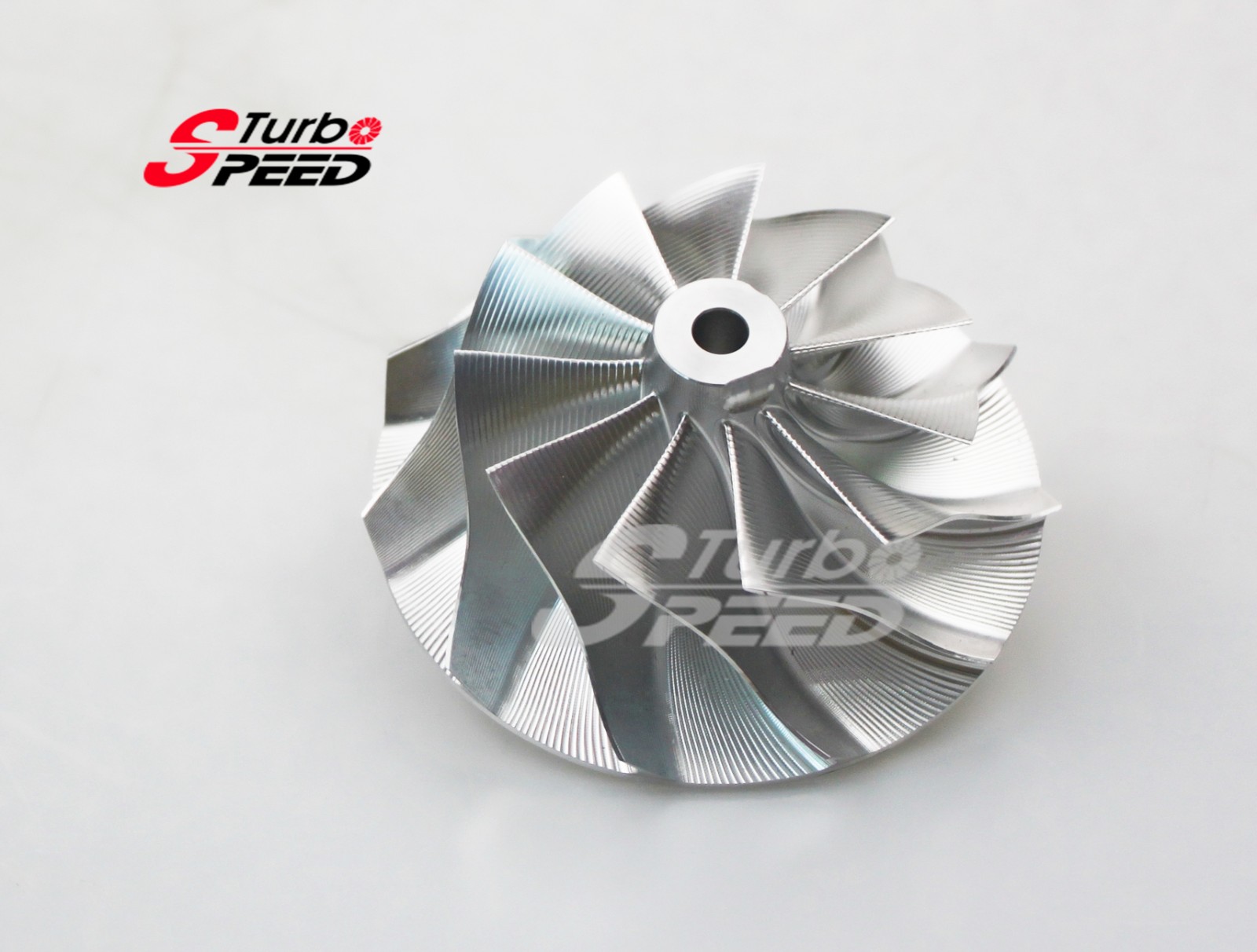
Tuning Engine Systems
Source high-performance tuning engine systems directly from vetted manufacturers and suppliers. Designed for automotive parts importers, wholesale distributors, and performance brands seeking OEM or private-label production. Secure reliable bulk pricing on precision-engineered components built to exacting tolerances.
Sourcing tuning engine systems requires navigating a supply chain where microscopic variances in machining or heat treatment dictate whether a component adds horsepower or causes catastrophic failure. For importers, distributors, and performance brands buying in volume, the primary challenge is identifying factories capable of holding aerospace-level tolerances while scaling production cost-effectively.
Material Selection and Metallurgical Integrity
Performance parts live and die by their alloy composition. Specifying generic "steel" or "aluminum" to a factory is a recipe for failure. You must define the exact metallurgical standard, the forming process, and the required heat treatments. Factories that specialize in the aftermarket tuning sector will typically offer distinct tiers of material grades based on your target horsepower and retail price point.
| Component Type | Standard Aftermarket | High-Performance Grade |
|---|---|---|
| Connecting Rods | 5140 Forged Steel | 4340 Chromoly Steel (H-Beam/I-Beam) |
| Intake Manifolds | Cast Aluminum | CNC Billet 6061-T6 Aluminum |
| Valve Springs | Standard Silicon Steel | Kobe Super Clean Chrome Silicon |
| Fasteners & Studs | 8740 Chromoly | H11 Tool Steel or Custom Age 625+ |
When drafting your purchase orders, require material test reports (MTRs) for every batch. Without verifiable traceability, you cannot guarantee the structural integrity of the internals you are distributing.
Need to identify factories capable of verified 5-axis CNC machining and certified metallurgy?
Talk to our teamMachining Tolerances and Factory Floor Validation
A factory's capability is proven in its metrology lab, not just its machine shop. When evaluating a supplier for engine systems, look for in-house coordinate measuring machines (CMM), surface roughness testers, and dynamic balancers.
If you are developing custom profiles—such as a proprietary camshaft lift and duration—you need robust OEM/ODM Services that include strict non-disclosure agreements and clear tooling ownership clauses. The validation process must be rigorous before mass production begins.
Pre-Shipment Metrology & Validation Checklist
- Dimensional accuracy verified via CMM to within +/- 0.005mm.
- Rockwell Hardness (HRC) testing post-heat treatment.
- Magnetic particle inspection (MPI) or X-ray for micro-cracks in forged parts.
- Dynamic balancing certification for rotating assemblies (crankshafts, pulleys).
- Surface finish (Ra) verification on bearing journals.
To avoid shipping defective batches that could lead to catastrophic engine failure for the end-user, rigorous Quality Control & Inspection must be implemented before the parts leave the facility. Third-party inspectors should verify the factory's internal testing data against your exact specifications.
Production Lead Times, MOQs, and Tooling Costs
High-performance engine components rarely sit on a shelf waiting for a buyer. Production is typically made-to-order, especially for private-label brands requiring custom branding or specific performance profiles.
Pricing is highly sensitive to raw material indices—especially for titanium and high-grade chromoly—and the complexity of the CNC toolpaths.
When negotiating with suppliers, factor in the cost of custom dies for forging or casting molds. For CNC billet parts, tooling costs are minimal, but the per-unit cost and machining time are significantly higher. Ensure your supplier contract clearly outlines who owns the molds and CNC programs once the development phase is complete.
Optimize your production schedules and negotiate better tooling terms with vetted automotive suppliers.
Get a free consultationFrequently Asked Questions
Success in the auto performance aftermarket hinges on consistent, reliable quality. A single bad batch of forged internals or a poorly calibrated tuning module can destroy an engine and a brand's reputation. By partnering with technically capable manufacturers and enforcing strict metallurgical standards, you can scale your product line safely and profitably.
Get Sourcing Help for Tuning Engine Systems
Tell us your requirements and our experts will connect you with verified manufacturers.