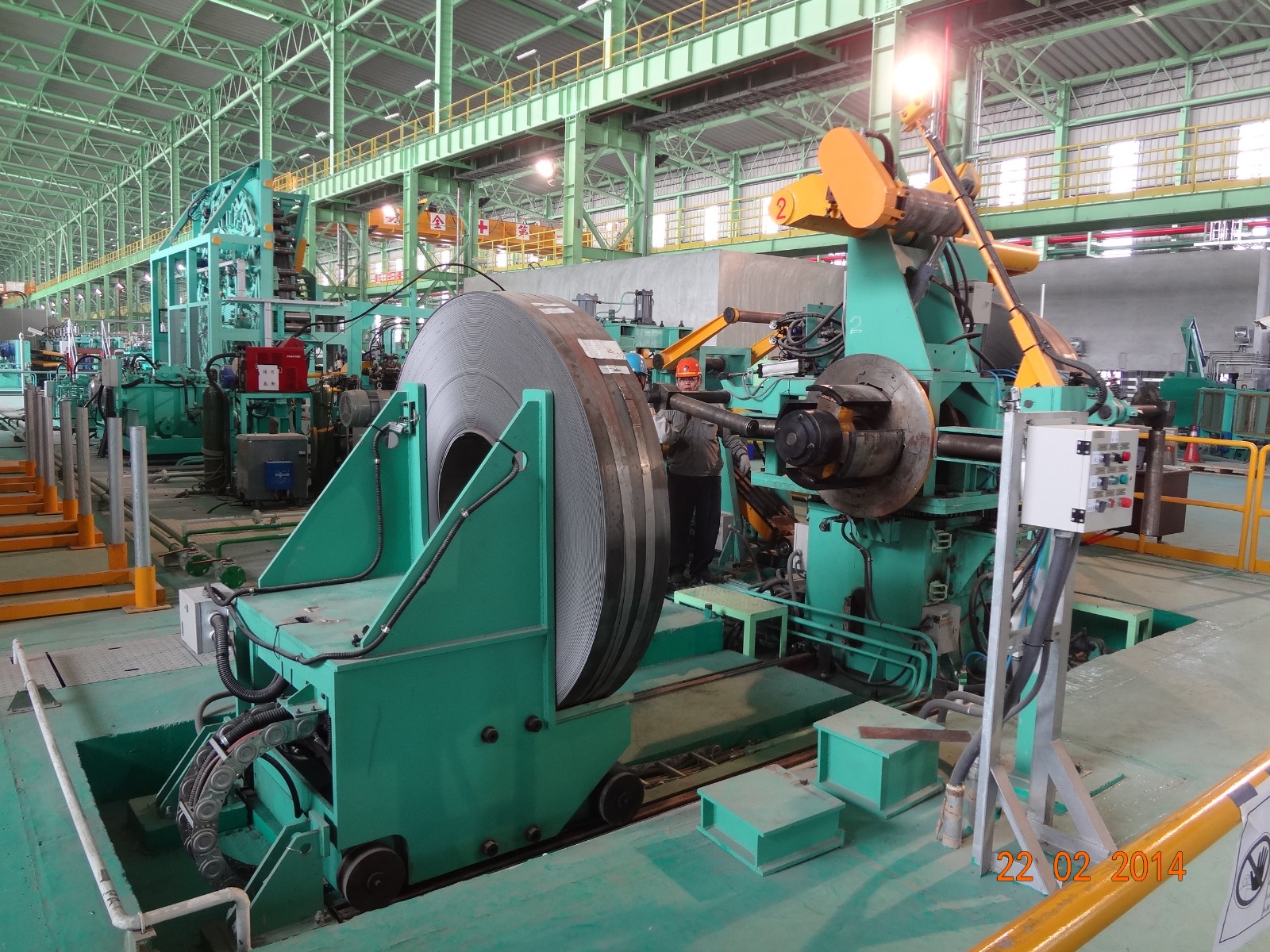
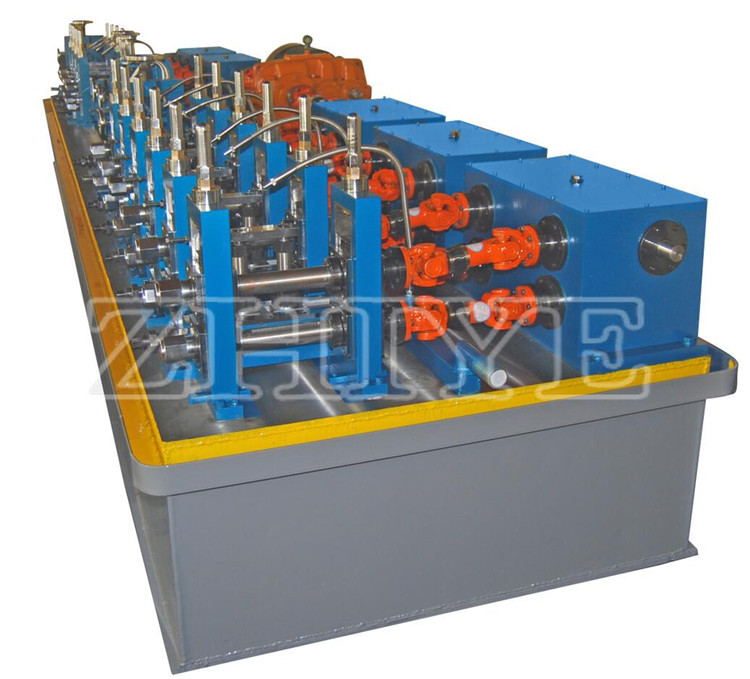
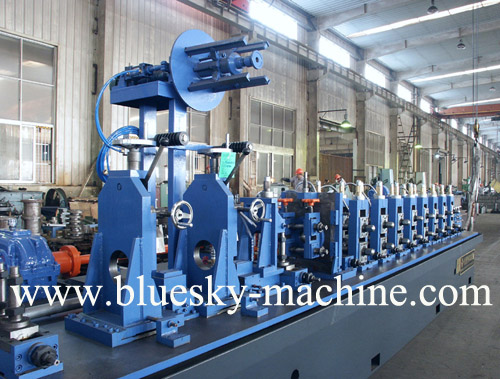
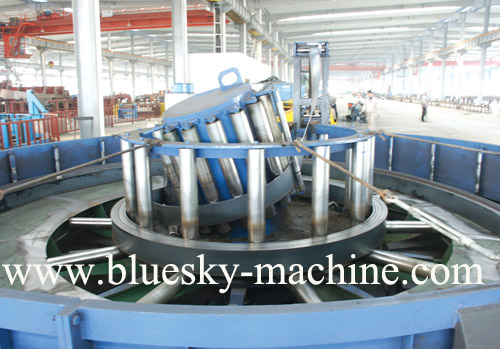
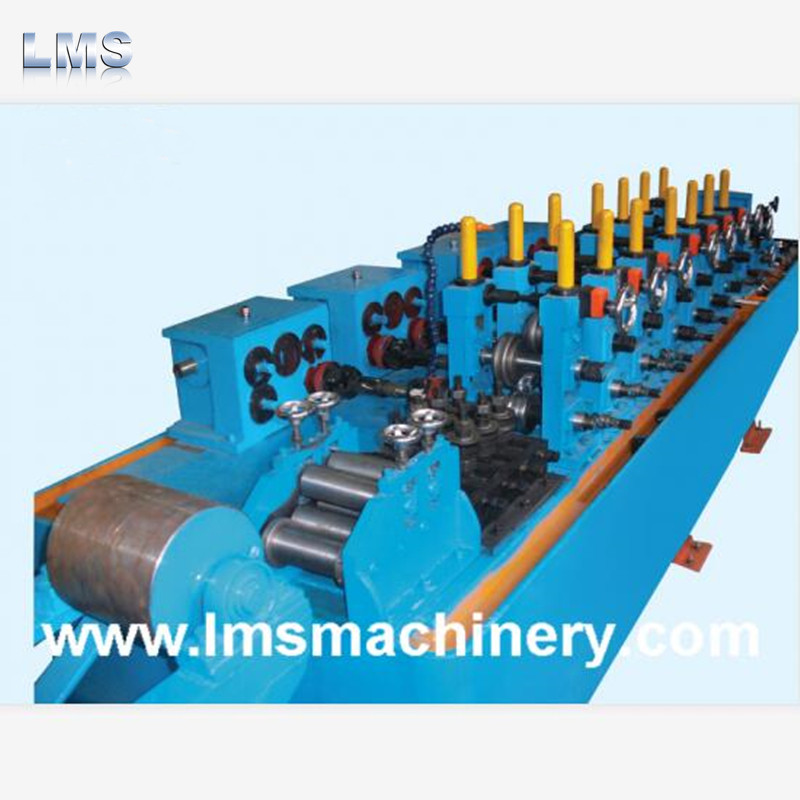
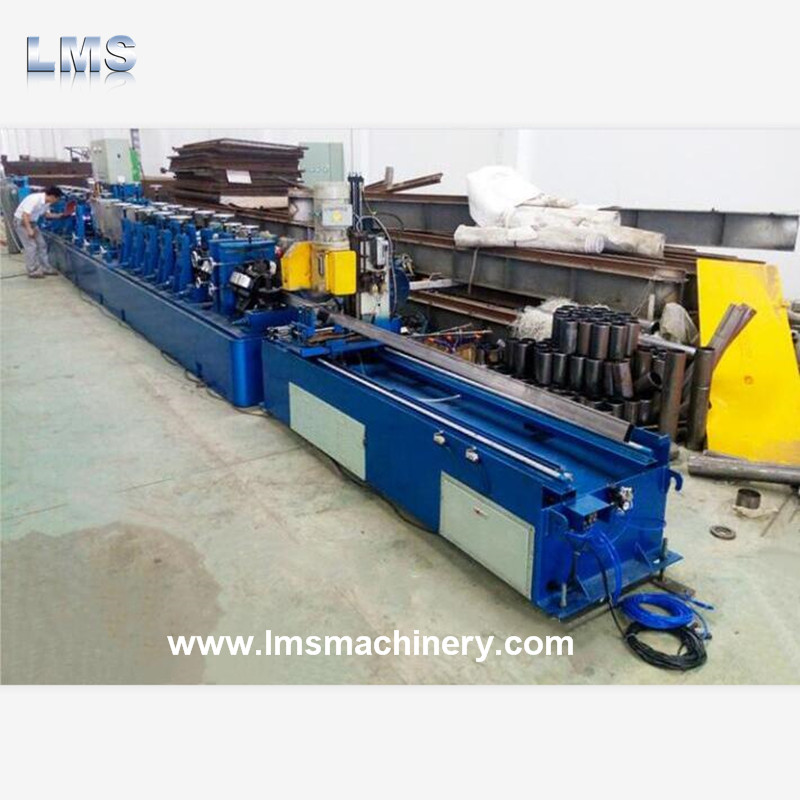
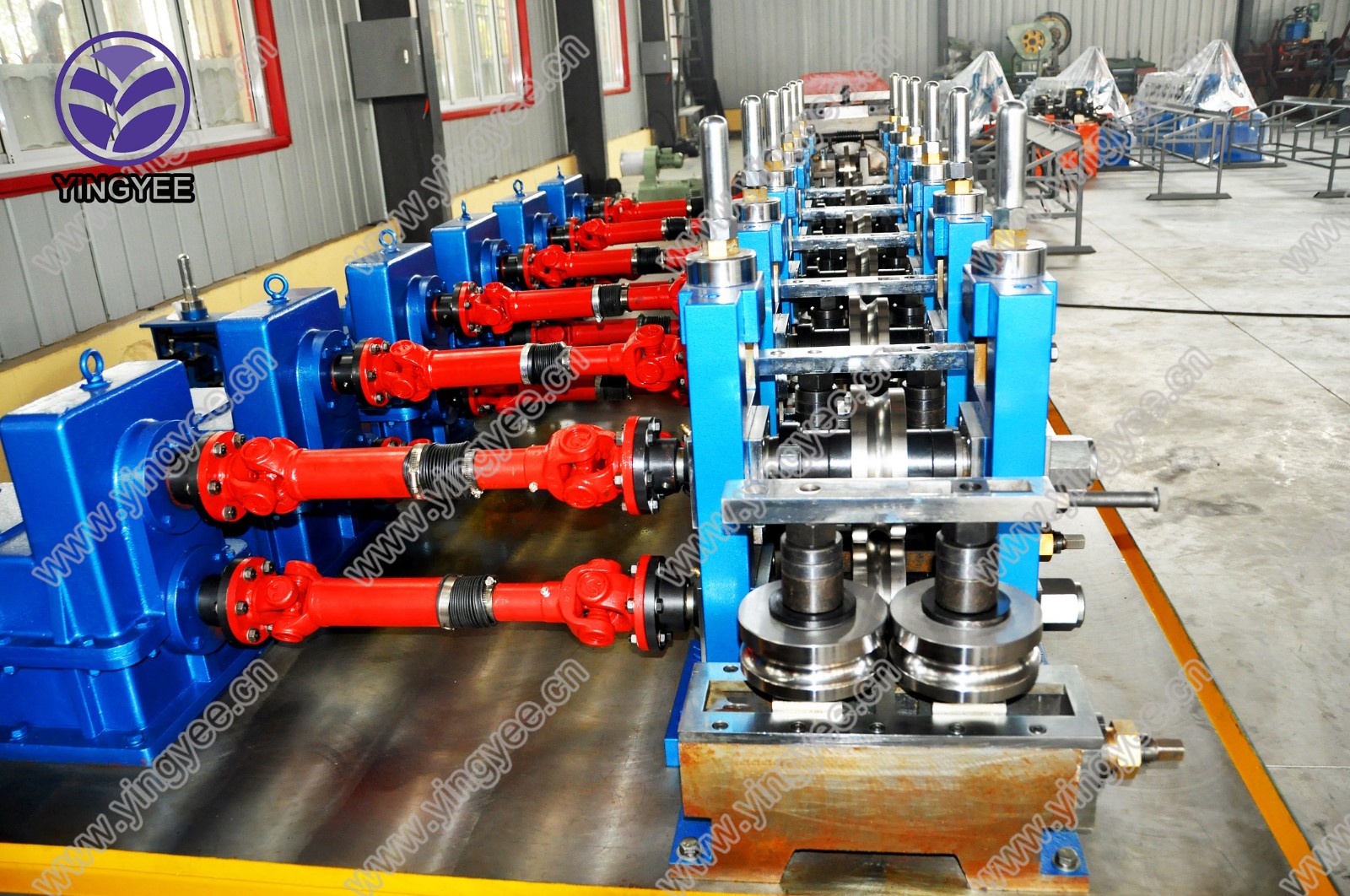
Tube Mill Lines
Source industrial-grade tube mill lines from vetted manufacturers and suppliers in Asia. Designed for procurement managers, distributors, and manufacturing facilities looking to import reliable ERW and TIG pipe-making machinery. Secure high-yield production, precise wall thickness control, and seamless installation.
Sourcing a complete tube mill line is a major capital expenditure that demands rigorous technical vetting. The difference between a high-efficiency production line and a maintenance nightmare lies in the precision of the roll tooling, the stability of the welding unit, and the reliability of the control systems. When importing heavy machinery, ensuring the supplier has the actual engineering capability—rather than just assembly skills—is critical to your operational uptime.
Core Specifications to Define
Before approaching manufacturers, your production requirements must be translated into exact machinery specifications. Tube mill lines are highly customized based on the target output, and over-specifying can inflate costs just as under-specifying can limit your market reach.
When defining your requirements, focus on these primary parameters:
- Outer Diameter (OD) and Wall Thickness: These dictate the structural rigidity required for the entire line. A mill designed for a maximum of 3mm wall thickness will suffer premature bearing and shaft failure if pushed to 4mm.
- Material Yield Strength: The forming section must be engineered for the specific tensile strength of your steel coil. High-strength carbon steel requires significantly more robust shafts and motor power than standard mild steel.
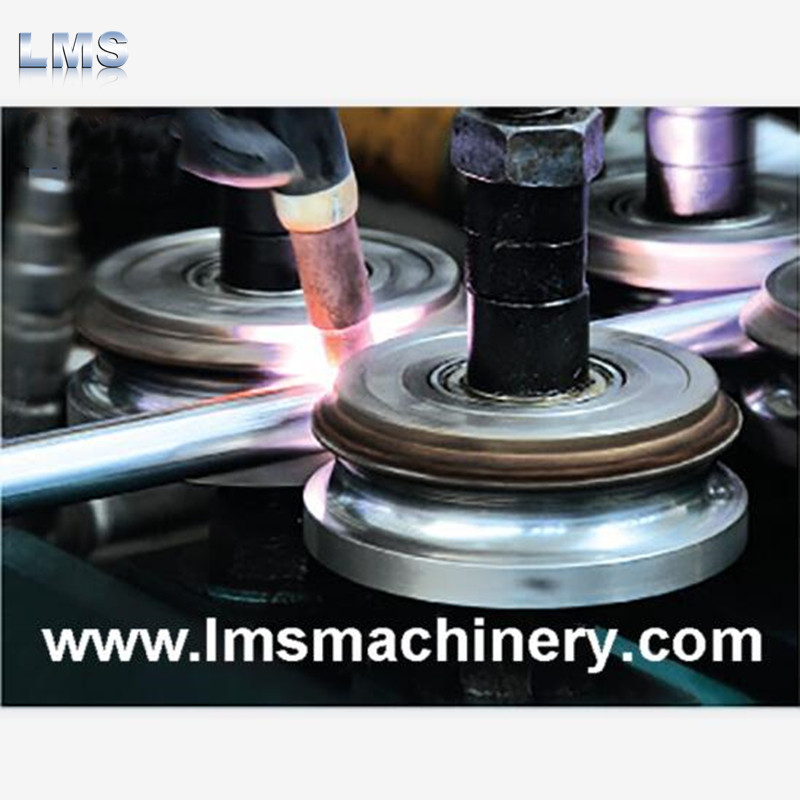
- Welding Technology: High-Frequency (HF) Solid State ERW is standard for carbon steel, offering high speeds. For stainless steel, TIG, Plasma, or Laser welding is required to prevent oxidation and ensure a pristine weld seam.
Evaluating Machinery Manufacturers
The Asian market is crowded with machinery suppliers, ranging from premium engineering firms to low-tier assemblers using substandard components. Verifying the factory's in-house machining capabilities is essential. Engaging in rigorous Factory Audits helps confirm whether a supplier CNC-machines their own roll tooling and shafts, or outsources them to unverified third parties.
| Component | Standard / Budget Line | Premium / Export-Grade Line |
|---|---|---|
| Drive Motors | Domestic generic brands | Siemens, ABB, or WEG |
| PLC & Controls | Local clones, limited English UI | Siemens, Yaskawa, Allen-Bradley |
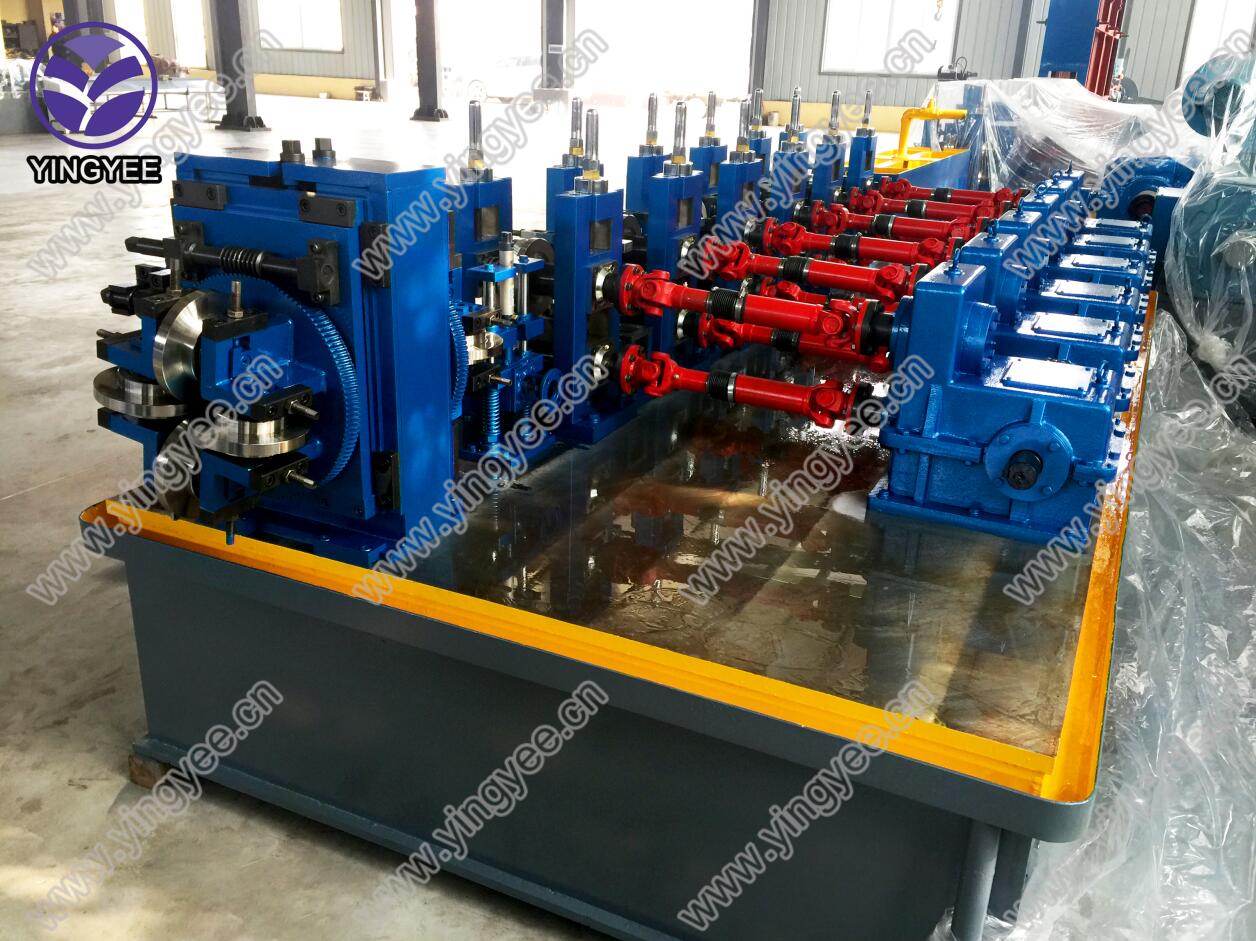
| Roll Tooling Material | GCr15 (Bearing Steel) | Cr12MoV or SKD11 (Forged & CNC Machined) |
| Shaft Material | 45# Steel | 40Cr, quenched and tempered |
Need to verify a machinery manufacturer's technical capabilities before placing a deposit? Our engineering team can evaluate their facility on the ground.
Talk to our teamThe Factory Acceptance Test (FAT)
You should never authorize the final balance payment or allow a tube mill line to be packed for shipping without a successful Factory Acceptance Test (FAT). This involves running the machine at the manufacturer's facility using your exact coil material specifications.
Material Preparation
Supply the factory with the exact grade and thickness of steel coil you intend to run in production.
Continuous Run Test
Operate the line continuously for several hours at the target speed (e.g., 80 m/min) to monitor motor temperatures and drive stability.
Weld Seam Inspection
Perform destructive testing (flattening or flaring tests) on the produced pipe to ensure the HF welder is performing correctly.
Dimensional Verification
Measure the final pipe's OD, wall thickness, and straightness against your required tolerances.
Integrating professional Quality Control & Inspection during the FAT ensures that any alignment issues, software bugs, or tooling imperfections are corrected while the machine is still on the factory floor.
Logistics, Installation, and Commissioning
Shipping a tube mill line is complex. A standard line often requires multiple 40HQ containers, while larger mills (producing pipes over 114mm OD) may require Open Top or Flat Rack containers for the oversized forming sections and accumulators. Coordinating this requires specialized Shipping & Freight expertise to manage heavy-lift loading and secure lashing to prevent transit damage.
Installation Planning Checklist
- Confirm foundation drawings and complete civil works before shipment arrives.
- Ensure adequate industrial power supply and cooling water systems are in place.
- Negotiate the supplier's commissioning terms (buyer typically covers flights, visas, and a daily engineering rate).
- Request English-language electrical schematics and operation manuals in advance.
Managing the procurement, FAT, and heavy-freight logistics for industrial machinery is complex. Let us help you streamline the entire import process.
Get a free consultationFrequently Asked Questions
Importing a tube mill line requires balancing capital efficiency with long-term reliability. By strictly defining your component requirements, enforcing a rigorous FAT, and partnering with experienced sourcing professionals, you can secure machinery that delivers consistent yield and a rapid return on investment.
Get Sourcing Help for Tube Mill Lines
Tell us your requirements and our experts will connect you with verified manufacturers.