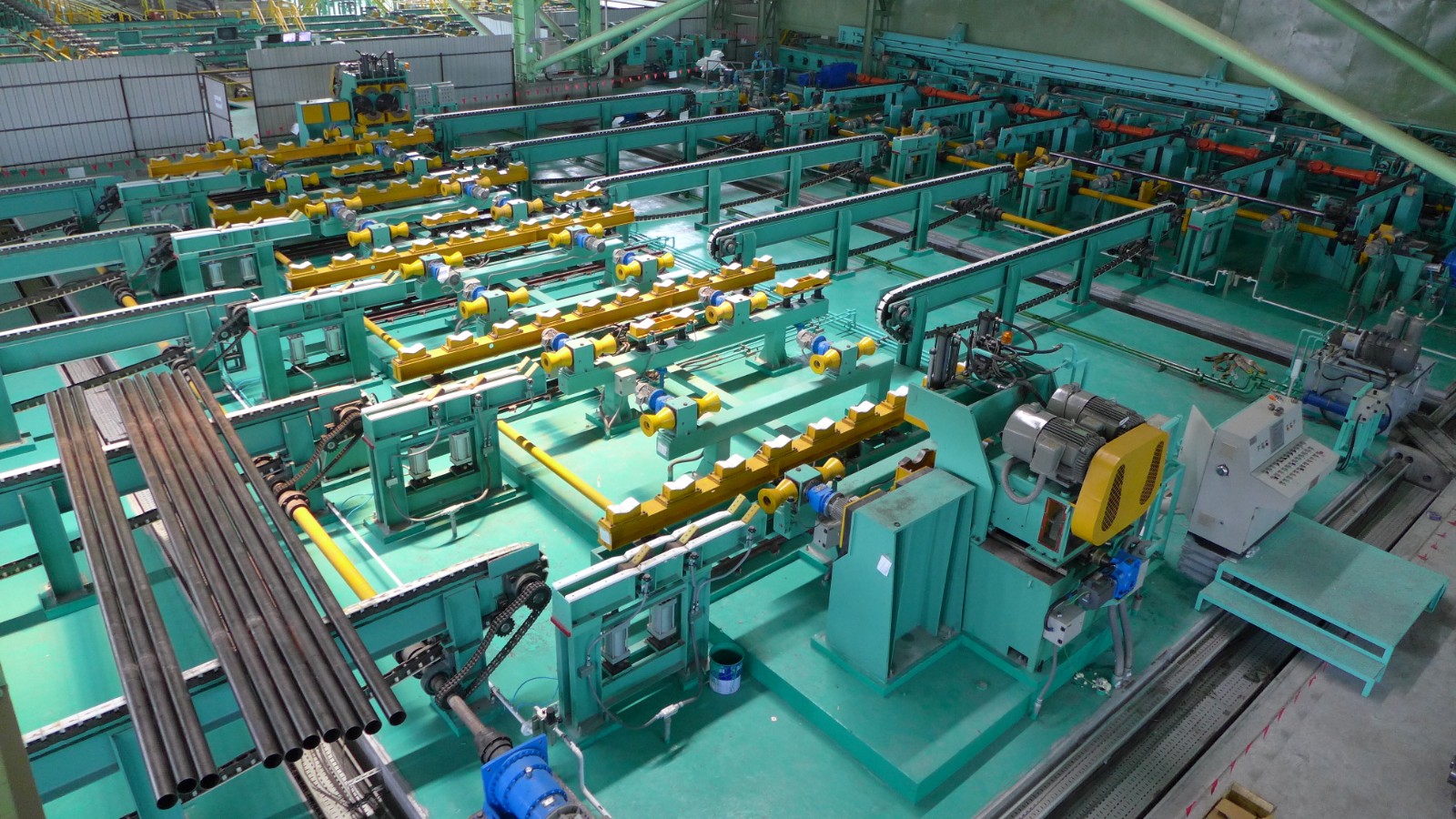
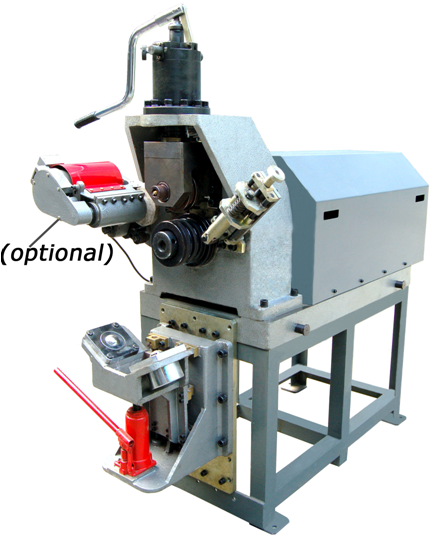
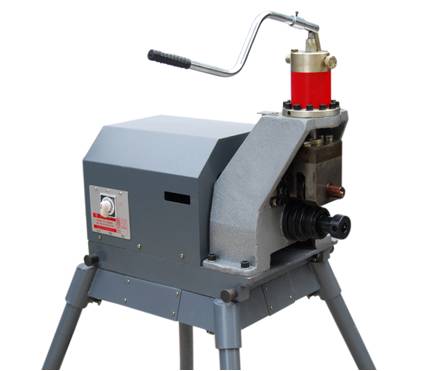
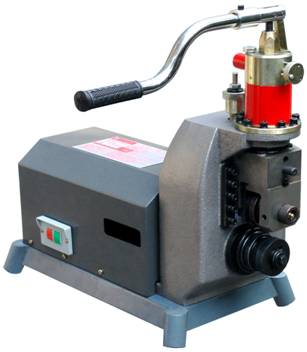
Tube End Forming Machines
Source industrial-grade Tube End Forming Machines from vetted manufacturers and suppliers. Designed for importers, wholesalers, and OEM brands requiring high-volume production, our verified factory network delivers precision machinery for flaring, reducing, and expanding applications at competitive wholesale prices.
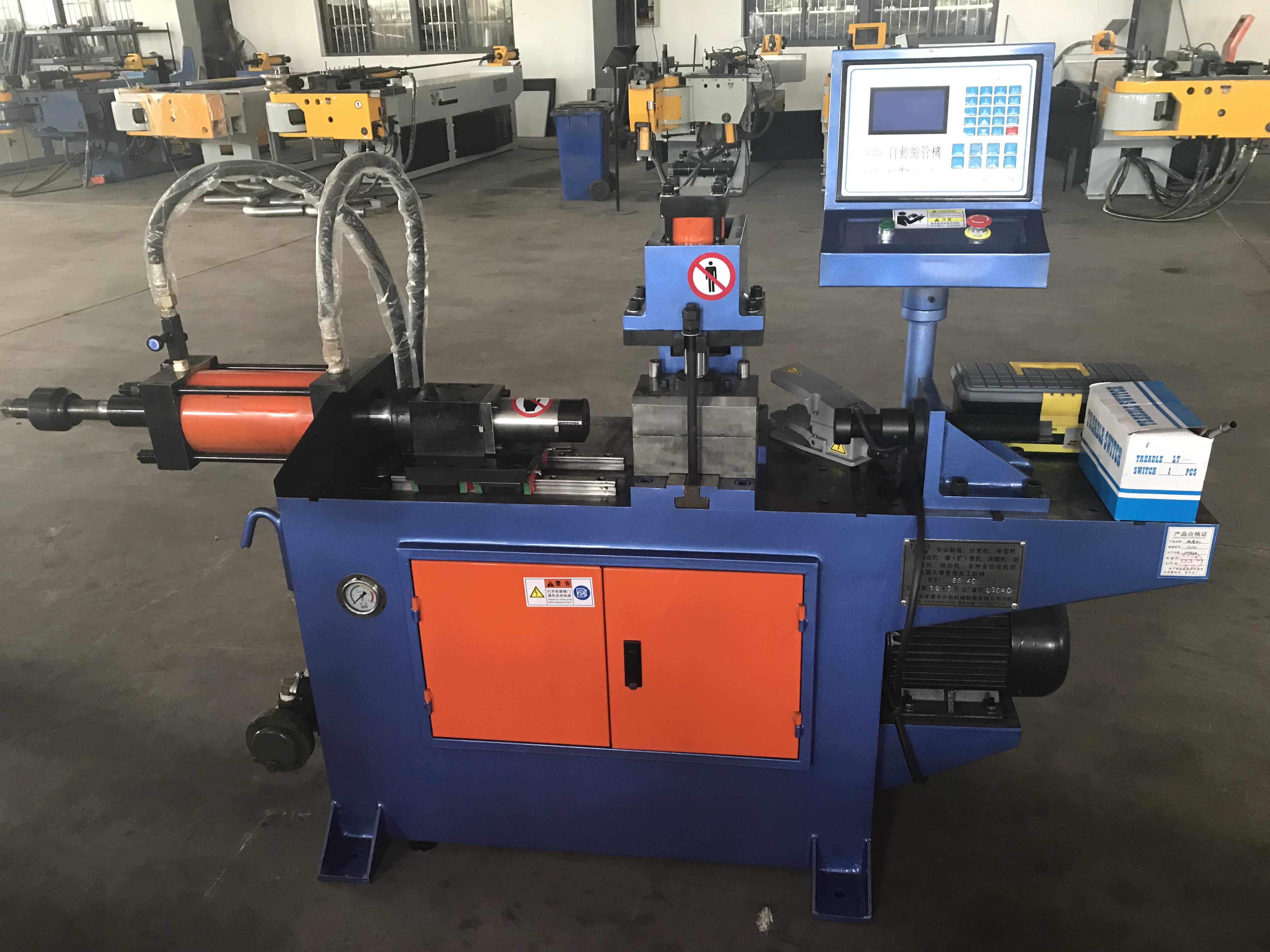
Procuring tube end forming machines requires balancing cycle time efficiency with strict repeatability tolerances. Whether you are sourcing hydraulic units for standard flaring and reducing, or multi-station CNC machines for complex automotive exhaust profiles, the primary challenge lies in verifying a manufacturer's machining precision and component sourcing. A machine is only as reliable as its hydraulic manifold, frame rigidity, and control system.
Key Specifications for Tube End Forming Equipment
Specifying the right equipment requires aligning the machine's capabilities with your target tube materials (carbon steel, stainless steel, copper, or aluminum) and wall thicknesses. Over-specifying tonnage wastes capital, while under-specifying leads to premature hydraulic failure and out-of-tolerance parts.
When negotiating with suppliers, clearly define the actuation method. Hydraulic machines offer high, consistent force for thick-walled stainless steel, while servo-driven (CNC) units provide superior precision, energy efficiency, and faster changeovers for complex, multi-stage forming.
Need help verifying technical specifications with Chinese machine tool builders? Our engineering team can translate your requirements into precise factory mandates.
Discuss your machine specsFactory Floor Realities: Where Quality is Won or Lost
Not all machinery assemblers have the in-house machining centers required to produce rigid machine frames and precise tooling mounts. Frame rigidity directly impacts tool wear and the concentricity of the finished tube end. A poorly cast or inadequately heat-treated frame will flex under high tonnage, leading to asymmetrical flares or off-center reductions.
Critical Inspection Points for End Forming Machines
- Spindle and tooling mount concentricity (must be under 0.02mm runout).
- Hydraulic system origins (look for recognized brands like Rexroth or Yuken to prevent seal leaks).
- PLC and HMI reliability (Delta, Siemens, or Mitsubishi controllers are industry standard).
- Thermal treatment of the machine bed to prevent deformation under continuous load.
Before placing a volume order or committing to a custom tooling setup, conducting rigorous Factory Audits is essential. You need to confirm that the supplier actually machines their own critical components rather than just assembling off-the-shelf parts in a basic workshop.
Pricing Drivers, MOQs, and Lead Times
Because these are capital equipment purchases, the Minimum Order Quantity (MOQ) is typically 1 unit. However, pricing varies drastically based on the control system, number of forming stations, and the inclusion of automated loading/unloading systems.
| Machine Type | Typical Lead Time | Primary Cost Drivers |
|---|---|---|
| Single-Station Hydraulic | 25 - 40 Days | Hydraulic cylinder capacity, frame weight |
| Multi-Station CNC | 45 - 60 Days | Servo motors, CNC controller brand, tooling complexity |
| Automated Workcells | 60 - 90 Days | Robotic integration, custom software, safety enclosures |
Custom tooling for proprietary tube profiles will extend lead times by 10 to 15 days. Always mandate comprehensive Quality Control & Inspection before the machine is crated. This should include a factory acceptance test (FAT) running your specific tube material for at least 50 continuous cycles to verify thermal stability and tolerance adherence. Once cleared, coordinating heavy machinery Shipping & Freight requires specialized flat-rack or reinforced container loading to prevent transit damage.
Avoid costly equipment delays and quality failures. Let us manage the supplier vetting, FAT execution, and freight logistics for your machinery imports.
Talk to our sourcing teamFrequently Asked Questions
Sourcing industrial tube end forming machines requires looking past the spec sheet to evaluate the manufacturer's engineering depth and component supply chain. By enforcing strict factory acceptance tests and verifying core components, you ensure your production line stays operational and profitable. If you are ready to source high-performance machinery without the typical cross-border friction, our team is here to manage the process from the factory floor to your facility.
Get Sourcing Help for Tube End Forming Machines
Tell us your requirements and our experts will connect you with verified manufacturers.