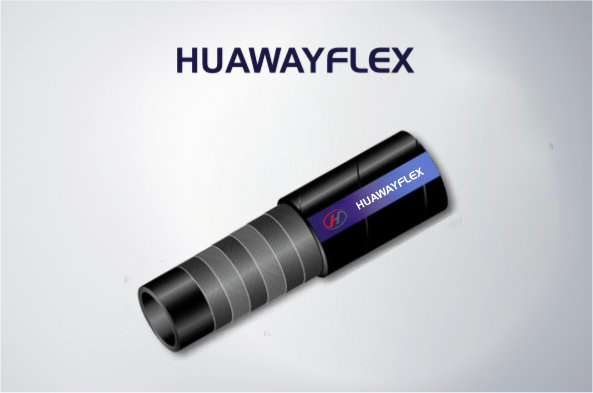
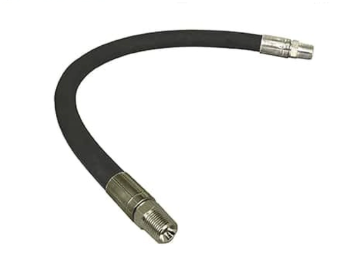
Tube Assemblies
Source high-quality tube assemblies from vetted manufacturers and suppliers in China and across Asia. Designed for automotive parts importers, wholesale distributors, and OEM brands buying in bulk, our network delivers reliable production for custom and standard specifications.
Automotive tube assemblies handle critical fluid, air, and exhaust routing across vehicle platforms. The primary challenge when sourcing these components in volume is not simply finding a factory with a CNC bender. The real difficulty lies in ensuring consistent wall thickness during tight-radius bends, maintaining precise end-form geometries, and guaranteeing leak-free welds across thousands of units.
When you import tube assemblies, managing the technical specifications and factory-level quality control dictates whether your shipment integrates seamlessly on the assembly line or results in costly rework.
Defining Technical Specifications for Production
To get accurate pricing and avoid production delays, your technical drawing or RFQ must specify exact parameters. Factories need more than just the outer diameter (OD) and material type to program their CNC tube benders and end-forming machines.
- Bend Radii and Wall Thinning: Specify the centerline radius (CLR). Tight bends often cause the outer wall to thin and the inner wall to wrinkle. You must define the acceptable percentage of wall thinning (typically under 15 percent for exhaust, stricter for high-pressure fluid lines).
- End Forming: Clearly define whether the ends require flaring, beading, expanding, or reducing. The tolerances here are critical for mating with hoses, clamps, or threaded fittings.
- Material Grades: Standard carbon steel, aluminized steel, 304/316 stainless steel, and aluminum alloys all behave differently during bending. Ensure the factory has experience with your specific material grade to avoid springback issues.
| Material Grade | Common Applications | Manufacturing Challenge |
|---|---|---|
| Aluminized Steel | Exhaust routing, structural supports | Weld seam corrosion if the coating is burned away during high-heat welding. |
| 304 / 316 Stainless | High-performance exhaust, EGR tubes | High springback rate requires precise CNC over-bending calculations. |
| 6061 Aluminum | Intake tubes, cooling lines | Prone to wrinkling on the inner radius; requires mandrel bending. |
Manufacturing Process and Quality Control
The difference between a reliable supplier and a risky one is evident on the factory floor. High-volume tube assembly production relies heavily on rotary draw bending, often using a mandrel inside the tube to prevent collapse.
When evaluating a manufacturer, you must look at their tooling maintenance and inspection protocols. Worn wiper dies or improperly lubricated mandrels lead to scoring on the inner tube walls, which can restrict flow or create stress risers.
Critical Factory Quality Checks for Tube Assemblies
- Verify CNC bending machine calibration for springback compensation.
- Check for mandatory mandrel use on bends with a CLR of less than 2x the tube OD.
- Inspect automated or robotic TIG/MIG welding stations for consistent penetration.
- Ensure end-form go/no-go gauges are used inline, not just at final inspection.
- Confirm testing protocols for pressure lines (e.g., hydrostatic or pneumatic leak testing).
Catching defects after the assemblies have been packed and shipped is a costly mistake. Implementing rigorous quality control procedures, including in-line inspections and pre-shipment dimensional checks using coordinate measuring machines (CMM) or specialized checking fixtures, is essential for automotive tolerances.
Struggling with inconsistent bend geometries or leaking welds from your current supplier? Let us evaluate your technical drawings and match you with a vetted manufacturer capable of meeting your tolerances.
Talk to our teamMOQs, Tooling, and Pricing Realities
Pricing for tube assemblies is driven by material costs, the complexity of the bends (number of bends per part), and the required end fittings. Because CNC benders require specific die sets for every combination of OD and bend radius, tooling costs are a standard part of the sourcing process.
If your design requires a non-standard bend radius, the factory will need to machine custom tooling, which you will typically pay for upfront. To minimize tooling costs, experienced buyers often standardise their bend radii across multiple product lines wherever possible. If you are developing a new product line, leveraging professional OEM/ODM services can help optimize your design for manufacturability before tooling begins.
Need help negotiating tooling costs or managing a complex multi-part assembly order? Our sourcing experts can streamline your supply chain from factory floor to final delivery.
Get a free consultationSourcing tube assemblies in volume requires strict attention to mechanical tolerances and manufacturing processes. By clearly defining your specifications, standardizing tooling where possible, and enforcing rigorous inspection protocols—or utilizing factory audits to verify supplier capabilities upfront—you can secure reliable, high-quality components that keep your assembly lines running smoothly.
Get Sourcing Help for Tube Assemblies
Tell us your requirements and our experts will connect you with verified manufacturers.