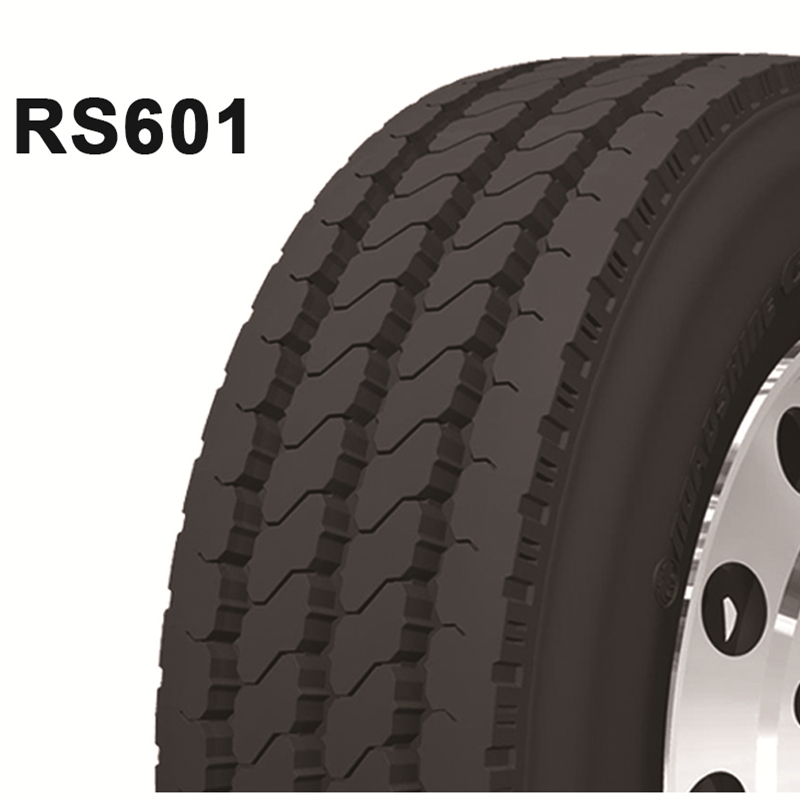
Truck Tires
Source commercial-grade truck tires from vetted manufacturers and wholesale suppliers. Designed for importers, fleet distributors, and brands seeking reliable OEM and private-label production, this catalog connects you with factories capable of high-volume manufacturing. Ensure compliance and performance with direct-from-factory sourcing.
Sourcing commercial truck tires at scale requires balancing unit cost with operational longevity and strict regulatory compliance. For bulk buyers, the difference between a high-performing tire and a blowout risk lies deep in the factory's compounding chemistry, steel cord calendering, and curing precision. Relying solely on a supplier's spec sheet is risky; successful procurement demands a rigorous approach to factory validation, quality control, and logistics management.
Technical Specifications & Construction
When sourcing Truck and Bus Radial (TBR) tires, the application dictates the required specifications. A tire designed for long-haul highway use will fail quickly in a mixed-service or regional application.
Buyers must specify the exact load index, ply rating (PR), and tread depth required for their target market. For heavy-duty applications, 16PR to 20PR (Ply Rating) structures are standard, utilizing all-steel casing construction to allow for multiple retreads.
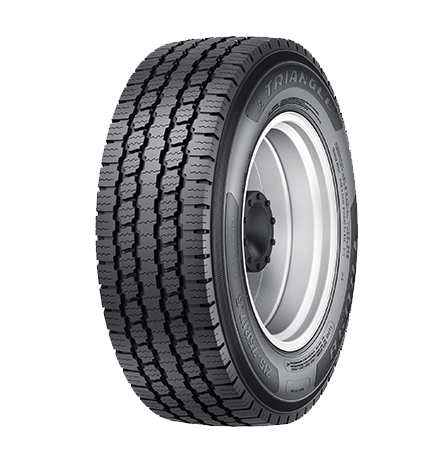
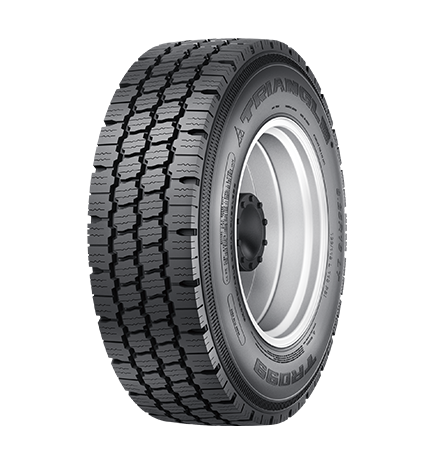
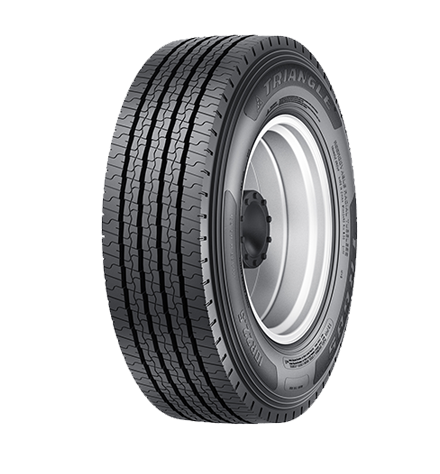
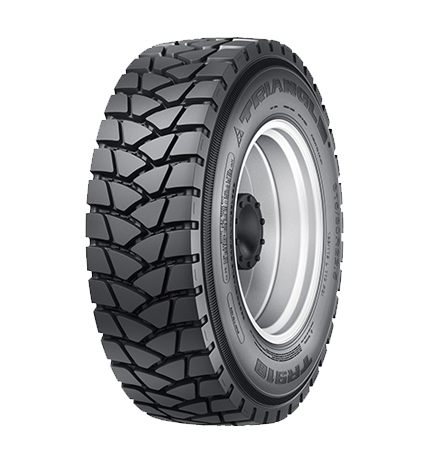
| Axle Position | Typical Tread Pattern | Compound Focus | Primary Performance Metric |
|---|---|---|---|
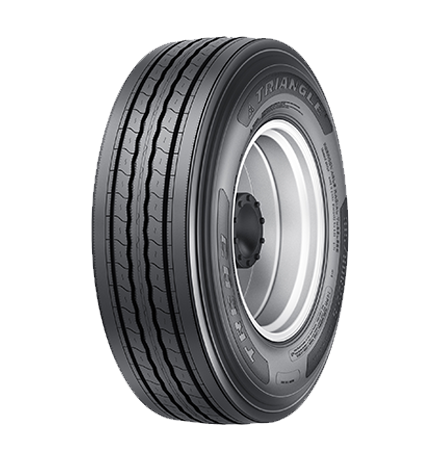
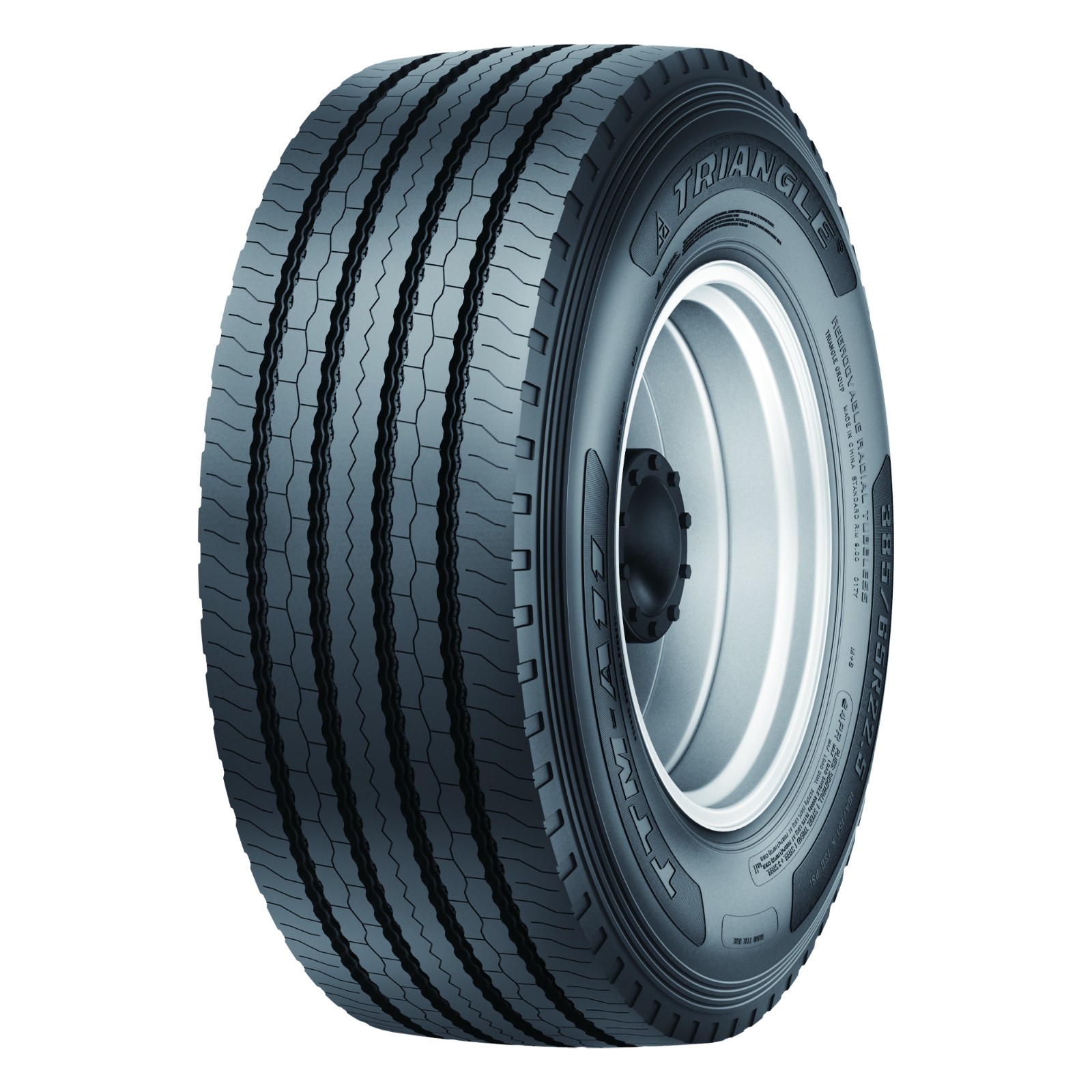
| Steer | Ribbed (straight grooves) | Anti-irregular wear | Handling & steering stability |
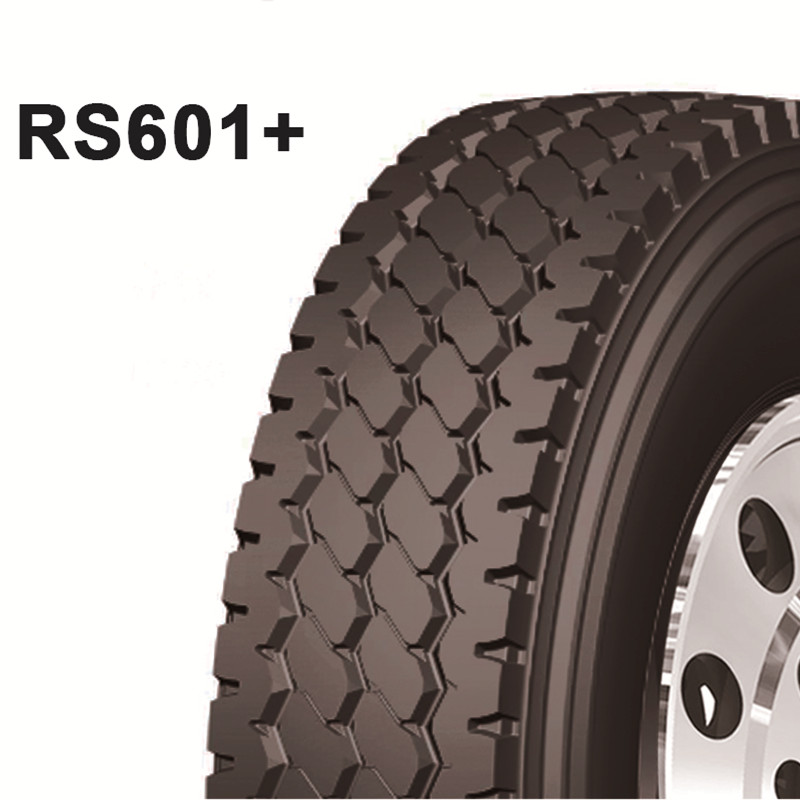
| Drive | Lug or block | High traction & cut resistance | Grip & torque transfer |
| Trailer | Ribbed (shallow) | Low rolling resistance | Free-rolling durability |
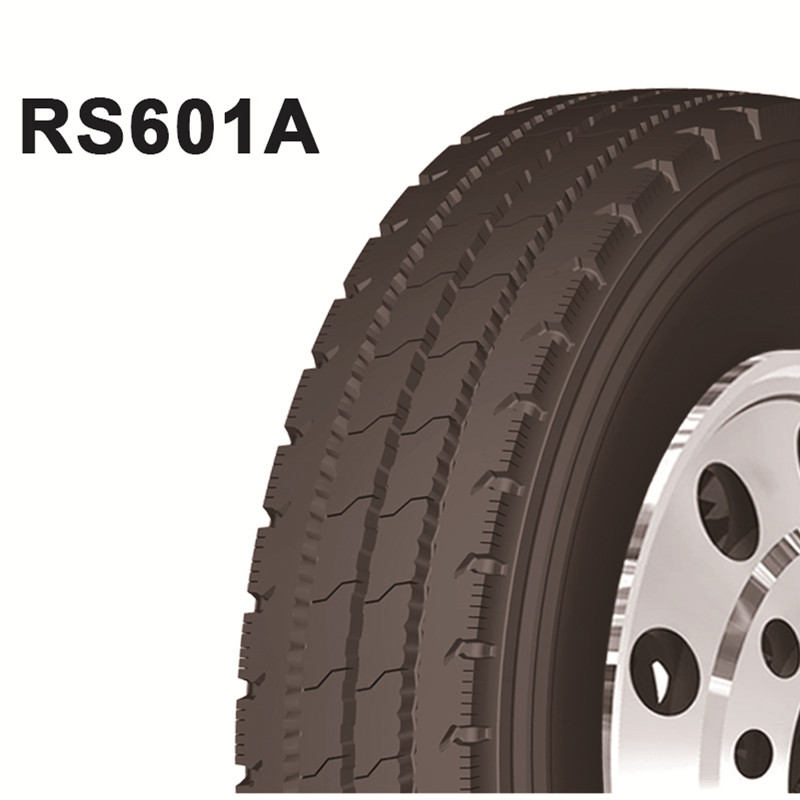
| All-Position | Mixed rib/lug | Balanced wear | Versatility across fleet |
Need help vetting TBR tire manufacturers for your specific market requirements?
Talk to our teamManufacturing Quality & Factory Validation
The durability of a commercial tire is won or lost on the factory floor. High-quality TBR manufacturing requires advanced mixing equipment (like Banbury mixers) to ensure the uniform dispersion of carbon black and silica in the natural and synthetic rubber compounds.
Beyond the rubber, the quality of the high-tensile steel wire used in the belts and casing is critical. Inferior steel or poor adhesion between the rubber and steel cords leads to tread separation under heavy loads. Because these internal defects are invisible to the naked eye, conducting comprehensive Factory Audits before placing high-volume orders is essential.
Critical Quality Control Checkpoints
To ensure consistent yield, a capable manufacturer should have automated, inline inspection equipment. When implementing Quality Control & Inspection, verify the factory utilizes the following:
Essential Factory Testing Equipment
- X-ray inspection machines to detect internal casing voids and steel cord alignment
- Dynamic balancing machines to measure uniformity and runout
- Shearography testing for detecting ply separations
- Endurance testing drums for batch-level lifecycle verification
- Rheometers to verify the curing properties of the rubber compound
Regulatory Compliance and Certifications
Truck tires are highly regulated safety components. Importing them requires strict adherence to regional standards. For the US market, DOT certification is mandatory, and SmartWay verification is increasingly required by fleets looking for low rolling resistance. For Europe, ECE (E-mark) and REACH compliance for rubber chemicals are non-negotiable. Partnering with a sourcing team that understands Compliance & Testing ensures your shipments won't be rejected at customs.
Pricing, MOQ, and Lead Times
Truck tires are high-mass, high-volume products, making freight efficiency a primary driver of your landed cost. Pricing fluctuates based on global commodity markets, particularly natural rubber and steel, as well as the manufacturer's energy costs for the curing process.
Most factories require orders in full container loads (FCL) to maximize shipping efficiency. If you are developing a custom brand, OEM/ODM Services will require tooling investments for custom sidewall molds, which typically adds 15 to 20 days to the initial lead time.
Looking to develop a private-label commercial tire line or optimize your landed costs?
Get a free consultationFrequently Asked Questions
Sourcing commercial truck tires is an exercise in risk management and supply chain efficiency. By rigorously vetting casing construction, compounding chemistry, and factory compliance, you protect your brand's reputation and your bottom line. If you need experienced boots on the ground to manage supplier selection, quality control, and container logistics, our team is ready to assist.
Get Sourcing Help for Truck Tires
Tell us your requirements and our experts will connect you with verified manufacturers.