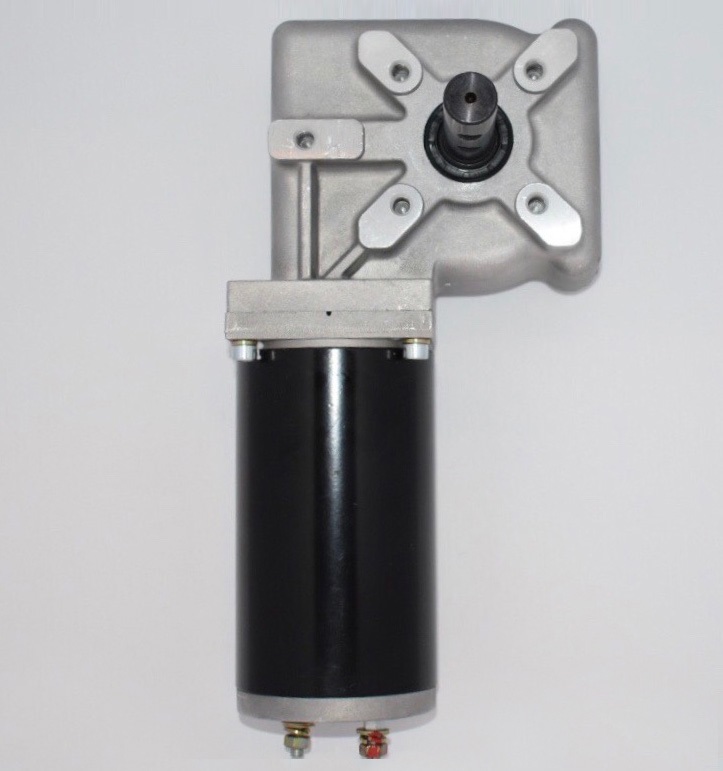
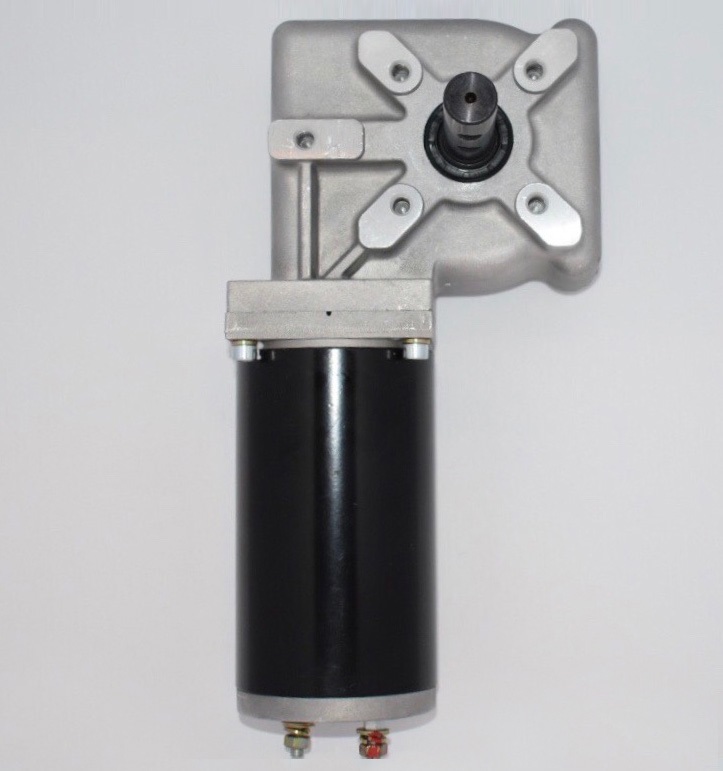
Truck Starter Systems
Source heavy-duty Truck Starter Systems from vetted manufacturers and suppliers in Asia. Designed for importers, fleet distributors, and brands requiring OEM or private-label production, our wholesale network delivers reliable, high-torque starting solutions built to withstand demanding commercial vehicle applications.
Heavy-duty commercial vehicles rely on starter systems capable of delivering massive cranking torque across extreme thermal and environmental conditions. Sourcing truck starter motors in bulk requires navigating a complex manufacturing landscape where external housings often look identical, but internal component quality dictates whether a unit lasts 50,000 or 500,000 miles. Success in this category requires strict specification management and rigorous oversight at the factory level.
Core Specifications for Heavy-Duty Starters
When developing a purchasing spec sheet or evaluating a supplier's catalog, the technical parameters must align precisely with the target engine displacement and operating environment.
| Architecture | Typical Application | Advantages | Drawbacks |
|---|---|---|---|
| Direct Drive (DD) | Older or lighter commercial vehicles | Simple construction, highly durable | Heavy, lower torque output per amp |
| Planetary Gear Reduction (PLGR) | Modern heavy-duty trucks (Class 7-8) | Compact, high torque, lighter weight | Complex gearset requires premium lubrication |
| Offset Gear Reduction (OSGR) | High-compression diesel engines | Maximum cranking power, off-axis design | Larger footprint, higher manufacturing cost |
Beyond the architecture, buyers must specify:
- System Voltage: Primarily 24V for global heavy-duty applications, though 12V remains common in specific North American truck classes.
- Power Output (kW): Ranging from 4.0kW for medium-duty up to 9.0kW+ for large displacement diesels.
- Mounting Interface: SAE flange standards (e.g., SAE 1, SAE 3), mounting hole configurations, and indexing angles.
- Pinion Specifications: Tooth count, pitch, and outer diameter to ensure perfect flywheel engagement.
Ensure your starter assemblies meet strict OEM durability standards with our on-the-ground engineering support.
Talk to our teamManufacturing Tolerances and Material Quality
The primary cost drivers—and the most common points of failure—in truck starter systems revolve around material purity and machining precision.
Winding Materials: The Copper vs. CCA Battle
The armature and field coils must carry hundreds of amps during a cold crank. High-quality starters use 100% pure copper windings. To cut costs, lower-tier suppliers often substitute Copper-Clad Aluminum (CCA). CCA has higher electrical resistance, leading to excessive heat generation, reduced torque, and premature burnout under heavy load. Verifying copper purity is a critical step in any factory audit.
Solenoid and Contact Integrity
The solenoid acts as both a high-current relay and a mechanical actuator. The internal contact disk and terminals must be forged from high-grade copper or silver-tungsten alloys to prevent pitting and micro-welding during engagement. Inferior contacts will stick or fail to pass sufficient current to the motor.
Bearings and Sealing
Heavy-duty starters operate in environments exposed to road spray, salt, and debris.
- Bearings: High-load needle or heavy-duty ball bearings are required at the drive end, rather than simple bushings.
- Sealing: O-rings and specialized lip seals must protect the armature and gear reduction housing, achieving at least an IP67 rating.
Critical Factory Floor Checks
- Verify armature balancing processes (dynamic balancing machines on the line).
- Inspect the commutator machining tolerances (runout should be under 0.03mm).
- Confirm the presence of automated staking or TIG welding for coil-to-commutator connections.
- Check environmental testing chambers for salt-spray and thermal shock validation.
Quality Control and Performance Testing
Visual inspections are insufficient for electrical components. Robust quality control requires performance testing on computerized test benches before shipment.
Every production batch should undergo:
- Free-Running Test: Measuring RPM and current draw without a load to verify internal friction and electrical continuity.
- Stall Torque Test: Locking the pinion to measure maximum torque and peak current draw (simulating a seized engine or extreme cold start).
- Performance Curve Generation: Plotting torque, speed, output power, and efficiency against current draw to ensure the unit meets the specified kW rating.
Wholesale Pricing, MOQs, and Lead Times
Sourcing 100% new aftermarket starters (as opposed to remanufactured units) is the standard for international trade, avoiding the complex reverse-logistics of core returns.
- Minimum Order Quantities (MOQs): Standard off-the-shelf models typically require MOQs of 50 to 100 units per SKU. If you require custom housings or specific OEM/ODM services for proprietary applications, expect MOQs to start at 300 to 500 units to cover casting and tooling costs.
- Lead Times: Standard production runs take 30 to 45 days. Tooling for new cast housings adds 45 to 60 days to the initial timeline.
- Pricing Drivers: Starter prices are highly volatile and tied directly to the LME (London Metal Exchange) prices for copper and steel. The kW rating and the type of gear reduction are the main structural cost differentiators.
Optimize your purchasing strategy and consolidate your heavy-duty electrical sourcing.
Get a free consultationFrequently Asked Questions
Procuring reliable truck starter systems at scale requires balancing aggressive price targets with the uncompromising durability required by commercial fleets. By enforcing strict material specifications and mandating comprehensive bench testing, buyers can secure a highly profitable and defect-free supply chain.
Get Sourcing Help for Truck Starter Systems
Tell us your requirements and our experts will connect you with verified manufacturers.