Truck Brakes
Source high-performance truck brakes from vetted manufacturers and wholesale suppliers. Designed for importers, heavy-duty parts distributors, and commercial vehicle brands seeking OEM and aftermarket production, our network delivers reliable braking systems built for demanding payloads and strict safety compliance.
Heavy-duty commercial vehicles push braking systems to their thermal and mechanical limits. Sourcing truck brakes in volume isn't just about matching aftermarket part numbers or dimensions; it requires deep validation of casting metallurgy, friction material consistency, and machining tolerances. Whether you are importing replacement drums and shoes or engineering custom disc brake pads for a new commercial fleet, poor quality control at the factory level directly compromises safety, compliance, and your brand's reputation.
Friction Formulations and Metallurgy
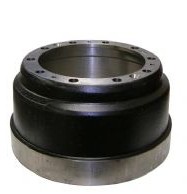
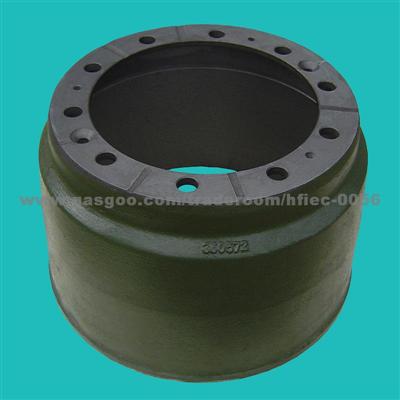
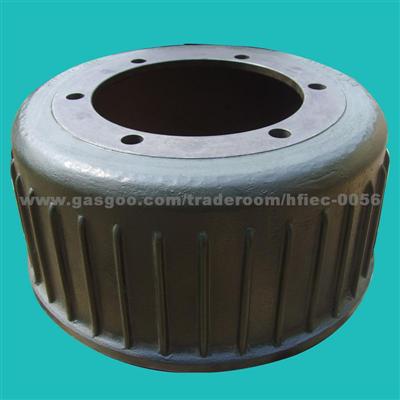
The core of any truck brake sourcing program lies in the material science. For rotors and drums, the standard is typically a high-carbon cast iron (such as HT250 or G3000 equivalent) to ensure optimal heat dissipation and resistance to thermal cracking.
For the friction materials (pads and linings), manufacturers generally offer three primary formulations, each balancing stopping power, wear life, and rotor aggression. If you are utilizing OEM/ODM Services to develop a private-label line, specifying the correct friction mix for your target market's climate and load profile is critical.
| Material Formulation | Thermal Stability | Rotor Wear | Typical Application |
|---|---|---|---|
| Semi-Metallic | Excellent at high temps | High | Heavy-duty hauling, mountainous terrain |
| Non-Asbestos Organic (NAO) | Moderate | Low | Light-to-medium duty, urban delivery |
| Heavy-Duty Ceramic | Very High | Low to Moderate | Premium aftermarket, long-haul fleets |
Validating a factory's friction material mixing and curing process requires technical expertise. Let us help you audit suppliers and ensure consistent production quality.
Talk to our teamManufacturing Tolerances and Quality Control
Brake manufacturing is highly automated, but defects often arise during casting, curing, or final machining. Porosity in cast iron drums can lead to catastrophic failure under load, while improper curing of friction materials causes glazing or premature fade.
When evaluating a manufacturer, you must look beyond the sample. Comprehensive Factory Audits are essential to verify that the supplier holds active IATF 16949 certification and maintains rigorous in-house testing equipment, such as inertia dynamometers and shear testing rigs.
Critical Pre-Shipment Inspection Points
- Disc thickness variation (DTV) and lateral runout to prevent brake judder.
- Shear strength testing of the friction material to the backing plate or shoe.
- Metallurgical analysis (spectrometry) to confirm cast iron carbon content.
- Compressibility testing under high temperatures to ensure consistent pedal feel.
- Visual inspection for casting porosity, micro-cracks, and edge crumbling.
Implementing strict Quality Control & Inspection protocols before the container is loaded ensures that out-of-spec batches never reach your warehouse.
Regulatory Compliance and Testing
Truck brakes are heavily regulated safety components. Entering specific markets requires documented compliance, and relying on a supplier's outdated or forged certificates is a massive risk.
For the European market, ECE R90 certification is mandatory for replacement brake pads and linings. In North America, FMVSS 121 sets the performance standards for air brake systems on heavy trucks. Navigating these requirements and arranging independent verification is a core part of comprehensive Compliance & Testing strategies, ensuring your imported parts clear customs and meet local liability standards.
Typical MOQs, Pricing, and Lead Times
Pricing for truck brakes is highly dependent on raw material costs (steel and iron indices), the complexity of the friction formulation, and the level of finishing (e.g., anti-corrosion coatings like Geomet). Standard aftermarket replacements generally have lower barriers to entry, while custom tooling for new backing plates requires higher upfront investment.
Struggling to negotiate favorable MOQs or verify tooling costs with overseas brake manufacturers? Our sourcing experts can manage the procurement process from pricing to final delivery.
Get a free consultationBuyer FAQ
Sourcing heavy-duty truck brakes requires a rigorous, technical approach to supplier selection and quality assurance. By focusing on metallurgical integrity, precise manufacturing tolerances, and strict regulatory compliance, you can build a reliable supply chain that meets the demanding safety standards of the commercial vehicle industry.
Get Sourcing Help for Truck Brakes
Tell us your requirements and our experts will connect you with verified manufacturers.