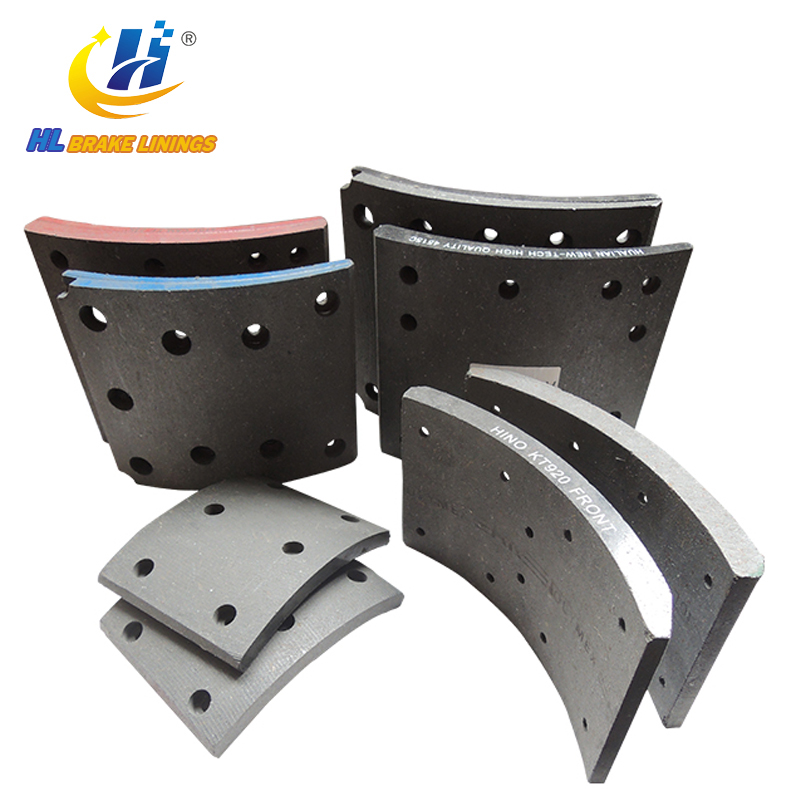
Truck Brake Shoes
Source premium Truck Brake Shoes from vetted manufacturers and wholesale suppliers across Asia. Engineered for heavy-duty performance and strict safety compliance, our factory-direct network supports importers, distributors, and brands requiring reliable bulk supply or custom OEM production.
Sourcing commercial vehicle brake shoes at scale requires navigating a fragmented supplier landscape where the difference between a reliable heavy-duty component and a catastrophic safety liability lies in metallurgy, friction block formulation, and factory-level welding precision. For volume buyers, securing a stable supply chain means verifying that a factory's manufacturing tolerances and raw material sourcing align strictly with international safety standards.
Friction Material Formulations and Core Metallurgy
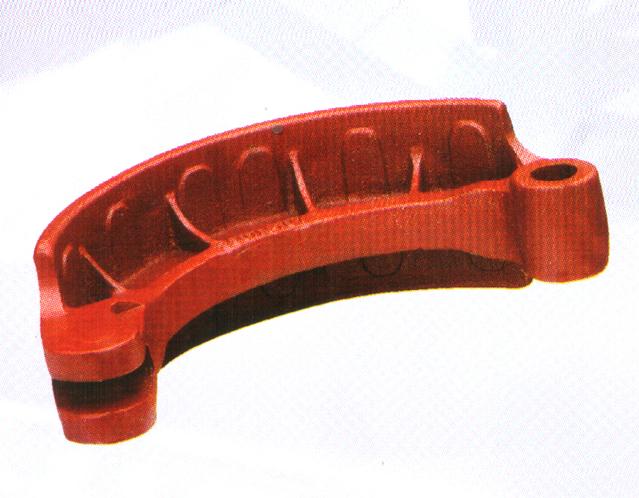
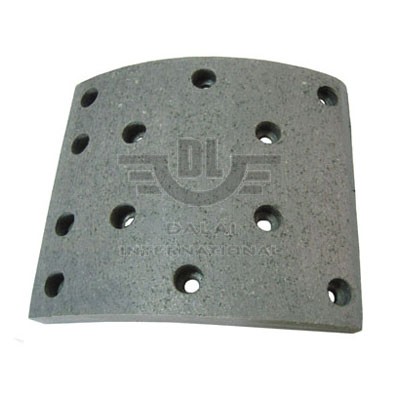
The performance of a truck brake shoe is dictated by the precise formulation of the friction lining and the structural integrity of the steel web and table. Most commercial transport applications require backing plates stamped from heavy-duty Q235 or Q345 steel to prevent deformation under high braking torque.
When specifying the friction material, buyers must balance wear life, noise, and stopping power based on the target market's regulatory environment and typical fleet operating conditions.
| Material Formulation | Performance Characteristics | Typical Commercial Application |
|---|---|---|
| Non-Asbestos Organic (NAO) | Low noise, reduced rotor wear, moderate heat dissipation | Light to medium-duty trucks, urban delivery fleets |
| Semi-Metallic | Excellent high-temperature stability, high friction coefficient, durable | Heavy-duty long haul, construction vehicles, high-load transport |
| Low-Metallic | High braking performance, good heat transfer, moderate wear rate | Mixed-fleet applications requiring a balance of cost and performance |
Manufacturing Tolerances and Quality Control
The structural failure of a brake shoe usually originates at the weld between the web and the table, or from improper riveting/bonding of the friction material. Evaluating a supplier's automated welding capabilities and heat treatment processes is critical. Relying on factory audits before placing high-volume orders ensures the manufacturer possesses the necessary automated stamping presses and continuous mesh-belt furnaces required for consistent production.
Critical Inspection Points for Brake Shoe Production
- Weld penetration and continuity between the web and table (no porosity or cold welds).
- Dimensional accuracy of the anchor pin holes and roller slots to prevent binding.
- Shear strength testing of the riveted or bonded friction lining.
- Anti-corrosion coating thickness (e.g., electrophoresis or powder coating) to prevent rust-jacking.
- Radius grinding consistency to ensure immediate bed-in with the brake drum.
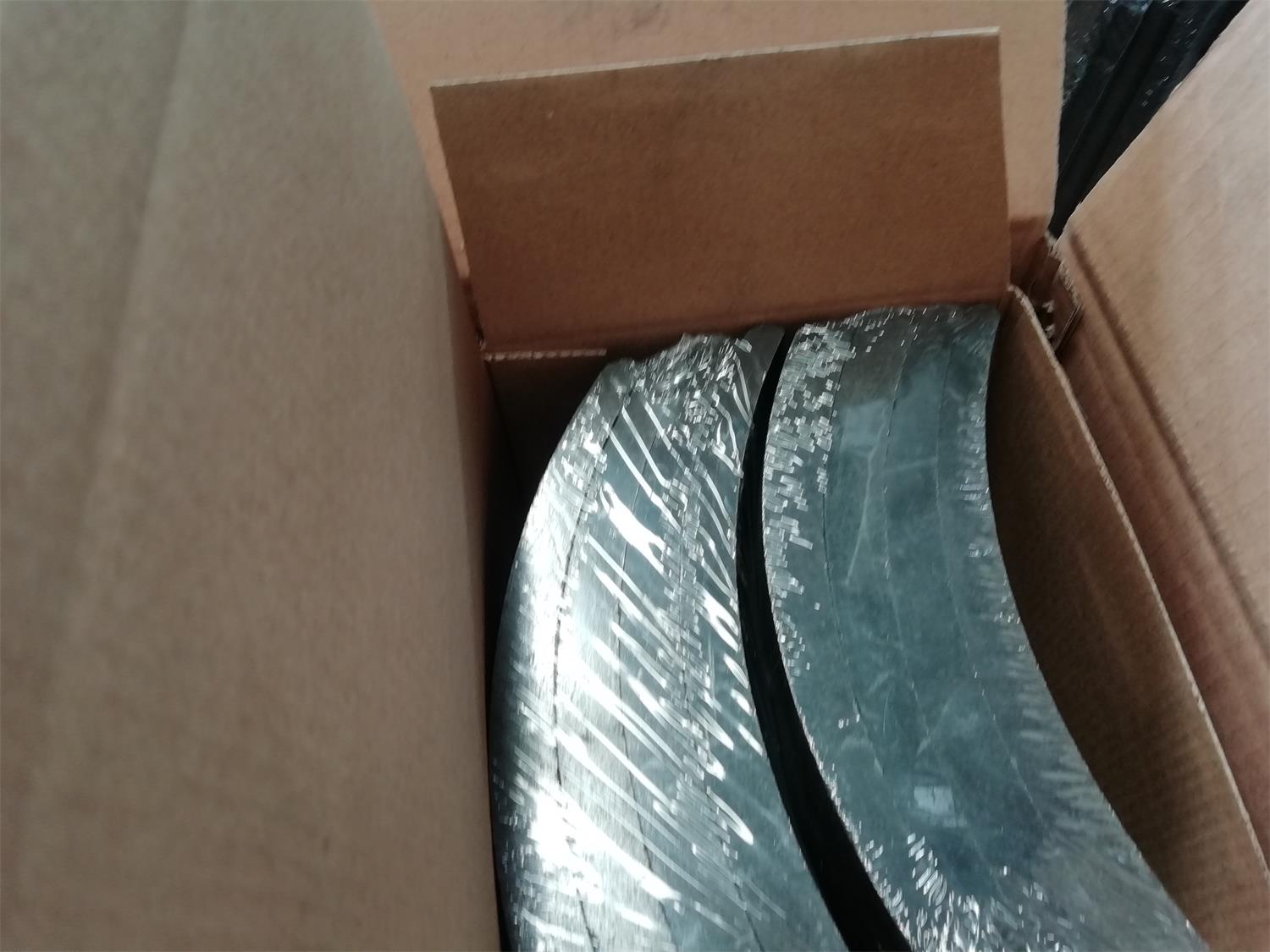
Catching dimensional deviations or poor coating adherence requires rigorous quality control & inspection directly on the factory floor, before the parts are packaged and shipped.
Struggling with inconsistent brake shoe quality from your current suppliers? Let our engineers handle factory vetting and pre-shipment inspections to ensure every batch meets your exact specifications.
Talk to our teamRegulatory Compliance and OEM Capabilities
Brake components are heavily regulated safety items. If you are importing into Europe, the brake shoes must carry ECE R90 certification, which mandates that aftermarket friction materials perform within a strict tolerance of the original equipment. North American markets typically require compliance with FMVSS 121 for air brake systems.
Brands looking to develop proprietary friction formulations or private-label existing high-performance designs frequently utilize OEM/ODM services. Developing these custom programs requires rigorous compliance and testing protocols, including dynamometer testing (Krauss or AK Master) to validate fade resistance and recovery.
Sourcing Mechanics: MOQs, Lead Times, and Pricing
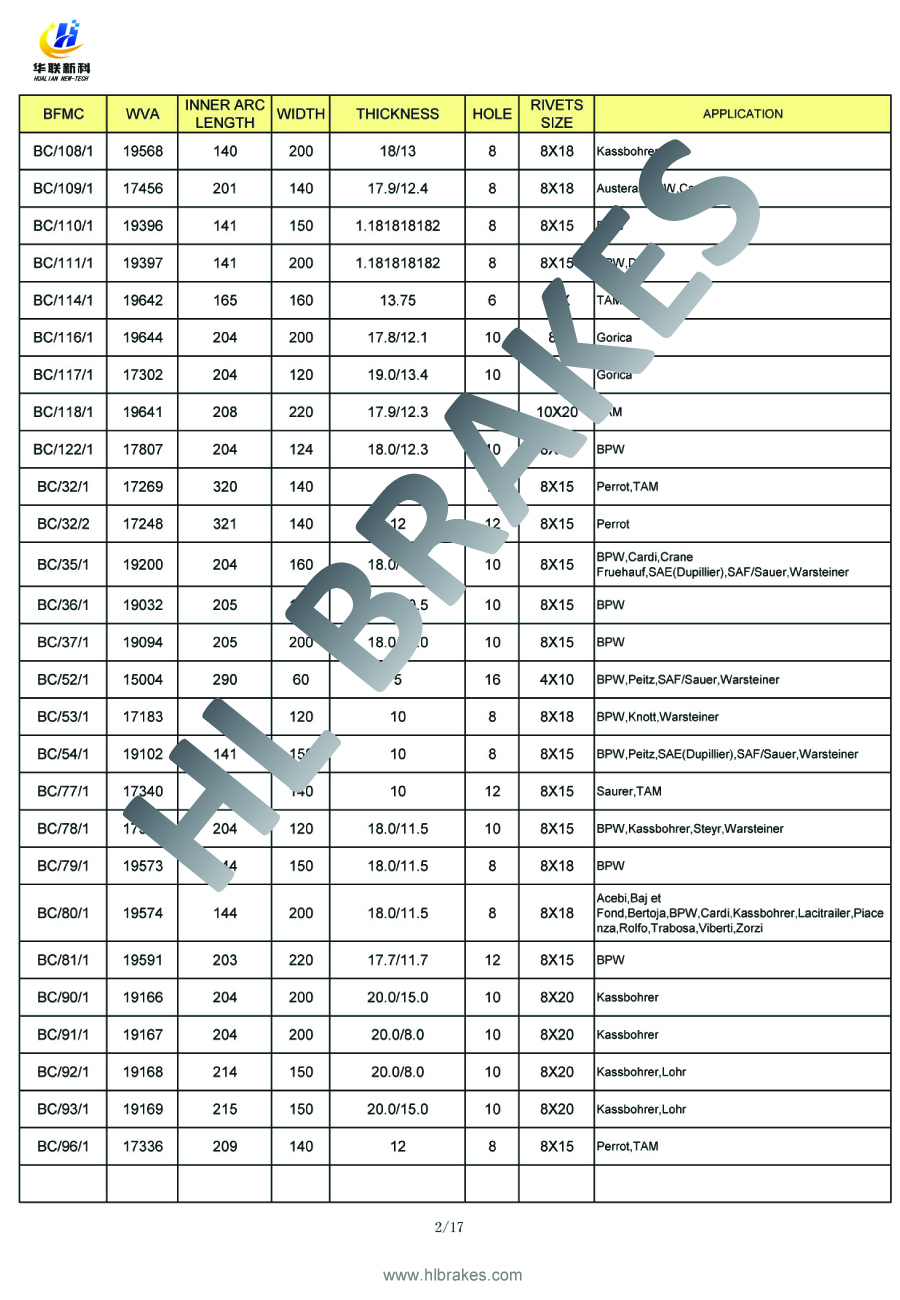
Pricing for commercial brake shoes fluctuates based on steel commodity indexes and the specific friction material formulation. Tooling costs for custom web designs or proprietary friction blocks can impact initial capital outlay, though many established manufacturers offer extensive catalogs of standard references (e.g., FMSI or WVA numbers) that require no new tooling.
Need to optimize your landed costs without compromising on safety standards? We manage the entire sourcing process, from price negotiation to final delivery.
Get a consultationFrequently Asked Questions
Sourcing reliable commercial brake shoes demands strict oversight of both raw material inputs and factory-level processing. By partnering with experienced sourcing professionals, you can secure competitive pricing while ensuring every shipment strictly adheres to the safety and performance standards your market demands.
Get Sourcing Help for Truck Brake Shoes
Tell us your requirements and our experts will connect you with verified manufacturers.