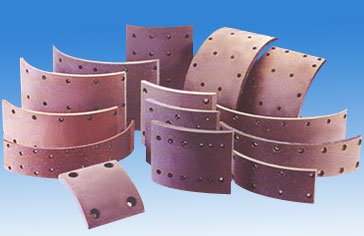
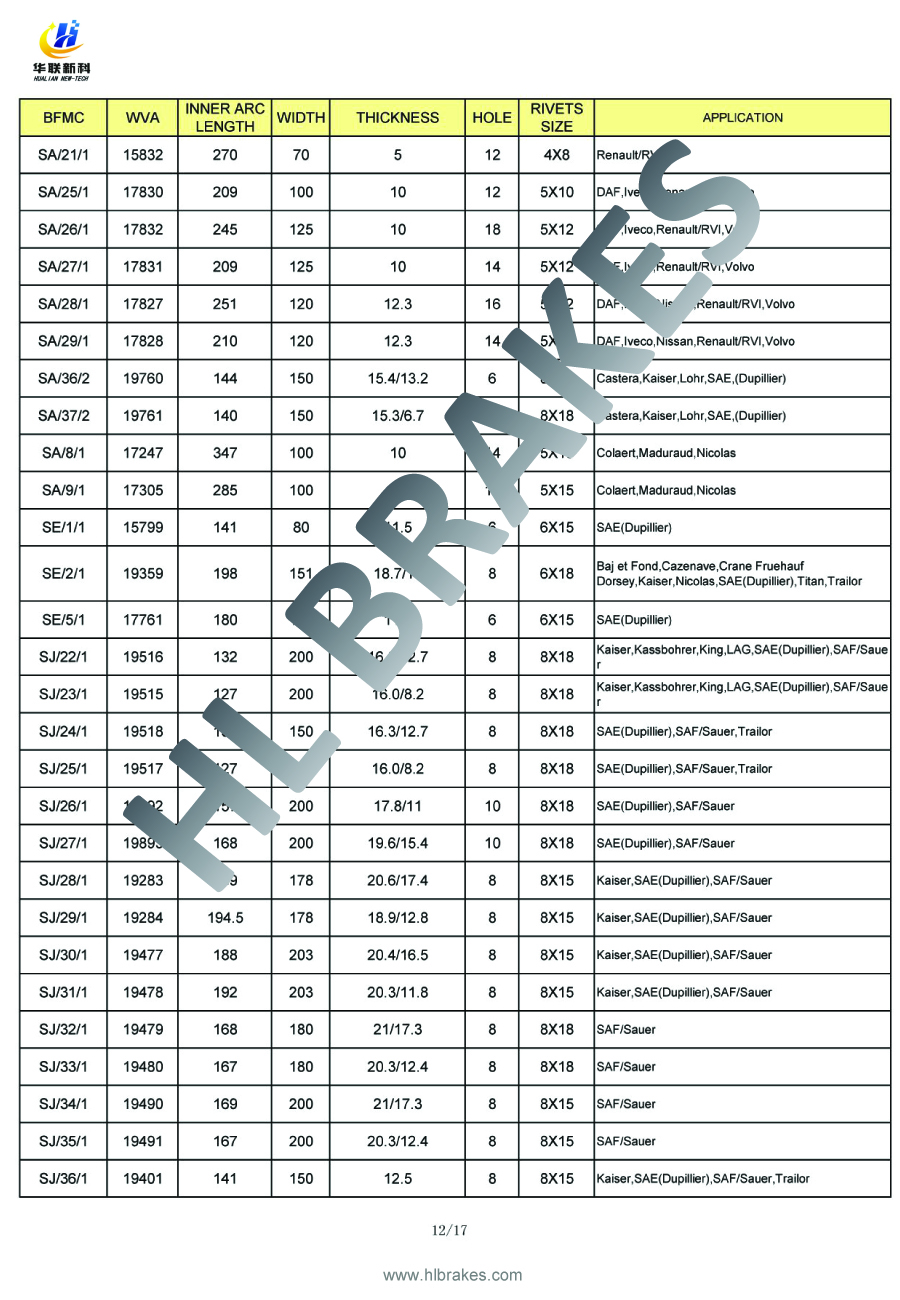
Truck Brake Pads
Source commercial truck brake pads from vetted manufacturers and wholesale suppliers across Asia. Designed for importers, fleet distributors, and automotive brands seeking reliable OEM and private-label production, our network delivers high-performance friction materials built for heavy-duty and commercial applications.
Sourcing commercial truck brake pads requires balancing friction performance, thermal stability, and wear life under extreme heavy-duty conditions. For wholesale buyers and aftermarket brands, the challenge lies not just in finding a supplier, but in verifying that the factory's formulations and bonding processes can consistently meet stringent safety standards across high-volume production runs.
Friction Material Formulations and Specifications
The core of any commercial brake pad is its friction material. Formulations are highly guarded factory secrets, typically categorized by their metallic content. Specifying the right compound dictates the pad's stopping power, operating temperature range, and rotor wear characteristics.
| Formulation Type | Friction Level (μ) | Thermal Fade Resistance | Rotor Wear Rate |
|---|---|---|---|
| High-Metallic (Commercial) | 0.38 to 0.45 | Excellent at high temps | Moderate to High |
| Low-Metallic | 0.35 to 0.42 | Good | Moderate |
| Ceramic / NAO | 0.30 to 0.38 | Adequate for medium-duty | Low |
When developing a private-label line, you must define the target friction coefficient (often graded as EE, FF, or GG) and the operating environment. Heavy commercial trucks operating in mountainous terrain require high-metallic compounds with excellent heat dissipation to prevent brake fade, whereas urban delivery fleets may prioritize low noise and longer rotor life.
Navigating heavy-duty friction material specs? Let us help you match the right formulation to your target market and performance requirements.
Talk to our teamManufacturing Processes and Quality Control
The durability of a truck brake pad is won or lost during the mixing, pressing, and curing stages. Inconsistent mixing of the friction compound leads to hard spots, causing premature rotor wear and noise. Furthermore, the sheer weight of commercial vehicles places immense stress on the bond between the friction block and the steel backing plate.
Modern factories utilize positive molding technology, which applies extreme pressure to compress the friction material while bonding it to the backing plate. For heavy-duty applications, mechanical retention systems (like NRS hooks or welded mesh) are vastly superior to standard chemical adhesives, preventing friction material delamination under high shear stress.
Because manufacturing defects in brake systems are catastrophic, rigorous Quality Control & Inspection is non-negotiable.
Critical Factory Quality Checks for Truck Brake Pads
- Shear strength testing to ensure bond integrity between the friction block and backing plate.
- Compressibility testing at ambient and elevated temperatures (typically 400°C).
- Backing plate flatness measurement to prevent uneven wear and caliper binding.
- Friction coefficient consistency checks using Krauss or Chase dynamometers.
- Visual inspection for edge crumbling, surface cracks, or incomplete curing.
Before committing to a supplier, verifying their quality management systems—specifically IATF 16949 certification—is essential. Conducting thorough Factory Audits ensures the facility has the automated mixing and pressing equipment necessary to maintain batch-to-batch consistency.
Regulatory Compliance and Certifications
Truck brake pads are highly regulated safety components. Importing them into major markets requires strict adherence to regional standards.
- Europe (ECE R90): Requires aftermarket pads to perform within a strict tolerance of the original equipment (OE) pads. The factory must have the capability to run the necessary dynamometer and vehicle tests to secure the homologation certificate.
- North America (FMVSS 121 / AMECA): Requires specific performance testing for air brake systems. Additionally, environmental regulations (such as the Better Brakes Law in Washington and California) mandate that copper content must be reduced to under 0.5 percent for compliance in the coming years.
Ensuring your supplier can meet these standards often requires third-party Compliance & Testing to verify the friction material's performance and chemical composition before mass production begins.
Pricing, MOQs, and Lead Times
Sourcing truck brake pads in bulk involves navigating tooling costs, material fluctuations, and production schedules. Most manufacturers require a minimum order quantity (MOQ) per SKU to justify the setup time for the molds and backing plates.
Pricing is primarily driven by the weight of the pad, the complexity of the backing plate (e.g., cast iron vs. stamped steel, mechanical retention), and the raw material costs of the friction compound (especially copper, steel fibers, and aramid fibers). If you are utilizing OEM/ODM Services to develop custom formulations or branded packaging, expect longer initial lead times for the first production run due to testing and tooling approvals.
Need to lock in bulk pricing and production schedules? We can negotiate terms, vet suppliers, and manage your entire supply chain.
Get a free consultationFrequently Asked Questions
Securing a reliable supply of commercial truck brake pads means looking beyond the lowest unit price. The true cost of sourcing lies in consistency—ensuring that the friction material in your tenth container performs exactly like the first. By partnering with audited manufacturers and enforcing strict pre-shipment testing, you protect your brand's reputation and your customers' safety on the road.
Get Sourcing Help for Truck Brake Pads
Tell us your requirements and our experts will connect you with verified manufacturers.