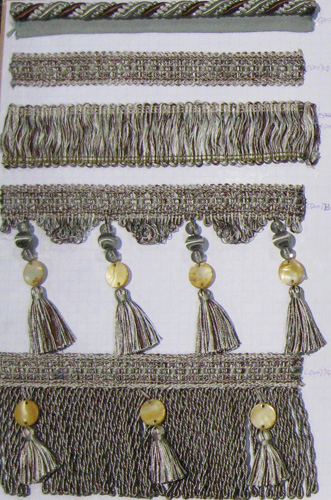
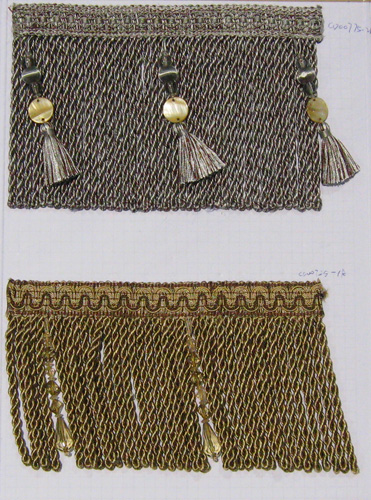
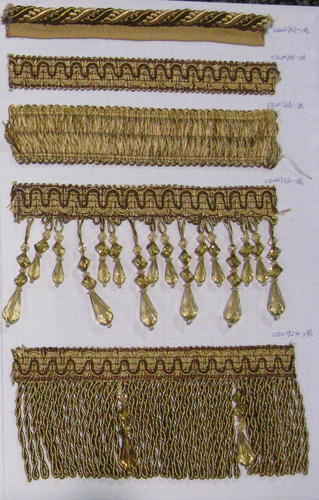
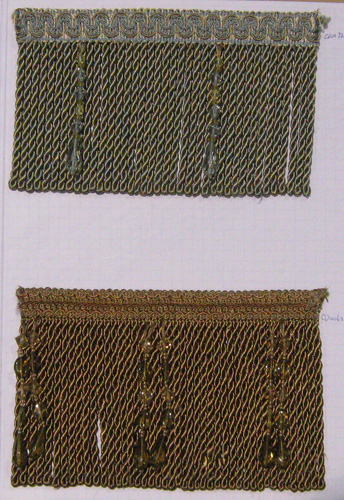
Trimmings
Source high-quality trimmings from vetted suppliers and manufacturers across Asia. Designed for apparel importers, garment factories, wholesalers, and fashion brands seeking bulk purchasing and custom OEM/private-label production, our network connects you with reliable partners for all your garment finishing requirements.
Trimmings are often the defining details of a garment, but they are also a notorious bottleneck in apparel production. A slight variance in a dye lot, an unacceptable shrinkage rate, or poor colorfastness in a simple trim can ruin an entire production run of premium garments. Sourcing these components in volume requires strict control over material specifications, lab dip approvals, and weaving consistency to ensure they perform perfectly alongside the main body fabric.
Critical Specifications for Bulk Trimmings
When negotiating with trimming manufacturers, vague specifications lead to unusable bulk deliveries. Professional buyers must align the trim's physical properties with the garment's wash and wear requirements.
Key Specifications to Define with Suppliers
- Width and Thickness Tolerances: Specify acceptable variances (e.g., +/- 1mm) to ensure the trim fits consistently into folders and attachments on the sewing line.
- Colorfastness Ratings: Require Grade 4 or higher for washing, dry rubbing (crocking), and light exposure to prevent color bleeding onto the main fabric.
- Shrinkage Compatibility: The trim's shrinkage rate must match or be marginally less than the main fabric (typically under 3 percent) to prevent puckering after washing.
- Composition and Weight: Define the exact yarn composition and weight in grams per meter (g/m) to maintain consistent drape and hand-feel.
Struggling with inconsistent dye lots or trim quality? Let us help you standardize your specifications and find capable manufacturing partners.
Talk to our teamManufacturing Variables and Quality Control
The quality of woven, knitted, or braided trimmings is won or lost on the factory floor during yarn preparation, weaving tension control, and the final dyeing and finishing processes.
Inconsistent tension on the loom or braiding machine will cause width fluctuations throughout a single roll. If the tension is too loose, the trim may snag easily; if too tight, it will lack the necessary flexibility. Furthermore, the finishing process—specifically heat setting—is critical for synthetic trimmings like polyester or nylon to lock in the width and minimize future shrinkage.
To mitigate these risks, implementing rigorous quality control and inspection before shipment is essential. Inspectors should pull samples from multiple rolls across different cartons to check for continuous width, color consistency under standardized light sources, and the absence of weaving defects like dropped stitches or slubs.
The Dye Lot Risk
Never assume a factory can perfectly replicate a color from a previous order without a new lab dip. Environmental factors, yarn batches, and water temperature variations mean every new production run requires fresh lab dip approval before bulk dyeing begins.
Customization and DTM (Dyed to Match) Production
For brands requiring specific colorways or branded elements, custom production is standard. OEM/ODM services allow buyers to develop custom jacquard logos, unique braided patterns, or exact DTM (Dyed to Match) colors based on Pantone TCX/TPX references or physical fabric swatches.
When executing DTM orders, always provide the factory with a physical swatch of the finished main fabric, as the trim's yarn composition (e.g., cotton vs. polyester) will absorb dye differently, requiring the factory's lab to adjust the chemical formula to achieve a visual match under your specified light source (typically D65 or TL84).
MOQs, Lead Times, and Pricing Dynamics
Pricing for trimmings is typically quoted per meter, yard, or gross (144 pieces), depending on the specific type and regional factory standards. Costs are driven by yarn quality, the complexity of the weave or knit, and the dyeing process.
Consolidating your trimming suppliers can significantly reduce logistical headaches. Managing multiple factories for different trims (tapes from one, elastics from another) increases the risk of delays. Utilizing professional product sourcing can help you identify larger, vertically integrated suppliers capable of producing multiple trim types under one roof, streamlining your supply chain.
Need to consolidate your trim suppliers or negotiate better terms for custom DTM orders? Connect with our sourcing experts.
Get a free consultationFrequently Asked Questions
Synchronizing the delivery of trimmings with your main fabric and CMT (Cut, Make, Trim) factory schedules is one of the most complex aspects of garment manufacturing. A delay in a minor trim can halt an entire sewing line. Ensuring your trim suppliers are vetted for reliability and capacity is the best defense against costly production downtime.
Get Sourcing Help for Trimmings
Tell us your requirements and our experts will connect you with verified manufacturers.