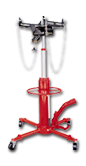
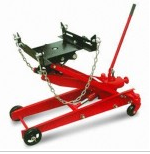
Transmission Jacks
Source professional-grade transmission jacks from vetted suppliers and manufacturers in China and across Asia. Designed for automotive tool distributors, wholesalers, and brands seeking reliable OEM or private-label production, our network delivers high-capacity lifting solutions built to strict international safety standards.
Sourcing transmission jacks in volume requires a strict focus on metallurgical integrity, hydraulic reliability, and regulatory compliance. Because these tools support heavy, awkward loads under vehicles, a single hydraulic failure or structural weld defect carries significant liability. For importers and brands, the challenge is identifying manufacturers capable of maintaining exact machining tolerances and consistent seal quality across high-volume production runs, rather than just assembling off-the-shelf components.
Core Specifications and Manufacturing Realities
When evaluating factory capabilities, the internal construction of the hydraulic ram and the structural rigidity of the base dictate the product's lifecycle and safety profile.
Hydraulic Cylinders and Seals
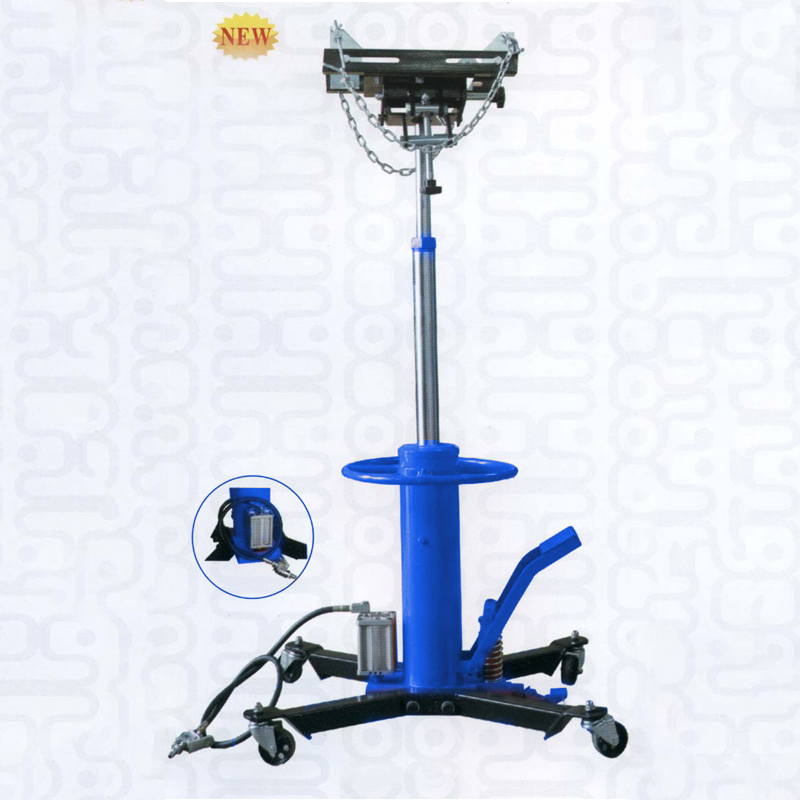
The heart of any transmission jack is the hydraulic system. Standard consumer-grade jacks often use basic nitrile rubber (NBR) seals, which degrade quickly under repeated commercial use or exposure to shop fluids. For professional and commercial models, you must specify high-grade polyurethane seals (such as Y-rings or U-cups) and ensure the cylinder bore is honed to a micro-finish to prevent premature seal wear.
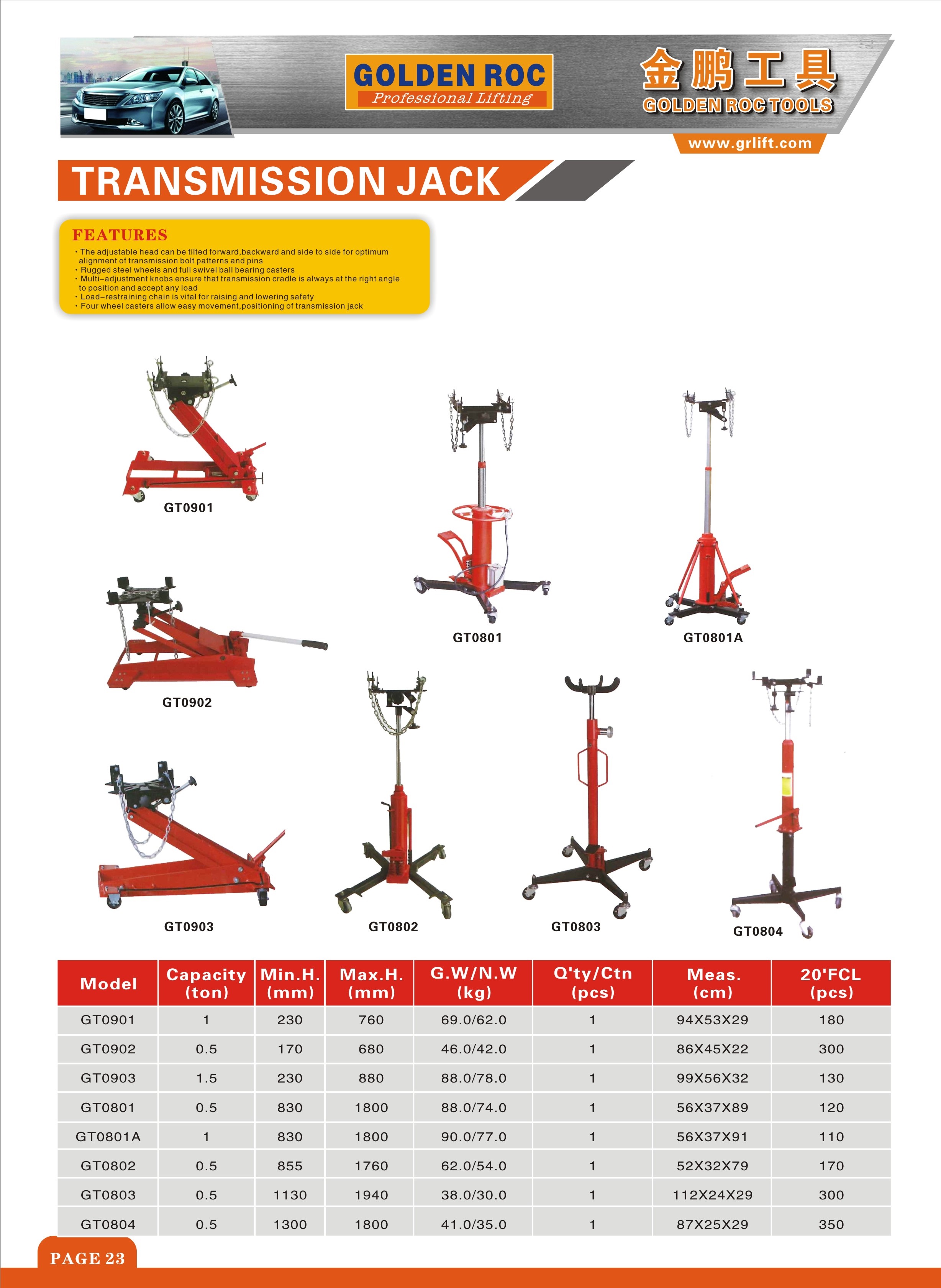
| Specification | Standard Duty (0.5 Ton) | Heavy Duty Commercial (1+ Ton) |
|---|---|---|
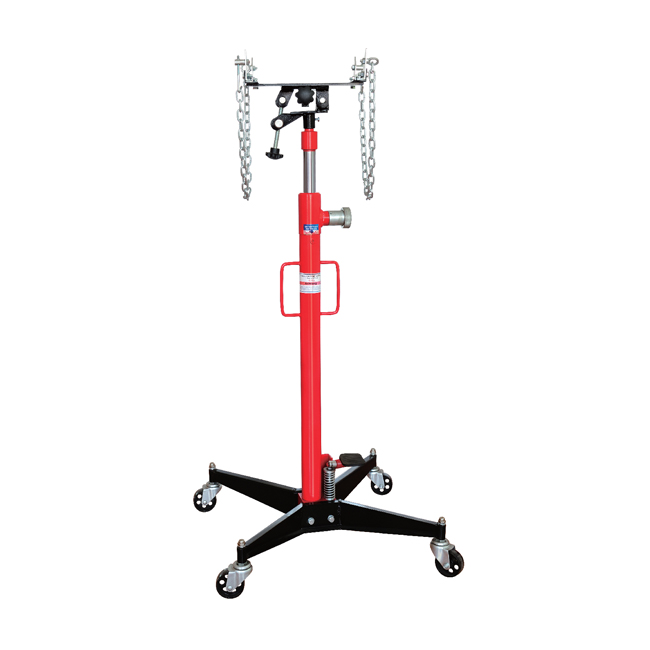
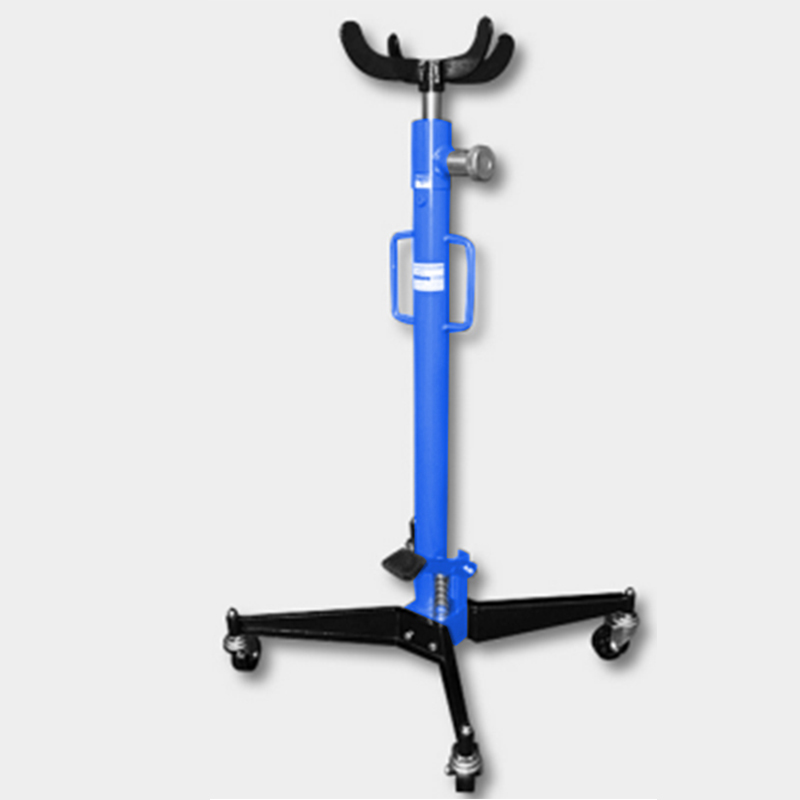
| Cylinder Type | Single stage hydraulic | Telescopic two-stage |
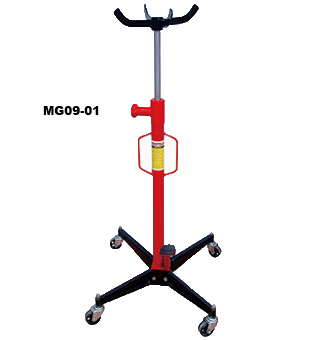
| Base Stance | Narrow, 4-swivel casters | Wide, heavy-gauge steel frame |
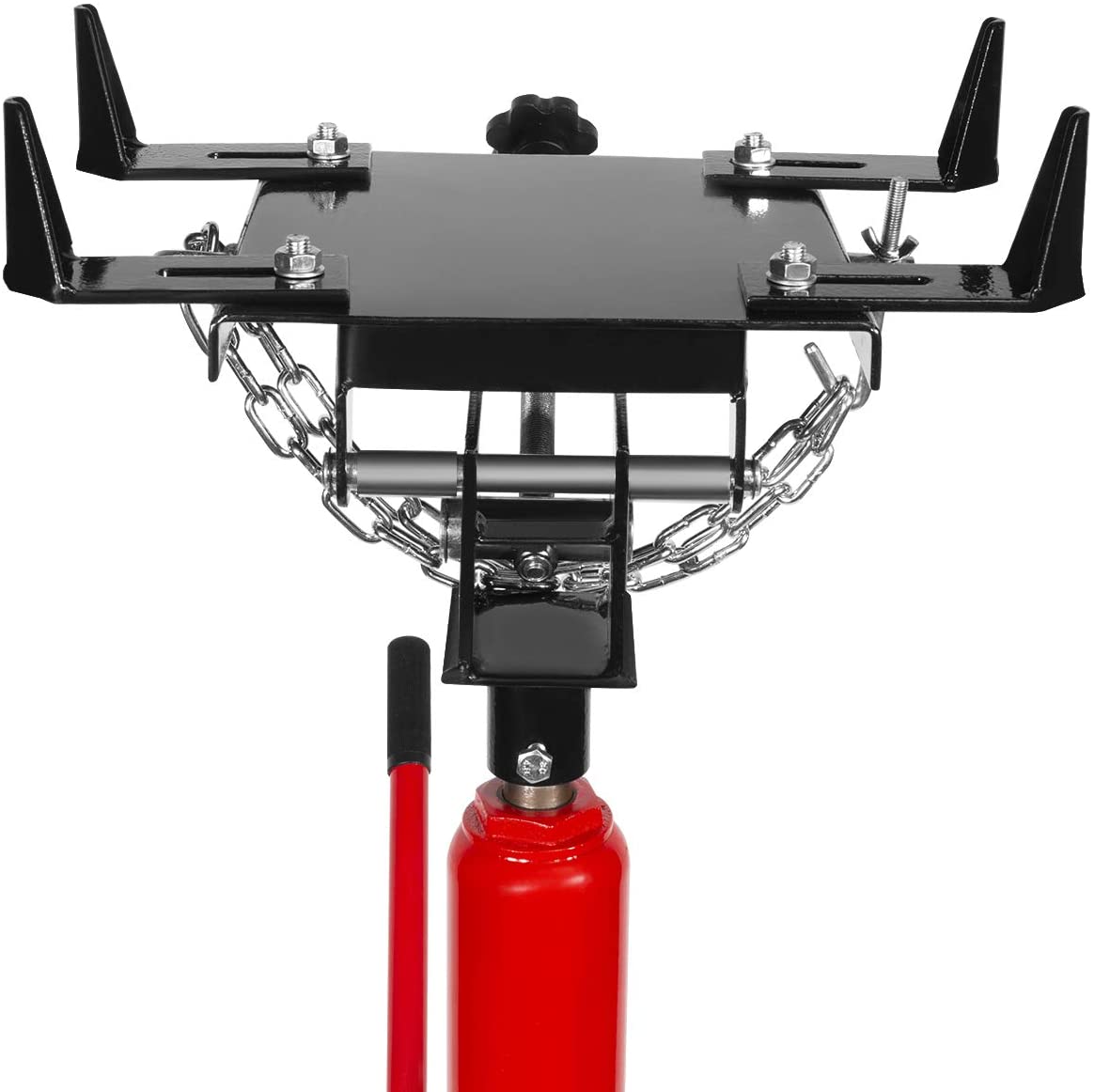
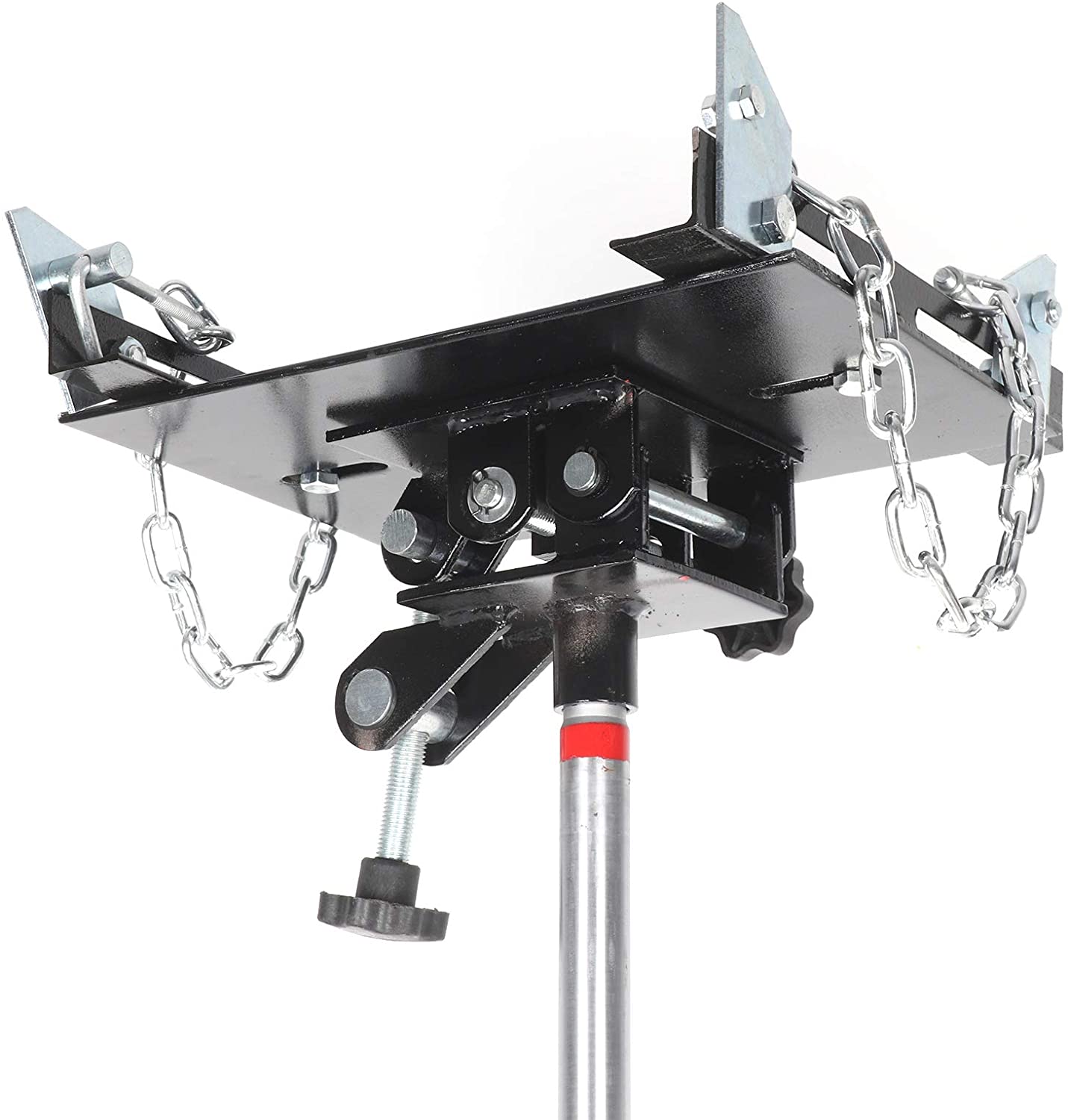
| Saddle Tilt | Forward/backward only | Fully universal (4-way tilt) |
| Overload Protection | Basic bypass valve | Precision-calibrated safety valve |
Structural Welding and Base Stability
A jack's stability relies entirely on its base footprint and weld quality. Factories with automated robotic welding lines produce far more consistent penetration on critical stress points (like the caster mounts and the central cylinder base) compared to manual welding. Uneven casters or weak base welds lead to catastrophic tipping under load.
Need to verify a manufacturer's robotic welding and machining capabilities? We can deploy engineers to audit their production lines.
Talk to our teamQuality Control and Safety Standards
Entering Western markets requires strict adherence to regional safety standards. In North America, jacks must comply with ASME PASE (Safety Standard for Portable Automotive Service Equipment). In Europe, CE marking under EN 1494 is mandatory. Relying on a supplier's self-reported certificates is risky; verifying these claims through proper Compliance & Testing with third-party labs is essential.
Critical Pre-Shipment Inspection Points
- Dynamic load testing at 125 percent to 150 percent of rated capacity
- Sustained static load testing (24 hours) to verify zero hydraulic bleed-down
- Inspection of weld penetration on base and caster mounts using non-destructive methods
- Verification of hydraulic bypass valve calibration to prevent overloading
- Measurement of saddle adjustment thread tolerances for smooth operation under load
Proper Quality Control & Inspection must happen before the units are containerized. Once defective heavy equipment leaves the port, return logistics are cost-prohibitive.
Buying Mechanics: MOQs, Lead Times, and Pricing
Transmission jacks are heavy, steel-intensive products. Pricing is highly sensitive to global steel indices and the cost of precision hydraulic components.
If you are developing a proprietary design—such as a specialized saddle for EV battery packs or specific transmission types—you will need a factory experienced in OEM/ODM Services. Custom tooling for saddles or specialized telescopic rams will increase initial lead times by 20 to 30 days and typically push MOQs closer to 300 units to amortize the tooling costs.
Planning a custom lifting solution or need to negotiate better terms with Asian manufacturers? Let our sourcing experts manage the process.
Get a free consultationFrequently Asked Questions
Sourcing transmission jacks is an exercise in risk management. The lowest quoted price often hides compromised steel thickness or inferior hydraulic seals. By partnering with audited factories and enforcing strict pre-shipment testing protocols, you protect your brand's reputation and ensure your end-users receive safe, durable equipment.
Get Sourcing Help for Transmission Jacks
Tell us your requirements and our experts will connect you with verified manufacturers.