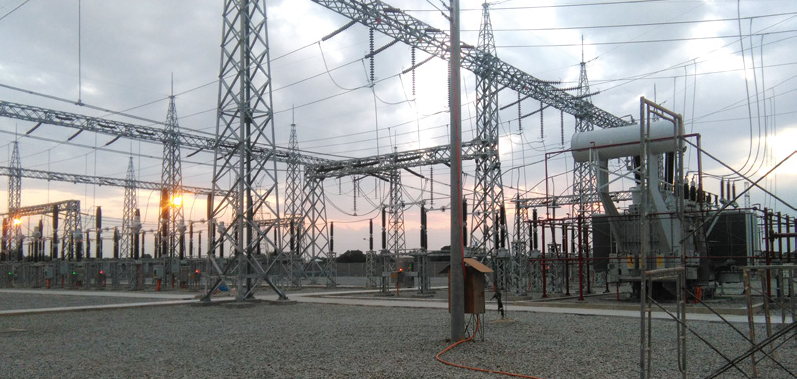
Transmission and Transformation Engineering
Source high-grade Transmission and Transformation Engineering equipment from vetted manufacturers and suppliers. Designed for EPC contractors, utility providers, and specialized distributors, our network provides bulk components, OEM production, and custom substation solutions built to exacting international standards.
Procuring equipment for transmission and transformation engineering requires navigating severe technical tolerances, raw material volatility, and complex international logistics. Whether you are sourcing structural steel for transmission towers, high-voltage conductors, or primary substation equipment like power transformers and GIS (Gas Insulated Switchgear), the margin for error is zero. Successful procurement hinges on matching your exact engineering specifications with a factory capable of rigorous type-testing and compliance.
Defining Specifications for High-Voltage Procurement
When sourcing for EPC (Engineering, Procurement, and Construction) projects or utility distribution, generic specifications lead to project delays and compliance failures. Your RFQ must precisely define operational parameters, environmental conditions, and structural loads.
| Equipment Category | Critical Specifications to Define | Typical Sourcing Model |
|---|---|---|
| Power Transformers | MVA capacity, primary/secondary kV, vector group, cooling (ONAN/ONAF) | Project-specific custom engineering |
| Switchgear (GIS/AIS) | Rated voltage, short-circuit breaking current, IP/NEMA rating | OEM/Custom assembly |
| Transmission Conductors | Material (ACSR, AAAC), cross-sectional area, tensile strength | Bulk wholesale (measured in km/MT) |
| Towers & Structures | Wind load capacity, steel grade, galvanization thickness | Contract manufacturing |
Environmental Tolerances
Always specify the installation altitude, ambient temperature extremes, and seismic zone requirements. Equipment designed for sea-level operation will suffer dielectric degradation at altitudes over 1,000 meters unless specifically engineered for it.
Factory Acceptance Testing (FAT) and Quality Verification
You cannot rely on final visual inspections for high-voltage infrastructure. Quality is won or lost during the fabrication process and verified through rigorous Factory Acceptance Testing (FAT). Before committing to a supplier, ensuring they have the in-house testing infrastructure (such as impulse voltage generators and partial discharge testing rooms) is essential.
Conducting rigorous Factory Audits is non-negotiable to verify a manufacturer's testing facilities, engineering capacity, and ISO/IEC certifications.
Critical FAT Verifications for Substation Equipment
- Routine dielectric tests (applied voltage and induced overvoltage)
- Measurement of no-load loss and current
- Temperature rise tests at full load capacity
- Partial discharge measurement (crucial for GIS and transformers)
- Mechanical operation tests for circuit breakers (minimum 50 cycles)
Need to verify a high-voltage equipment manufacturer? Let us handle the factory auditing and technical vetting on the ground.
Talk to our teamPricing Structures, MOQs, and Lead Times
The commercial realities of transmission and transformation equipment vary wildly depending on whether you are buying bulk materials or engineered capital goods.
Pricing for transmission lines (conductors, steel) is heavily indexed to LME (London Metal Exchange) copper and aluminum prices, plus fabrication and galvanization costs. Quotes for these materials are typically only valid for 3 to 7 days. Conversely, transformers and switchgear are project-specific, with pricing driven by core steel grades, winding materials, and the complexity of the protection relays specified.
Logistics and Complex Deliveries
Because of the massive size and weight of power transformers and prefabricated substations, standard container shipping is often impossible. You will need specialized Shipping & Freight solutions, involving breakbulk vessels, flat racks, or OOG (Out of Gauge) transport.
Furthermore, coordinating the arrival of structural steel, insulators, and sensitive switchgear with your on-site construction schedule requires exceptionally tight Supply Chain Management. Equipment arriving too early incurs massive heavy-storage costs, while late arrivals halt entire EPC projects.
Struggling with complex EPC procurement schedules? We can synchronize your supplier deliveries, QA, and heavy freight.
Get a free consultationFrequently Asked Questions
Sourcing transmission and transformation engineering equipment demands deep technical oversight and ironclad logistics planning. By focusing heavily on factory capabilities and rigorous FAT protocols rather than just the bottom-line unit cost, you protect the integrity and safety of your power infrastructure projects.
Get Sourcing Help for Transmission and Transformation Engineering
Tell us your requirements and our experts will connect you with verified manufacturers.