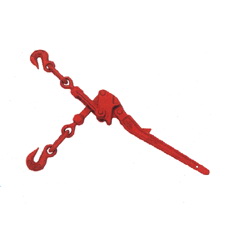
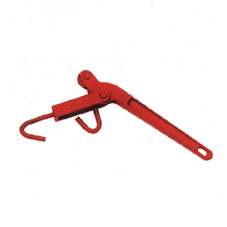
Trailer Parts & Accessories
Source high-quality Trailer Parts & Accessories directly from vetted manufacturers and wholesale suppliers. Designed for importers, distributors, and brands seeking OEM/private-label production, our network delivers reliable, load-rated components built to meet strict regional compliance standards at scale.
Sourcing trailer components in bulk requires balancing extreme load-bearing requirements with relentless exposure to harsh environments. Whether you are procuring structural hardware, towing connections, or running gear, the stakes are high. A single point of failure in a cast coupler or a poorly welded jack can lead to catastrophic failure on the road. Securing a reliable supply chain means looking past the surface finish and rigorously validating a factory's metallurgical controls, machining tolerances, and adherence to international safety standards.
Material Specifications and Manufacturing Tolerances
The core of trailer hardware reliability lies in material selection and the precision of the manufacturing process. Most heavy-duty components are manufactured using either forging, casting, or heavy-gauge stamping.
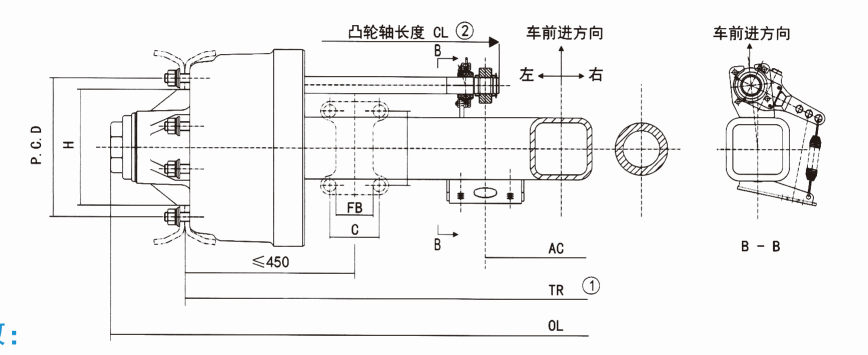
For load-bearing items like couplers, pintle hooks, and axles, manufacturers typically use medium-carbon steel (such as 45# steel) or alloy steels that provide the necessary tensile strength. The choice between cast iron (ductile iron) and forged steel often dictates both the unit cost and the maximum load rating. Forging aligns the grain structure of the metal, offering superior strength-to-weight ratios, which is critical for high-capacity towing applications.
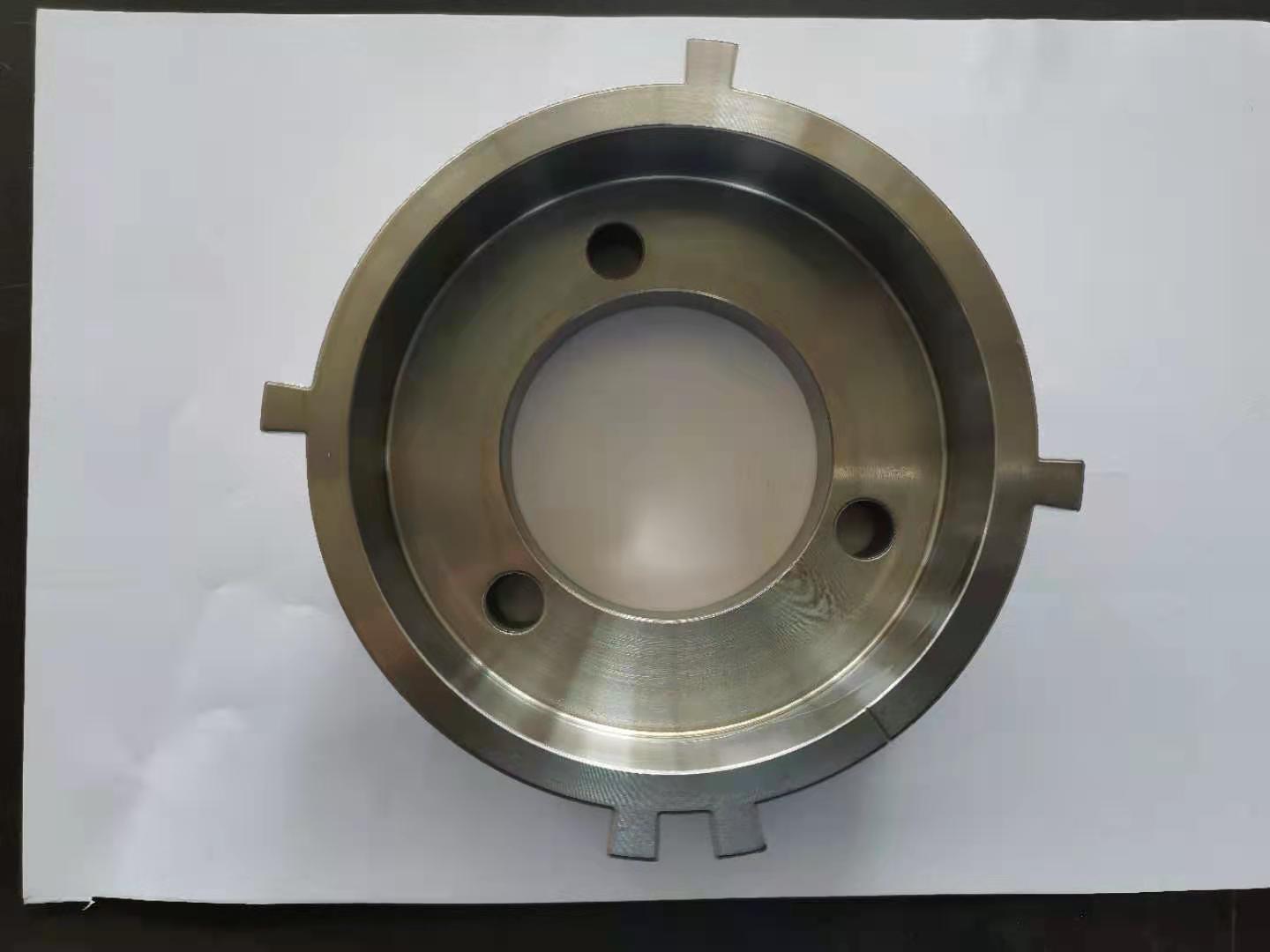
When evaluating a manufacturer, review their machining capabilities. Critical dimensions, such as the inner diameter of a bearing race or the threading on a spindle, require precise CNC machining. Factories that outsource their machining often struggle to maintain consistent dimensional tolerances, leading to assembly issues or premature wear in the field.
Struggling with inconsistent machining tolerances or material failures? Let us audit and upgrade your supplier base.
Talk to our teamSurface Treatments and Corrosion Resistance
Trailer parts spend their lifecycle exposed to road salt, marine environments, and UV degradation. The surface treatment applied at the factory directly impacts the product's lifespan and warranty claims.
| Finish Type | Corrosion Resistance | Best Application |
|---|---|---|
| Hot-Dip Galvanized | Excellent (500+ hrs salt spray) | Marine trailers, heavy utility trailers |
| Powder Coated | Good to Very Good | Enclosed trailers, recreational transport |
| Zinc Plated (Electroplated) | Moderate | Interior hardware, light-duty components |
Ensure your supplier has in-house or strictly controlled third-party surface treatment facilities. Inconsistent pre-treatment (cleaning and acid washing) before powder coating will lead to flaking and rapid rust formation.
Quality Control and Market Compliance
Regulatory compliance is non-negotiable in the trailer industry. Depending on your target market, components must meet specific standards: DOT/SAE in North America, ECE (E-mark) in Europe, or ADR in Australia.
Validating these standards requires robust Quality Control & Inspection protocols at the factory level. Do not rely solely on a supplier's provided certificates; verify their testing equipment and procedures during production.
Critical Pre-Shipment Inspection Points
- Verify dimensional tolerances on all machined surfaces (e.g., spindles, mounting brackets).
- Inspect weld penetration depth and consistency on structural assemblies.
- Review independent salt spray test reports for exterior hardware batches.
- Confirm load rating certification marks are correctly stamped or cast into the component.
- Test spring rates and fatigue resistance on suspension components.
Production Mechanics: MOQs, Lead Times, and Pricing
Pricing for trailer parts is heavily influenced by the global steel index and the sheer weight of the products, which impacts both raw material costs and freight consolidation strategies.
When planning your procurement, consider the factory's capacity for heavy manufacturing. Conducting thorough Factory Audits is essential to ensure the supplier actually owns the heavy forging presses and CNC centers they claim, rather than acting as a middleman assembling parts from lower-tier sub-suppliers.
For brands looking to differentiate, custom tooling for specialized components is common. Utilizing dedicated OEM/ODM Services allows you to develop proprietary designs, such as quick-release couplers or integrated lighting brackets, with exclusive molds owned by your brand.
Planning a custom production run? We can manage tooling development and protect your IP on the factory floor.
Get a free consultationSuccessfully sourcing trailer components requires a rigorous approach to metallurgy, manufacturing tolerances, and compliance testing. By partnering with factories that possess verified heavy-manufacturing capabilities and strict in-house quality controls, you can build a resilient supply chain that delivers safe, durable products to your market.
Get Sourcing Help for Trailer Parts & Accessories
Tell us your requirements and our experts will connect you with verified manufacturers.