Traffic Warning Products
Source high-visibility traffic warning products directly from vetted Chinese manufacturers. Designed for importers, roadway safety distributors, and brands seeking OEM/ODM production in bulk. Secure reliable supply chains with compliant, durable warning devices built for demanding environments.
Sourcing traffic warning products at scale requires balancing strict regulatory compliance with aggressive unit costs. Whether you are importing passive reflective devices or active solar warning lights, the primary challenge is ensuring consistent material performance across thousands of units while navigating regional roadway standards like MUTCD or EN 12899. A single container of fading, brittle, or non-compliant products can result in rejected public tenders and severed distributor contracts.
Material Selection and Specification
The durability of roadway safety equipment depends entirely on the base polymers and the quality of the reflective media. Buyers must specify the exact material grades to prevent factories from substituting cheaper, regrind plastics that compromise impact recovery and UV resistance.
| Polymer Type | Typical Application | Key Advantage |
|---|---|---|
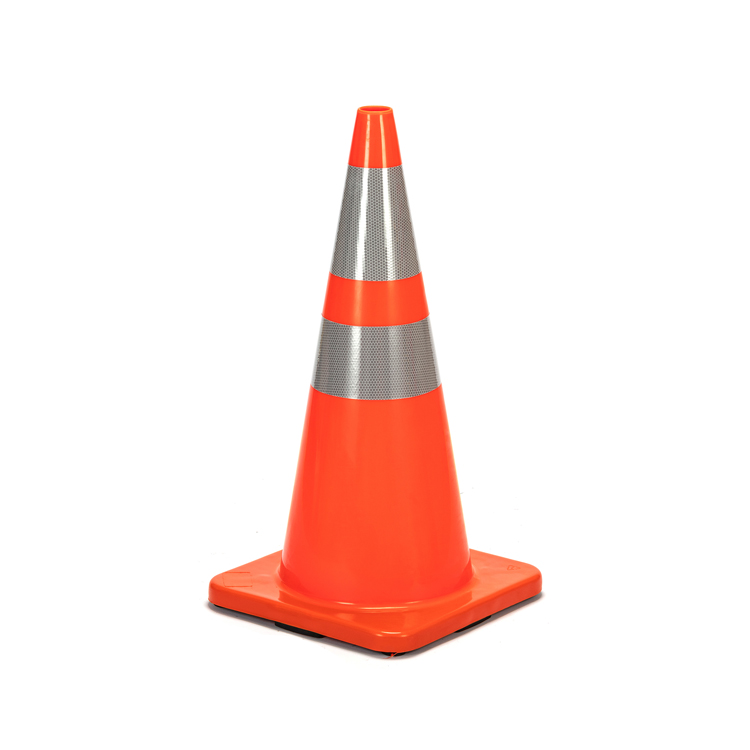
| Polyvinyl Chloride (PVC) | Flexible cones, delineators | Excellent impact recovery and cold-weather performance |
| High-Density Polyethylene (HDPE) | Barricades, drums, rigid signs | High rigidity and structural strength for blow-molded items |
| Polyurethane (PU) | High-impact delineator posts | Survives repeated high-speed vehicle impacts |
| Polycarbonate (PC) | Warning light lenses | Superior optical clarity and shatter resistance |
Beyond the base polymer, UV stabilization is critical. Fluorescent orange and yellow pigments degrade rapidly under direct sunlight. Ensure your supplier uses premium UV inhibitors mixed at the correct ratio during extrusion or molding, rather than relying on surface coatings.
Need a supplier capable of meeting strict MUTCD or EN standards? We verify factory capabilities and handle the sourcing process from end to end.
Talk to our teamReflectivity and Optical Standards
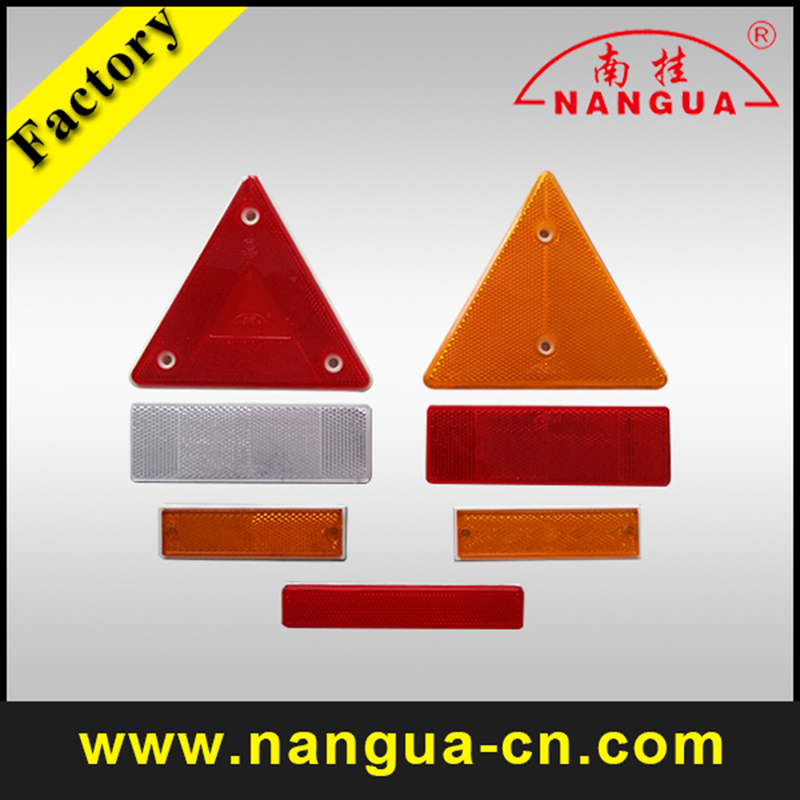
For passive warning products, the reflective sheeting is often the most expensive component. Factories typically offer domestic Chinese reflective films by default, which vary wildly in retroreflectivity and lifespan.
When ordering, you must specify the exact grade of reflectivity required by your target market:
- Engineer Grade (EG): Enclosed glass bead technology. Suitable for low-speed areas and temporary work zones.
- High-Intensity Prismatic (HIP): Microprismatic technology offering superior visibility at wider angles. The standard for most municipal and highway applications.
- Diamond Grade (DG3): Maximum retroreflectivity for high-risk zones.
If your contracts require specific brand-name sheeting (such as 3M or Avery Dennison), this must be negotiated upfront. Utilizing OEM/ODM Services allows you to specify exactly which third-party materials are integrated into your final product, ensuring compliance with local transport authority requirements.
Quality Control on the Factory Floor
Defects in traffic warning products often stem from rushed molding cycles or poor assembly protocols. Implementing rigorous Quality Control & Inspection before shipment is the only way to catch these issues before they cross the ocean.
Critical Factory QC Checks
- Drop testing and impact recovery testing at extreme temperatures (hot and cold).
- Verification of reflective tape adhesion (peel testing) to ensure it survives wet conditions.
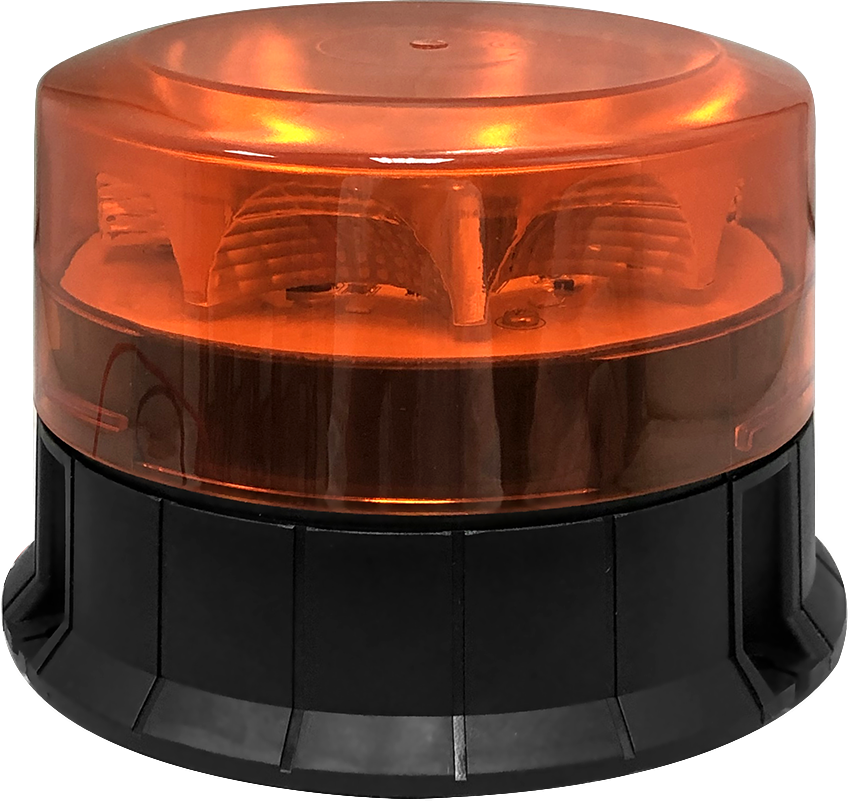
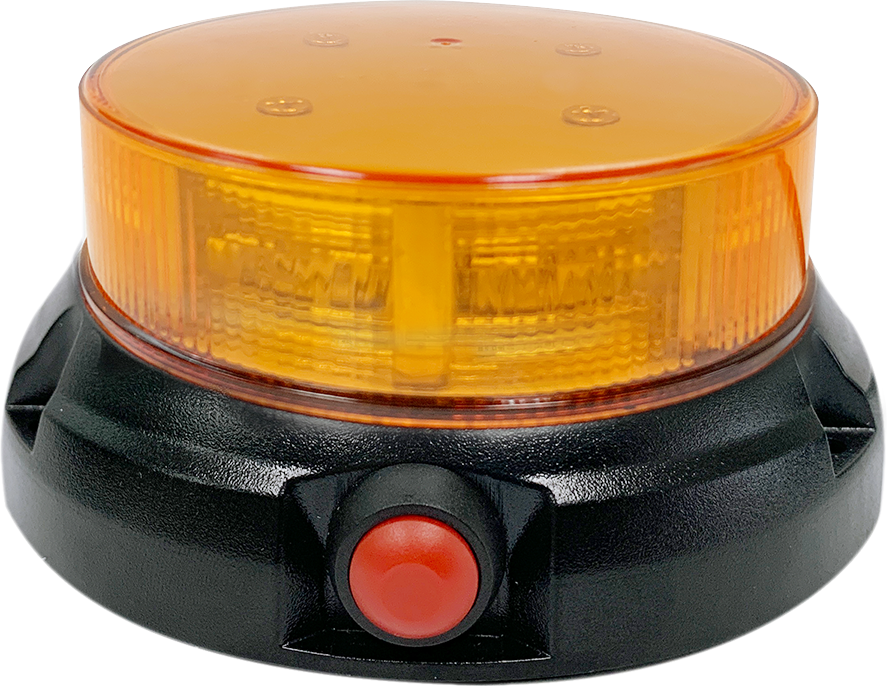
- IP rating verification for active warning lights (water ingress testing on seals and enclosures).
- Weight tolerance checks on bases (e.g., recycled rubber cone bases) to ensure wind resistance.
- Spectrophotometer checks to verify fluorescent color coordinates match regulatory standards.
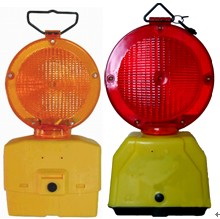
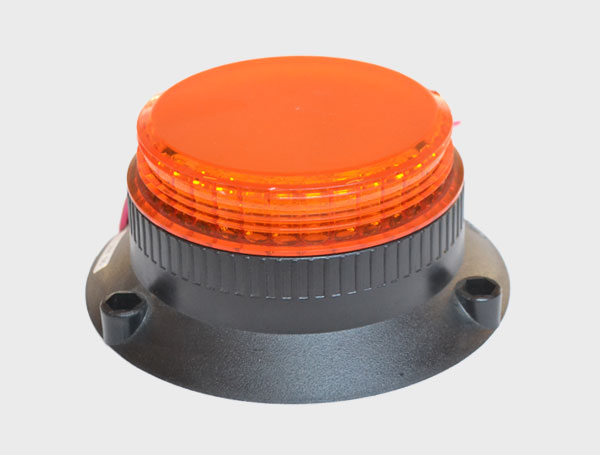
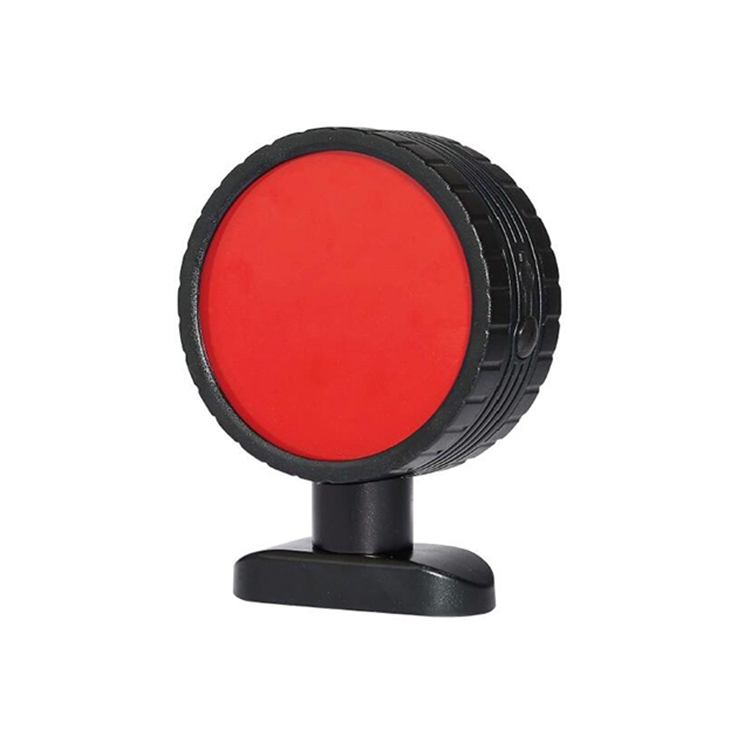
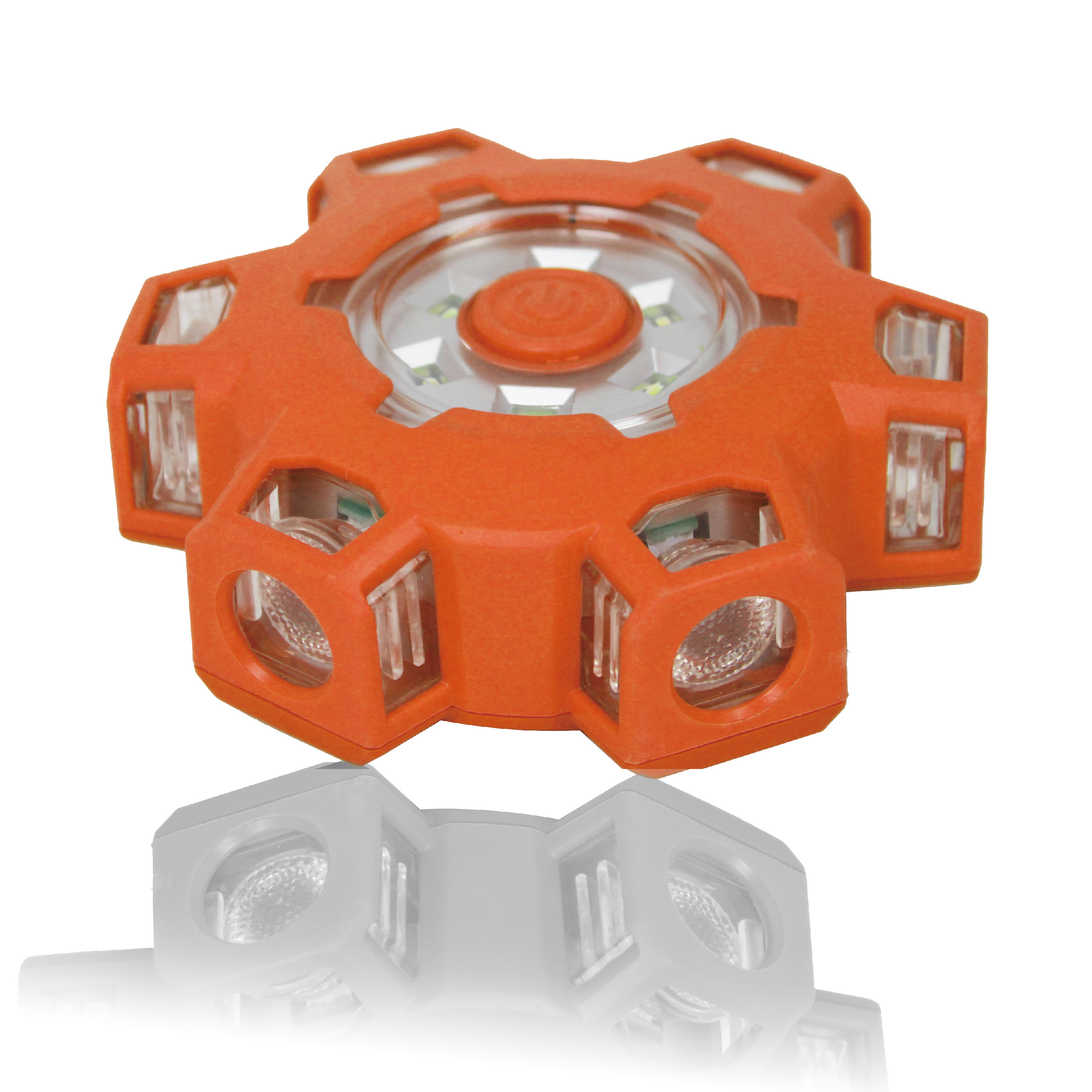
For active warning products like solar-powered barricade lights, battery chemistry and PCB potting are frequent failure points. Ensure the factory uses properly binned LEDs and seals the circuitry against moisture and corrosive road salts.
MOQs, Pricing, and Lead Times
Traffic warning products are high-volume, low-margin commodities where freight optimization plays a massive role in landed costs.
Pricing is driven primarily by polymer weight and the grade of reflective sheeting. Because these items are bulky, maximizing container space is crucial. Nestable designs (like stackable cones and folding barricades) significantly reduce freight costs per unit.
Looking to optimize your container load or consolidate shipments from multiple safety equipment factories? Let our logistics experts streamline your supply chain.
Get a free consultationFrequently Asked Questions
Successfully importing traffic warning products means mastering the details of polymer science, optical reflectivity, and freight geometry. By defining rigid specifications and enforcing them through strict factory oversight, you protect your margins and your reputation in the roadway safety market.
Get Sourcing Help for Traffic Warning Products
Tell us your requirements and our experts will connect you with verified manufacturers.