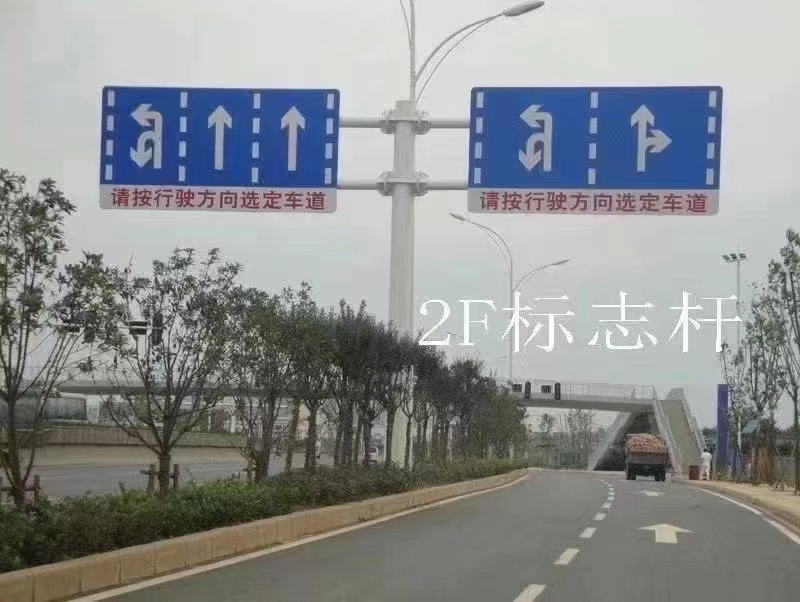
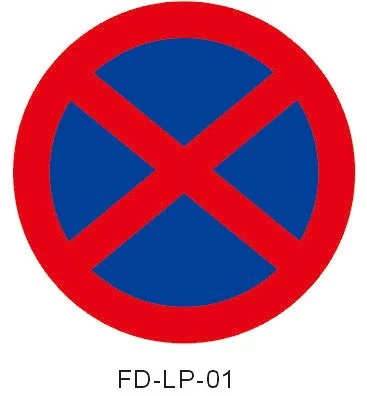
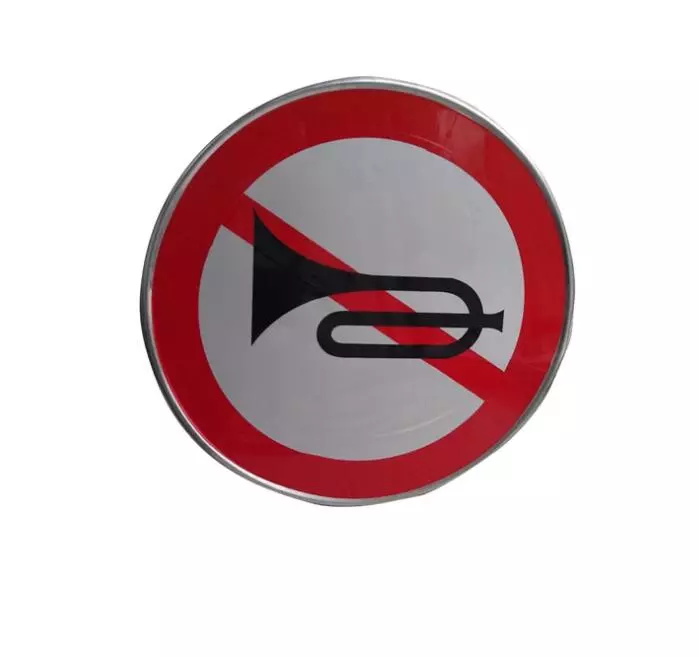
Traffic Signs
Source bulk traffic signs from vetted manufacturers and suppliers. Designed for importers, wholesalers, distributors, and brands looking for OEM and private-label production, our network offers high-quality roadway signage that meets strict regulatory standards at competitive wholesale pricing.
Sourcing traffic signs in bulk requires balancing strict regional regulatory standards—such as MUTCD in North America or EN 12899-1 in Europe—with harsh environmental demands. The core sourcing challenge is ensuring consistent retroreflectivity, proper substrate preparation, and reliable sheeting adhesion across high-volume production runs. A misstep in factory selection can lead to premature delamination, fading, and rejected shipments that fail municipal compliance checks.
Substrate Specifications and Surface Preparation
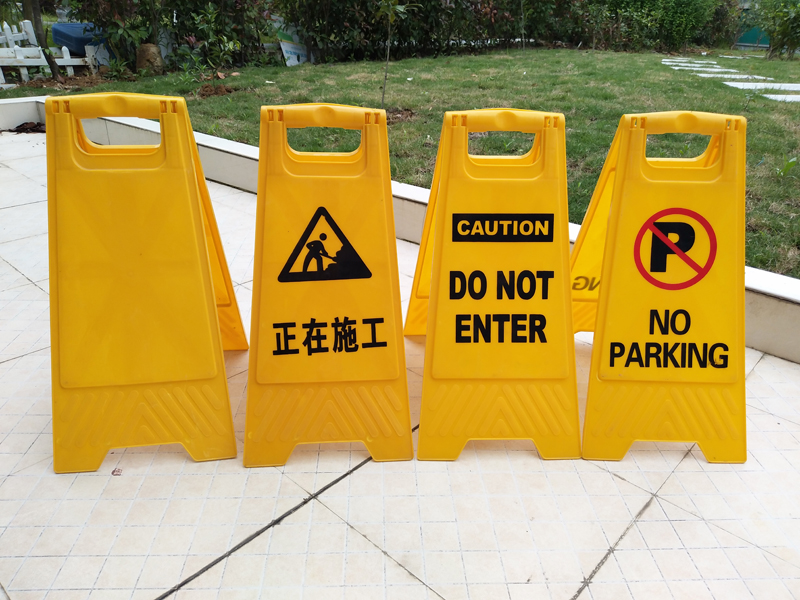
The foundation of any durable road sign is the substrate. While some temporary signage uses corrugated plastic or steel, permanent traffic signs are predominantly manufactured from aluminum due to its high strength-to-weight ratio and corrosion resistance.
When specifying orders with overseas manufacturers, you must define the exact aluminum alloy and temper. Alloy 5052-H38 or 6061-T6 are standard for rigid highway signs. Thickness typically ranges from 0.080 inches for standard municipal signs up to 0.125 inches for large expressway panels.
The most common point of failure in imported traffic signs is not the aluminum itself, but the surface preparation. Before reflective sheeting is applied, the aluminum blank must undergo a chemical conversion coating (such as alodine or chromate treatment). If a factory skips this step to cut costs—relying only on a basic solvent wipe—the reflective sheeting will inevitably peel or bubble after a few months of UV exposure and temperature cycling. Conducting thorough Factory Audits is essential to verify that the supplier has proper, automated chemical bath lines in-house.
Ensure your suppliers are using the correct aluminum alloys and chemical conversion processes. We vet factories to guarantee long-term product durability.
Talk to our teamReflective Sheeting and Compliance Standards
Reflective sheeting dictates the optical performance and regulatory compliance of the sign. Buyers must specify the exact class of reflectivity required, usually benchmarked against ASTM D4956 standards.
| Sheeting Type | ASTM Type | Typical Lifespan | Primary Application |
|---|---|---|---|
| Engineer Grade (EG) | Type I | 5 to 7 years | Parking lots, private roads, temporary work zones |
| High Intensity Prismatic (HIP) | Type III / IV | 10 years | Standard municipal roads, warning signs |
| Diamond Grade (DG) | Type IX / XI | 10 to 12 years | High-speed highways, overhead guide signs |
When negotiating with manufacturers, clarify the origin of the reflective sheeting. Premium signs utilize branded sheeting from companies like 3M, Avery Dennison, or Nikkalite. Many Chinese manufacturers offer domestic "equivalent" prismatic sheeting at a significantly lower cost. While some high-end domestic brands perform exceptionally well, lower-tier generic sheeting often suffers from rapid UV degradation and inconsistent retroreflectivity angles. If you specify branded sheeting, robust supply chain oversight is required to ensure counterfeit materials are not substituted during production.
Manufacturing Methods and Quality Control
Traffic signs are typically printed using either traditional screen printing or digital printing. Screen printing remains the most cost-effective method for large runs of standard regulatory signs (like Stop or Yield signs) and offers excellent ink durability. Digital printing is increasingly used for custom guide signs and smaller MOQ runs, but it requires a specialized UV-protective clear overlay to prevent rapid fading.
To catch defects before shipping, implement strict Quality Control & Inspection protocols at the factory level.
Critical Pre-Shipment Inspection Points
- Retroreflectivity testing using a calibrated retroreflectometer (measured in cd/lx/m²).
- Cross-hatch adhesion testing to ensure ink and sheeting bond securely to the substrate.
- Edge sealing verification (crucial for prismatic sheeting to prevent water ingress).
- Dimensional tolerance checks on punched mounting holes and corner radii.
- Visual inspection for trapped dust or air bubbles beneath the reflective sheeting.
Navigating these requirements often requires third-party Compliance & Testing to generate the certified laboratory reports that government procurement contracts demand.
Typical MOQs, Pricing, and Lead Times
Pricing for traffic signs is highly volatile and depends entirely on the current cost of aluminum and the grade of reflective sheeting specified.
For maximum freight efficiency, traffic signs should be shipped flat on custom pallets. Because aluminum blanks are dense and heavy, shipping costs can quickly erode margins if container space is not optimized.
Need to optimize your unit costs and secure reliable production timelines? Let us help you structure a more efficient supply chain.
Get a free consultationSuccessfully sourcing traffic signs at scale requires moving past surface-level unit prices and auditing the manufacturer's substrate preparation, sheeting procurement, and testing capabilities. By strictly controlling these technical variables, you can secure highly competitive production that meets the uncompromising standards of roadway infrastructure.
Get Sourcing Help for Traffic Signs
Tell us your requirements and our experts will connect you with verified manufacturers.