Traffic Barriers
Source high-quality traffic barriers from vetted manufacturers and suppliers in China and across Asia. Designed for importers, wholesalers, distributors, and brands seeking reliable OEM and private-label production, our bulk sourcing solutions ensure compliant, durable roadway safety equipment at competitive wholesale prices.
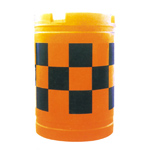
Sourcing traffic barriers at scale presents a unique set of procurement challenges. Whether you are importing water-filled plastic barricades, heavy-duty steel guardrails, or expandable crowd-control barriers, the primary hurdles are rarely just unit cost. Success in this category hinges on verifying raw material integrity, navigating strict regional crash-test compliance, and optimizing freight density for notoriously bulky products.
Material Selection and Manufacturing Processes
The durability of a traffic barrier is dictated by its manufacturing process and raw material purity. For plastic barriers, manufacturers typically use Low-Density Polyethylene (LDPE) or High-Density Polyethylene (HDPE). The choice of molding technique directly impacts the barrier's impact resistance and longevity.
| Molding Process | Wall Uniformity | Tooling Cost | Best Application |
|---|---|---|---|
| Rotational Molding | Excellent (stress-free corners) | Moderate | Heavy-duty, water-filled crash barriers |
| Blow Molding | Variable (prone to thin edges) | High | Lightweight pedestrian barricades |
| Injection Molding | Highly precise | Very High | Small modular barrier components |
For rotomolded products, the cooling cycle is critical. If a factory rushes the cooling phase to increase production volume, the plastic will warp and suffer from internal stress, leading to premature failure upon impact. Verifying these production parameters requires rigorous Quality Control & Inspection during the manufacturing run, not just prior to shipment.
Struggling with inconsistent product quality from overseas suppliers? Let us manage your factory vetting and production oversight.
Talk to our teamCritical Quality Standards and Compliance
Roadway safety products are heavily regulated. A barrier that looks identical to a compliant model may fail catastrophically if the manufacturer cut corners on material formulation or structural design.
When vetting a supplier, focus on their testing infrastructure and material formulations:
Key Manufacturer Verification Points
- UV Stabilizer Ratios: Plastics must contain adequate anti-aging additives (typically 3 to 5 percent) to prevent embrittlement under continuous sun exposure.
- Crash Test Certifications: Verify authenticity of claims regarding MASH, NCHRP 350, or EN 1317 compliance. Many factories borrow certificates from domestic partners.
- Wall Thickness Tolerances: Specify minimum wall thickness in millimeters, especially at the bottom corners of water-filled units.
- Steel Galvanization: For metal barriers, confirm the zinc coating thickness (measured in microns or g/m²) meets local highway authority standards.
Relying solely on a factory's self-reported specifications is a significant risk. Conducting thorough Factory Audits ensures the supplier actually possesses the testing equipment (like UV weathering chambers and drop-test rigs) they claim to have. If your market requires specific regulatory approvals, coordinating proper Compliance & Testing through accredited third-party labs is non-negotiable.
Freight Optimization: The Hidden Cost Driver
Traffic barriers are inherently voluminous. You are effectively paying to ship air. A supplier's ability to design and manufacture nestable or stackable barriers can reduce your landed cost by up to 40 percent.
Freight Density Matters
A standard 40HQ container might hold 300 non-nestable barriers, but over 800 properly designed nestable units. Always calculate your landed cost based on container capacity, not just the EXW unit price.
When developing custom molds, freight efficiency must be engineered into the product from day one. Engaging an experienced partner for Shipping & Freight consolidation and container loading optimization is just as important as negotiating the unit cost.
Pricing Structures, MOQs, and Lead Times
Because traffic barriers are bulky and relatively low-margin for the manufacturer, pricing and Minimum Order Quantities (MOQs) are almost entirely dictated by container yields and raw material indices.
Unit prices fluctuate based on the global cost of petroleum (for PE resin) and iron ore (for steel). When negotiating, establish whether prices are tied to a specific resin index to avoid arbitrary price hikes on repeat orders.
Ready to optimize your supply chain and reduce landed costs for bulky safety equipment? Connect with our sourcing experts today.
Get a free consultationFrequently Asked Questions
Sourcing traffic barriers requires a holistic approach that balances material integrity, structural compliance, and rigorous freight optimization. By partnering with a dedicated sourcing team, you can bypass trading companies, negotiate directly with capable factories, and ensure your shipments arrive on spec and on budget.
Get Sourcing Help for Traffic Barriers
Tell us your requirements and our experts will connect you with verified manufacturers.