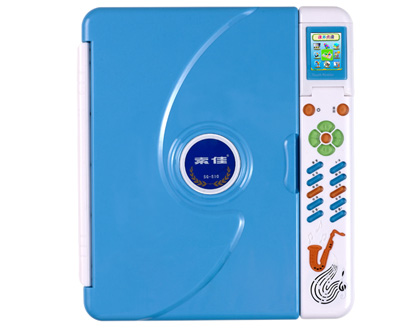
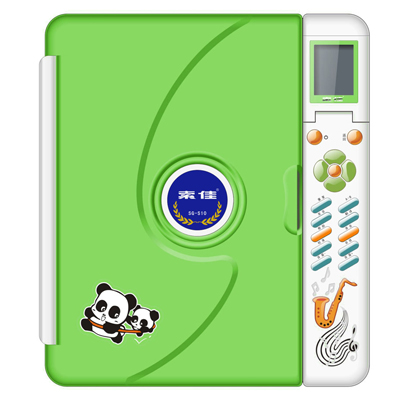
Toy Musical Instruments
Source bulk toy musical instruments directly from vetted manufacturers and suppliers. Designed for importers, wholesalers, and educational brands looking for reliable OEM and private-label production, our network delivers compliant, high-quality instruments ready for global distribution.
Sourcing toy musical instruments requires a delicate balance between acceptable acoustic performance and strict child safety regulations. Whether you are procuring electronic keyboards, acoustic wooden percussion, or plastic wind instruments, the core manufacturing challenges remain the same: controlling decibel output, ensuring material safety, and engineering components to withstand aggressive physical abuse without creating choking hazards.
For high-volume buyers, success depends on partnering with factories that understand both toy compliance and basic acoustic engineering, rather than generic plastic molding facilities.
Core Material and Specification Decisions
The material composition of a toy instrument dictates its factory origin. Electronic plastic instruments are typically sourced from the electronics manufacturing hubs in Guangdong (like Chenghai), while wooden acoustic instruments are predominantly manufactured in Zhejiang (like Yunhe).
When specifying your product, the choice of materials impacts durability, safety compliance, and tooling costs.
| Material / Component | Common Application | Sourcing Considerations |
|---|---|---|
| ABS Plastic | Electronic keyboards, wind instruments | High impact resistance. Custom shapes require expensive injection molds, driving up initial MOQs. |
| Wood (MDF or Solid) | Xylophones, percussion, castanets | Premium positioning. Requires strict moisture content control (typically 8-12 percent) to prevent warping in transit. |
| Sound ICs (Electronic) | Guitars, drum pads, pianos | Cost depends on polyphony (simultaneous notes) and memory size for pre-recorded tracks. |
If you are developing custom shapes or proprietary sound modules, utilizing specialized OEM/ODM Services is critical to ensure your designs are optimized for mass production without compromising structural integrity.
Developing a custom toy instrument? Ensure your designs meet global acoustic and safety standards before opening expensive molds.
Talk to our teamNavigating Toy Safety and Acoustic Compliance
Toy musical instruments face a unique layer of regulatory scrutiny: acoustic safety. Unlike standard toys, these products are designed to emit noise, often close to a child's ear.
Failing to meet acoustic limits is a leading cause of customs seizures and product recalls in this category.
Critical Compliance Checks for Toy Instruments
- Acoustic Limits: Continuous sound must typically remain under 85 dB, and impulse sounds (like drum strikes) under 115 dB (per EN71-1 and ASTM F963).
- Small Parts & Tension: Mallets, keys, and buttons must pass strict tension and bite tests to ensure they do not detach and form choking hazards.
- Chemical Safety: All paints, varnishes (on wood), and plastics must pass heavy metal (lead, cadmium) and phthalate testing.
- Battery Compartments: Must be secured with a screw or require two independent movements to open, preventing access to button cells.
Because testing protocols vary significantly between the EU (CE/EN71), US (ASTM/CPSC), and other markets, integrating rigorous Compliance & Testing into your sourcing timeline is non-negotiable.
Quality Control on the Factory Floor
A factory's ability to produce a golden sample does not guarantee consistency across a 10,000-unit run. In toy instrument manufacturing, defects often manifest in the assembly and tuning phases. For electronic items, poor soldering can lead to dead keys. For acoustic items like xylophones, inconsistent metal thickness or poor mounting can result in dead or highly dissonant notes.
Implementing robust Quality Control & Inspection during production (In-Line Inspection) allows you to catch acoustic inconsistencies and assembly flaws before the goods are packaged. Pay special attention to drop testing during pre-shipment inspections, as the internal acoustic chambers and heavy battery packs make these toys susceptible to cracking upon impact.
Typical MOQs, Pricing, and Lead Times
Production minimums and lead times vary heavily based on the level of customization. Off-the-shelf white-label products require significantly less commitment than fully custom OEM projects requiring new molds and custom sound ICs.
Need to negotiate better MOQs or consolidate shipments from multiple toy factories? Let our sourcing experts streamline your supply chain.
Get a free consultationFrequently Asked Questions
Sourcing toy musical instruments at scale means managing the intersection of acoustic engineering, child safety compliance, and cost-effective manufacturing. By defining precise technical specifications and maintaining strict oversight during production, buyers can avoid costly compliance failures and deliver high-quality educational products to their markets. If you need experienced boots on the ground to manage factory vetting, compliance, and quality control, our team is ready to assist.
Get Sourcing Help for Toy Musical Instruments
Tell us your requirements and our experts will connect you with verified manufacturers.