Towel Making Machines
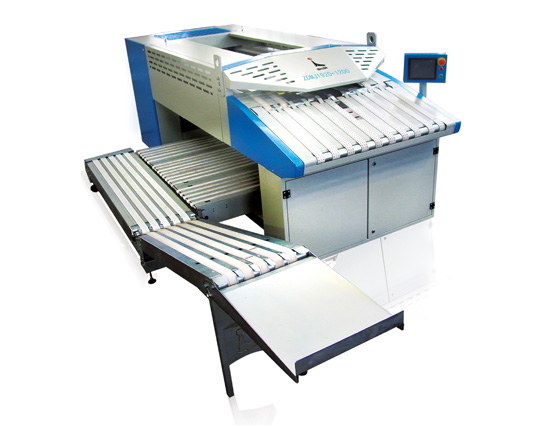
Source industrial towel making machines from vetted suppliers and manufacturers in China and Asia. Designed for textile mills, importers, and large-scale wholesalers, our network offers high-speed terry looms, jacquard machines, and automated hemming lines for volume OEM and private-label production.
Investing in industrial towel making machines is a major capital expenditure that directly dictates your production capacity, fabric quality, and operational overhead. Whether you are upgrading an existing textile mill or establishing a new terry weaving line, sourcing the right machinery requires a strict evaluation of weft insertion technologies, shedding mechanisms, and component reliability. The primary sourcing challenge is identifying manufacturers who use precision-machined core components rather than cheap cast alternatives that lead to vibration, excessive downtime, and frequent part replacement.
Terry Weaving Technologies: Rapier vs. Air-Jet
The core of towel manufacturing is the terry loom. The market is dominated by two primary weft insertion technologies: rapier and air-jet. Choosing between them depends on your required production speed, fabric weight, and energy budget.
| Specification | Rapier Terry Looms | Air-Jet Terry Looms |
|---|---|---|
| Typical Speed (RPM) | 250 to 450 RPM | 500 to 750 RPM |
| Weft Insertion Rate | Up to 1000 m/min | Up to 1500 m/min |
| Energy Consumption | Lower (mechanical) | High (requires compressed air) |
| Flexibility | Excellent for heavy/complex yarns | Best for standard, high-volume runs |
| Capital Investment | Moderate | High (plus compressor costs) |
Critical Specifications and Components
When evaluating a supplier's machine, the technical specifications sheet must be scrutinized. High-quality Chinese manufacturers often integrate European or Japanese electronic components into their frames to balance cost and reliability.
Key Machinery Components to Verify
- Shedding Mechanism: Confirm if the machine uses Dobby or Jacquard shedding (e.g., Stäubli or high-end domestic equivalents) based on your pattern requirements.
- Electronic Control Systems: Look for recognized PLC brands (Siemens, Mitsubishi) to ensure stable operation and easier troubleshooting.
- Let-off and Take-up Motors: Servo-motor driven electronic let-off (ELO) and electronic take-up (ETU) are mandatory for consistent pile height and loop quality.
- Reed Width: Standard widths range from 190cm to 340cm. Ensure the width aligns with your intended towel dimensions to minimize waste.
- Frame Construction: The side frames must be solid, CNC-machined iron to absorb vibration at high speeds.
If you are unsure whether a supplier actually machines their own frames or merely assembles parts in a shed, conducting comprehensive Factory Audits is a critical step before placing any deposits.
Need expert help evaluating machinery suppliers and technical specifications?
Talk to our teamQuality Control and Factory Acceptance Testing
You cannot afford to discover a machine defect after it has been shipped across the world. Quality control for heavy textile machinery requires rigorous in-factory testing.
Before final payment, a Factory Acceptance Test (FAT) must be performed. This involves running the loom at the supplier's facility using your specific yarn specifications. The machine should run continuously for several hours to check for vibration levels, operating temperature of the main motor, and the consistency of the terry loops. Engaging professional Product Sourcing teams to oversee this FAT ensures that the machine meets your exact technical requirements before it is crated.
Pricing, MOQs, and Lead Times
Buying industrial machinery differs significantly from sourcing consumer goods. Production is almost always made-to-order based on your chosen reed width and shedding configuration.
Shipping these machines requires specialized logistics. A standard 190cm rapier loom can often fit into a standard container, but wider 340cm machines or full automated hemming lines may require Out of Gauge (OOG) shipping or flat rack containers. Coordinating with a robust Shipping & Freight partner is essential to ensure the machinery is properly lashed, coated in anti-rust oil, and vacuum-sealed for the ocean voyage.
Planning a heavy machinery import and need reliable freight and installation coordination?
Get a free consultationBuyer FAQ
When sourcing towel making machines, the total cost of ownership over a ten-year lifespan is far more important than the initial FOB price. Prioritize manufacturers who invest in heavy-duty frame casting and reliable electronic controls to ensure your production line remains profitable and efficient.
Get Sourcing Help for Towel Making Machines
Tell us your requirements and our experts will connect you with verified manufacturers.