Touchscreen Monitors
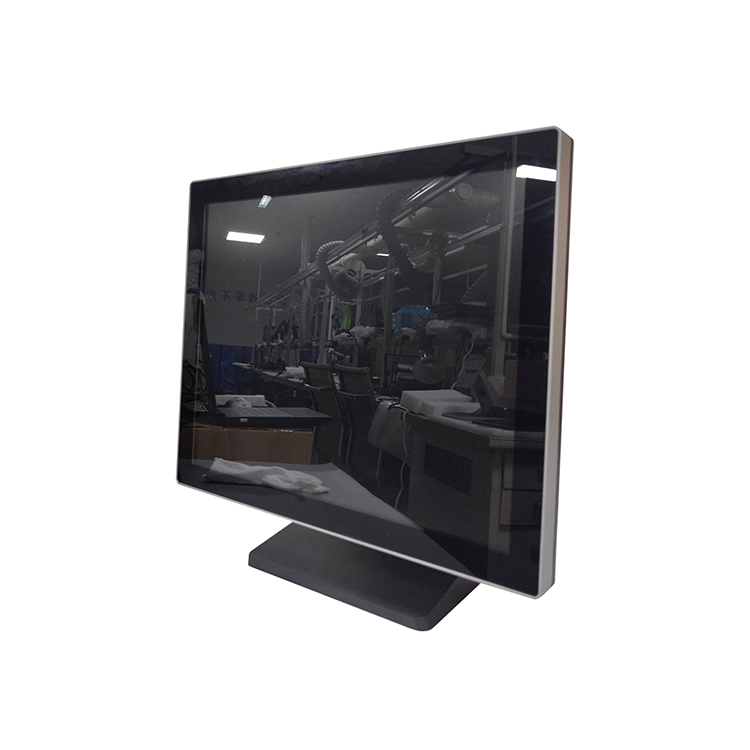
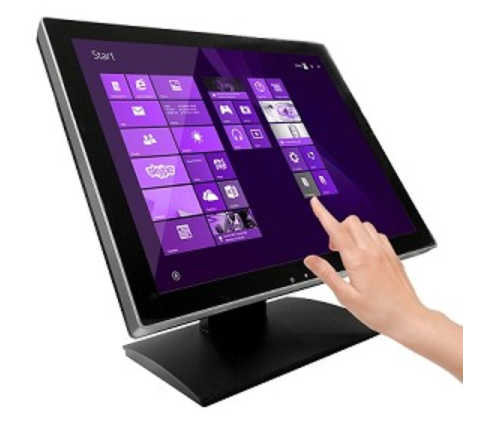
Source high-quality touchscreen monitors directly from vetted manufacturers and wholesale suppliers. Designed for importers, distributors, and brands seeking reliable OEM or private-label production, our factory-direct network offers scalable solutions for industrial, commercial, and consumer display requirements.
Sourcing touchscreen monitors in volume requires balancing display performance with sensor durability. Unlike standard monitors, touch displays introduce complex variables in lamination, touch controller integration, and environmental sealing. Securing a reliable supply chain means vetting factories not just for panel assembly, but for cleanroom bonding capabilities and rigorous defect testing.
Touch Technology and Panel Specifications
Selecting the right touch technology dictates the monitor's lifespan, responsiveness, and suitability for the end environment. While consumer displays prioritize multi-touch aesthetics, industrial and commercial applications often demand specific durability standards.
| Technology | Primary Advantage | Typical Application | Limitations |
|---|---|---|---|
| Projected Capacitive (PCAP) | Multi-touch, high clarity, durable glass | Retail POS, medical, consumer | Struggles with heavy gloves or heavy water exposure |
| Resistive (4/5-Wire) | Works with any stylus/glove, low cost | Industrial control panels, harsh environments | Lower optical clarity, single-touch only |
| Infrared (IR) | Scales to large sizes, durable | Interactive kiosks, digital signage | Bezel depth required, susceptible to false touches from debris |
Beyond the touch layer, the underlying TFT-LCD or OLED panel specifications must align with your market's expectations. Key variables include:
- Brightness (Nits): Standard indoor monitors operate around 250 to 350 nits. High-brightness or sunlight-readable displays require 1,000 to 2,500 nits, necessitating advanced thermal management.
- Touch Controller IC: The integrated circuit processing touch inputs is critical. Brands like EETI or ILITEK are industry standards for industrial reliability, offering firmware tuning for water rejection or thick-glove operation.
- Cover Glass Treatment: Specify Anti-Glare (AG), Anti-Reflective (AR), or Anti-Fingerprint (AF) coatings based on lighting conditions and usage frequency.
Navigate complex panel specifications and secure the right touch technology for your specific application.
Talk to our teamManufacturing Processes and Quality Control
The most critical phase in touchscreen manufacturing is the bonding process between the touch sensor and the LCD panel.
Standard "air bonding" uses double-sided tape around the perimeter, leaving an air gap. This is cost-effective but prone to condensation and internal dust if the seal degrades. "Optical bonding" fills the gap with optically clear adhesive (OCA) or liquid optically clear resin (LOCR). This eliminates internal reflections, improves contrast, and increases physical durability, but requires advanced cleanroom facilities to execute without trapping bubbles or dust.
Validating a factory's cleanroom standards and lamination yield rate is essential. This is where comprehensive factory audits separate capable tier-one assemblers from low-tier workshops.
Critical Pre-Shipment Quality Checks
- Dead/Stuck Pixel Tolerance: Verify adherence to ISO 9241-302 standards for Grade A panels.
- Touch Linearity and Ghosting: Automated grid testing to ensure no dead zones or false inputs.
- Backlight Bleeding: Visual inspection in darkroom conditions to ensure uniform edge lighting.
- Bonding Integrity: Inspection for micro-bubbles, dust particles, or yellowing in optically bonded units.
- IP Rating Verification: Water ingress testing for bezels claiming IP65 or higher front-panel ratings.
Implementing stringent quality control & inspection protocols at the factory level prevents costly RMA processes and protects your brand reputation.
Pricing Drivers, MOQs, and Lead Times
Pricing for touchscreen monitors fluctuates based on panel size, touch technology, and customization requirements. Customization often involves bespoke cover glass dimensions, printed ceramic borders, or specialized mounting brackets.
Partnering with factories that offer robust OEM/ODM services allows you to tailor the product to your exact market needs, from custom firmware tuning to proprietary housing designs. Be aware that specifying Grade A+ panels (zero dead pixels guaranteed) will carry a premium over standard Grade A panels (which allow a minimal, industry-standard number of sub-pixel defects).
Ensure your supplier has the cleanroom facilities and technical capability to deliver defect-free displays at scale.
Get a free consultationFrequently Asked Questions
Successfully importing touchscreen monitors requires looking past the spec sheet and verifying the manufacturer's actual assembly environment and component supply chain. Working with a professional sourcing partner ensures your displays are built to standard, tested rigorously, and delivered on schedule.
Get Sourcing Help for Touchscreen Monitors
Tell us your requirements and our experts will connect you with verified manufacturers.