Tool Parts
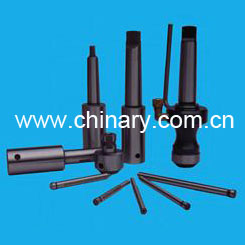
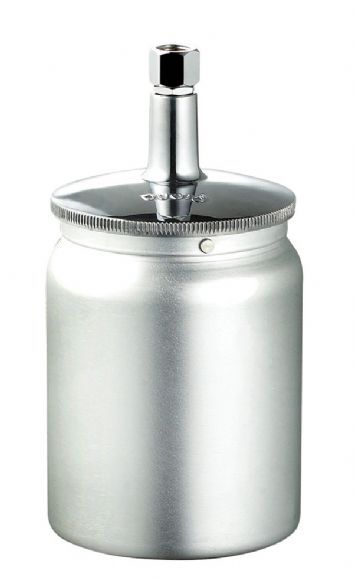
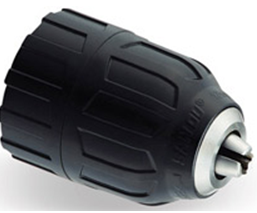
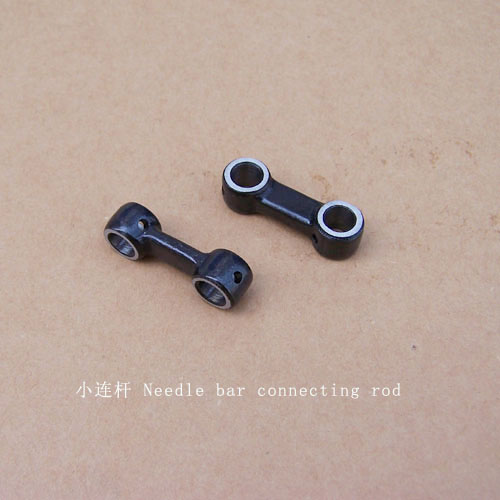
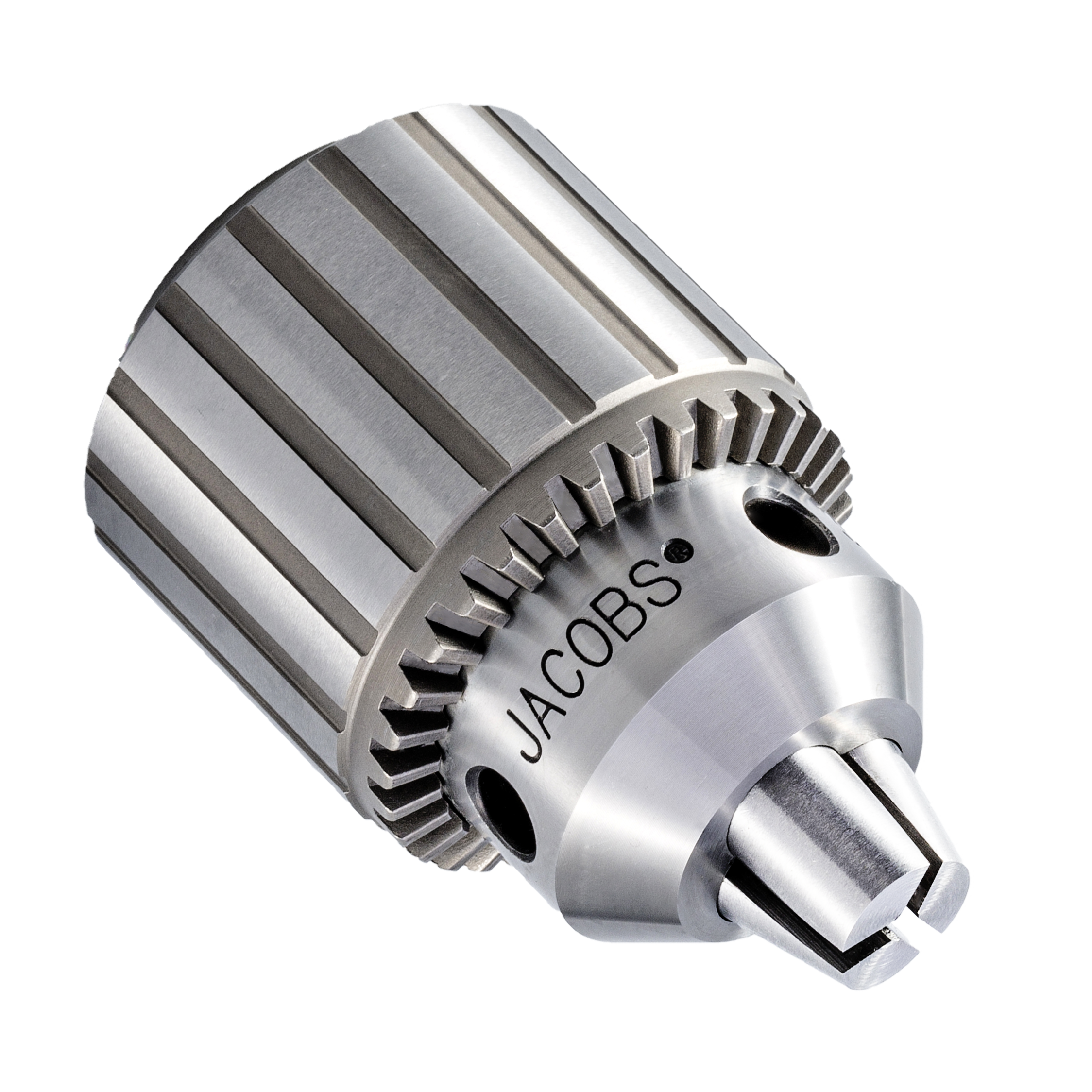
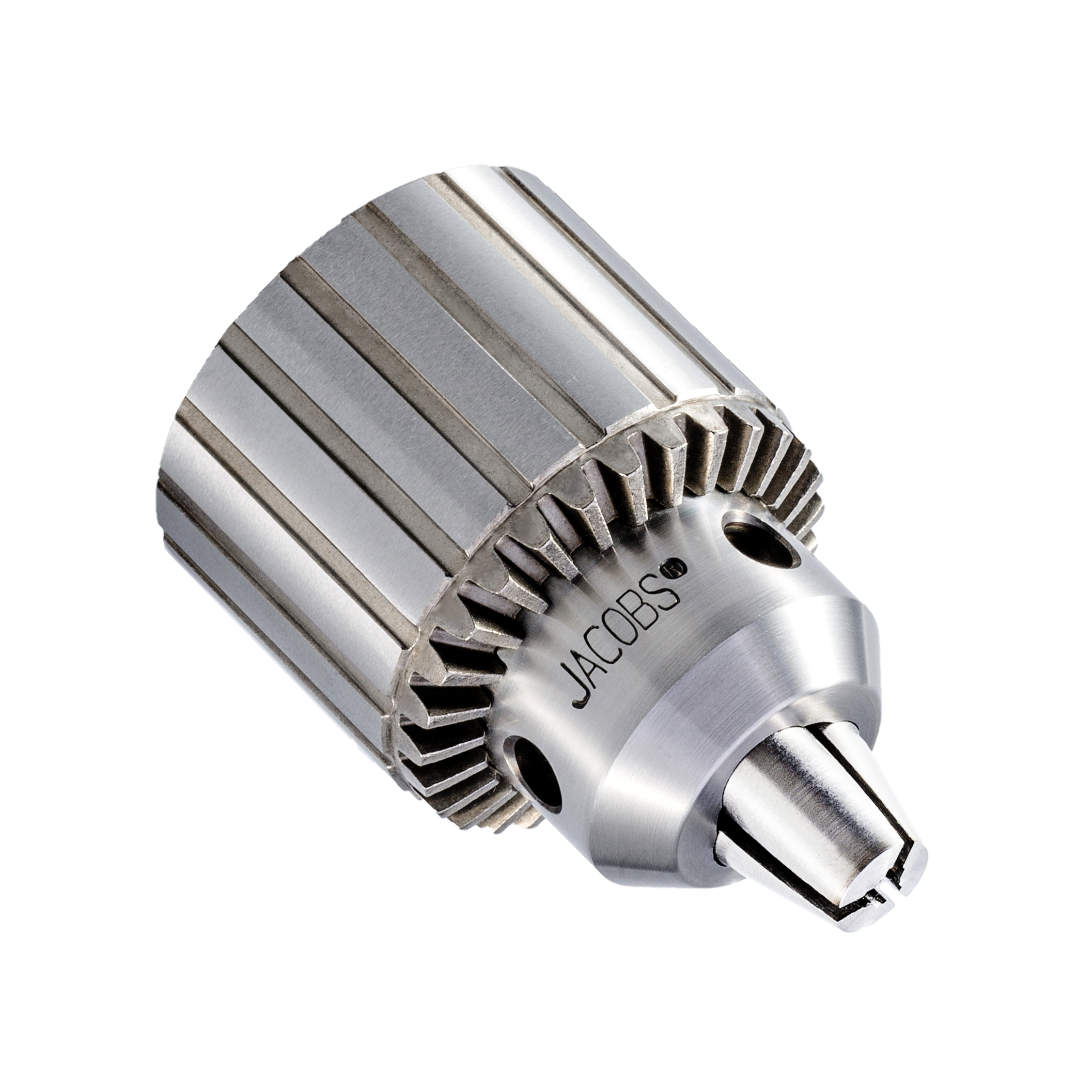
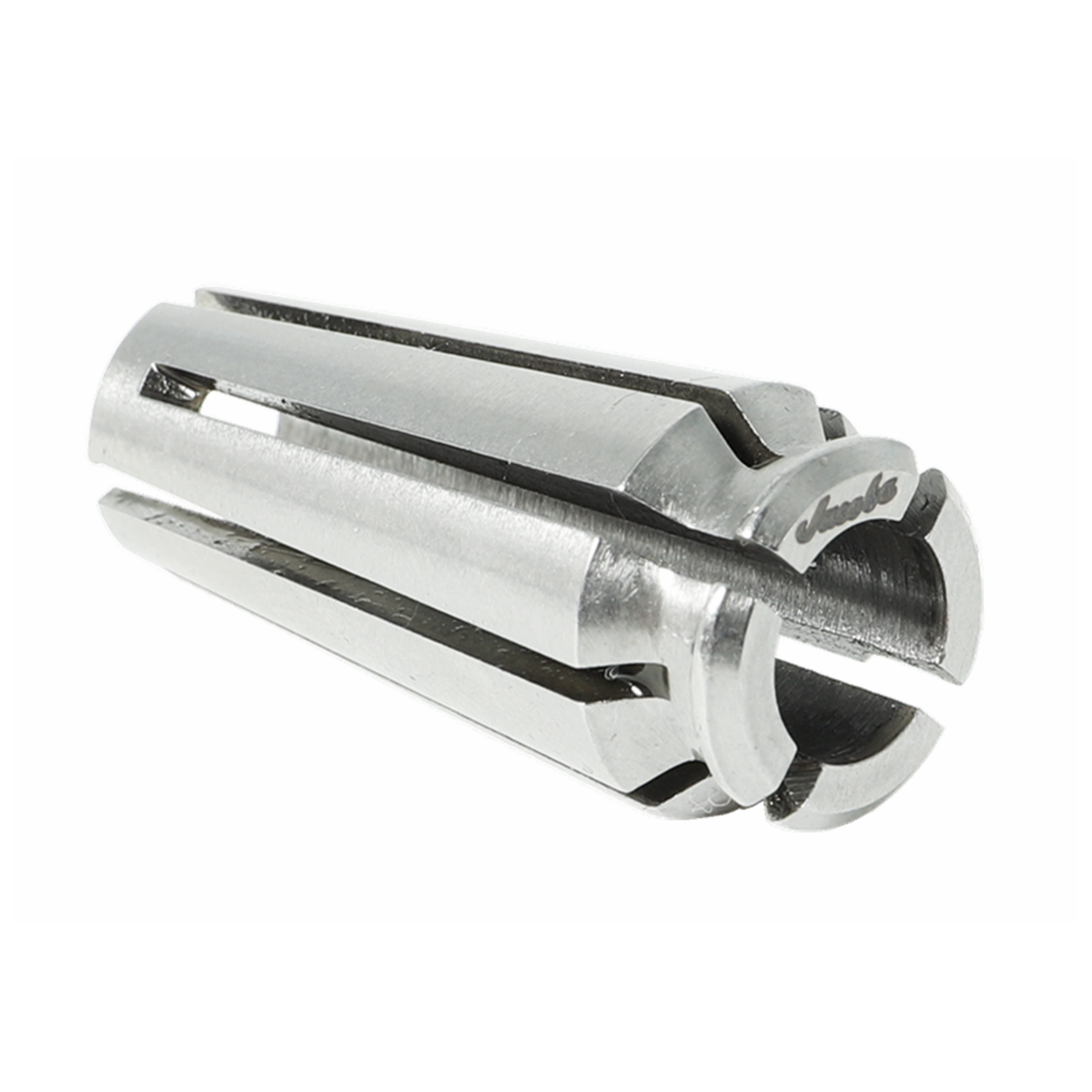
Source precision-engineered Tool Parts in bulk from vetted manufacturers and suppliers across Asia. Designed for importers, distributors, and brands seeking reliable OEM/ODM production, our network delivers high-volume replacement parts, custom hardware, and durable tool components built to exact specifications.
Sourcing tool parts in volume—whether for aftermarket distribution, assembly lines, or custom tool brands—requires strict control over metallurgy, machining tolerances, and heat treatment. A variance of a few fractions of a millimeter or a slight drop in Rockwell hardness can lead to premature wear or catastrophic tool failure under load. Successfully importing these components means moving beyond superficial aesthetics and locking down the exact engineering parameters with your manufacturing partner.
Material Specifications and Heat Treatment
The baseline of any durable tool part is its steel alloy and subsequent heat treatment. Suppliers often quote competitive prices by quietly substituting lower-grade carbon steel for high-performance alloys.
For high-torque or impact applications, Chrome-Vanadium (CR-V) and Chrome-Molybdenum (CR-MO) are the industry standards. CR-MO offers superior impact resistance, making it essential for pneumatic or power tool components, while CR-V provides excellent tensile strength for hand tool parts.
Heat treatment is where quality is frequently won or lost on the factory floor. Improper quenching and tempering lead to parts that are either too brittle (prone to snapping) or too soft (prone to stripping). You must specify the exact Rockwell Hardness (HRC) required for your application and ensure the factory has the capability to test and maintain this standard consistently.
| Manufacturing Process | Typical Application | Tolerance Control | Tooling Investment |
|---|---|---|---|
| Drop Forging | Wrenches, heavy-duty sockets, structural parts | Moderate | High upfront |
| CNC Machining | Precision internal gears, specialized drive components | Very High | Low to None |
| Powder Metallurgy | Complex small gears, ratcheting mechanisms | High | Very High |
| Die Casting | Housings, lightweight non-load-bearing parts | Moderate | High |
Quality Control and Manufacturing Defects
Validating a supplier's production line requires looking closely at their finishing and inspection processes. A factory producing high-quality parts will have rigorous in-house testing for torque yield, dimensional accuracy, and plating adhesion.
Implementing a robust Quality Control & Inspection protocol is critical before shipment. Defects in tool parts are rarely cosmetic; they are functional failures waiting to happen.
Critical QC Checks for Tool Parts
- Spectrometer testing to verify the exact chemical composition of the steel alloy.
- Hardness testing (HRC) on both the core and the surface of the heat-treated part.
- Dimensional inspections using coordinate measuring machines (CMM) to verify tolerances.
- Torque and fatigue testing to ensure the part meets DIN or ANSI standards.
- Salt spray testing to verify the corrosion resistance of chrome, phosphate, or black oxide finishes.
Need to ensure your tool parts meet strict dimensional and material tolerances? Let us manage the technical sourcing and factory vetting.
Talk to our teamAuditing Supplier Capabilities
The Asian manufacturing landscape for hardware is dense with trading companies posing as direct manufacturers. While a trading company might offer a wide catalog, they lack control over the metallurgical processes and machining precision required for high-end tool parts.
When sourcing custom components through OEM/ODM Services, you must verify the actual machinery on the factory floor. Do they have their own forging presses and continuous heat-treatment furnaces, or are these critical steps subcontracted to secondary facilities? Subcontracting heat treatment introduces a massive variable in batch-to-batch consistency. Conducting thorough Factory Audits is the only way to confirm a supplier's true production capacity and quality management systems (such as ISO 9001).
Pricing, Tooling, and Lead Times
Pricing for tool parts is driven heavily by raw material costs, the complexity of the machining, and the required surface finish. Buyers must also account for tooling costs, especially for forged or cast components.
Tooling costs can range from a few hundred dollars for simple stamping dies to several thousand for complex forging or powder metallurgy molds. Negotiating mold ownership and maintenance terms upfront is vital to protecting your intellectual property and preventing the factory from selling your custom parts to competitors.
Looking to optimize your tooling investments and secure reliable bulk pricing? We negotiate directly with top-tier manufacturers on your behalf.
Get a free consultationFrequently Asked Questions
Sourcing reliable tool parts is an exercise in risk management and technical oversight. Success requires looking past the initial unit price to ensure the foundational metallurgy, machining, and finishing processes are strictly controlled from the first sample to the final bulk shipment. Merhein provides the on-the-ground engineering and supply chain expertise to ensure your components perform flawlessly under pressure.
Get Sourcing Help for Tool Parts
Tell us your requirements and our experts will connect you with verified manufacturers.