Tool Cases
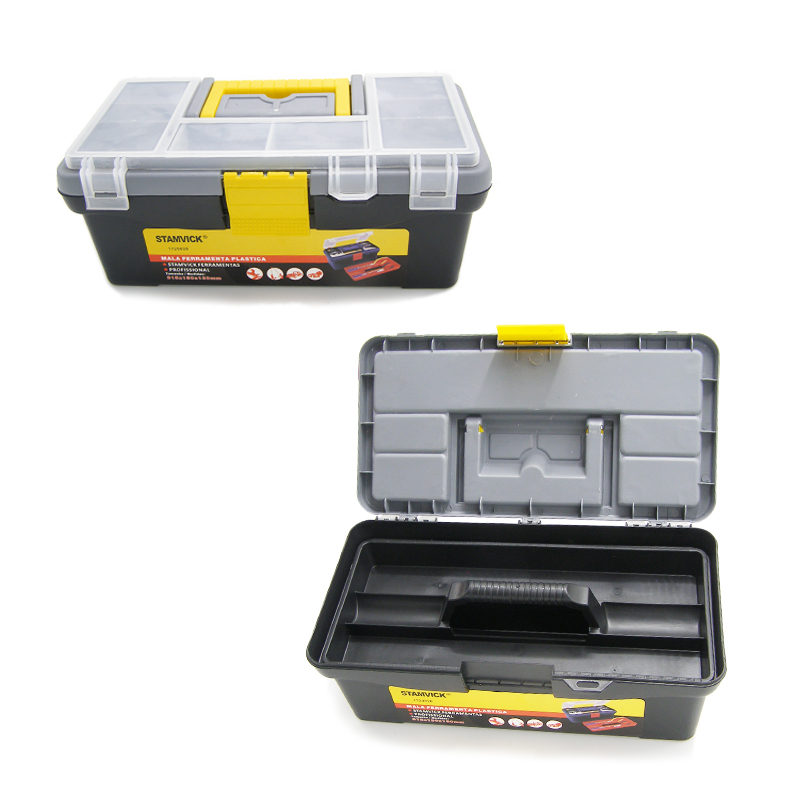
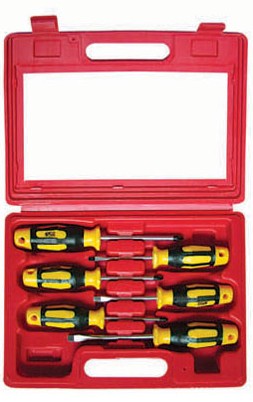
Source heavy-duty tool cases directly from vetted manufacturers and wholesale suppliers. Designed for importers, distributors, and hardware brands seeking bulk orders or OEM/private-label production, these cases offer reliable protection, custom interior layouts, and durable hardware for professional applications.
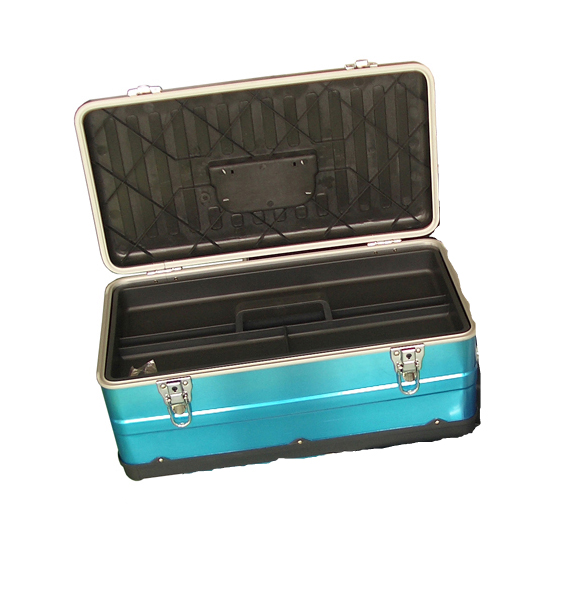
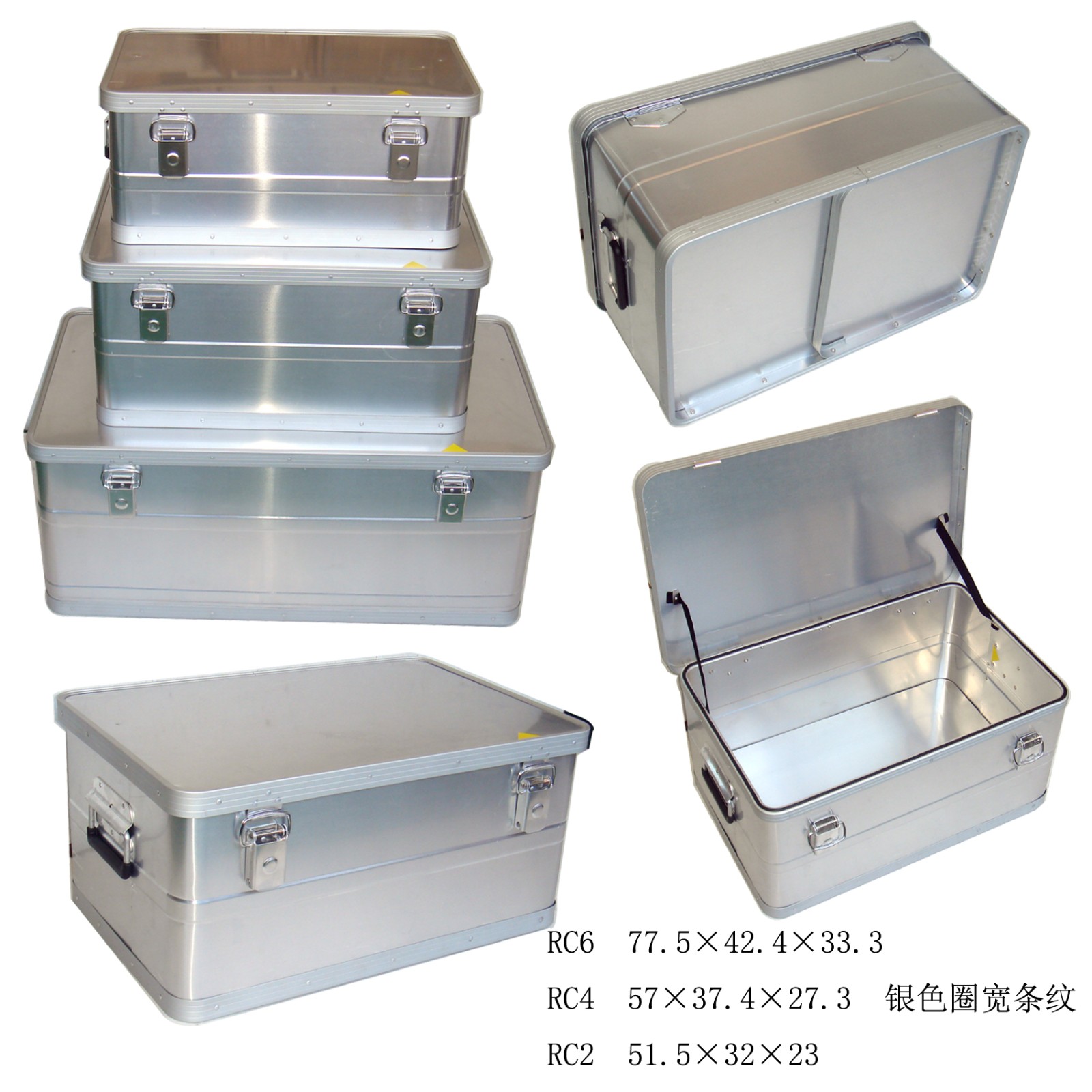
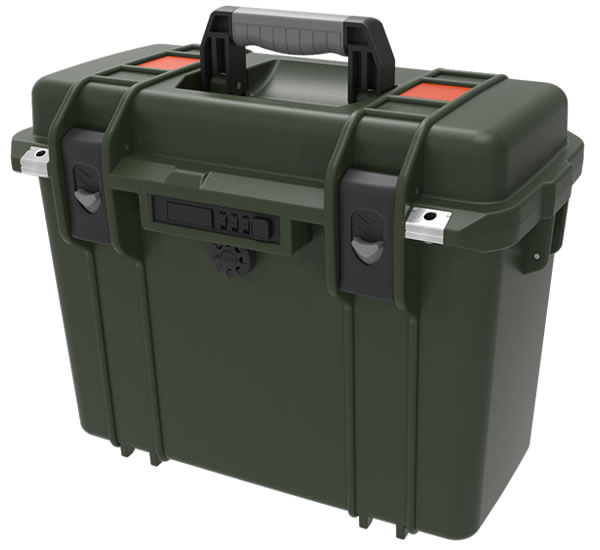
Sourcing tool cases at volume requires balancing impact resistance, environmental sealing, and unit cost. Whether you are procuring injection-molded waterproof cases for sensitive instruments, blow-molded shells for power tools, or aluminum-framed hard cases for general hardware, the primary sourcing challenge lies in verifying the factory's tooling capabilities and assembly precision. A poorly aligned mold or subpar latch hardware will compromise the case's structural integrity long before it reaches the end user.
Material Specifications and Manufacturing Processes
The choice of material and forming process dictates the case's durability, tooling costs, and unit price. Selecting the right combination depends entirely on your target market's performance requirements.
| Material | Primary Process | Impact Resistance | Typical Application |
|---|---|---|---|
| ABS Plastic | Injection Molding | Moderate to High | General-purpose protective cases, consumer tools |
| Polycarbonate (PC) | Injection Molding | Excellent | Extreme environment cases, sensitive equipment |
| HDPE | Blow Molding | High | Power tool kits, automotive tool sets |
| Aluminum / Composite | Extrusion & Assembly | Moderate | Flight cases, professional technician kits |
Blow-molded High-Density Polyethylene (HDPE) offers the lowest unit cost for high-volume production, creating the familiar double-wall construction seen in standard power tool cases. However, for maximum protection and IP-rated sealing, injection-molded ABS or Polycarbonate is required. Verifying a factory's injection molding machinery tonnage and mold maintenance protocols is critical; worn molds lead to flash, misaligned seams, and compromised O-ring channels. Conducting thorough Factory Audits helps ensure the supplier has the equipment necessary to maintain tight tolerances across large production runs.
Need a supplier with proven injection molding capabilities? Let us match you with a vetted manufacturer that meets your technical requirements.
Talk to our teamCritical Quality Control Checkpoints
Tool cases are functional hardware, meaning mechanical failure is just as common as structural failure. Quality control must go beyond visual inspection and test the physical limits of the assembled product.
Pre-Shipment Testing Protocol
- Loaded Drop Test: Free-fall drop testing from 1 to 1.5 meters onto concrete, fully loaded to maximum rated capacity.
- Environmental Sealing (IP Rating): Submersion testing for IP67-rated cases to verify O-ring compression and valve function.
- Hardware Cycle Testing: Repeated opening and closing of latches and hinges (minimum 5,000 cycles) to check for metal fatigue or plastic deformation.
- Handle Load Capacity: Static suspension tests to ensure handles and pins do not shear under extreme weight.
- Chemical Resistance: Spot testing on the shell material against common industrial solvents and oils.
Catching a faulty batch of latches or a batch of warped shells requires robust in-line and pre-shipment Quality Control & Inspection. Identifying these issues before the goods are containerized saves brands from catastrophic field failures.
OEM/ODM Customization and Interior Inserts
The value of a professional tool case often lies in its interior organization. Buyers developing proprietary tool kits will need to specify interior inserts alongside the exterior shell.
When engaging in OEM/ODM Services, you have several options for custom interiors:
- Die-Cut EVA Foam: Cost-effective for simple, 2D tool profiles. Requires a one-time cutting die fee.
- CNC Routed Foam: Ideal for complex, multi-depth tool profiles and low-volume premium cases. No die cost, but higher per-unit machining cost.
- Thermoformed Trays: Best for high-volume, lightweight tool organization. High initial tooling cost but very low unit cost.
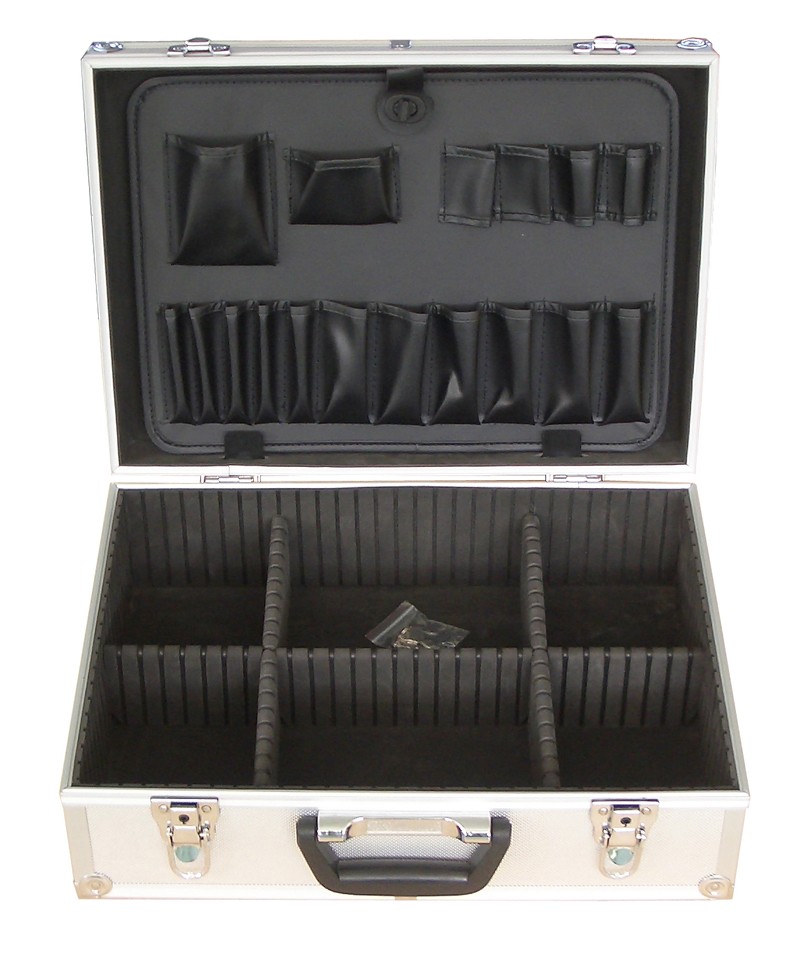
- Molded Dividers: Often used in photography or delicate instrument cases, featuring Velcro or padded partitions.
Pricing Drivers, MOQs, and Lead Times
Tool case pricing is heavily influenced by petroleum costs (for plastics), aluminum market rates, and the complexity of the mold. Custom molds represent a significant upfront investment but drastically reduce the per-unit cost at scale.
If you are developing a completely custom case, expect mold creation and sample approval to add 40 to 60 days to your initial timeline. Injection molds for large cases can cost anywhere from $5,000 to over $20,000 depending on the number of cavities and steel quality used.
Planning a custom tool case line? We can help negotiate tooling costs, manage sample iterations, and oversee production.
Get a free consultationFrequently Asked Questions
Successfully sourcing tool cases means looking past the surface finish and scrutinizing the raw materials, tooling precision, and hardware durability. By partnering with capable manufacturers and enforcing strict testing standards, you ensure your cases protect the valuable equipment inside, shipment after shipment.
Get Sourcing Help for Tool Cases
Tell us your requirements and our experts will connect you with verified manufacturers.