Toilet Seats
Source high-quality toilet seats in bulk from vetted manufacturers and wholesale suppliers. Designed for importers, distributors, and brands seeking reliable OEM production, our network delivers durable, specification-compliant products at competitive volume pricing.
Sourcing toilet seats at scale requires balancing material durability, aesthetic finish, and mechanical reliability. While the product appears simple, the difference between a premium fixture and a high-return liability often comes down to precise molding tolerances, material purity, and the internal engineering of the hinge dampers.
Core Materials and Manufacturing Processes
The base material dictates both the manufacturing method and the final market positioning of the seat. Understanding these distinctions is critical when aligning your product catalog with target price points.
| Material | Manufacturing Process | Characteristics | Typical Application |
|---|---|---|---|
| PP (Polypropylene) | Injection Molding | Flexible, shatter-resistant, lower scratch resistance | High-volume commercial, budget residential |
| UF (Duroplast / Urea-Formaldehyde) | Compression Molding | Rigid, ceramic-like feel, highly scratch-resistant | Premium residential, hospitality |
| MDF / Wood | Machining & Coating | Heavy, requires excellent sealing against moisture | Traditional/classic bathroom designs |
Urea-Formaldehyde (UF) seats, often marketed as Duroplast, require high-pressure compression molding. If the factory's temperature control is inconsistent during the curing phase, the material becomes brittle, leading to micro-cracking under load. Verifying a supplier's molding equipment and process controls through factory audits is essential before committing to large UF orders.
Hinge Engineering: The Critical Failure Point
A toilet seat rarely fails at the bowl; it fails at the hinge. The transition to soft-close (slow-close) technology has made hinge engineering the most critical component of the product.
Soft-close hinges rely on rotary dampers filled with viscous silicone oil. If the oil viscosity is incorrect or the damper housing lacks a perfect seal, the seat will either slam shut or fail to close fully. Premium manufacturers test these dampers for 50,000 to 100,000 open-close cycles.
Ensure your soft-close mechanisms meet strict cycle requirements before mass production begins.
Talk to our teamWhen specifying hinges, you must also define the mounting hardware:
- Material: 304 Stainless Steel (premium, rust-resistant), Zinc Alloy (mid-range), or Plastic (budget).
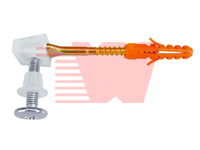
- Fixing Method: Top-fix (expanding rubber plugs, standard for modern blind-hole pans) versus bottom-fix (traditional nut and bolt).
- Adjustability: Ensure the hinge plates allow for a mounting hole distance of 135mm to 175mm to accommodate various ceramic bowls.
Quality Control and Common Defects
Catching defects on the factory floor saves significant capital and protects your brand reputation. A robust quality control protocol should inspect for functional and aesthetic flaws before packaging.
Pre-Shipment Inspection Focus Areas
- Damper Synchronization: Both the seat and cover must close at a uniform speed without stalling.
- Surface Finish: Inspection for flash (excess plastic at seams), flow marks, or burn marks from the molding process.
- Load Testing: Static weight testing (typically 150kg to 175kg) to ensure no deformation or cracking.
- Color Matching: Ensuring the white tone matches standard ceramic whites (e.g., European white vs. American white) under standardized lighting.
- Hinge Alignment: Verifying the seat sits perfectly flush on the ceramic bowl without lateral play.
Purchasing Mechanics: MOQs, Lead Times, and Tooling
Volume purchasing in the sanitaryware sector follows standard industrial patterns, though custom molds for unique bowl shapes will alter the timeline.
If you are developing a proprietary design to match a specific toilet bowl, OEM/ODM services will involve creating new steel molds. Tooling costs for UF compression molds are generally higher than for PP injection molds due to the pressures involved.
Optimize your purchasing strategy with direct access to vetted sanitaryware manufacturers.
Get a free consultationFrequently Asked Questions
Successfully importing toilet seats requires strict attention to material properties and mechanical reliability. By partnering with suppliers who maintain rigorous molding standards and utilize high-cycle hinge components, you can build a resilient, profitable product line.
Get Sourcing Help for Toilet Seats
Tell us your requirements and our experts will connect you with verified manufacturers.