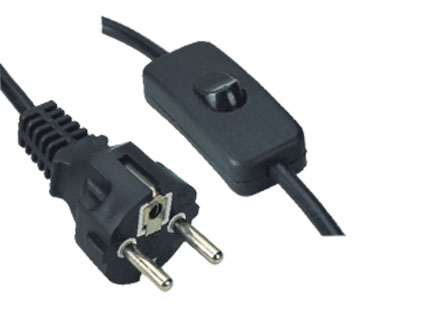
Toggle Switches
Source bulk and wholesale toggle switches directly from vetted manufacturers and suppliers in China and across Asia. Designed for electrical distributors, procurement managers, and brands requiring reliable OEM production, this catalog connects you with high-quality components for industrial, automotive, and commercial applications.
Toggle switches are a foundational component in electrical assemblies, but sourcing them at volume requires strict attention to mechanical durability and electrical reliability. The primary challenge when importing toggle switches is ensuring that the manufacturer's specified cycle life and contact resistance hold true across every batch, especially under maximum rated loads.
When you buy toggle switches in bulk, you are not just buying a plastic and metal housing; you are investing in the precision of the internal spring mechanism and the purity of the contact materials.
Critical Specifications for Volume Procurement
Specifying a toggle switch requires moving beyond basic pole and throw counts (SPST, DPDT, etc.). To ensure you receive a component that performs reliably in its intended environment, you must dictate the exact materials and tolerances to your manufacturer.
| Specification | Standard Commercial | Heavy Duty / Industrial |
|---|---|---|
| Contact Material | Silver-plated brass | Solid silver alloy or Gold-plated |
| Mechanical Life | 10,000 to 20,000 cycles | 50,000 to 100,000+ cycles |
| Ingress Protection | IP40 (Unsealed) | IP67 / IP68 (Epoxy sealed) |
| Actuator Material | Nylon or basic brass | Chrome-plated zinc alloy |
For low-voltage, low-current applications (logic level), gold-plated contacts are necessary to prevent oxidation, which can impede signal transfer. For high-current applications (mains voltage or heavy DC loads), solid silver or thick silver-cadmium oxide contacts are required to withstand the arcing that occurs during the make-and-break cycle.
Need reliable toggle switch manufacturers? We vet factories for strict quality control and compliance to ensure your components perform under load.
Talk to our teamManufacturing Quality and Defect Prevention
The difference between a premium toggle switch and a failing one is often invisible from the outside. Quality is won or lost on the factory floor during the stamping of the terminals, the plating of the contacts, and the final assembly of the housing.
Common failure points in poorly manufactured toggle switches include:
- Inconsistent Spring Tension: If the internal spring is improperly tempered, the switch will suffer from "teasing" or slow make/break action, leading to severe arcing and premature failure.
- Inadequate Plating Thickness: Suppliers cutting costs will reduce the micron thickness of silver or gold plating. This leads to rapid oxidation and high contact resistance after just a few thousand cycles.
- Poor Epoxy Sealing: For waterproof or dustproof models, the epoxy seal at the base of the terminals must be flawless. Voids in the epoxy allow flux to enter the switch body during the customer's soldering process, ruining the internal contacts.
To mitigate these risks, comprehensive quality control and inspection is essential. Inspectors should perform voltage drop tests, dielectric strength tests, and mechanical cycle testing on random samples from every production run before shipment. Furthermore, verifying that the factory holds valid certifications (UL, VDE, ENEC, CE) requires rigorous compliance and testing verification, as counterfeit certificates are a known issue in the components market.
Pricing Drivers, MOQs, and Lead Times
Toggle switch pricing is highly sensitive to raw material costs, particularly the spot price of silver and copper. Understanding the baseline mechanics of purchasing these components will help you negotiate more effectively.
If you require custom actuator lengths, specific bat styles, or proprietary housing dimensions, you will need to engage in OEM/ODM services. Custom tooling for switch housings or actuators typically extends lead times by an additional 15 to 25 days and will require an upfront mold fee, though this is often refundable after a certain order volume is reached.
Optimize your switch procurement. Let us negotiate pricing, manage tooling, and oversee your factory relationships.
Get a free consultationFrequently Asked Questions
Successful procurement of toggle switches relies entirely on matching the internal engineering of the switch to the realities of your operating environment. By clearly defining your load requirements, cycle life expectations, and environmental exposures upfront, you establish a standard that holds the manufacturer accountable.
Get Sourcing Help for Toggle Switches
Tell us your requirements and our experts will connect you with verified manufacturers.