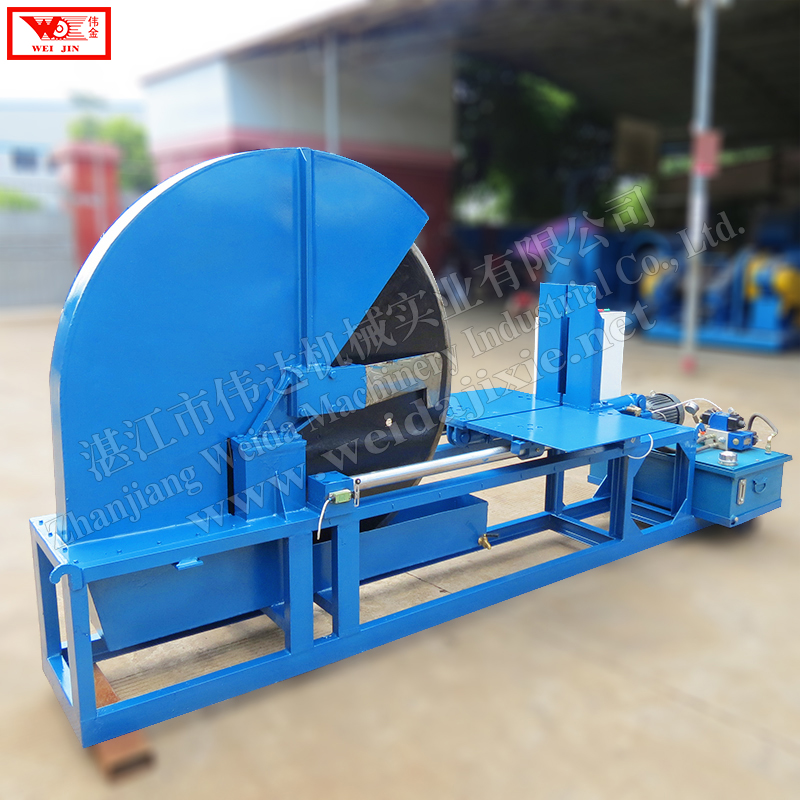
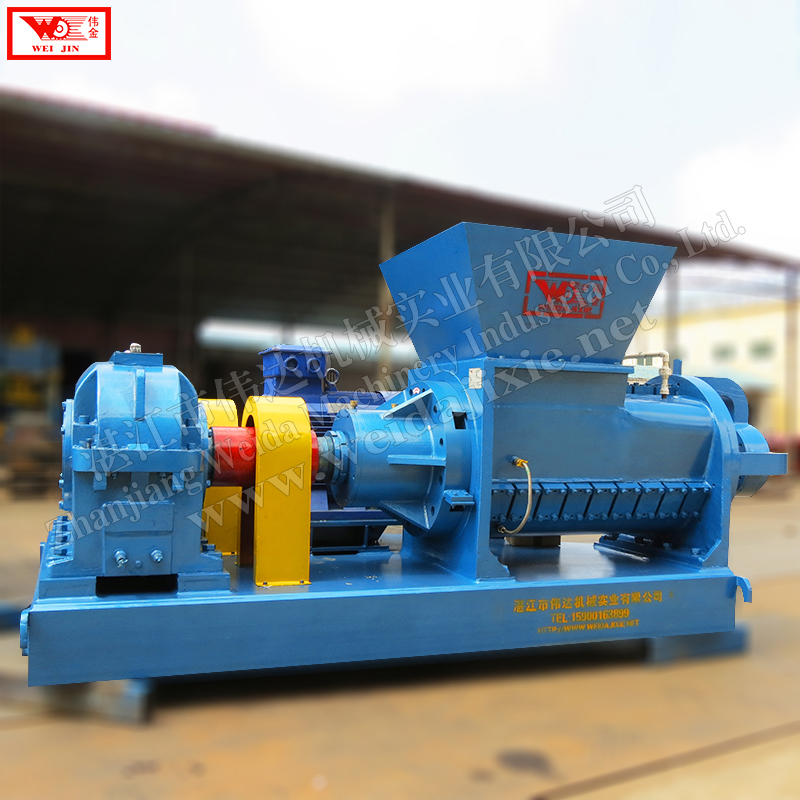
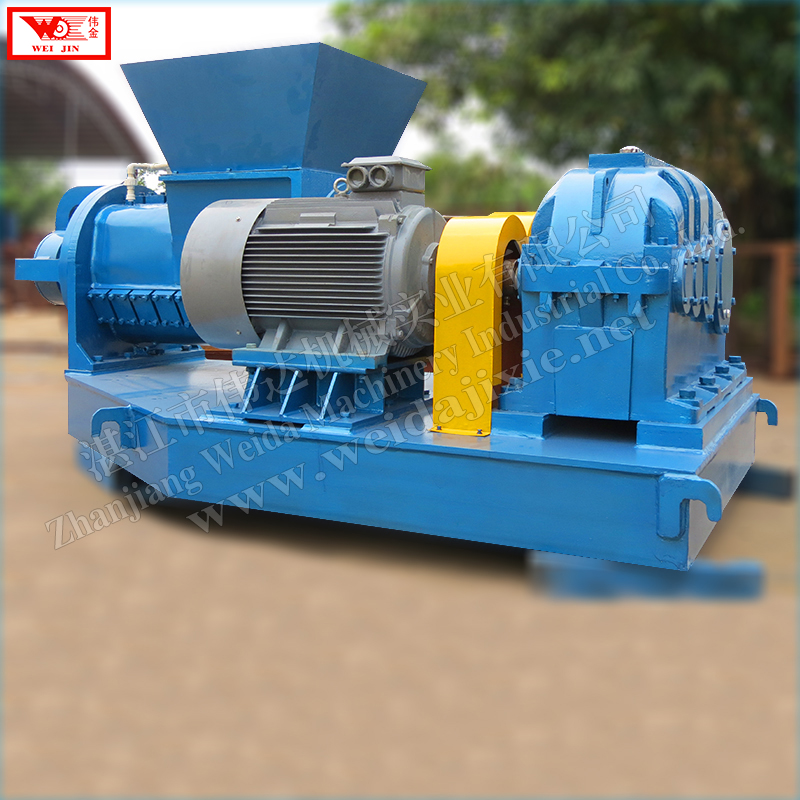
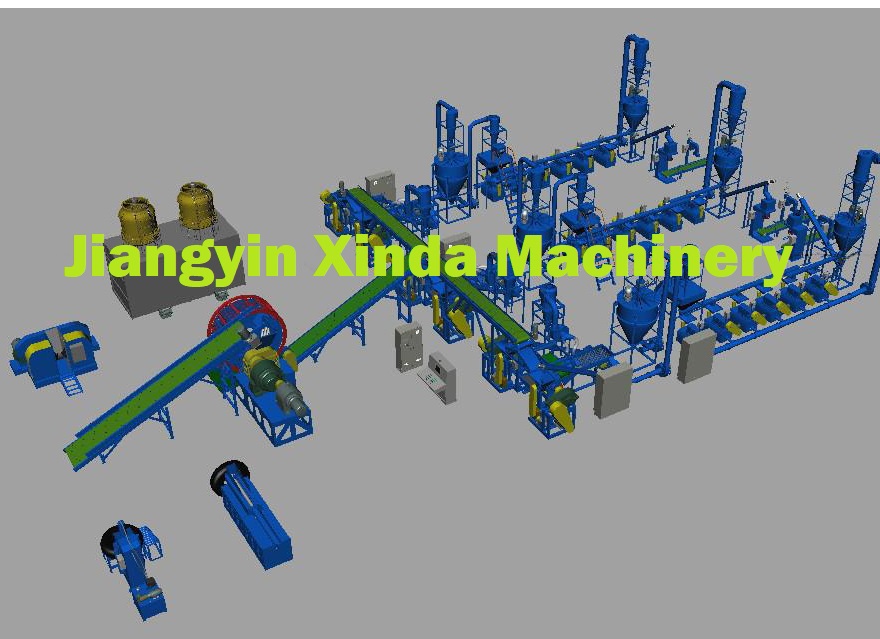
Tire Shredders
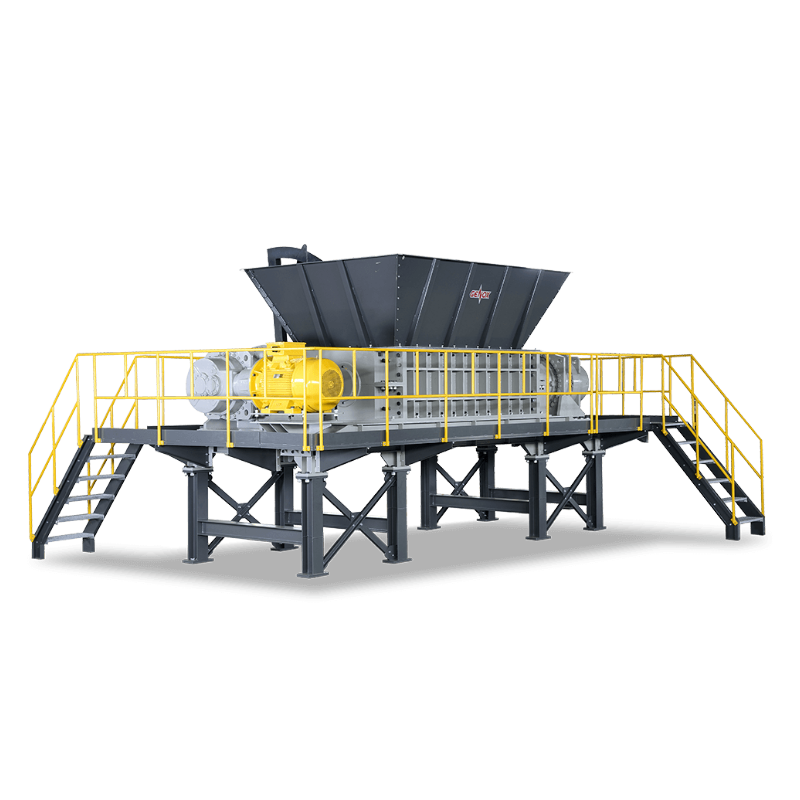
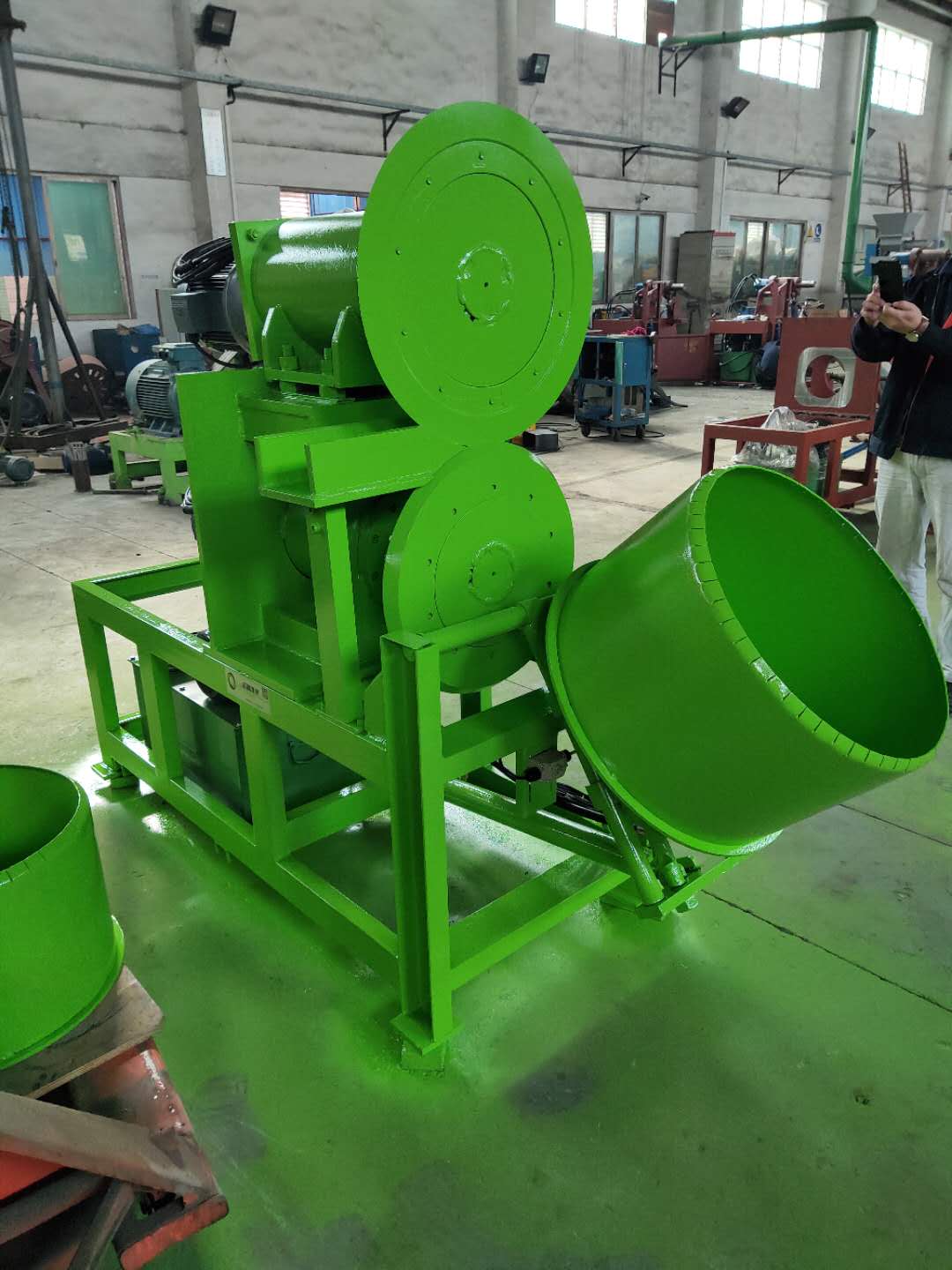
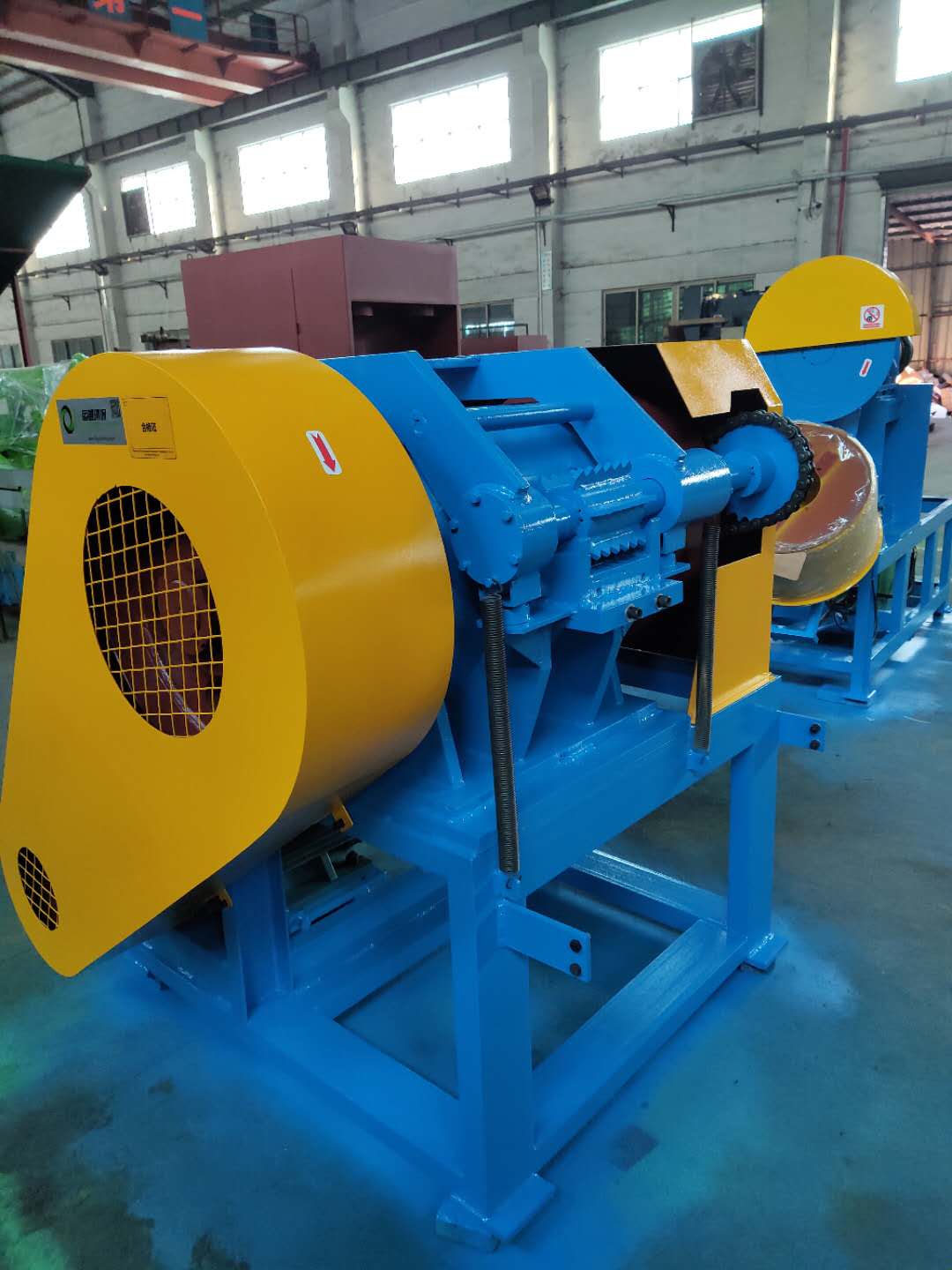
Source industrial tire shredders from vetted manufacturers and wholesale suppliers across Asia. Built for importers, equipment distributors, and recycling plant operators, our network delivers reliable, high-capacity machinery direct from the factory. Partner with Merhein to streamline procurement and secure competitive bulk pricing.
Tire shredders endure some of the most punishing impact loads in industrial recycling. When sourcing these heavy-duty machines direct from manufacturers, the core challenge isn't finding a supplier who can weld a heavy steel frame—it's identifying a factory capable of precision heat treatment, robust gearbox integration, and reliable electrical engineering to prevent catastrophic failure under continuous load.
Specifying Industrial Tire Shredders
To secure accurate quotes and ensure the equipment meets your operational requirements, you must define the technical parameters clearly. Vague specifications lead to under-powered motors or inadequate blade materials, resulting in frequent jamming and excessive downtime.
When communicating with suppliers, specify the target input (e.g., passenger car tires, truck tires, or OTR mining tires) and the required output size. This dictates the cutting chamber dimensions, shaft torque requirements, and whether a hydraulic or electric drive system is appropriate.
Manufacturing Quality & Component Verification
The lifespan and reliability of a tire shredder are won or lost in the machining tolerances and material science applied on the factory floor.
Blade Material and Heat Treatment
The blades (or knives) are the most critical wear parts. Premium manufacturers typically use high-alloy tool steels such as H13, D2, or 42CrMo. However, the raw material is only half the equation; the heat treatment process dictates the balance between hardness (to hold an edge) and toughness (to resist shattering upon impact with bead wire). Blades should typically measure between 55 and 60 HRC.
Drive Systems and Bearings
Tire shredding generates massive radial and axial loads. Look for manufacturers that utilize oversized, self-aligning roller bearings housed outside the cutting chamber to prevent contamination from rubber dust and debris. Gearboxes should be heavy-duty planetary types capable of absorbing shock loads.
Because component quality is difficult to verify from a spec sheet, conducting rigorous factory audits is essential to verify a supplier's in-house CNC machining capabilities, heat-treatment processes (or their sub-tier supplier controls), and assembly standards.
Critical Factory Acceptance Test (FAT) Checks
- Run the machine under load with actual tire samples for at least 60 minutes.
- Monitor gearbox and bearing housing temperatures to ensure they remain within safe limits.
- Verify the auto-reverse function triggers correctly when the shredder encounters an uncrushable object or overload.
- Check electrical panels for genuine, specified components (e.g., Siemens, Schneider) and proper wire labeling.
Don't risk capital on unverified heavy machinery. Let us evaluate supplier engineering capabilities and oversee your equipment build.
Talk to our teamSourcing Realities: Pricing, Lead Times, and Logistics
Unlike consumer goods, industrial tire shredders are rarely kept in stock. They are built-to-order based on your specific voltage, capacity, and configuration requirements.
- MOQ: The Minimum Order Quantity is universally 1 unit for heavy machinery.
- Lead Times: Expect production times ranging from 45 to 90 days, depending on the complexity of the machine and the factory's current backlog. Custom hopper designs or integrated conveyor systems will extend this timeline.
- Pricing Drivers: The cost of a shredder fluctuates heavily based on the origin of the core components. Specifying European-made gearboxes, motors, and PLCs will significantly increase the unit price compared to using premium domestic Chinese equivalents.
Logistics for heavy recycling machinery require specialized handling. Primary shredders often exceed standard container weight limits or dimensions, necessitating open-top containers or flat racks. Coordinating the shipping and freight alongside a comprehensive quality control protocol prior to container loading ensures your equipment arrives safely and ready for installation.
Need to coordinate a complex machinery purchase? We manage the entire process from specification to final delivery.
Get a free consultationFrequently Asked Questions
A successful machinery import isn't just about negotiating the lowest purchase price; it's about minimizing the Total Cost of Ownership (TCO) over a ten-year operational lifespan. Sourcing from a highly capable factory ensures your equipment runs reliably shift after shift, keeping your maintenance costs predictable and your production lines moving.
Get Sourcing Help for Tire Shredders
Tell us your requirements and our experts will connect you with verified manufacturers.