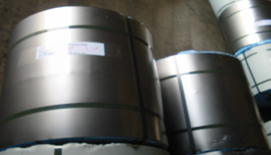
Tin Ingots
Source high-purity Tin Ingots from vetted suppliers and manufacturers across Asia. Designed for electronics manufacturers, metallurgy wholesalers, and industrial importers buying in bulk, our network delivers reliable volume with strict chemical composition controls. Partner with us for competitive pricing and secure global logistics.
Procuring tin ingots at scale requires strict adherence to purity standards and a deep understanding of global metal market dynamics. For industrial buyers, electronics manufacturers, and alloy producers, the primary challenge isn't just finding a supplier—it is verifying that the chemical composition matches the assay report and ensuring the supply chain is entirely free of conflict minerals.
Purity Grades and Chemical Composition
Tin (Sn) ingots are classified by their purity, typically ranging from 99.90 percent to 99.99 percent. The trace impurities—specifically lead (Pb), iron (Fe), arsenic (As), and bismuth (Bi)—dictate the ingot's suitability for specific applications like wave soldering, tinplating, or chemical manufacturing. Even minor deviations in lead or iron content can cause catastrophic failures in high-tech electronics or food-grade applications.
| Grade | Sn Purity (Min) | Max Lead (Pb) | Typical Application |
|---|---|---|---|
| Sn99.99 | 99.99% | 0.005% | High-end electronics, food-grade tinplate |
| Sn99.95 | 99.95% | 0.02% | Standard soldering, alloy production |
| Sn99.90 | 99.90% | 0.05% | General metallurgy, chemicals |
Need reliable, conflict-free tin ingot suppliers? We verify smelters and secure consistent volume allocations.
Talk to our teamSmelter Verification and Quality Control
The difference between a reliable tin ingot and a problematic batch often comes down to the refining process and the integrity of the smelter's testing lab. Poorly refined tin can contain excessive dross or slag inclusions, which cause significant defects, excessive waste, and equipment wear during melting and casting downstream.
Critical Quality Verification Steps
- Independent Spectrometer Testing: Do not rely solely on the factory's Certificate of Analysis (COA). Third-party lab testing is mandatory to verify Sn purity and trace elements.
- Physical Surface Inspection: Ingots should have a clean, silvery-white surface without excessive oxidation, shrinkage cavities, or slag inclusions.
- Weight Tolerance: Standard ingots weigh approximately 25 kg each. Ensure the bundle weight matches the packing list precisely.
- Conflict Mineral Compliance: Verify that the smelter is recognized by the Responsible Minerals Initiative (RMI) or equivalent regulatory bodies.
To mitigate risks, integrating independent Quality Control & Inspection before shipment is essential. Sampling must be randomized across different bundles in the lot to ensure homogeneity. Furthermore, conducting thorough Factory Audits at the smelting facility ensures they have the proper environmental controls, legitimate raw material sourcing channels, and accurate spectrometer calibration.
Pricing Mechanics, MOQs, and Logistics
Tin pricing is inherently volatile and is almost universally pegged to the London Metal Exchange (LME) official cash price. Suppliers will quote based on the LME price plus a premium (or minus a discount) depending on the grade, brand registration status, and current regional supply and demand.
Shipping heavy metals requires robust packaging. Ingots are typically strapped with galvanized steel bands into bundles of roughly 1,000 kg, resting on fumigated wooden pallets. Because tin is a high-value, dense commodity, container weight limits are reached long before volume limits. Efficient Shipping & Freight coordination is necessary to optimize container loads and manage complex customs documentation, including conflict mineral reporting.
Protect your margins from market volatility. Let us negotiate pricing and manage your tin ingot supply chain.
Get a free consultationFrequently Asked Questions
Sourcing tin ingots is an exercise in risk management—balancing volatile LME pricing with rigid purity requirements and strict compliance mandates. Securing a reliable, conflict-free supply chain allows you to focus on your downstream production rather than second-guessing your raw materials. If you are looking to stabilize your metal procurement, expert on-the-ground management makes all the difference.
Get Sourcing Help for Tin Ingots
Tell us your requirements and our experts will connect you with verified manufacturers.