Timing Chain Kits & Accessories
Source premium Timing Chain Kits & Accessories from vetted manufacturers and suppliers in China and across Asia. Designed for automotive parts importers, wholesalers, distributors, and brands seeking reliable OEM or private-label production. Secure competitive wholesale pricing and consistent quality for high-volume procurement.
Procuring timing chain kits in volume presents a unique risk profile compared to standard automotive accessories. Because the timing system synchronizes the engine's crankshaft and camshaft, component failure often results in catastrophic engine damage. Balancing competitive wholesale pricing with the zero-defect reliability required by professional installers means looking far beyond surface-level specifications and scrutinizing the manufacturer's metallurgical processes, testing protocols, and quality management systems.
Critical Specifications and Manufacturing Standards
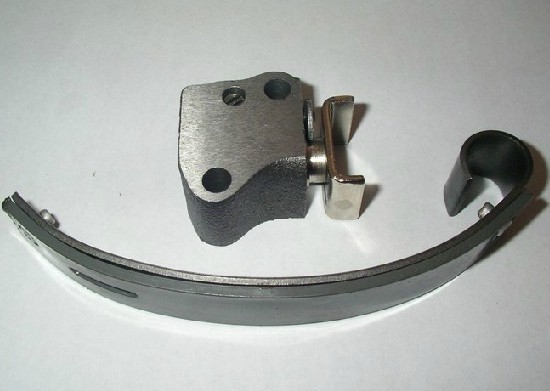
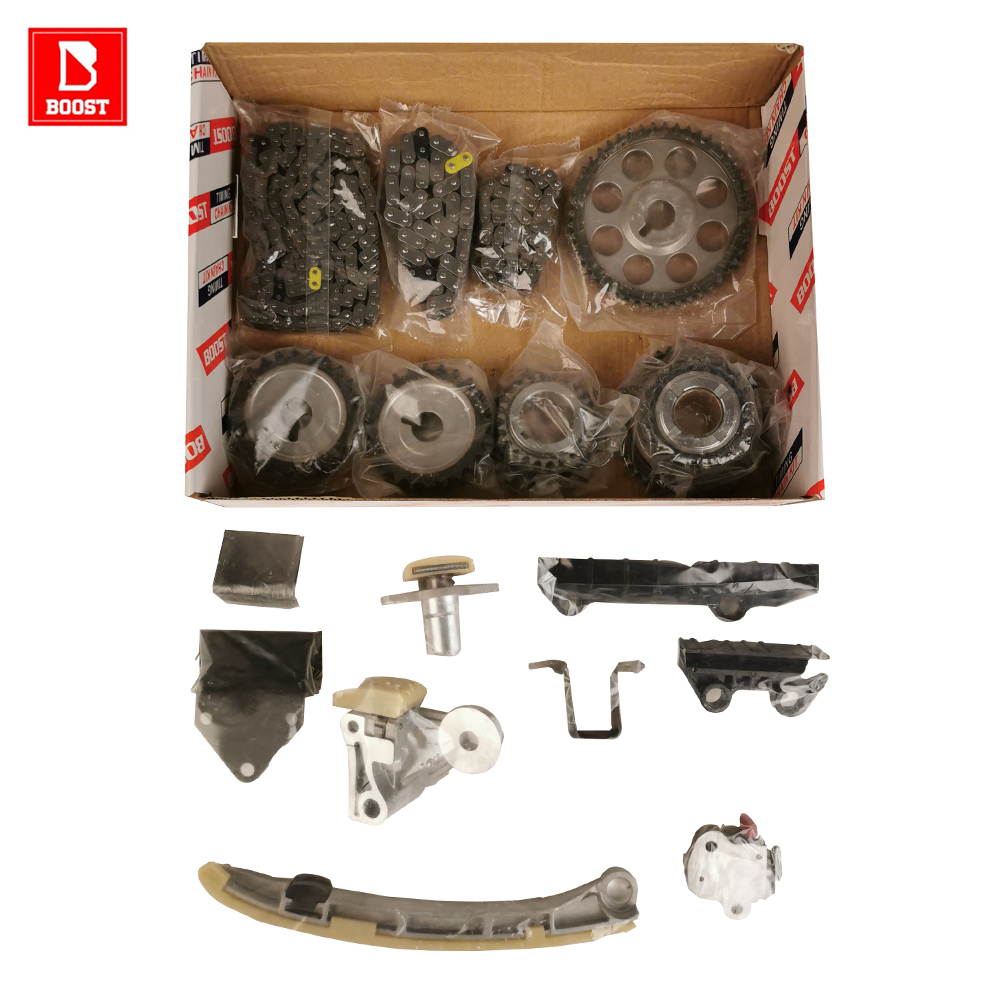
A complete timing chain kit typically includes the chain, tensioners, guide rails, and sprockets. The performance of the kit is only as strong as its weakest component. When vetting suppliers, buyers must specify exact material grades and heat-treatment processes, as these dictate the system's wear resistance and fatigue life.
Chains and Sprockets: Metallurgy and Heat Treatment
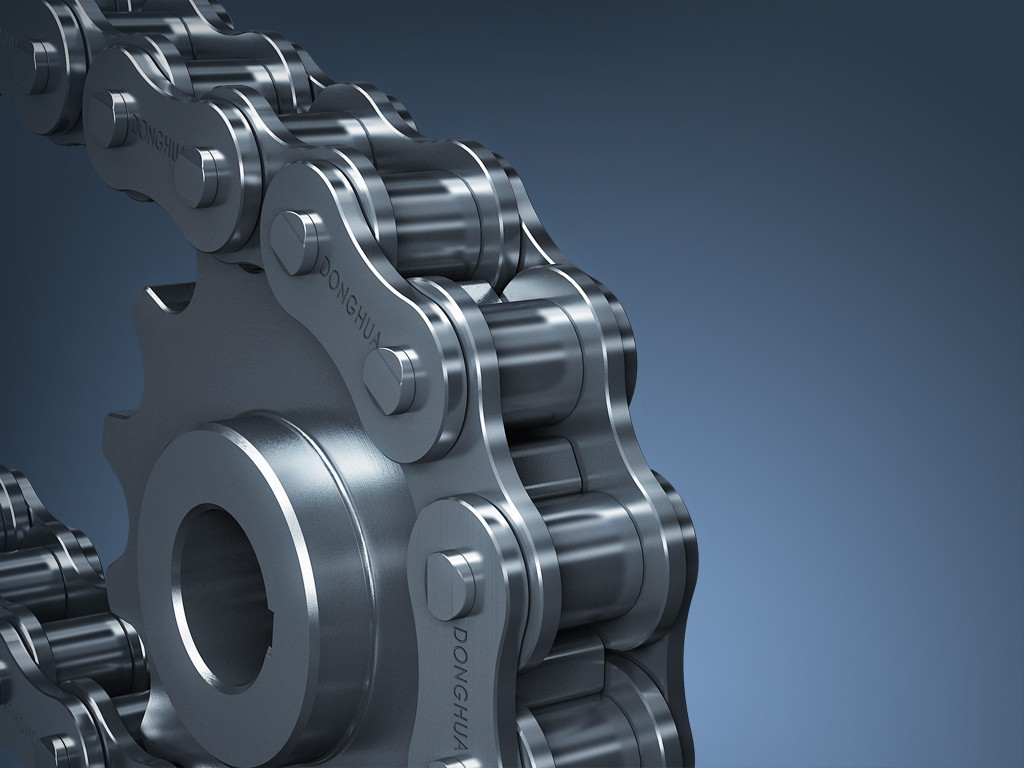
Standard aftermarket chains often utilize basic carbon steel, which is prone to elongation under high thermal and mechanical stress. Premium kits require high-carbon alloy steels (such as 40Cr or 35CrMo) for pins and plates. Furthermore, the heat treatment process is where the actual value is built. Deep carburizing or carbonitriding ensures a hardened surface for wear resistance while maintaining a tough, ductile core to absorb shock loads.
| Component Factor | Standard Aftermarket | Premium / OEM Equivalent |
|---|---|---|
| Chain Material | Standard Carbon Steel | High-Carbon Alloy Steel |
| Heat Treatment | Basic Quenching | Deep Carburizing & Carbonitriding |
| Tensioner Design | Standard Mechanical | Precision Hydraulic with Micro-valves |
| Guide Rail Compound | Standard PA66 Nylon | PA46 or PA66 + Glass Fiber Matrix |
Tensioners and Guide Rails
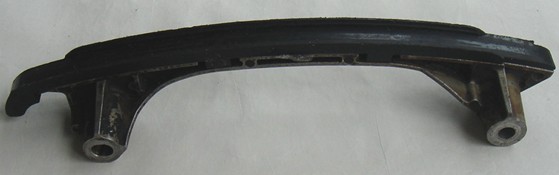
Hydraulic tensioners must maintain precise oil pressure to keep the chain taut. If the internal machining tolerances of the tensioner piston are too loose, pressure bleeds off, leading to chain slap and eventual failure. Guide rails face constant friction; specifying PA46 or glass-fiber-reinforced PA66 is essential to prevent the plastic from becoming brittle and shattering after prolonged exposure to hot engine oil.
Struggling to find suppliers that consistently meet OEM-equivalent metallurgical standards? Let us connect you with vetted, automotive-grade manufacturers.
Talk to our sourcing teamQuality Control and Factory Vetting
Automotive parts manufacturing is heavily regulated, and your supply chain must reflect that rigor. Relying solely on final product inspections is insufficient for timing systems; quality must be verified at the raw material and in-line processing stages.
When evaluating potential manufacturing partners, IATF 16949 certification is non-negotiable. This standard proves the factory has the quality management systems required for automotive supply chains. However, paper certificates must be backed by physical capabilities. Conducting comprehensive Factory Audits ensures the supplier actually owns the necessary testing equipment and isn't outsourcing critical heat-treatment steps to unverified sub-tier workshops.
Essential Factory Testing Capabilities
- Tensile Strength Testing: Verifying the chain's ultimate breaking load.
- Fatigue Testing: Simulating millions of cycles to ensure long-term durability.
- Hardness Testing (HRC): Checking pins and sprockets for proper heat treatment depth.
- Coordinate Measuring Machine (CMM): Ensuring exact dimensional accuracy of sprockets and tensioner bodies.
- Material Spectrometry: Confirming the chemical composition of incoming raw steel.
To catch issues before shipping, implementing rigorous Quality Control & Inspection protocols—including metallurgical cross-sectioning of sample batches—is the only way to guarantee the parts arriving in your warehouse match the approved golden sample.
Pricing, MOQs, and Lead Times
The automotive aftermarket requires extensive coverage across thousands of vehicle makes, models, and engine codes. This creates a complex procurement matrix, as factories require minimum order quantities (MOQs) for each specific kit.
Managing the Sourcing Matrix
Factories generally set MOQs between 200 and 500 sets per specific engine fitment. If you are building a comprehensive catalog under your own brand, consolidating orders through OEM/ODM Services allows you to aggregate production runs, standardize packaging, and negotiate better terms across a wider range of SKUs.
Pricing is highly sensitive to raw steel costs and the specified grade of the guide rail plastics. Be wary of suppliers offering prices significantly below the market average; this almost always indicates skipped heat-treatment cycles, inferior tensioner seals, or recycled plastics in the guide rails.
Need help structuring a multi-SKU order while maintaining strict quality standards and managing MOQs? We can streamline your procurement process.
Get a free consultationFrequently Asked Questions
Sourcing timing chain kits requires a deep understanding of metallurgy, precision engineering, and automotive quality standards. By focusing on factory capabilities and rigorous testing rather than just unit price, you protect your brand from the massive liabilities associated with engine failure. Having an experienced team on the ground to audit facilities and verify production processes is the most effective way to secure a reliable, high-performance supply chain.
Get Sourcing Help for Timing Chain Kits & Accessories
Tell us your requirements and our experts will connect you with verified manufacturers.