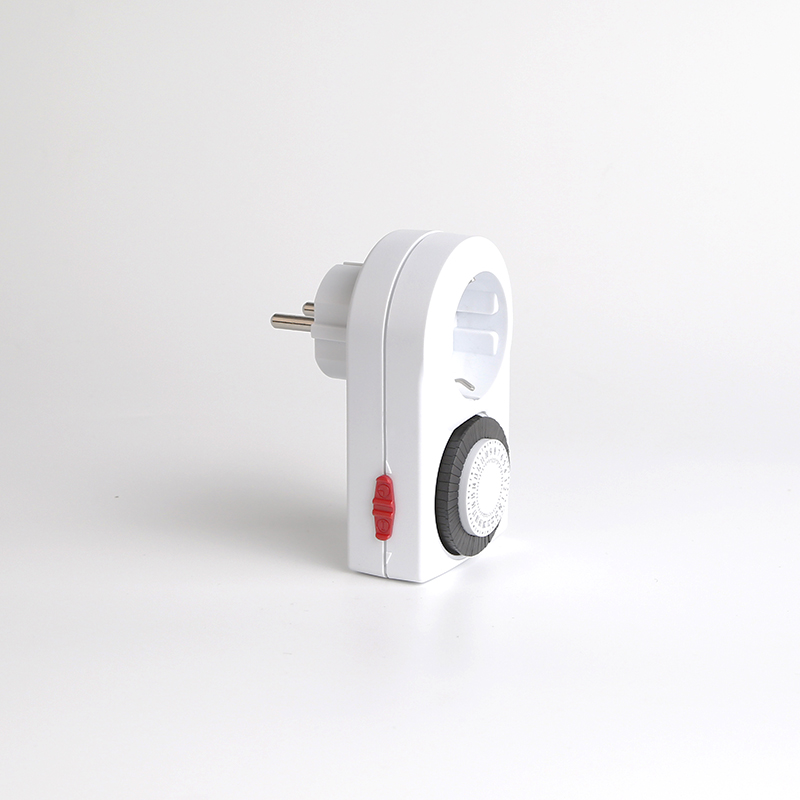
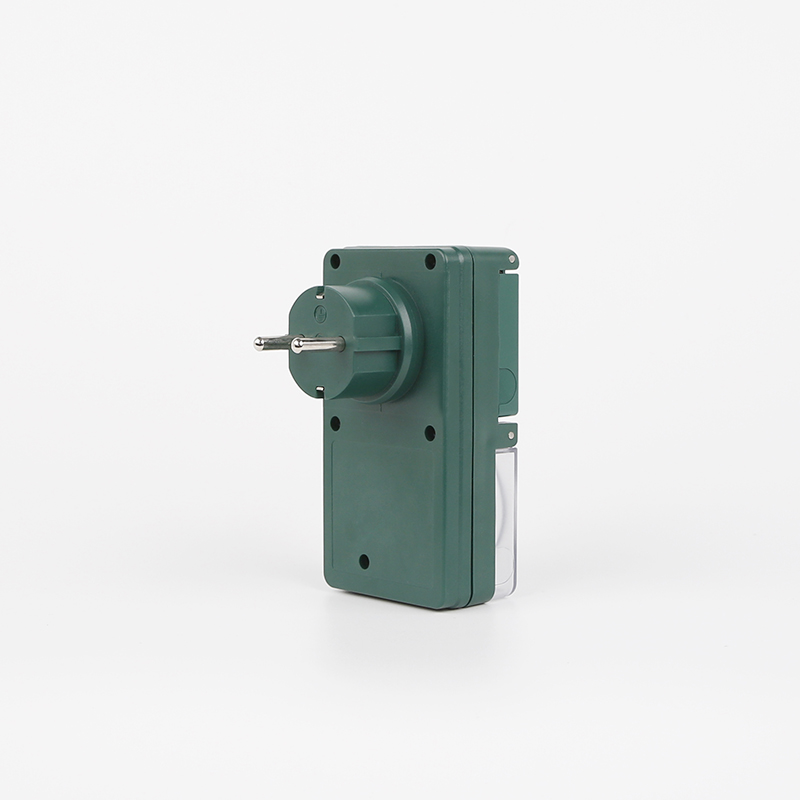
Timer
Source reliable electronic and mechanical timers in bulk from vetted manufacturers. Designed for importers, wholesalers, distributors, and brands seeking OEM or private-label production, our factory network delivers programmable, plug-in, and industrial timers built to strict international compliance standards.
Sourcing timers in commercial volumes requires a strict focus on electrical safety, component durability, and precision engineering. Whether you are procuring plug-in digital timers for consumer retail, DIN-rail programmable timers for industrial automation, or smart WiFi-enabled units for home integration, the core sourcing challenge remains the same: ensuring the internal bill of materials (BOM) matches your specified load ratings without unauthorized factory substitutions.
Critical Specifications and Component Selection
The reliability of a timer is dictated largely by its internal relay, the accuracy of its clock crystal, and the safety of its housing. When negotiating specifications with a manufacturer, experienced buyers focus on these three pillars.
| Component | Standard Quality | Premium / Industrial Grade |
|---|---|---|
| Internal Relay | 10A standard, silver-nickel contacts | 15A/16A heavy-duty, silver-tin oxide contacts |
| Housing Material | Standard ABS (flammable under high heat) | Polycarbonate (PC) with UL94 V-0 flame retardance |
| Clock Accuracy | +/- 5 seconds per day | +/- 1 second per day (temperature compensated) |
| Battery Backup (Digital) | Non-replaceable button cell | Rechargeable Ni-MH battery (100+ hours) |
The Relay Substitution Risk
The most common point of failure in imported timers is the relay. Factories attempting to cut costs may substitute a specified 15A relay with a 10A equivalent. Under heavy loads (like space heaters or high-draw lighting), these undersized relays can weld shut, causing the timer to fail in the "ON" position or, worse, create a severe fire hazard.
Need to verify a factory's BOM and production capabilities? We can help you secure reliable manufacturers.
Talk to our teamManufacturing and Quality Control Checkpoints
Timer manufacturing involves both delicate surface-mount technology (SMT) for the logic boards and robust mechanical assembly for the power-handling components. Catching defects requires rigorous Quality Control & Inspection at multiple stages of production.
PCB Assembly and SMT
Automated placement of microcontrollers, clock crystals, and resistors. Solder paste inspection ensures secure connections.
Through-Hole and Wave Soldering
Heavy components like relays and power pins are soldered. Insufficient solder here leads to high resistance and overheating.
Calibration and Flashing
Firmware is flashed (crucial for smart/WiFi timers) and the real-time clock oscillator is calibrated.
Burn-in and Load Testing
Units are subjected to maximum rated loads at elevated temperatures to identify early component failures.
Market Compliance and Certification
Timers interface directly with mains electricity, making regulatory compliance non-negotiable. Customs authorities and major retailers require verified documentation. Do not accept a factory's CE or UL mark at face value; always verify the certificate number against the issuing body's database. If you are targeting highly regulated markets, coordinating proper Compliance & Testing through accredited third-party labs is a mandatory step before mass production begins.
Essential Compliance Documentation
- North America: UL or ETL listing (specifically for the final assembled product, not just the internal relay)
- Europe: CE-LVD (Low Voltage Directive) and CE-EMC (Electromagnetic Compatibility)
- Smart Timers: FCC Part 15 (US) or RED (Europe) for wireless RF emissions
- Environmental: RoHS compliance for restricted materials, REACH documentation
Pricing Dynamics, MOQs, and Lead Times
Timer pricing is highly sensitive to raw material costs (copper for pins, silver for relay contacts, and PC for housings).
If you are developing a completely custom timer—whether altering the physical form factor, changing the plug type for a specific region, or developing proprietary firmware—utilizing professional OEM/ODM Services ensures your intellectual property is protected and the tooling is owned by you, not the factory.
Planning a bulk order or custom OEM project? Let us negotiate pricing and manage the production schedule for you.
Get a free consultationFrequently Asked Questions
Securing high-quality timers at competitive price points requires looking past the outer casing and dictating the exact internal components your market demands. By controlling the BOM and enforcing strict pre-shipment load testing, you can eliminate the safety risks that plague lower-tier suppliers.
Get Sourcing Help for Timer
Tell us your requirements and our experts will connect you with verified manufacturers.