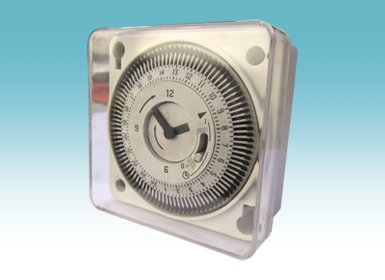
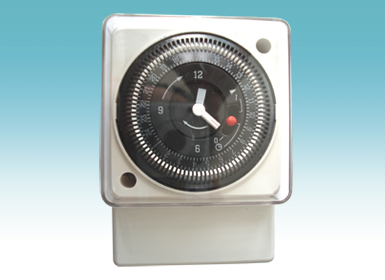
Time Switches
Source high-quality Time Switches from vetted manufacturers and suppliers. Designed for importers, electrical distributors, and brands seeking reliable wholesale or OEM/private-label production. Ensure compliance and performance with our direct factory sourcing solutions.
Time switches are foundational control components used in everything from industrial lighting to HVAC and agricultural automation. Sourcing these in volume requires navigating a fragmented supplier base in hubs like Wenzhou and Yueqing, where outward appearances often mask wildly different internal component grades. The difference between a switch that fails after a few months and one that delivers years of reliable service lies entirely in the relay contacts, the oscillator accuracy, and the factory's assembly standards.
Critical Specifications Dictating Quality
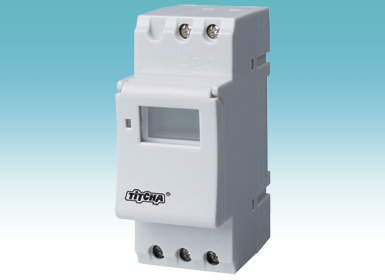
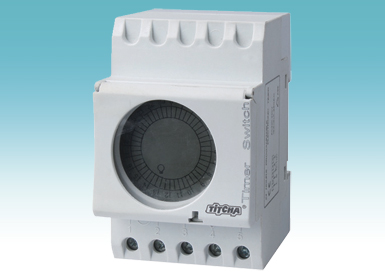
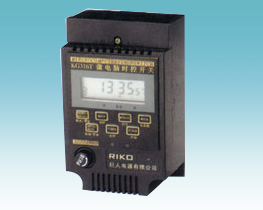
When negotiating with manufacturers, specifying the external housing or mounting type (such as DIN rail or panel mount) is only the beginning. The internal architecture determines the product's lifespan and safety profile.
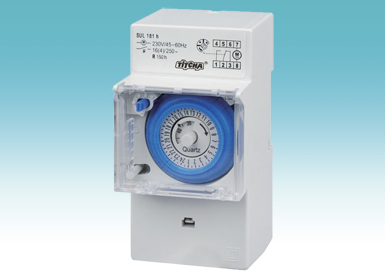
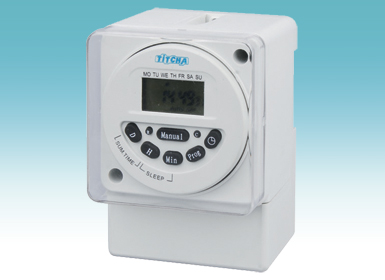
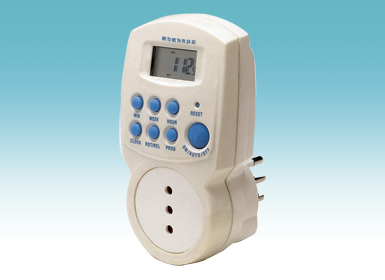
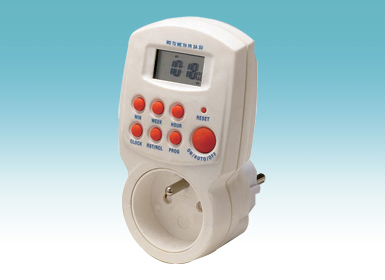
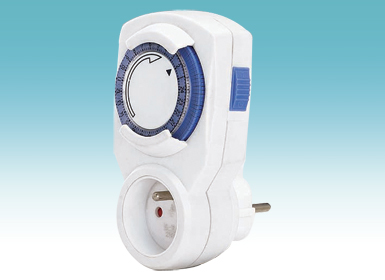
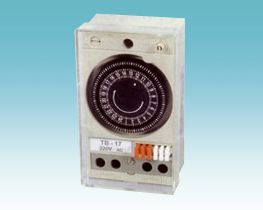
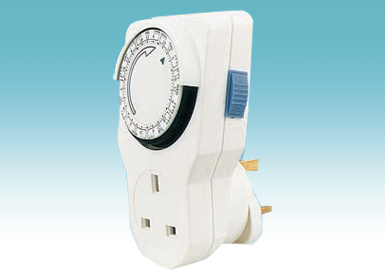
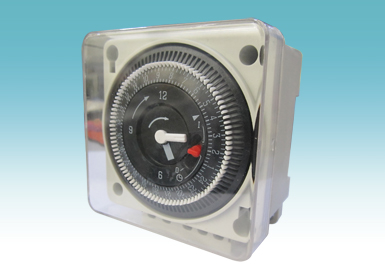
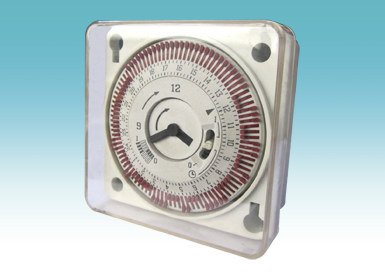
For mechanical (analog) switches, the synchronous motor and gear train must be precision-molded to prevent jamming. For digital (programmable) units, the microcontroller and power supply design are paramount.
| Feature | Mechanical (Analog) | Digital (Programmable) |
|---|---|---|
| Core Mechanism | Synchronous motor & cam | Microcontroller & Quartz oscillator |
| Programming Resolution | 15 to 30 minutes | 1 minute (or down to seconds) |
| Power Reserve | 150 hours (NiMH battery) | 3 to 5 years (Lithium cell) |
| Best Application | Simple daily cycles, high heat environments | Complex weekly/astronomical schedules |
Relay Contacts and Inrush Current
The most common point of failure in a time switch is the relay welding shut, particularly when controlling capacitive loads like LED lighting. Standard resistive ratings (e.g., 16A at 250VAC) do not account for the massive inrush currents generated by LED drivers.
Ensure your supplier uses Silver Tin Oxide (AgSnO2) contacts rather than older Silver Cadmium Oxide (AgCdO) alloys if the switch is intended for modern lighting applications. AgSnO2 offers superior resistance to contact welding under high inrush loads.
Need help verifying factory component sourcing and relay quality before placing a bulk order?
Talk to our teamManufacturing Standards and Quality Control
A capable manufacturer will have strict controls over PCB assembly and relay integration. Inferior factories often cut costs by using manual soldering for surface-mount components or skipping post-assembly burn-in tests.
When evaluating a factory's production line, look for automated SMT (Surface Mount Technology) lines and comprehensive end-of-line testing. Implementing strict Quality Control & Inspection protocols before shipment is critical to catch relay failures and PCB soldering defects before they leave the facility.
Key Focus Areas for Factory Inspections
- Automated optical inspection (AOI) on the PCB assembly line.
- Burn-in testing rooms (typically 24 to 48 hours at elevated temperatures).
- Relay mechanical and electrical lifecycle testing apparatus.
- Time drift calibration checks for quartz oscillators (must be less than or equal to 2 seconds per day).
OEM Customization and Firmware
For brands targeting specific industrial or commercial niches, off-the-shelf logic may not suffice. Customizing a digital time switch often involves modifying the firmware to support astronomical timing (adjusting automatically to sunrise/sunset based on latitude) or specific pulse outputs.
Brands looking to customize firmware, UI displays, or enclosure design rely on established OEM/ODM Services to align factory capabilities with their technical requirements and ensure intellectual property is protected during development.
Wholesale Pricing, MOQs, and Lead Times
Pricing in the time switch category is heavily dependent on the relay capacity, battery backup type, and certification requirements.
Note: Standard mechanical switches typically range from $2.50 to $4.00 per unit in bulk. Standard digital DIN-rail switches range from $4.00 to $8.00, while multi-channel or astronomical switches command $12.00 or more.
Struggling to negotiate favorable terms and MOQs with reliable electrical manufacturers? Let our sourcing experts assist.
Get a free consultationCompliance and Certifications
Market entry requires adherence to regional electrical safety standards, making Compliance & Testing a mandatory step.
For the European market, CE (LVD and EMC directives) and RoHS compliance are non-negotiable. For North America, UL or ETL listings are essential, particularly for hardwired panel-mount or DIN-rail switches. Always verify that the certification applies to the specific model and is held by the actual manufacturer, not just a trading company.
Sourcing time switches requires a rigorous approach to component verification and factory auditing. By prioritizing relay quality and manufacturing discipline over the lowest per-unit cost, importers can secure reliable products that protect their brand reputation in demanding electrical markets.
Get Sourcing Help for Time Switches
Tell us your requirements and our experts will connect you with verified manufacturers.