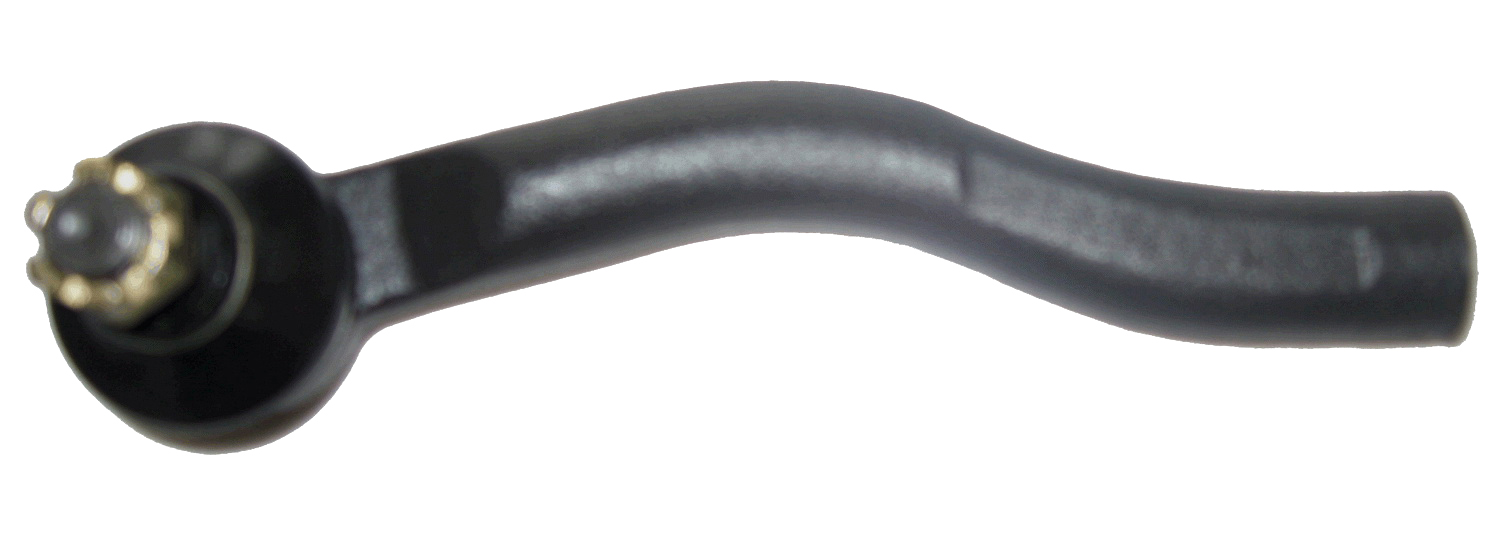
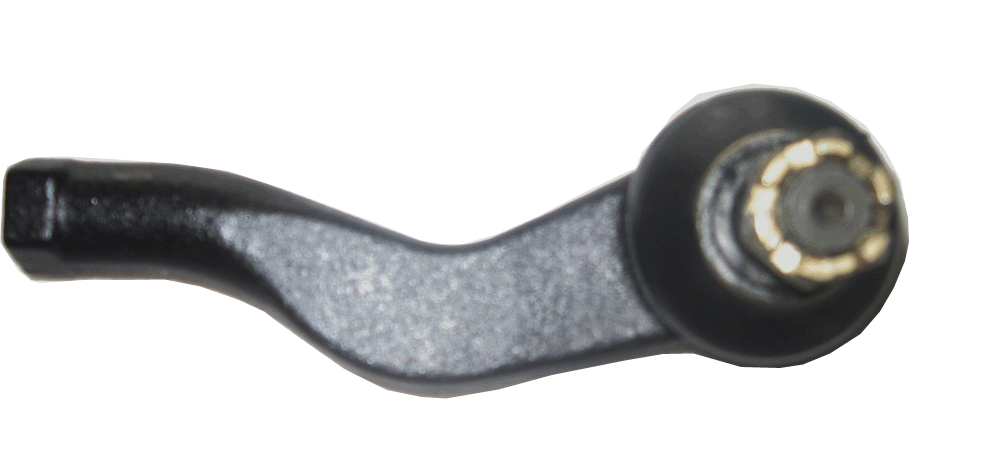
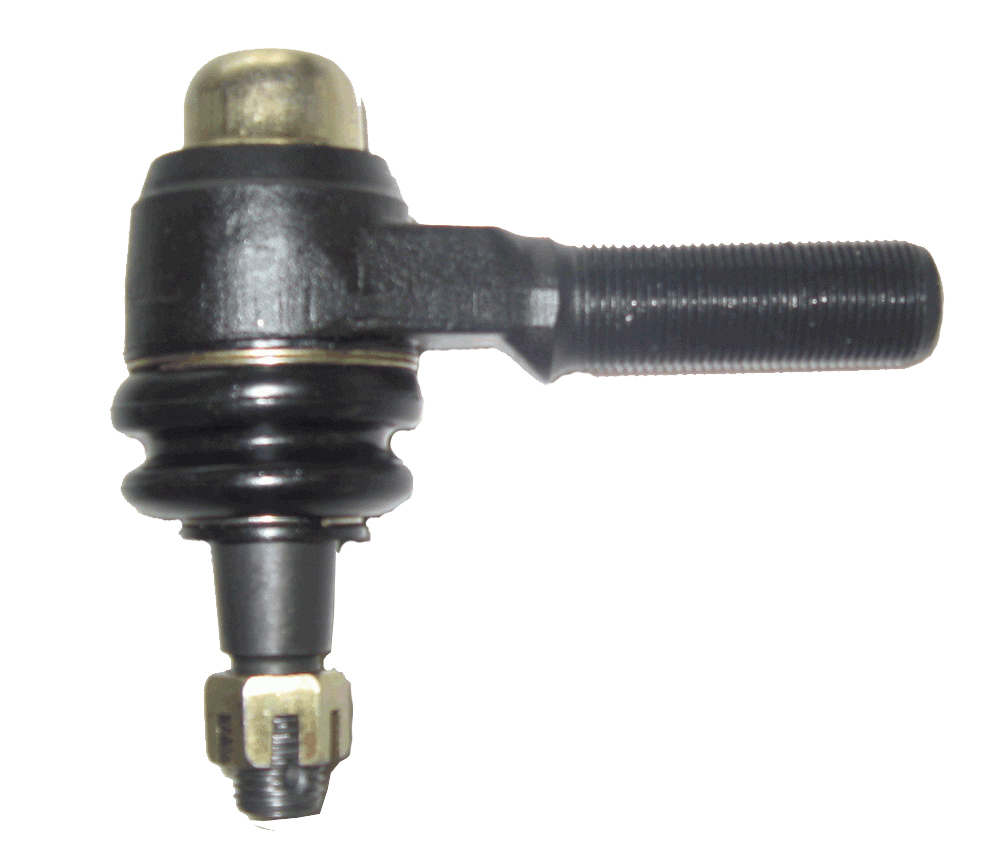
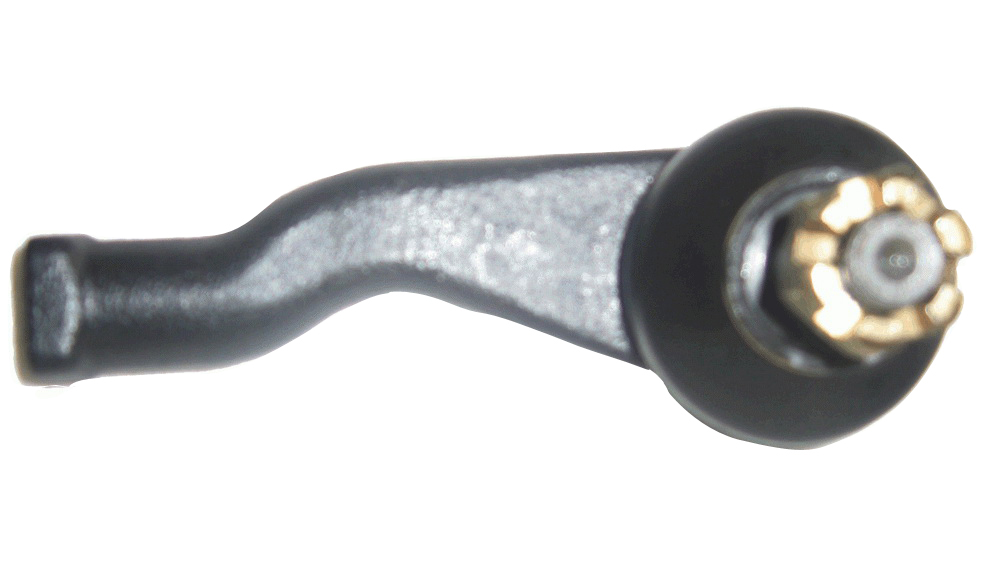
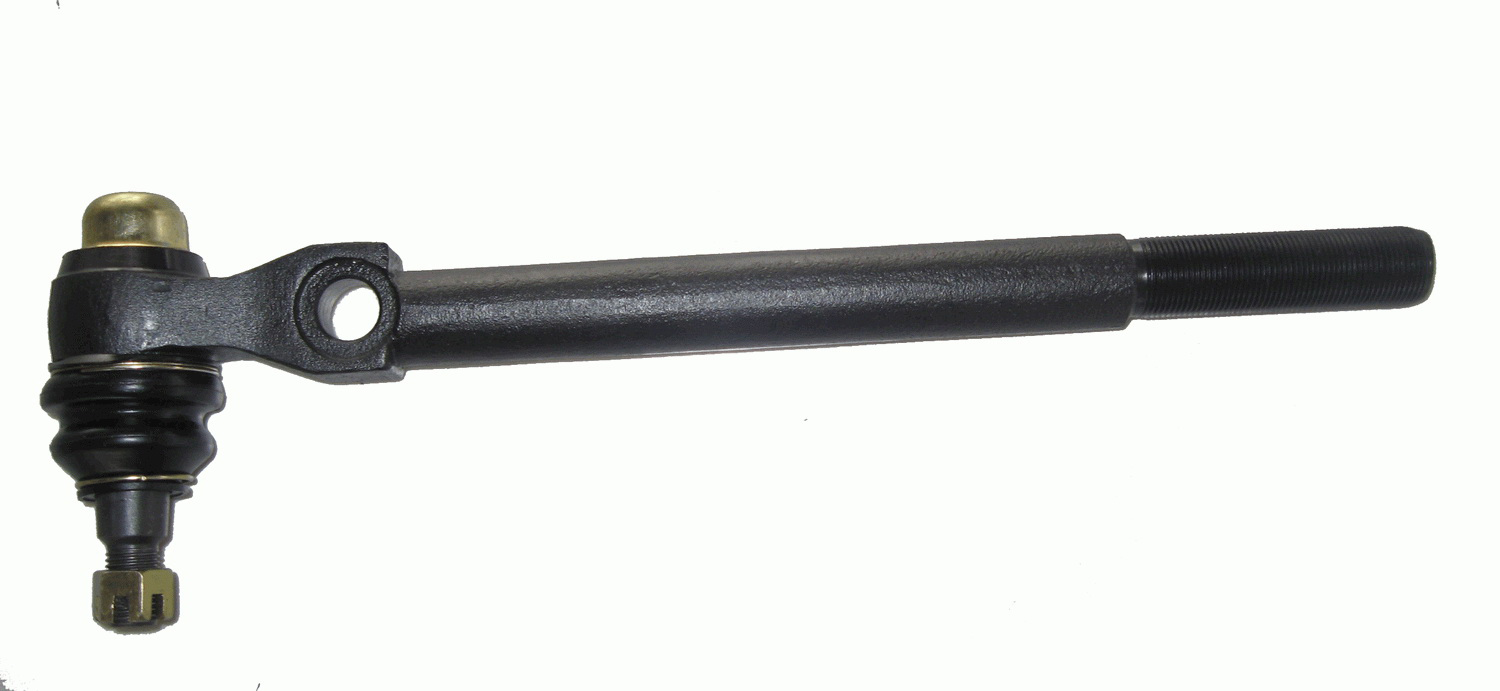
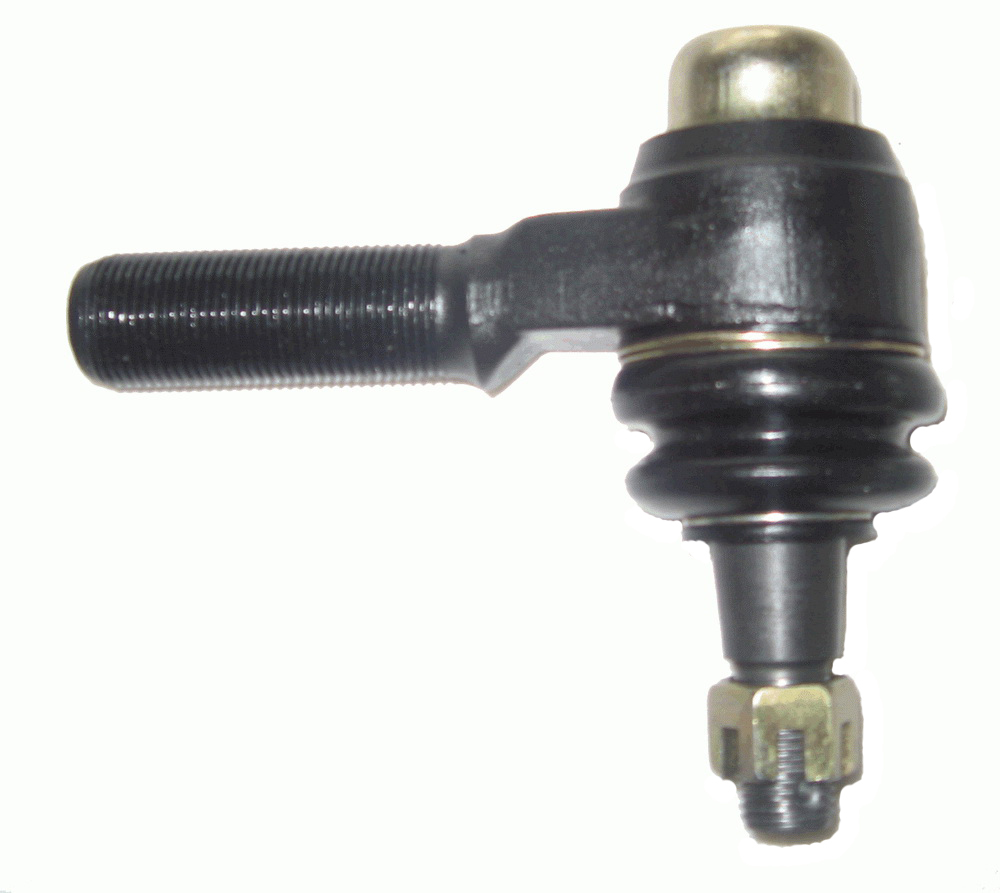
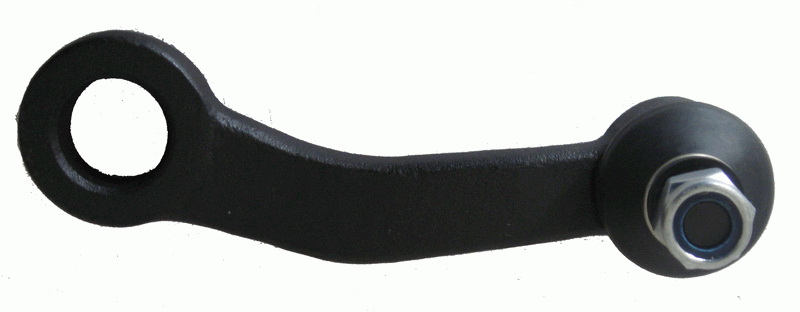
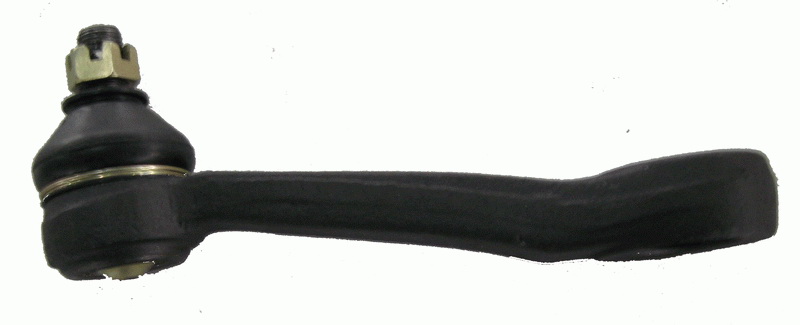
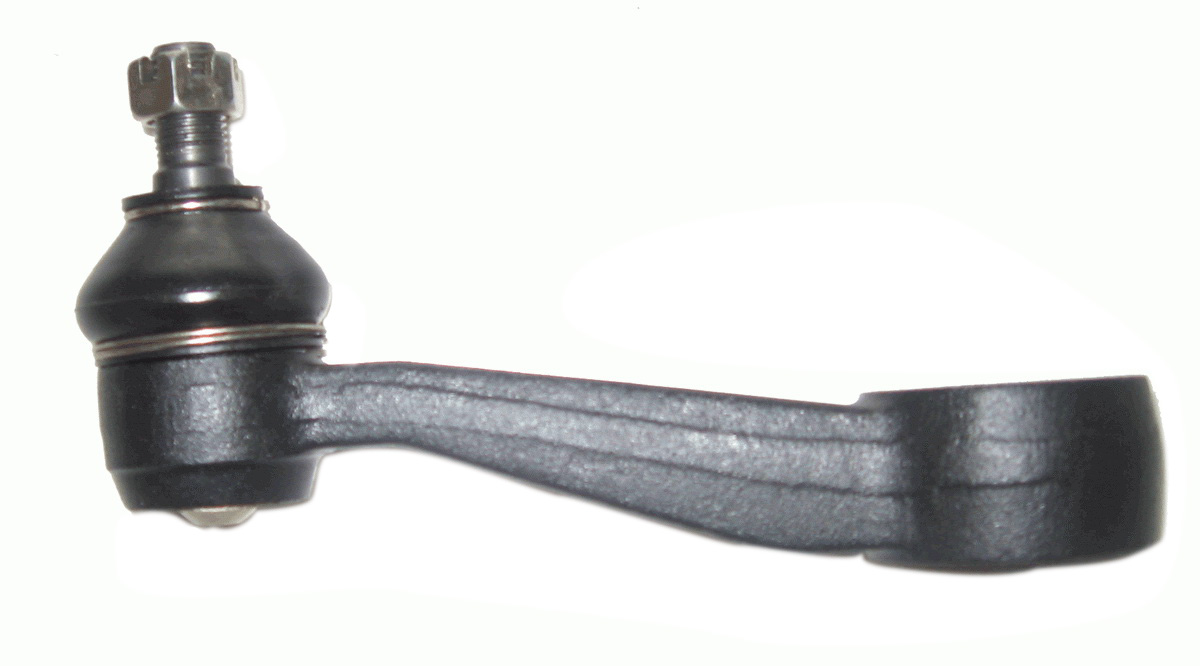
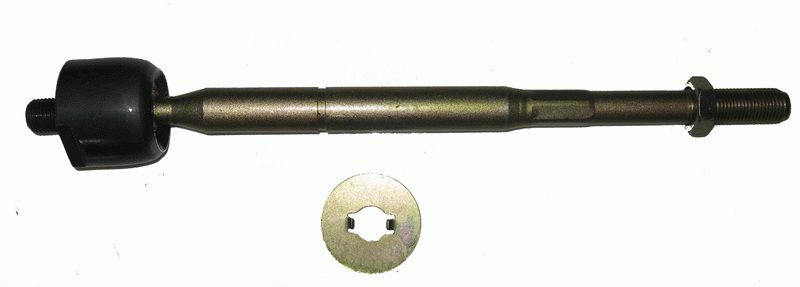
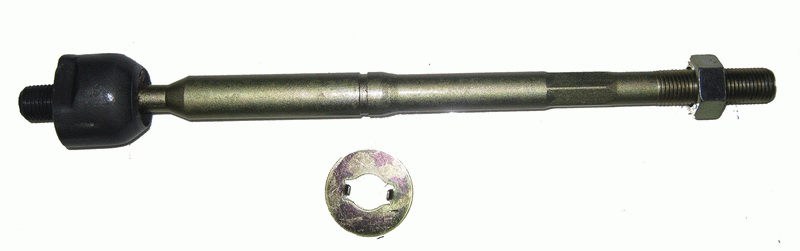
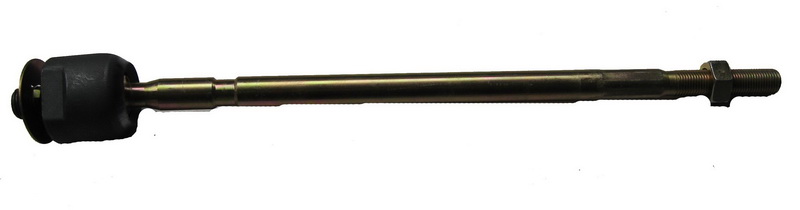
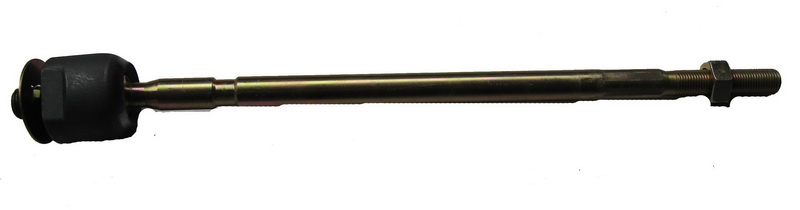
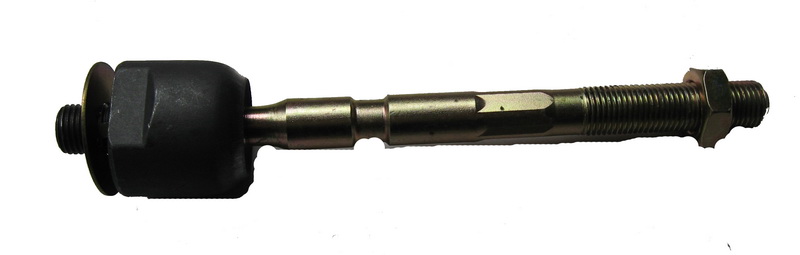
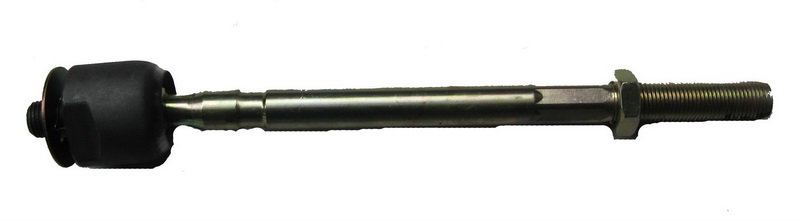
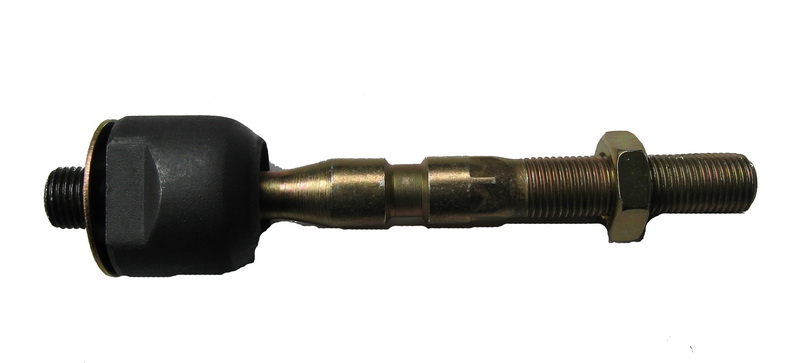
Tie Rod Ends
Source high-quality tie rod ends from vetted manufacturers and suppliers in China and across Asia. Designed for automotive parts importers, wholesale distributors, and aftermarket brands seeking reliable OEM and private-label production. Secure bulk orders with competitive pricing and rigorous quality control.
Sourcing tie rod ends in volume requires balancing metallurgical integrity with precise machining tolerances. As a critical steering component subjected to constant dynamic loads, structural failure is not an option. For aftermarket brands and wholesale distributors, the primary sourcing challenge is finding a factory that consistently maintains tight tolerances and proper heat treatments across high-volume, multi-SKU production runs.
Technical Specifications and Materials
The durability of a tie rod end is entirely dependent on the raw materials and the specific hardening processes applied. When negotiating with suppliers, specifying the exact steel grades and polymer types is critical to avoiding substandard aftermarket replacements.
| Component | Standard Aftermarket | Premium / Heavy-Duty |
|---|---|---|
| Housing Material | 45# Carbon Steel | 40Cr Forged Alloy Steel |
| Ball Stud | 40Cr Steel | 35CrMo Alloy Steel |
| Dust Boot | Natural Rubber (NR) | Chloroprene (CR) or EPDM |
| Internal Bearing | POM (Polyoxymethylene) | POM-PTFE blend or Sintered Steel |
The Ball Stud and Housing
The ball stud is the primary wear point. It must endure high friction and impact forces. Premium manufacturers utilize 40Cr or 35CrMo alloy steel for the stud, followed by induction hardening on the ball surface to achieve a hardness of HRC 50 to 60. The housing is typically hot-forged. Cold forging is sometimes used for smaller passenger vehicle applications, but hot forging is standard for light truck and commercial vehicle components.
Dust Boots and Lubrication
A tie rod end only lasts as long as its grease is contained and free of contaminants. Chloroprene (CR) rubber is the industry standard for dust boots due to its superior oil and ozone resistance compared to standard natural rubber. Ensure the factory uses a high-grade lithium or molybdenum disulfide (MoS2) grease rated for extreme temperatures.
Manufacturing Process and Quality Control
Quality is won or lost in the machining and assembly phases. Even with high-grade steel, poor CNC machining will lead to improper seating of the ball stud, resulting in premature wear, excessive play, or steering binding.
Critical Factory QC Checks for Tie Rod Ends
- Ball stud surface roughness (Ra value must be under 0.4 µm to minimize POM bearing wear).
- Thread precision (Go/No-Go gauge testing for inner tie rod connections).
- Induction hardening depth (metallurgical sectioning to verify heat treatment penetration).
- Torque testing (measuring rotational and articulating torque to ensure smooth operation).
- Pull-out and push-out force testing (verifying housing crimp strength).
To ensure these standards are met before shipment, implementing a robust Quality Control & Inspection protocol is highly recommended. Relying solely on a factory's internal testing reports can expose your supply chain to unacceptable defect rates.
Need to verify a factory's machining capabilities and quality management systems before placing a bulk order?
Talk to our teamSupplier Vetting for Steering Components
Because tie rod ends are safety-critical components, you must filter suppliers by their quality management systems.
- IATF 16949 Certification: This is the non-negotiable baseline for any automotive parts manufacturer. It ensures the factory has stringent processes for defect prevention, supply chain traceability, and continuous improvement.
- In-House Testing Capabilities: A capable factory should have an in-house laboratory equipped with salt spray testers (for coating durability), fatigue testing rigs (simulating 1 million plus cycles), and metallurgical microscopes.
If you are developing upgraded components for off-road or performance applications, you will need a partner capable of advanced OEM/ODM Services. Validating these capabilities requires thorough Factory Audits to confirm that the supplier's engineering team and testing equipment match their marketing claims.
Pricing, MOQs, and Lead Times
Tie rod end pricing is heavily influenced by steel commodity rates, the complexity of the forging, and the specific material upgrades (like CR rubber boots or MoS2 grease). Because automotive steering components require tooling and setup for specific vehicle applications, factories manage production through strict Minimum Order Quantities (MOQs).
When managing a catalog of hundreds of steering SKUs, buyers often negotiate a cumulative order volume to lower the per-SKU MOQ, allowing for a broader product range in a single container shipment.
Managing a complex, multi-SKU steering component order? Let us help you streamline production and consolidate your shipments.
Get a free consultationFrequently Asked Questions
Successfully sourcing tie rod ends is less about finding the lowest unit price and more about managing metallurgical consistency and machining precision at scale. By strictly defining your material specifications and enforcing rigorous pre-shipment inspections, you can build a highly reliable automotive aftermarket supply chain.
Get Sourcing Help for Tie Rod Ends
Tell us your requirements and our experts will connect you with verified manufacturers.