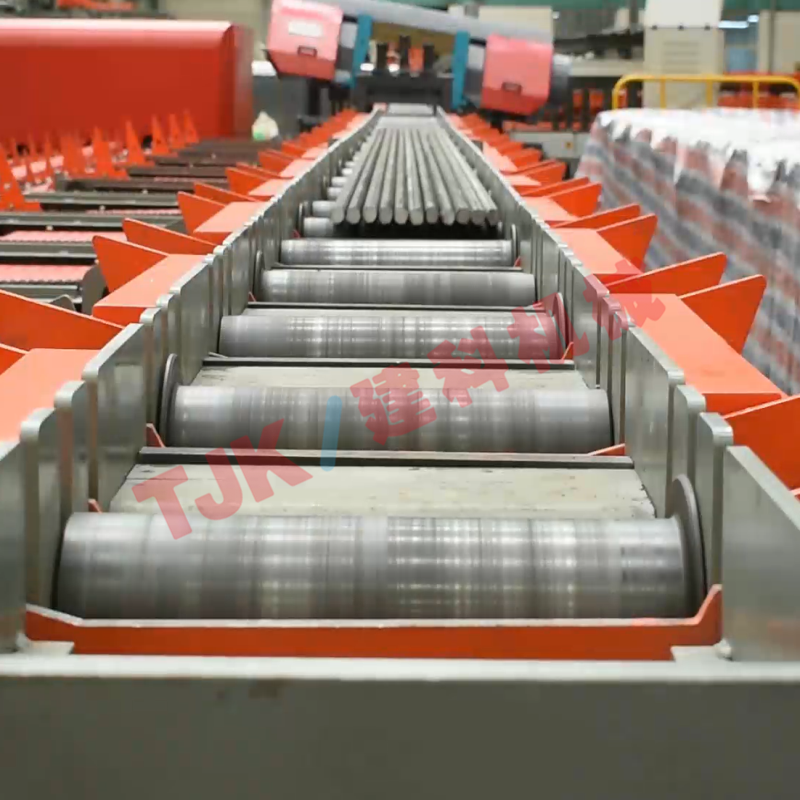
Thread Rolling Machines
Source industrial-grade Thread Rolling Machines from vetted suppliers and manufacturers. Designed for machinery importers, industrial distributors, and procurement managers buying in bulk or seeking OEM production, our network delivers reliable, high-precision metal forming equipment direct from the factory.
Sourcing thread rolling machines at scale requires balancing heavy-duty mechanical reliability with precise tolerance controls. Whether you are distributing machinery to metalworking facilities or procuring equipment for high-volume fastener production lines, the core challenge is verifying that the equipment can sustain continuous high-pressure operation without spindle deflection, hydraulic failure, or premature motor burnout.
When importing industrial machinery, superficial specifications on a supplier's spec sheet rarely tell the whole story. Success depends on interrogating the underlying components, the casting quality of the machine body, and the factory's assembly tolerances.
Core Specifications to Define
To ensure you receive machinery capable of meeting your end-users' production demands, your request for quotation (RFQ) must dictate precise technical parameters. Leaving these open to interpretation often results in suppliers substituting lighter-duty components to lower the price.
Critical RFQ Parameters
- Maximum rolling pressure (tons) and corresponding hydraulic system capacity
- Spindle diameter (mm) and permissible spindle speed range (RPM)
- Maximum and minimum thread diameter and pitch capacity
- Motor power (kW) and specific brand requirements for the main drive
- Cooling system capacity and lubrication pump specifications
- Control system architecture (e.g., PLC brand, HMI interface requirements)
Need to verify a machinery manufacturer's true production capabilities? We can help you audit factories and standardize your RFQ.
Talk to our teamManufacturing Quality and Component Sourcing
The longevity of a thread rolling machine is heavily dependent on the rigidity of its frame and the quality of its internal components.
Frame Casting and Rigidity
High-quality machines utilize Meehanite cast iron or similarly high-grade ductile iron for the main body. Crucially, the casting must undergo proper natural or vibrational aging to relieve internal stresses before machining. If a factory skips this step to accelerate production, the machine frame will warp under high rolling pressures, leading to permanent alignment issues and out-of-tolerance threads. Conducting thorough Factory Audits is essential to verify a manufacturer's casting and aging processes before placing an order.
Hydraulic and Electrical Components
The hydraulic system is the heart of any heavy-duty thread roller. Domestic Chinese hydraulic valves and pumps are cost-effective but may suffer from pressure drops under continuous 24/7 operation. Specify imported components (such as Yuken from Japan or Rexroth from Germany) for critical hydraulic lines. Similarly, electrical contactors and PLCs should be specified from globally recognized brands (Siemens, Schneider, Mitsubishi) to ensure reliability and local replacement availability for your buyers.
| System Type | Best For | Key Advantage | Primary Limitation |
|---|---|---|---|
| Cam-Driven | High-speed, smaller diameter fasteners | Exceptional cycle speeds | Limited max rolling pressure |
| Hydraulic | Heavy-duty, large diameter components | Massive, consistent forming pressure | Slower cycle times, requires fluid maintenance |
Sourcing Mechanics: Pricing, MOQs, and Lead Times
Unlike consumer goods, industrial machinery sourcing operates on low MOQs but requires stringent pre-shipment verification and specialized logistics.
Pricing Drivers
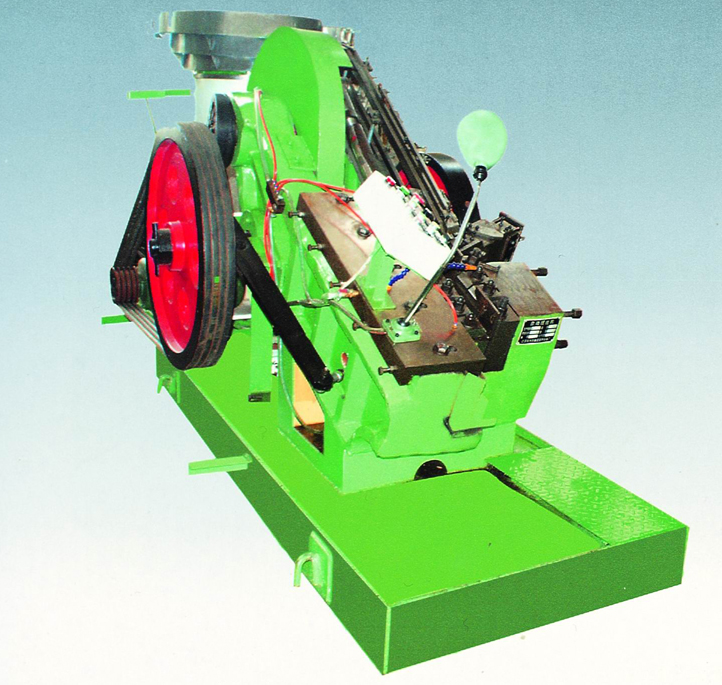
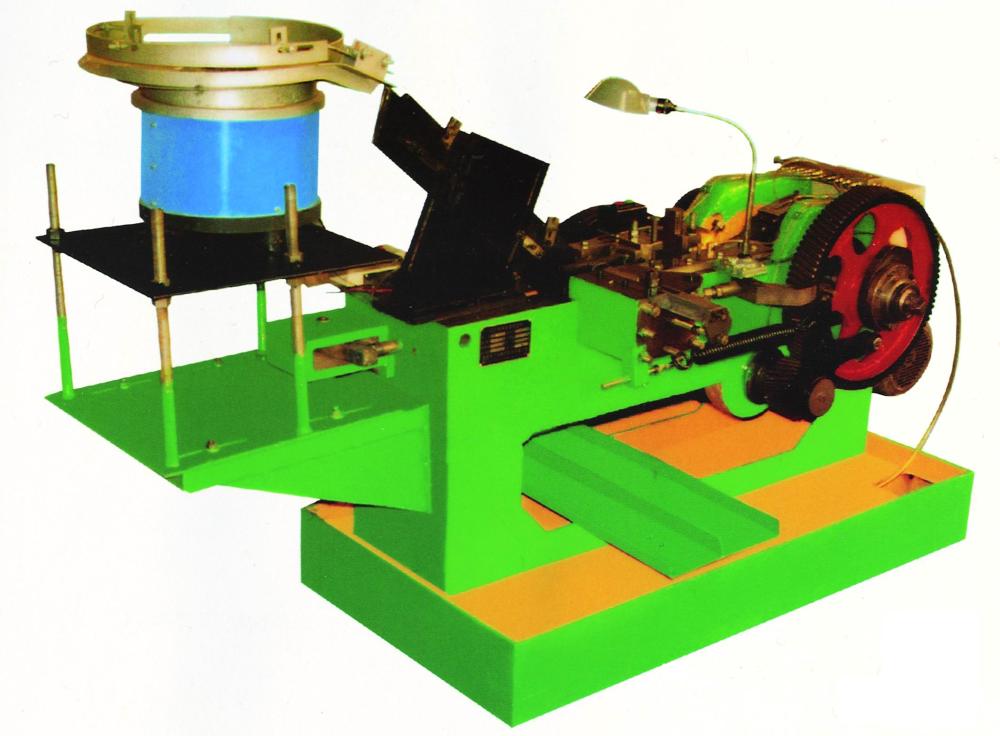
Pricing for thread rolling machines fluctuates based on the automation level (manual feed vs. fully automated vibratory bowl feeders), the origin of the hydraulic and electrical components, and the sheer weight of the cast iron frame. A machine priced 20% below market average has almost certainly been hollowed out—literally—using thinner castings and underpowered domestic motors.
Inspection and Logistics
Never ship heavy machinery without a Factory Acceptance Test (FAT). Comprehensive Quality Control & Inspection must include running the machine at maximum rated pressure with test blanks to verify thread runout and pitch accuracy. Furthermore, these machines are exceptionally heavy and top-heavy. Coordinating proper crating, moisture-barrier packaging, and Shipping & Freight (often requiring flat racks or specialized container loading) is critical to prevent transit damage.
Managing heavy machinery procurement, inspection, and freight is complex. Let our on-the-ground engineers secure your supply chain.
Get a free consultationFrequently Asked Questions
Procuring industrial metal forming equipment requires moving beyond basic price negotiation. By specifying component origins, demanding rigorous pre-shipment testing, and managing the specialized logistics, you protect your investment and ensure end-user satisfaction. Partnering with an experienced sourcing team on the ground can help you navigate technical translations, verify factory capabilities, and secure your machinery supply chain.
Get Sourcing Help for Thread Rolling Machines
Tell us your requirements and our experts will connect you with verified manufacturers.