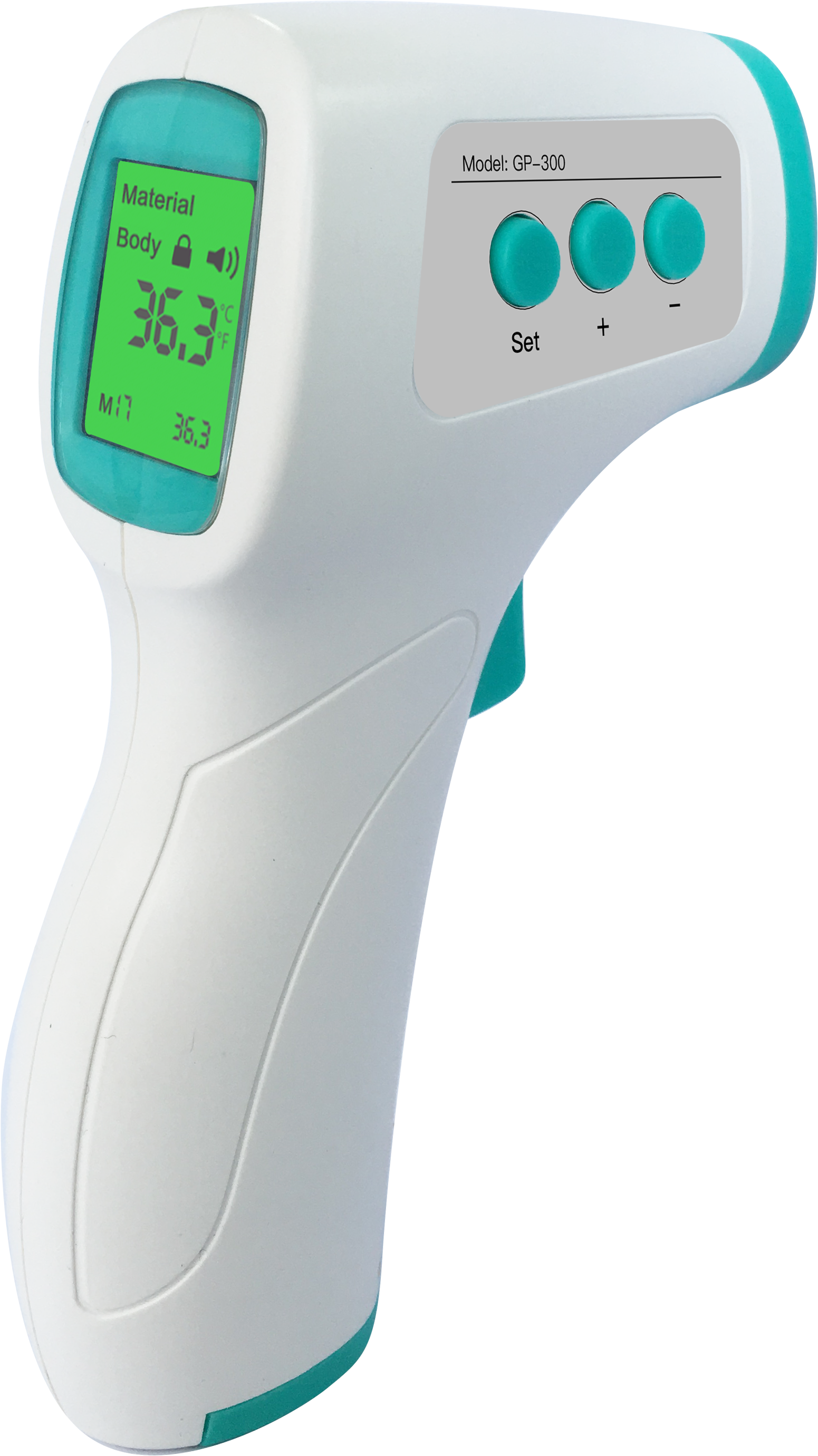
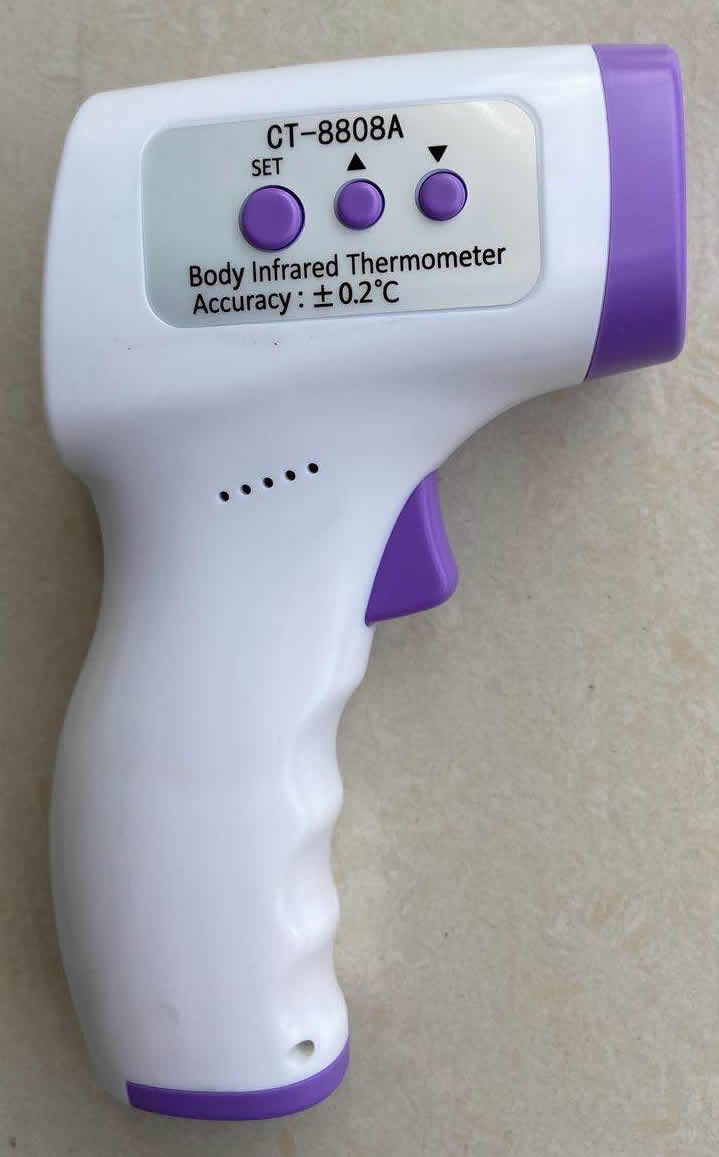
Thermometers
Source clinical-grade thermometers from vetted manufacturers and suppliers across Asia. Designed for medical device importers, healthcare distributors, and pharmacy brands seeking reliable OEM and private-label production. Ensure strict regulatory compliance and consistent accuracy with every bulk shipment.
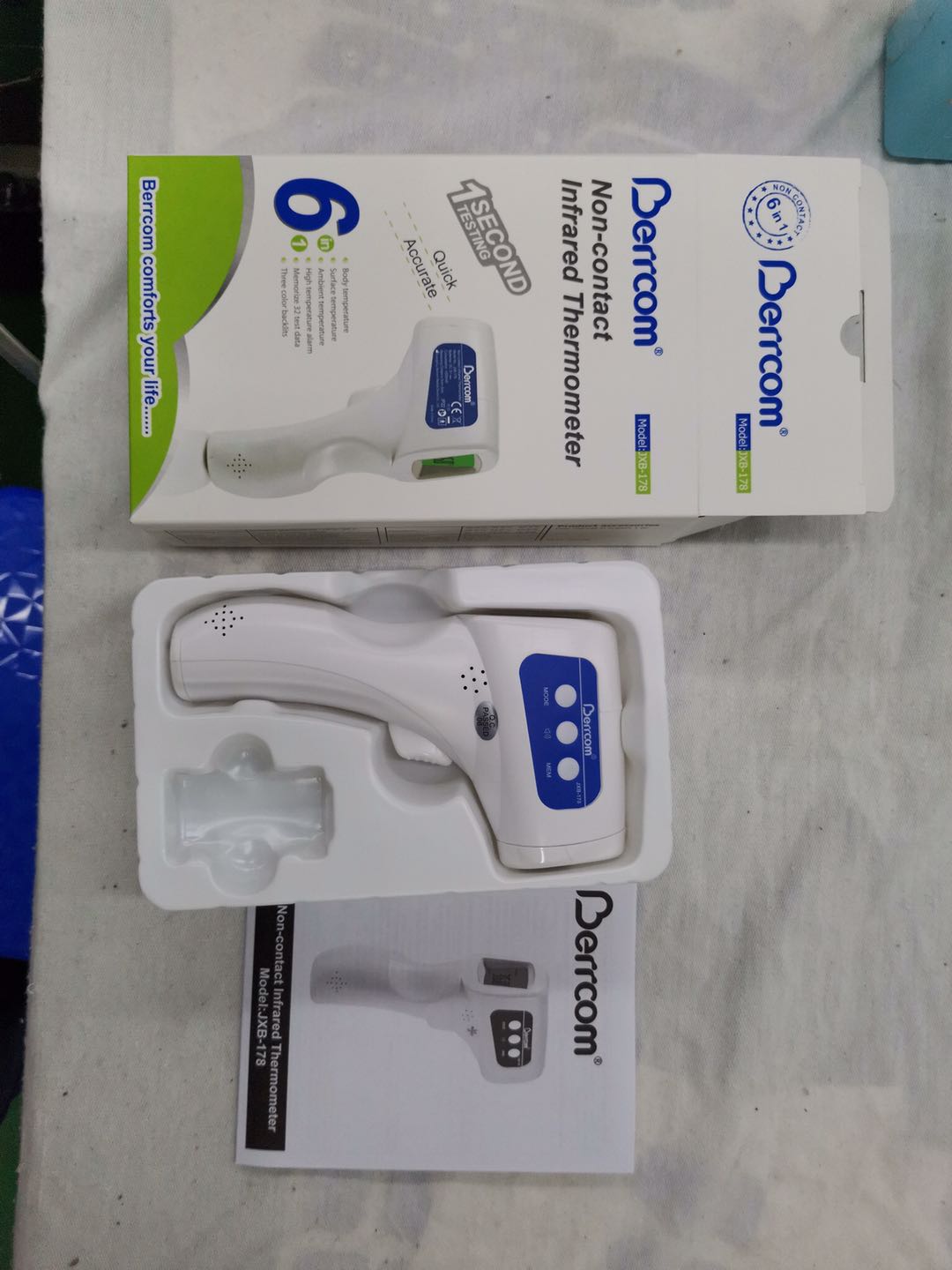
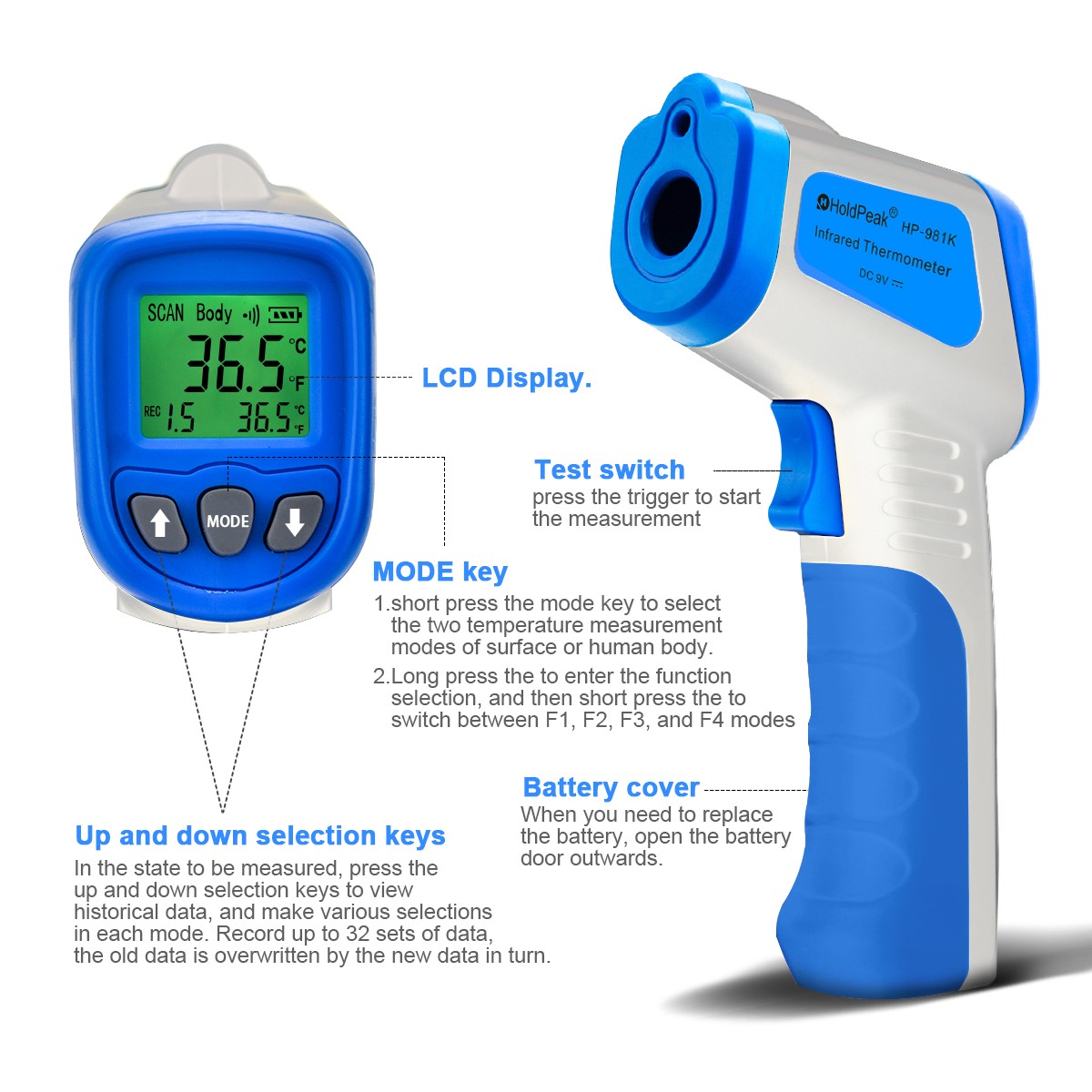
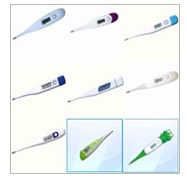
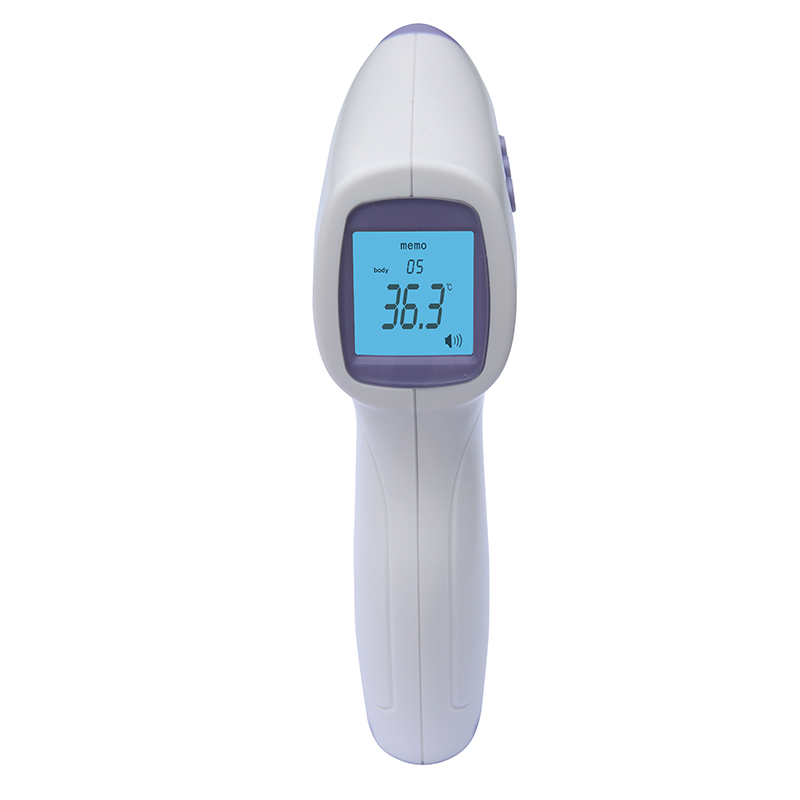
Sourcing household and clinical thermometers at scale requires navigating a strict landscape of sensor calibration, component stability, and medical regulatory compliance. Whether you are importing infrared non-contact models or standard digital stick thermometers, the primary challenge is ensuring batch-to-batch accuracy. A failure in calibration or a rejected customs entry due to invalid certification can easily derail an entire product line.
To successfully import these devices, buyers must look beyond the external housing and scrutinize the factory's sensor sourcing, calibration environments, and quality management systems.
Core Sensor Technology and Specifications
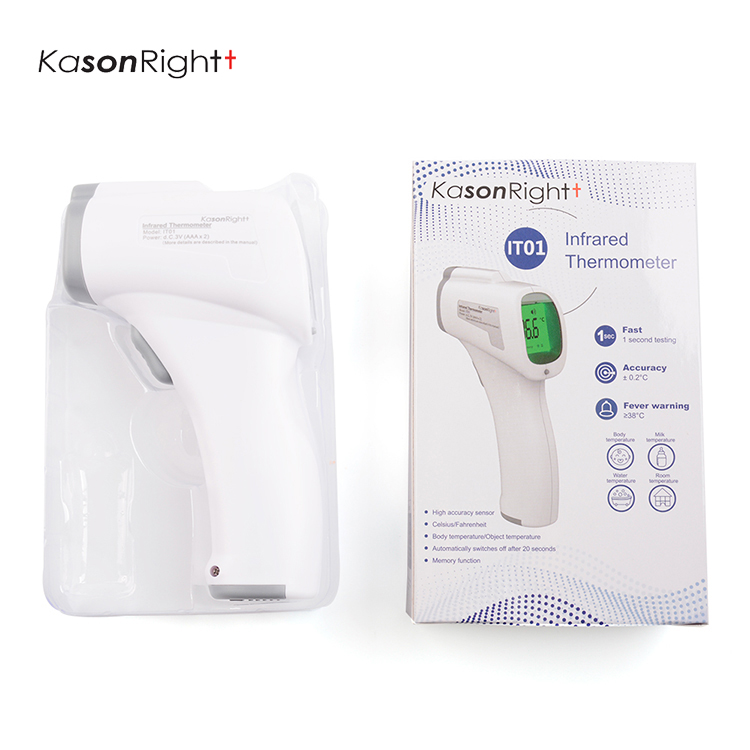
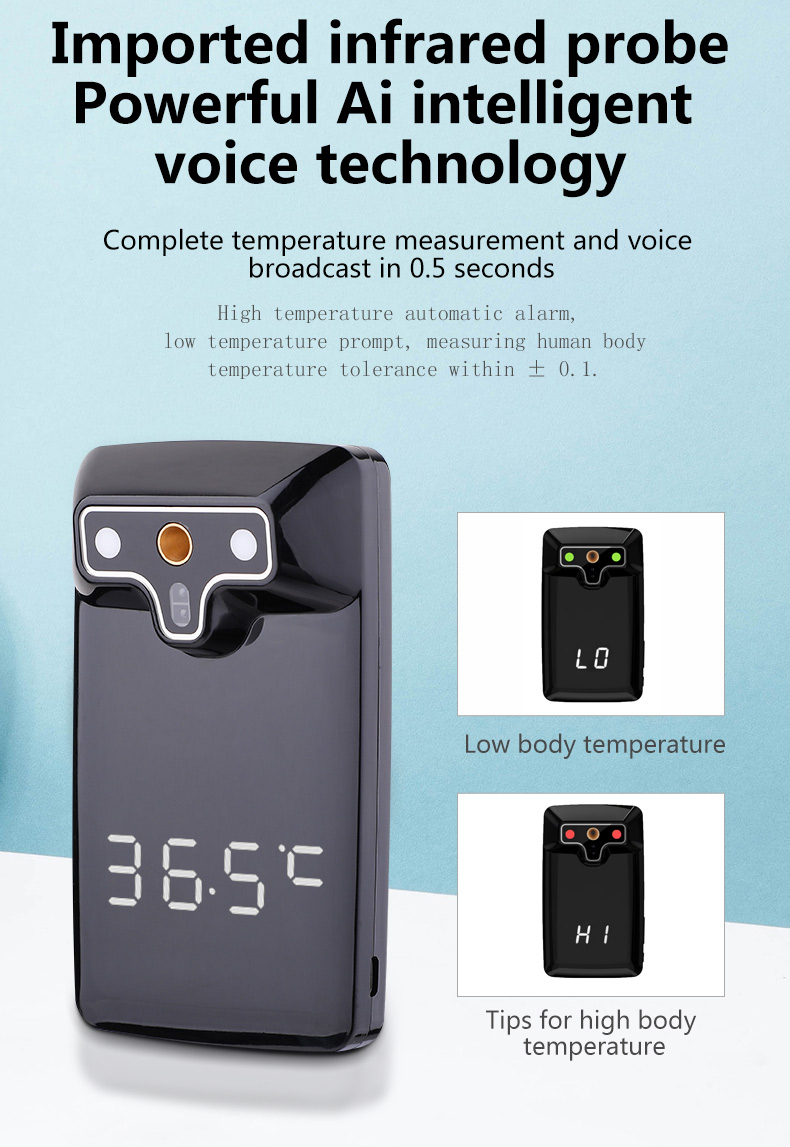
The reliability of any thermometer rests entirely on its sensor and the algorithm used to translate the raw analog signal into a digital temperature reading. When negotiating with wholesale thermometer manufacturers, you must specify the exact technical parameters of the internal components.
| Specification | Digital Stick (Contact) | Infrared (Non-Contact) |
|---|---|---|
| Sensor Technology | Thermistor | Thermopile |
| Clinical Accuracy | ±0.1°C | ±0.2°C |
| Measurement Speed | 10 to 60 seconds | Under 1 second |
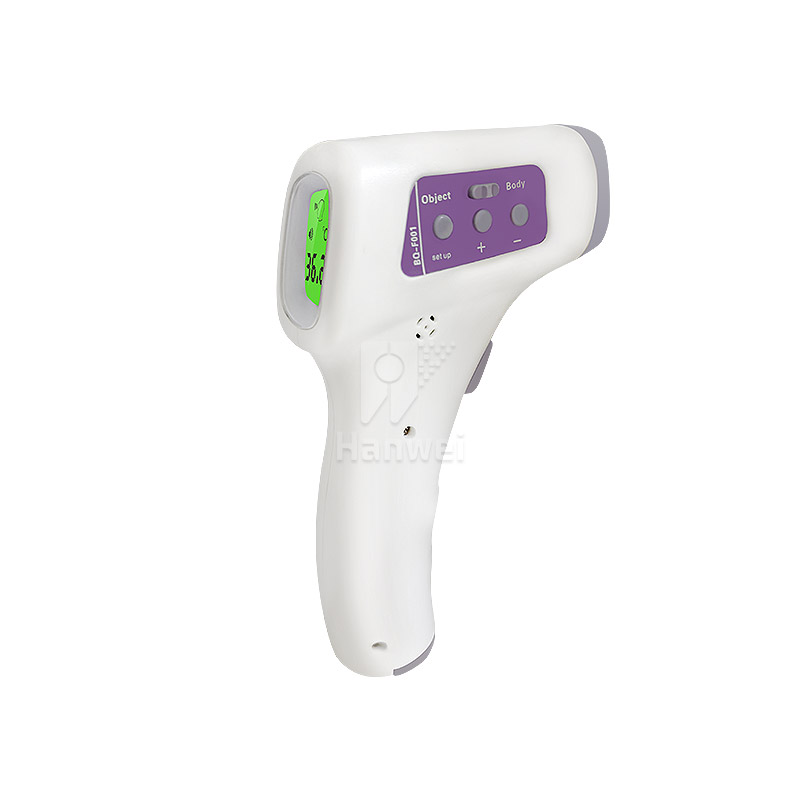
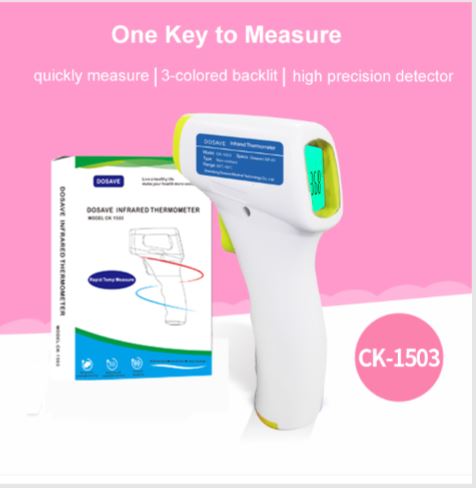
| Primary Application | Oral, Axillary, Rectal | Forehead, Tympanic (Ear) |
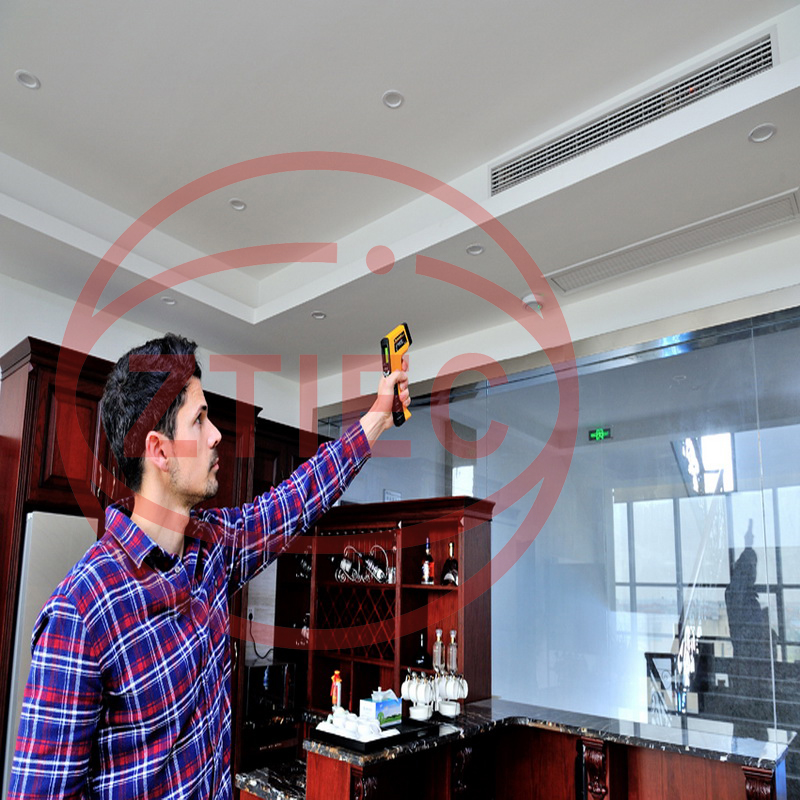
For infrared models, the origin of the thermopile sensor is a major cost and quality driver. High-end OEM projects often specify imported sensors (such as Heimann from Germany or Melexis from Belgium) combined with local Chinese PCB assembly to balance precision with cost-effective manufacturing.
Manufacturing and Calibration Protocols
Assembling a thermometer is straightforward; calibrating it is not. The difference between a reliable medical device supplier and a substandard factory lies in their testing infrastructure.
SMT and PCB Assembly
Surface Mount Technology is used to populate the mainboard. High-quality factories will use automated optical inspection (AOI) to check for soldering defects.
Sensor Integration
The thermistor or thermopile is integrated into the probe or housing. This step often requires a cleanroom environment to prevent dust from interfering with IR lenses.
Black Body Calibration
Crucial for IR thermometers. Devices are pointed at a 'black body' radiation source set to precise temperatures (e.g., 37.0°C) to calibrate the internal algorithm. Factories without sufficient black body machines will bottleneck here or skip calibration entirely.
Aging and Environmental Testing
Finished units are placed in constant temperature and humidity chambers to ensure the housing and electronics remain stable under different environmental conditions.
Because calibration is so critical, conducting thorough Factory Audits before placing a PO is essential. You must verify that the supplier actually possesses the calibration equipment they claim to have, rather than outsourcing it or skipping it to speed up production.
Verifying a factory's calibration protocols and ISO 13485 compliance requires on-the-ground expertise. We can audit suppliers and manage the entire sourcing process to ensure clinical-grade accuracy.
Talk to our teamMedical Compliance and Certifications
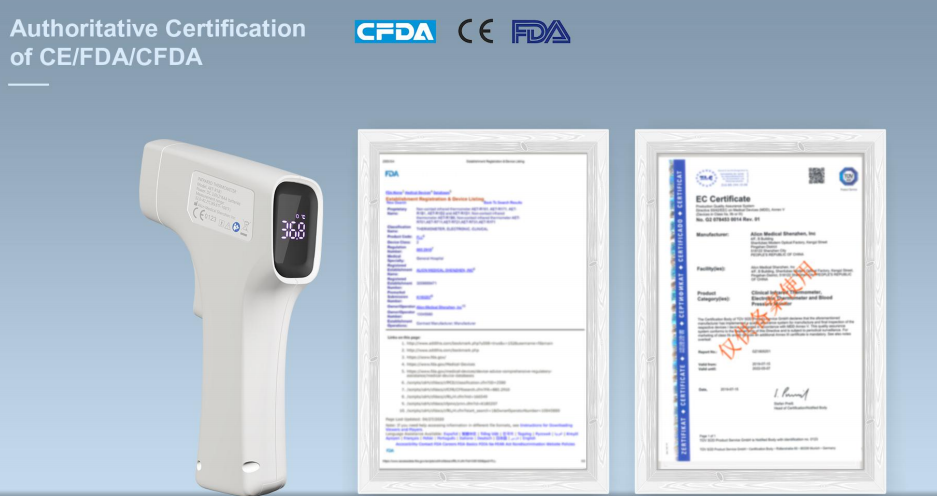
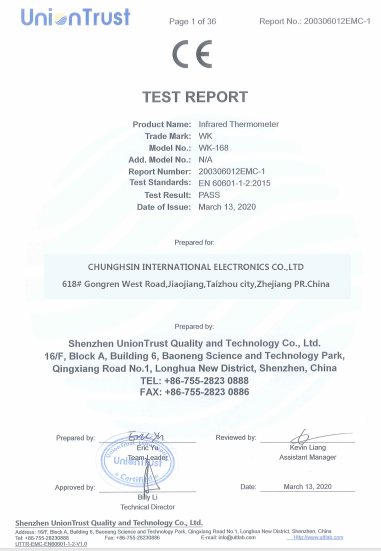
Thermometers are classified as medical devices in almost every major market. Customs authorities will seize shipments that lack proper documentation. You cannot rely on a supplier simply handing you a "CE certificate"—it must be issued by a valid Notified Body under the correct medical directive.
Essential Compliance Documentation
- ISO 13485 Certification: The factory's quality management system must be certified for medical device manufacturing.
- EU MDR (CE Mark): For the European market, ensure the certificate complies with the Medical Device Regulation, not just the older MDD.
- FDA 510(k) Clearance: Required for the US market. Verify the factory's registration number directly in the FDA database.
- RoHS and REACH: Required for electronic components and plastics entering the EU.
- Clinical Validation Reports: Legitimate factories can provide data showing their devices have been tested against clinical benchmarks.
Navigating these regulatory requirements is complex. Utilizing professional Compliance & Testing services ensures your products meet all destination-market legal requirements before they leave the factory.
MOQs, Pricing, and Lead Times
Pricing for thermometers fluctuates based on sensor origin, plastic resin costs, and the level of customization required.
If you are pursuing OEM/ODM Services to develop a custom housing or integrate Bluetooth/app connectivity, expect MOQs to rise to 10,000 units or more to cover the custom tooling and software development costs.
Need to negotiate custom tooling, strict AQLs, or better payment terms? Our team manages the entire procurement cycle directly with vetted medical device manufacturers.
Get a free consultationQuality Control Vulnerabilities
Even with top-tier suppliers, batch defects can occur. Implementing rigorous Quality Control & Inspection prior to shipment is non-negotiable.
Common Defect Areas to Monitor
Advantages
- Verify battery compartment contacts (preventing power failure).
- Test LCD/LED display clarity under different lighting.
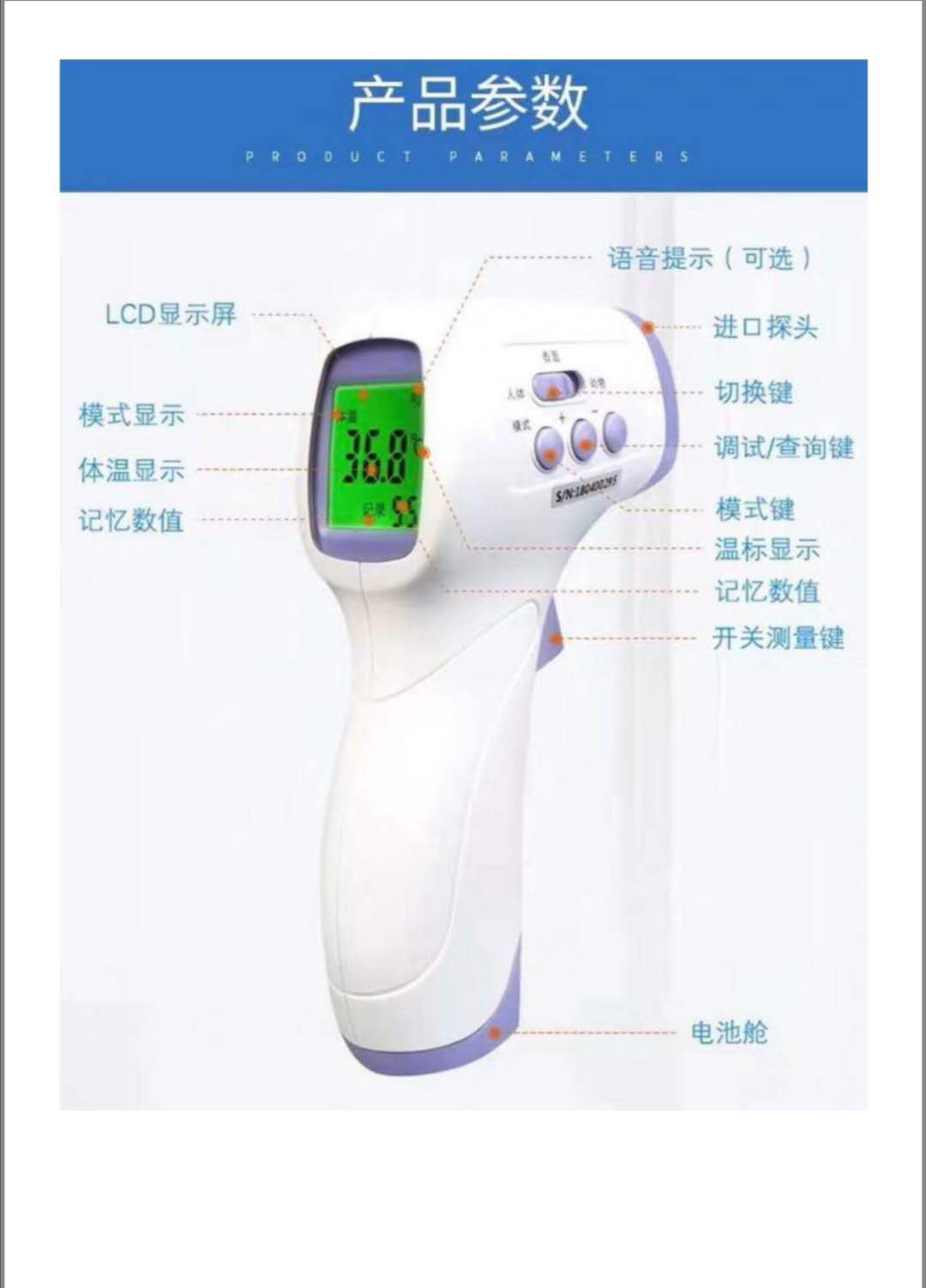
- Check memory recall functions for accurate data storage.
Disadvantages
- Inconsistent readings across multiple tests on the same subject.
- Poorly fitted IR lenses allowing dust ingress.
- Flimsy probe covers or weak housing joints on digital stick models.
Frequently Asked Questions
Sourcing reliable thermometers is fundamentally about risk management. The lowest quoted price often hides compromised sensors or fabricated compliance documents. Success in this category requires partnering with manufacturers who treat quality assurance as a clinical necessity, not just a manufacturing guideline.
Get Sourcing Help for Thermometers
Tell us your requirements and our experts will connect you with verified manufacturers.