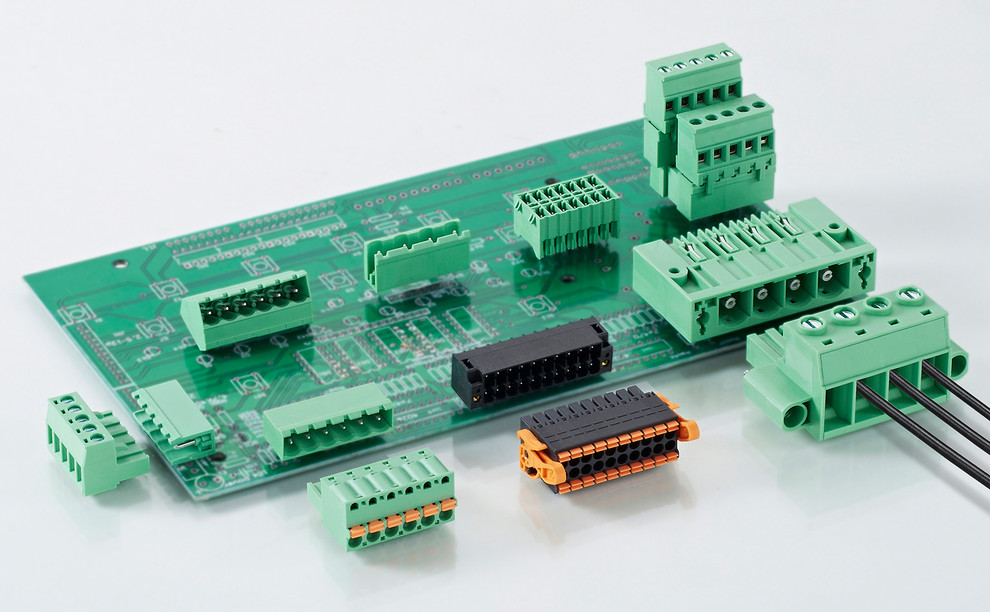
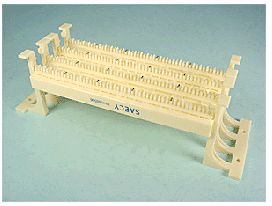
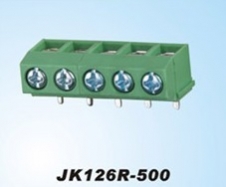
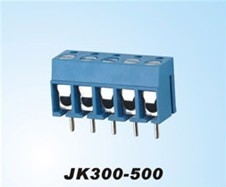
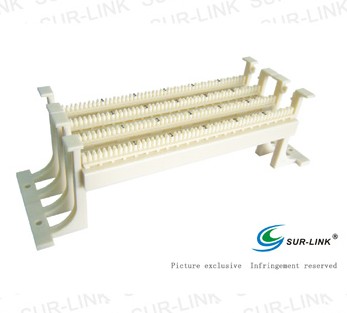
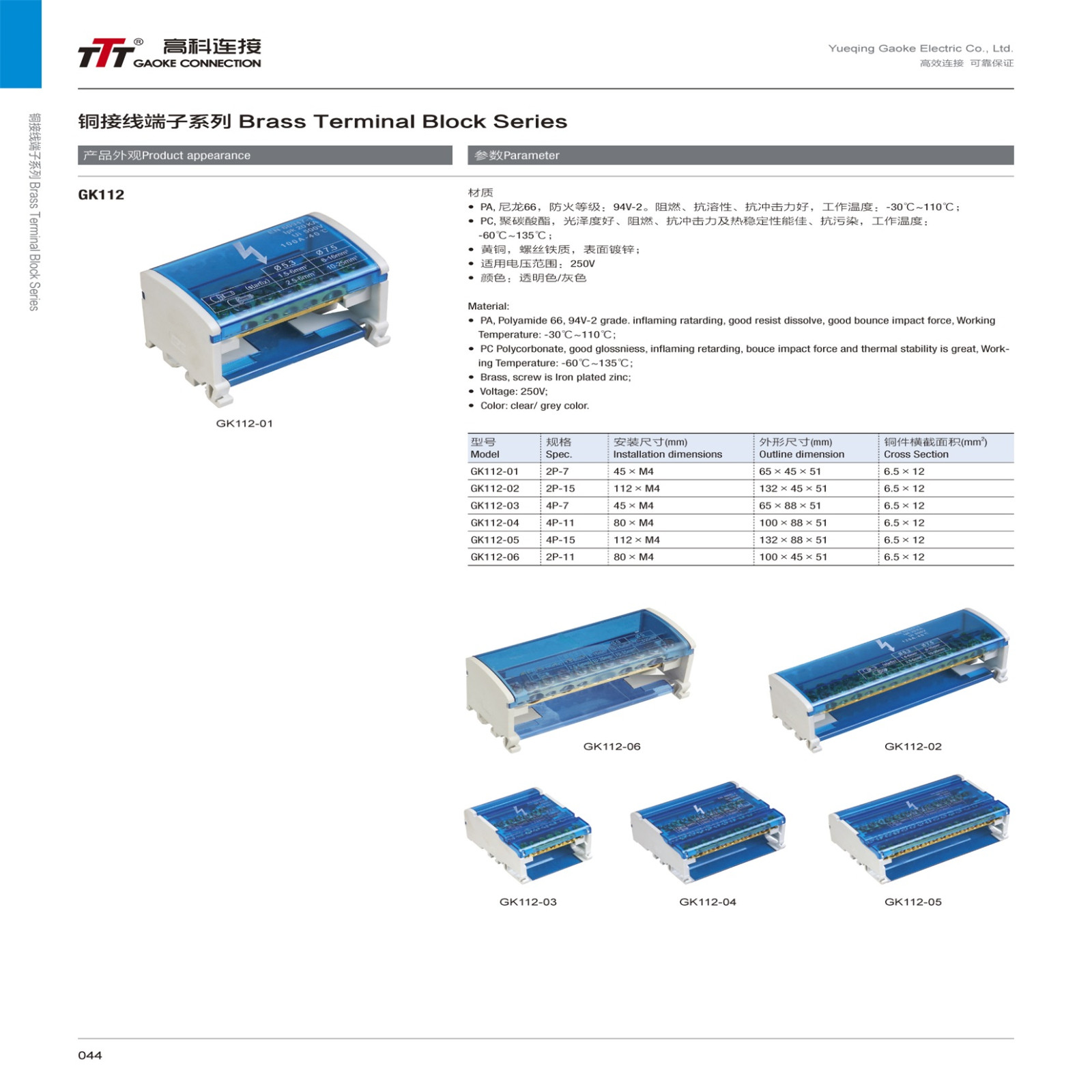
Terminal Blocks
Source high-quality terminal blocks directly from vetted manufacturers and suppliers in Asia. Designed for importers, distributors, and brands seeking reliable OEM production, our network delivers bulk components built to strict international compliance standards for industrial and commercial applications.
Sourcing terminal blocks at scale requires navigating a fragmented landscape of manufacturers where the visual differences between premium components and high-risk liabilities are practically nonexistent. Because these connectors serve as critical junctions in industrial machinery, telecommunications, and consumer electronics, a failure in material integrity or contact resistance can lead to catastrophic system faults. Securing a reliable supply chain means looking past the surface to evaluate polymer flammability ratings, metal alloy composition, and the factory's automated assembly capabilities.
Material Specifications and Component Integrity
The performance of a terminal block hinges entirely on the raw materials used in its housing and conductive elements. Buyers must specify these materials precisely to ensure the final product meets thermal and electrical demands.
| Material Element | Standard Specification | High-Performance / OEM Specification |
|---|---|---|
| Housing Polymer | PA66 (Polyamide) | LCP or Glass-filled PBT for high-temp |
| Flammability Rating | UL94 V-2 | UL94 V-0 (Self-extinguishing) |
| Contact Metal | Brass | Phosphor Bronze or Copper Alloy |
| Plating | Tin (Standard thickness) | Heavy Tin or Nickel-Gold flash |
When pursuing OEM/ODM services for custom configurations, explicitly defining the copper content in the conductive pathways is essential. Lower-tier manufacturers often substitute high-copper alloys with cheaper steel or low-grade brass, which increases electrical resistance and thermal load.
Need to verify a supplier's material specifications? Our engineering team can help audit and qualify manufacturers.
Talk to our teamFactory Capabilities and Quality Control
High-volume terminal block production relies on precision injection molding for the housings and high-speed metal stamping for the contacts. The transition from raw material to finished component introduces several quality risks that must be managed on the factory floor.
Validating a manufacturer's claims about their production equipment—specifically whether they use automated assembly lines versus manual insertion—is a core component of our factory audits. Automated lines drastically reduce the defect rate associated with missing or misaligned clamping elements.
Relying solely on a supplier's internal testing is risky. Implementing rigorous quality control and inspection protocols before shipment is the only way to catch dimensional deviations or assembly faults.
Critical Pre-Shipment Inspection Points
- Torque testing on screw terminals to ensure threads do not strip under specified loads.
- Dimensional tolerance checks on pitch spacing to guarantee PCB fitment.
- Visual inspection for plastic flash or short shots in the injection molded housing.
- Plating thickness verification using X-ray fluorescence (XRF) to prevent premature oxidation.
- Insertion and withdrawal force testing for pluggable terminal block variants.
Certifications and Regulatory Compliance
Terminal blocks imported into North America or Europe must adhere to strict safety standards. Standard CE and RoHS compliance is the baseline, but UL recognition (UL 1059) or IEC/EN 60947-7-1 certification is often mandatory for industrial applications. Navigating compliance and testing ensures your imported components will not be rejected by customs or fail downstream safety certifications.
MOQs, Lead Times, and Pricing Dynamics
Terminal block pricing is highly sensitive to global commodity markets, particularly copper and engineering plastics.
For standard off-the-shelf pitch sizes (e.g., 3.50mm, 5.00mm, 5.08mm), factories often maintain tooling and can run orders quickly. Custom pin configurations, specific color coding, or unique housing shapes will require new injection molds, extending initial lead times by 15 to 30 days and requiring higher initial MOQs to amortize tooling costs.
Looking for competitive pricing on bulk terminal block orders? Let us negotiate with vetted factories on your behalf.
Get a free consultationFrequently Asked Questions
Procuring terminal blocks in high volumes demands a strict adherence to material science and electrical safety standards. By thoroughly vetting factory capabilities and enforcing rigid quality control measures, buyers can secure reliable components that protect both their end products and their bottom line.
Get Sourcing Help for Terminal Blocks
Tell us your requirements and our experts will connect you with verified manufacturers.