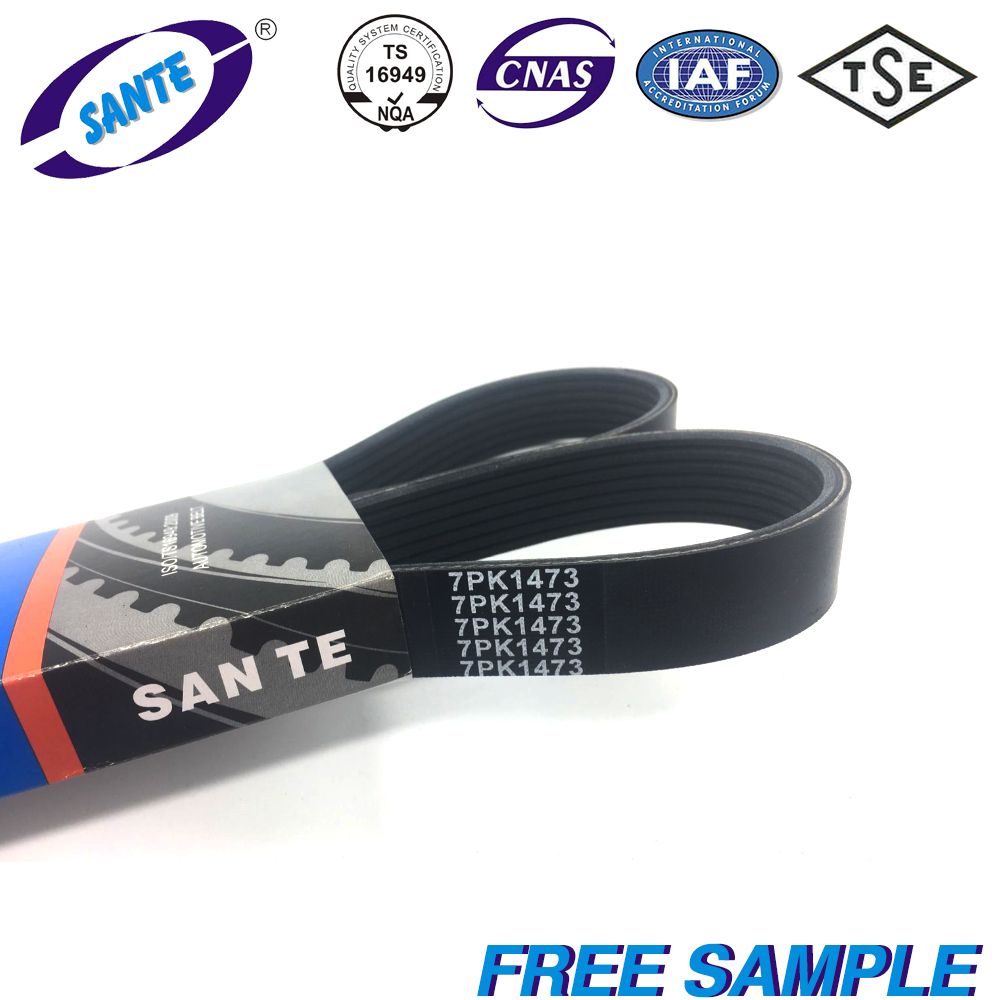
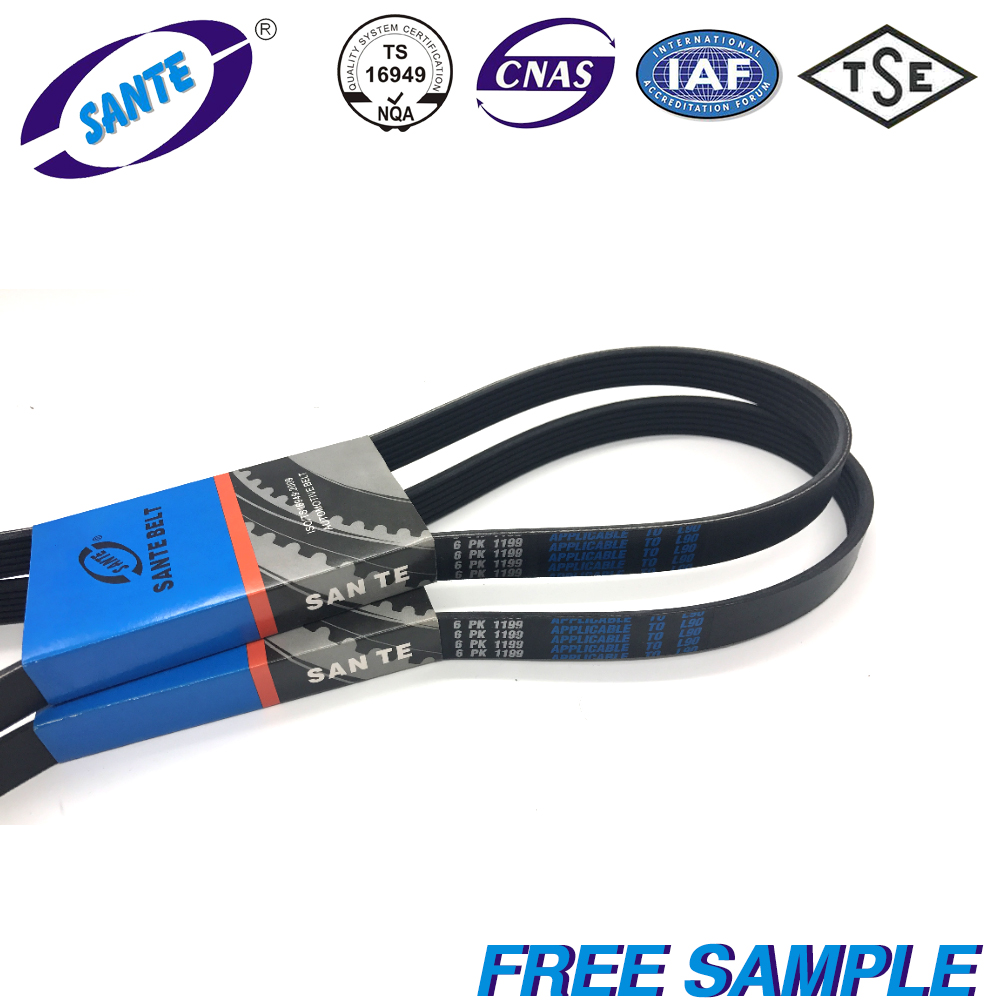
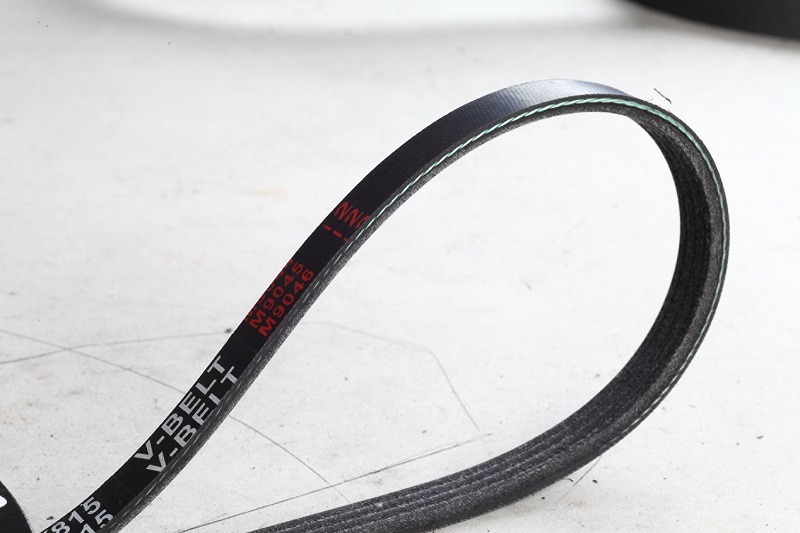
Tensioners & Belts
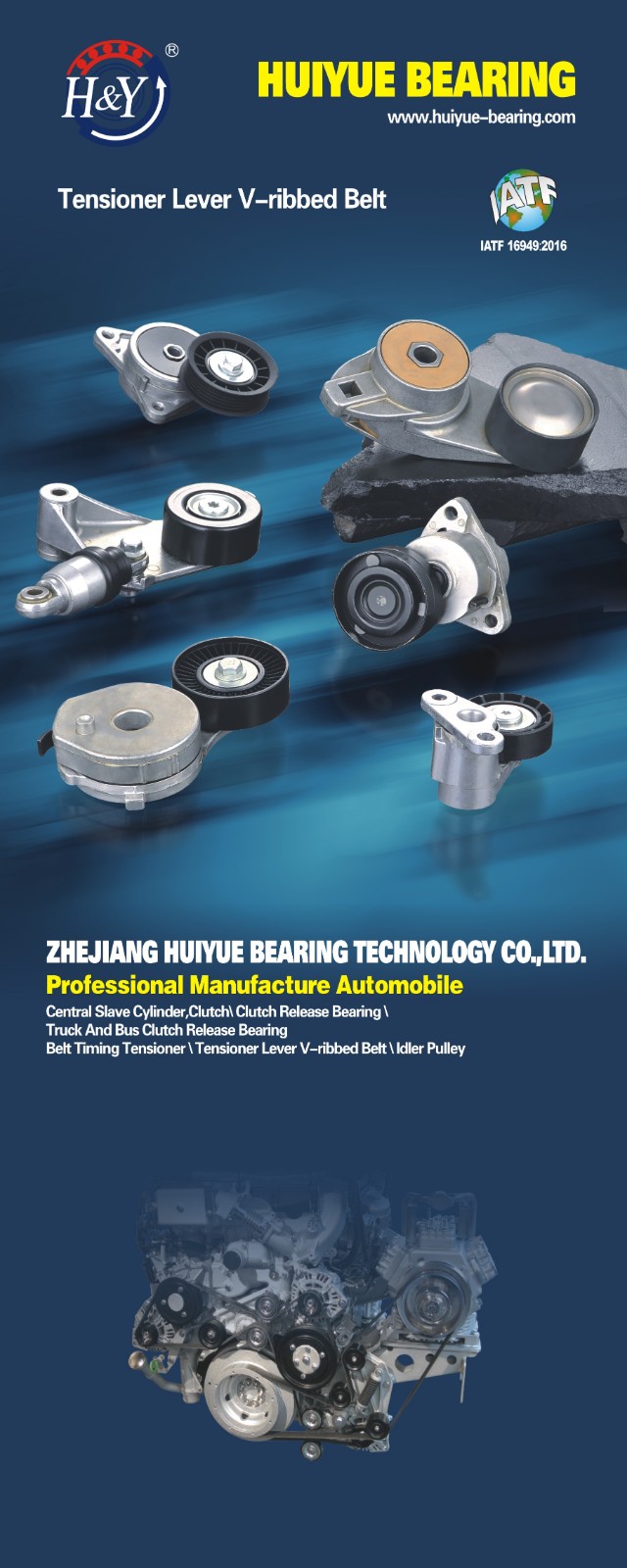
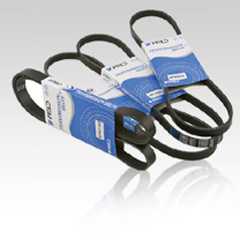
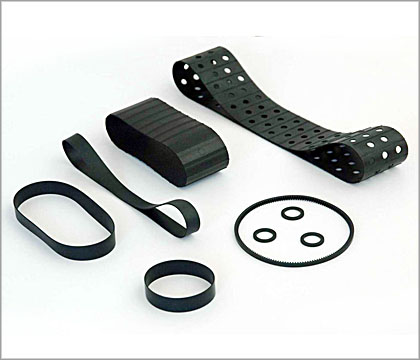
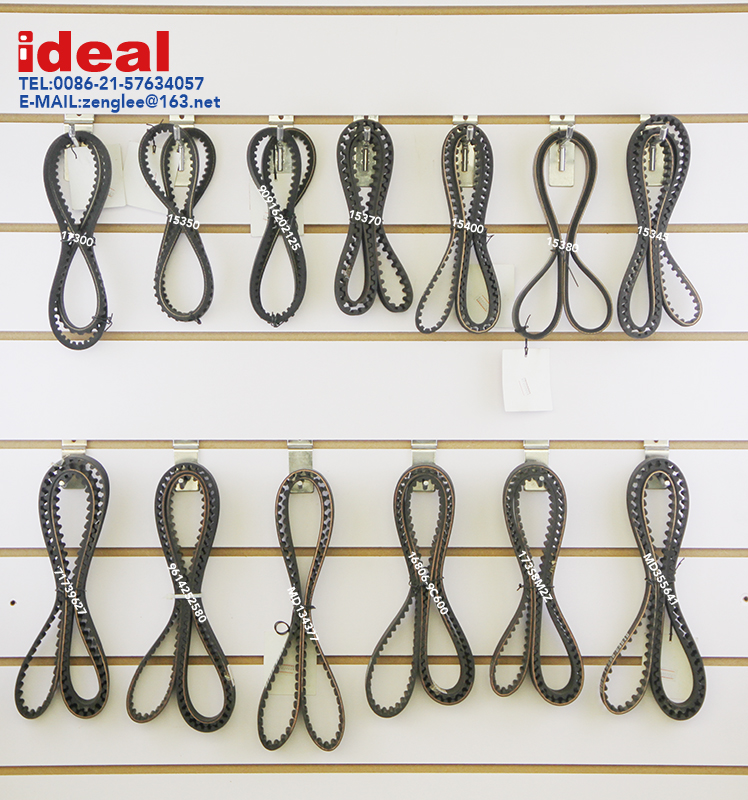
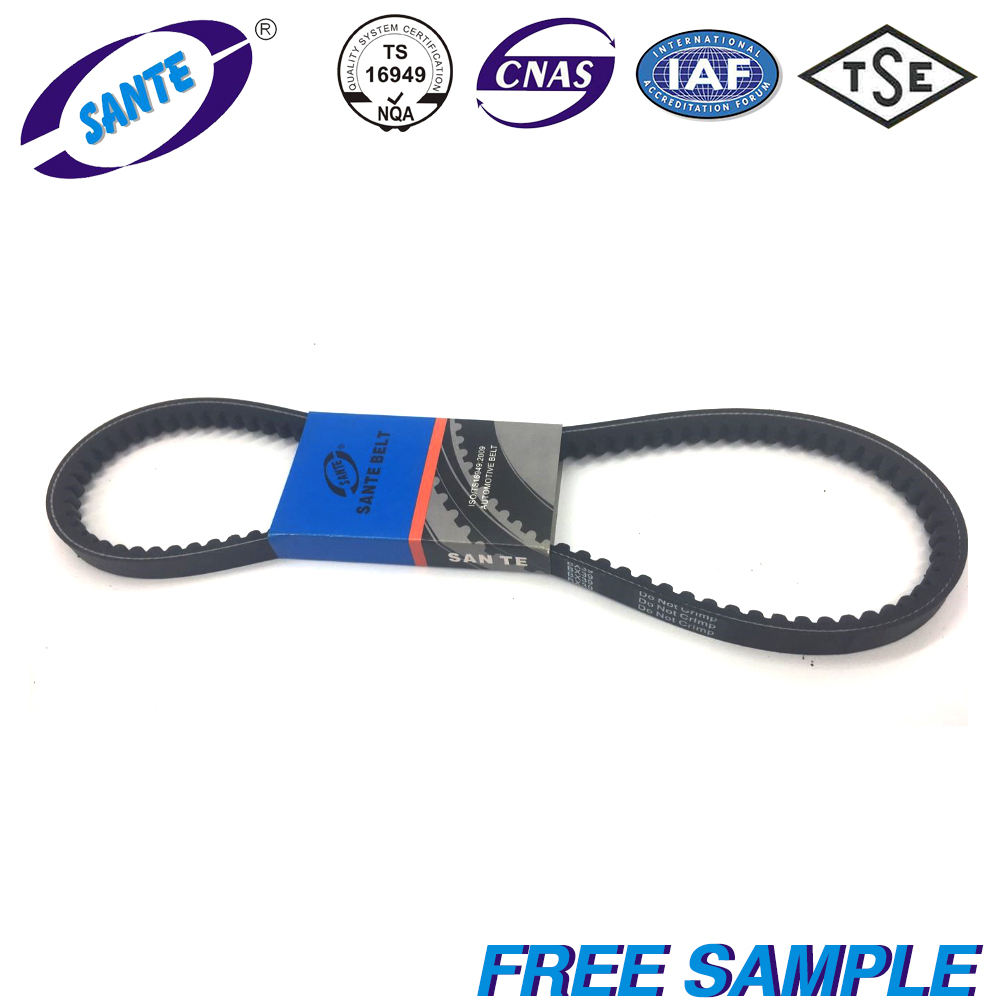
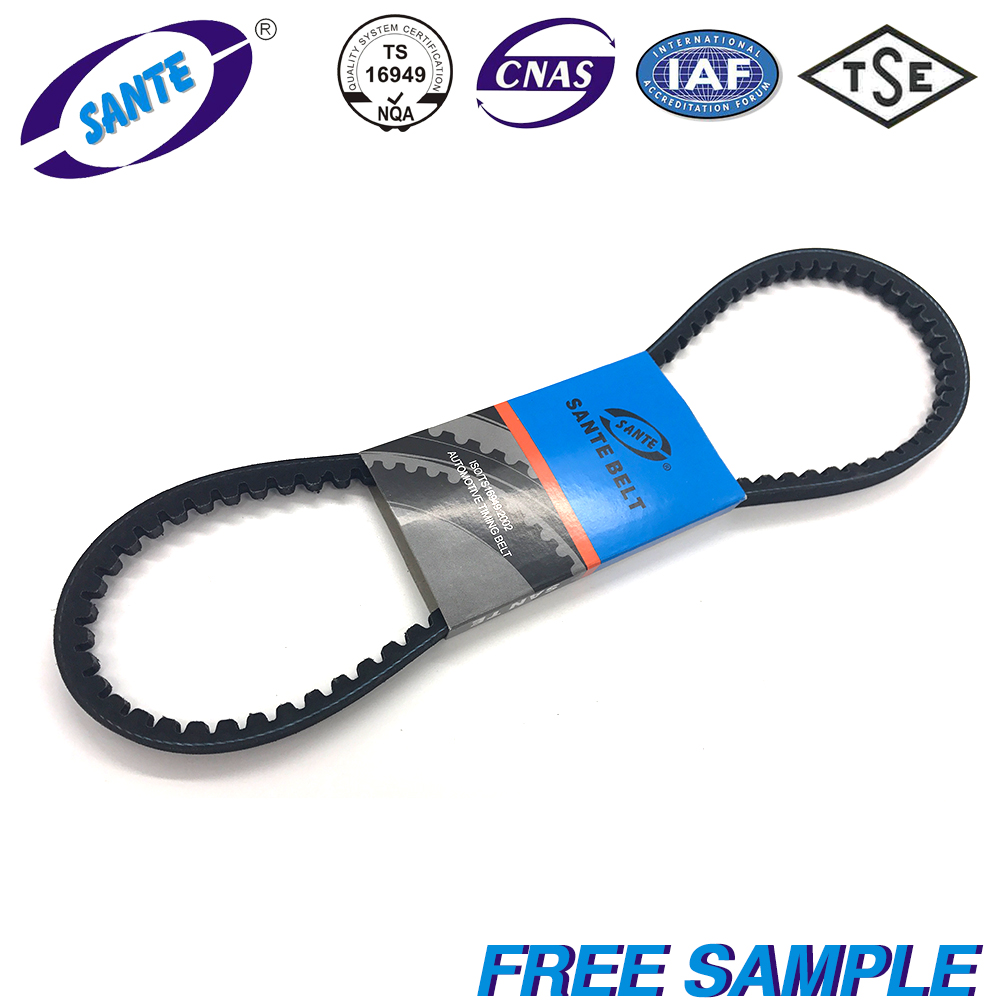
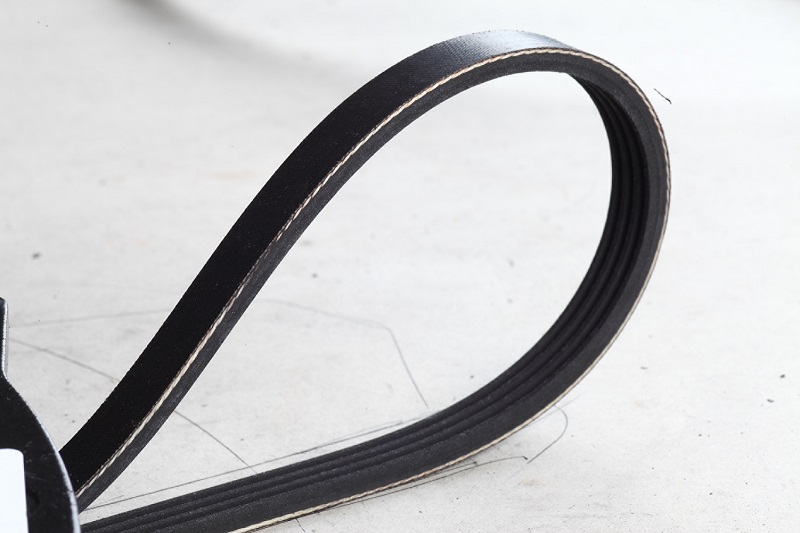
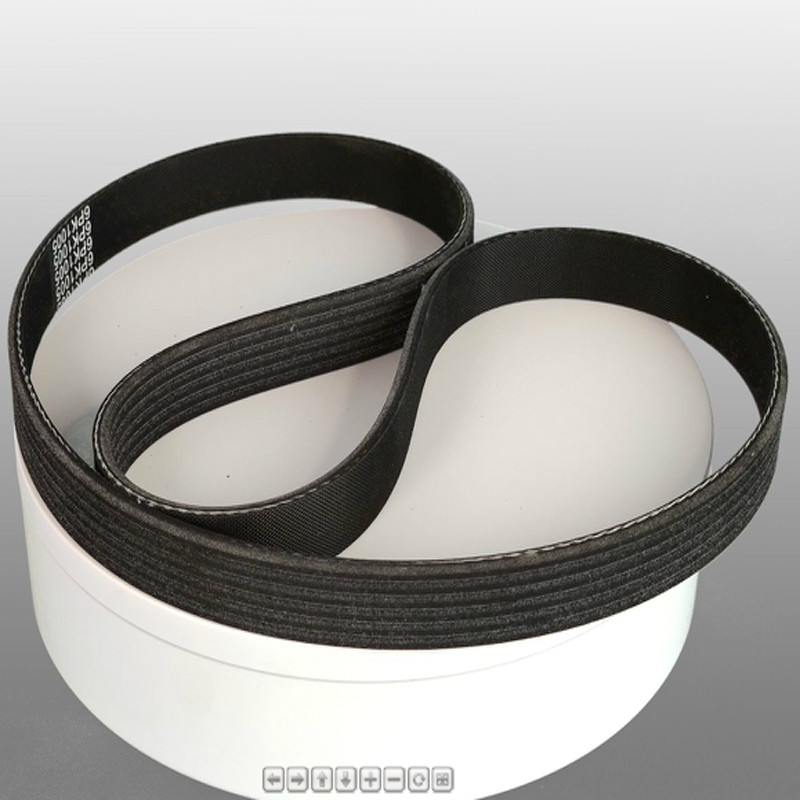
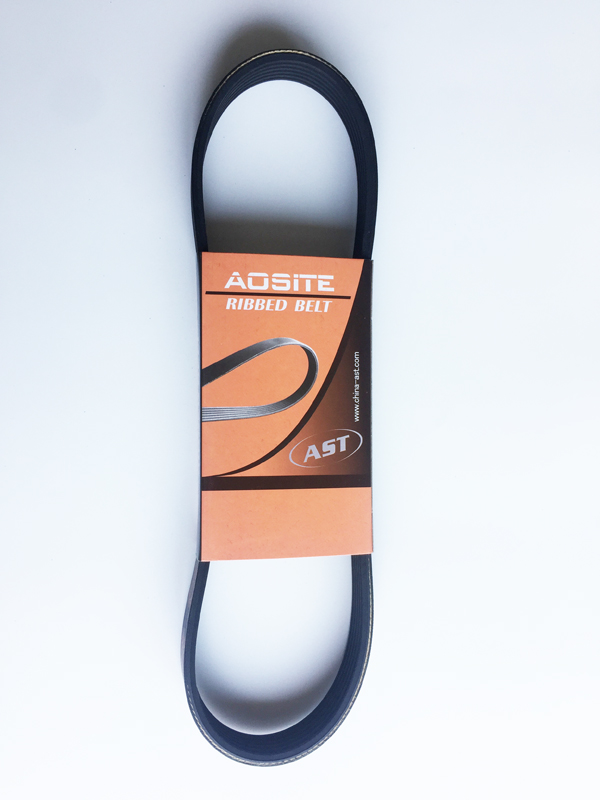
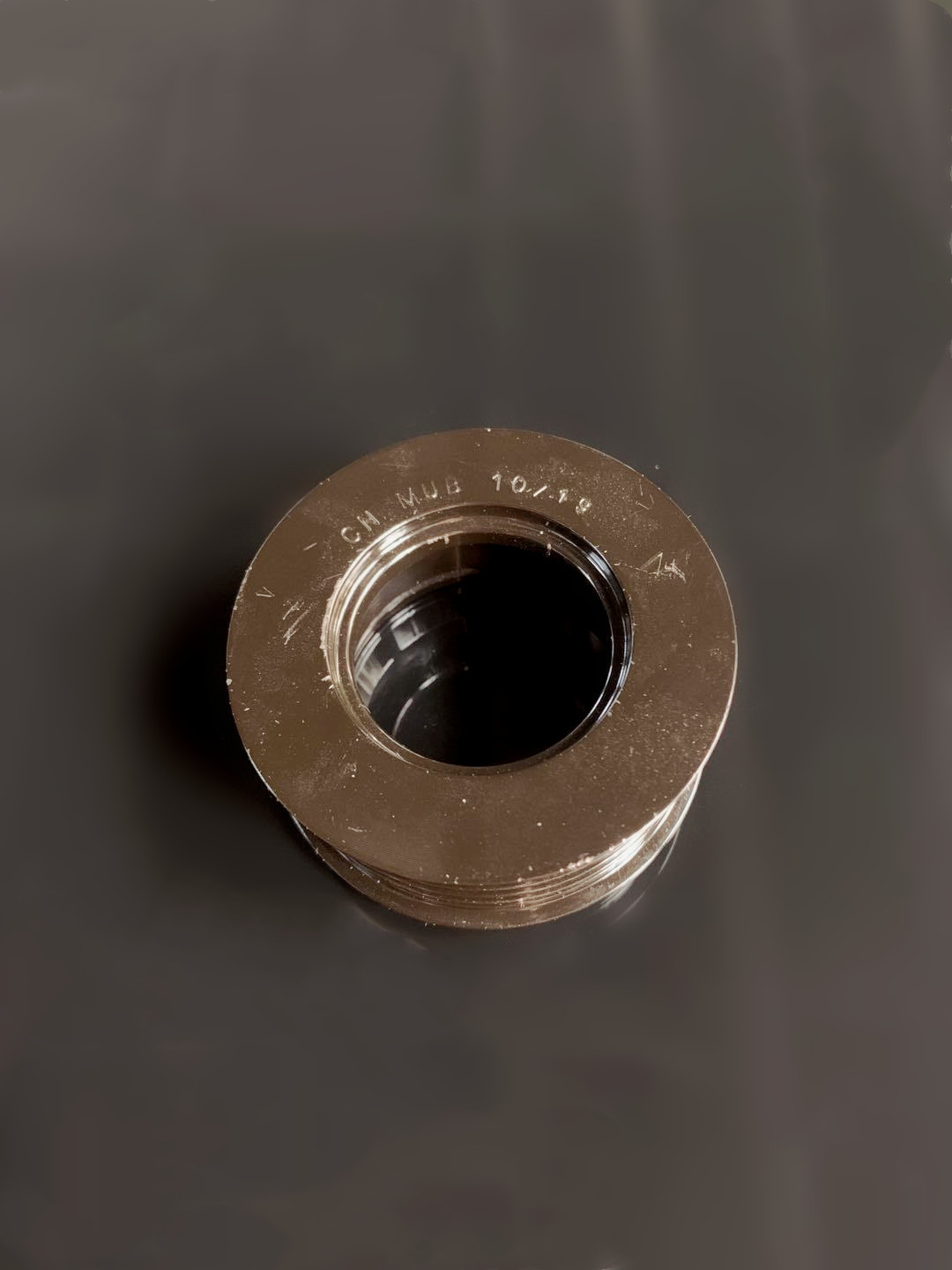
Source high-quality Tensioners & Belts from vetted manufacturers and suppliers in China and across Asia. Designed for automotive importers, wholesale distributors, and aftermarket brands seeking reliable OEM and private-label production. Secure bulk pricing on timing belts, V-belts, and precision tensioner assemblies.
Sourcing automotive tensioners and belts in bulk requires navigating a high-liability product category. A single point of failure in a timing system can lead to catastrophic engine damage, meaning your brand reputation relies entirely on the factory's material science and engineering tolerances. Success in this category depends on verifying raw material integrity, bearing durability, and precise tensioner calibration before mass production begins.
Critical Specifications & Material Selection
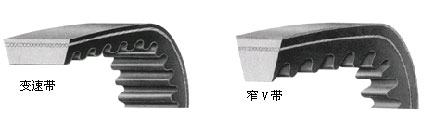
When negotiating with manufacturers, the bill of materials (BOM) is your primary lever for balancing cost and performance. For belts, the rubber compound and tensile cord material dictate lifespan and heat resistance. For tensioners, the housing material (cast aluminum vs. stamped steel) and the internal bearing quality are the main cost drivers.
| Belt Material | Heat Resistance | Durability | Typical Application |
|---|---|---|---|
| CR (Neoprene) | Up to 100 Celsius | Standard | Older aftermarket V-belts |
| EPDM | Up to 130 Celsius | High | Modern serpentine and drive belts |
| HNBR | Up to 150 Celsius | Maximum | High-stress timing belts |
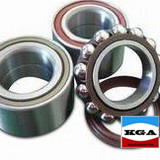
Specifying the correct bearing in your tensioner assemblies is equally critical. While many suppliers default to domestic Chinese bearings (like C&U) to lower costs, premium aftermarket brands often require factories to integrate imported bearings (such as NSK, SKF, or NTN) for critical timing tensioners.
Navigating complex BOMs and supplier negotiations can be risky. Let us help you secure the right specifications for your market.
Talk to our teamManufacturing Tolerances & Quality Control
Quality in tensioners and belts is won or lost in the details of the manufacturing process. For belts, uneven vulcanization or improper tensioning of the fiberglass or aramid (Kevlar) tensile cords during the winding process leads to premature snapping or stretching. For tensioners, the calibration of the internal torsion spring and the sealing of the hydraulic damping fluid must meet strict OEM-equivalent tolerances.
Because these are critical engine components, robust Quality Control & Inspection is non-negotiable.
Essential QC Checks for Tensioners & Belts
- Dynamic tension and damping force testing on mechanical and hydraulic tensioners
- Bearing radial and axial runout checks to prevent premature failure
- Optical scanning of belt pitch and tooth profiles for timing accuracy
- Destructive tensile strength and cord adhesion testing on batch samples
- Ozone and thermal aging tests for rubber compounds
Sourcing Strategy and OEM Customization
Most established factories in automotive hubs like Zhejiang and Jiangsu offer extensive catalogs of off-the-shelf SKUs covering major vehicle makes and models. However, if you are building an aftermarket brand, you will likely utilize OEM/ODM Services for private labeling.
Private labeling typically involves custom laser etching on tensioner housings, custom printing on belt backings, and branded packaging. If you are developing tensioners for heavy-duty or performance applications, you may need to invest in custom tooling for reinforced brackets or upgraded damping mechanisms. Before committing to tooling costs, conducting thorough Factory Audits is vital to ensure the supplier holds genuine IATF 16949 certification, the automotive industry standard for quality management.
Pricing Drivers, MOQs, and Lead Times
Pricing in this category fluctuates based on global rubber commodity prices, aluminum costs, and your chosen bearing grades. Because factories must run continuous vulcanization lines for belts and set up specific casting molds for tensioners, minimum order quantities are strictly enforced based on production efficiency.
Need to consolidate SKUs from multiple specialized factories? We handle the coordination and quality assurance.
Get a free consultationFrequently Asked Questions
Sourcing tensioners and belts requires a rigorous approach to supplier selection and technical verification. When a single defect can cause catastrophic engine failure, partnering with specialized factories that understand automotive-grade tolerances is the only viable path to long-term profitability. If you need experienced boots on the ground to vet suppliers, verify BOMs, and manage inspections, our team is ready to assist.
Get Sourcing Help for Tensioners & Belts
Tell us your requirements and our experts will connect you with verified manufacturers.