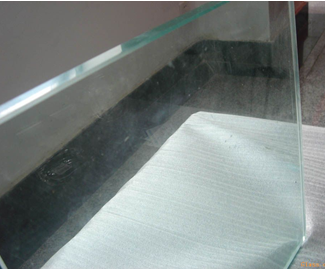
Tempered Glass
Source high-quality tempered glass from vetted suppliers and manufacturers across Asia. Designed for importers, wholesalers, distributors, and construction procurement managers buying in bulk, our network delivers reliable architectural and industrial glass solutions tailored to your exact specifications.
Sourcing tempered glass at scale requires balancing strict safety compliance with precise dimensional tolerances. Whether you are procuring architectural panels, shower enclosures, or industrial glass components, success depends on partnering with a factory that maintains rigorous control over its cutting, edging, and thermal treatment processes. Because tempered glass cannot be cut, drilled, or modified after the tempering process, upfront precision and clear communication of specifications are non-negotiable.
Defining Your Glass Specifications
The quality of the final tempered product depends heavily on the quality of the raw float glass and the precision of the pre-tempering fabrication. When negotiating with manufacturers, your technical specification sheet must leave no room for interpretation.
Critical Specifications for Tempered Glass Orders
- Glass Type & Tint: Specify clear, ultra-clear (low-iron), tinted, or reflective float glass substrates.
- Thickness: Standard architectural thicknesses range from 4mm to 19mm. Specify acceptable tolerances (e.g., ±0.2mm for 10mm glass).
- Edge Treatment: Define the required edge finish—seamed (for framed applications), flat polished (for exposed edges), or pencil polished.
- Holes & Cutouts: Provide exact CAD drawings for all hardware cutouts, ensuring hole diameters are greater than or equal to the glass thickness.
- Optical Distortion Limits: Specify acceptable limits for roller wave distortion and edge dip, common byproducts of the thermal tempering process.
Need help vetting tempered glass manufacturers and verifying their technical capabilities?
Talk to our teamManufacturing Quality and Compliance
The tempering process involves heating the glass to over 600 degrees Celsius and rapidly cooling it to induce compressive stress on the surface. This makes it four to five times stronger than standard annealed glass. However, poor temperature control can lead to severe optical distortion, inadequate fragmentation patterns upon breakage, or increased risk of spontaneous breakage.
To mitigate these risks, professional buyers rely on strict quality control protocols, including in-line inspections and pre-shipment fragmentation testing.
Spontaneous Breakage and Heat Soaking
Nickel Sulfide (NiS) inclusions are microscopic impurities in float glass that can expand over time, causing tempered glass to shatter spontaneously. For high-rise facades or overhead glazing, you should specify Heat Soak Testing (HST). This destructive test forces glass panels with severe NiS inclusions to break in the factory oven, significantly reducing the risk of failure in the field.
| Certification Standard | Region | Focus Area |
|---|---|---|
| SGCC (Safety Glazing Certification Council) | North America | Impact resistance and safe fragmentation patterns. |
| EN 12150 / EN 14179 | Europe | Thermal toughening standards and heat soak testing protocols. |
| AS/NZS 2208 | Australia / New Zealand | Safety glazing materials in buildings. |
Before committing to a high-volume order, conducting comprehensive factory audits is essential to verify that the supplier actually holds valid certifications for your target market and maintains properly calibrated tempering furnaces.
Pricing, MOQs, and Logistics
Tempered glass pricing is typically calculated per square meter, driven by thickness, raw material quality (low-iron glass carries a premium), and the complexity of edge work and cutouts. Heat soaking will add an additional 15 to 25 percent to the unit cost due to the time and energy required for the testing cycle.
Shipping heavy, fragile cargo requires specialized packing and loading expertise. Plywood crates or steel A-frames must be properly braced inside the container to prevent shifting during transit. Working with experienced shipping and freight partners ensures that your glass arrives intact and that customs clearance proceeds smoothly.
Optimize your glass supply chain and secure competitive volume pricing.
Get a free consultationFrequently Asked Questions
Sourcing tempered glass is an exercise in rigorous specification and risk management—from verifying furnace calibration on the factory floor to ensuring secure container loading. Partnering with experienced professionals ensures your shipments meet strict safety standards and arrive ready for installation.
Get Sourcing Help for Tempered Glass
Tell us your requirements and our experts will connect you with verified manufacturers.