Telephone Cords
Source high-quality telephone cords from vetted manufacturers and suppliers. Designed for importers, wholesalers, distributors, and brands seeking reliable OEM and private-label production in bulk. Secure competitive pricing and reliable supply chains for all telecom accessory needs.
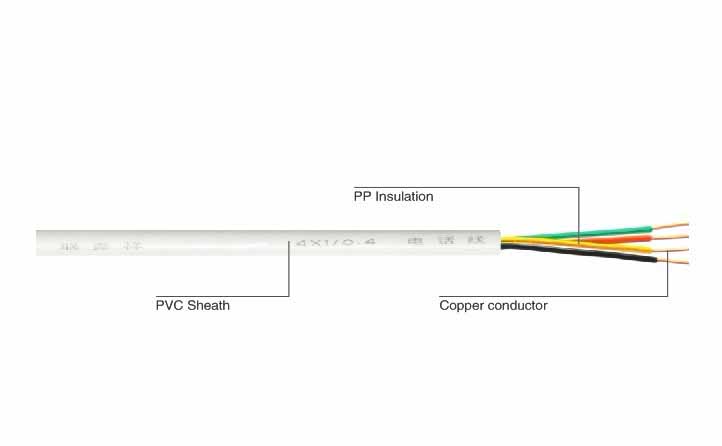
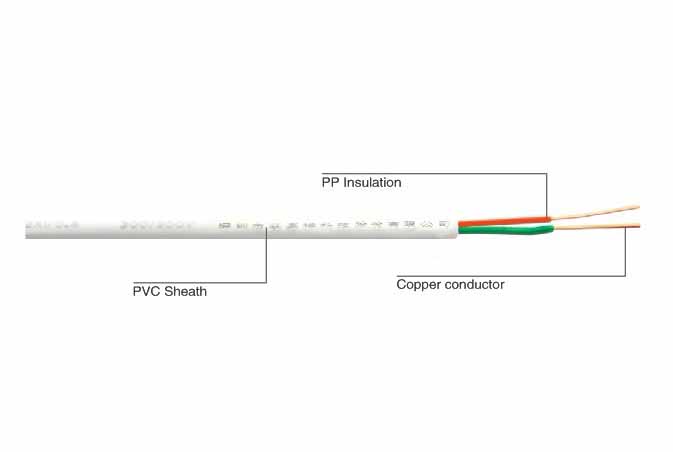
Sourcing telephone cords in bulk requires balancing unit cost with long-term durability and signal integrity. Whether you are procuring coiled handset cords, straight line cords, or specialized telecom cables, the primary challenge lies in verifying conductor quality, jacket resilience, and connector terminations before committing to a high-volume production run.
Core Specifications for Bulk Procurement
To avoid substandard products, buyers must define precise technical specifications for the factory. Telephone cords may look identical on the outside, but their internal construction dictates their lifespan and performance.
Conductor Material and Gauge
The conductor is the most critical cost and performance driver. Standard telecom cords typically use 26 AWG or 28 AWG wire. The material chosen directly impacts both flexibility and signal transmission.
| Conductor Material | Signal Quality | Durability | Cost Profile |
|---|---|---|---|
| Bare Copper (BC) | Excellent | High (Flexible) | Premium |
| Copper Clad Aluminum (CCA) | Fair | Low (Brittle over time) | Budget |
| Copper Clad Steel (CCS) | Good | High (Stiff) | Moderate |
Jacket Materials: PVC vs. PU
For straight line cords, Polyvinyl Chloride (PVC) is the industry standard due to its low cost and adequate flexibility. However, for handset coil cords, Polyurethane (PU) is vastly superior. PU retains its "memory" significantly better than PVC, meaning the cord will snap back to its coiled shape even after years of stretching. Specifying PU for coiled cords prevents the premature sagging common in cheaper alternatives.
Need help standardizing specifications across multiple telecom accessory suppliers?
Talk to our teamManufacturing Quality and Inspection
The manufacturing process for coiled cords involves winding the extruded cable around a mandrel and baking it to set the memory. Inconsistent heating leads to weak coils. Additionally, the termination process—where the RJ connectors (such as RJ9/RJ22 for handsets or RJ11 for line cords) are crimped onto the wire—is a common failure point if factory tooling is worn.
Protecting your order requires rigorous Quality Control & Inspection at the factory level.
Critical Inspection Points for Telephone Cords
- Crimp strength: Perform pull tests to ensure connectors do not detach under stress.
- Gold plating verification: Ensure contact pins meet the specified micron thickness (e.g., 3u to 50u) to prevent oxidation.
- Coil memory retention: Conduct stretch and recovery tests on PU/PVC coiled variants.
- Continuity and pinout: Verify wiring configurations match standard or custom telecom requirements.
Before placing large orders, particularly for custom colors or unique lengths, conducting Factory Audits ensures the supplier actually possesses the specialized extrusion and baking equipment required for high-quality cord production, rather than outsourcing to unverified sub-tier workshops.
Pricing, MOQs, and Lead Times
Telecom cords are high-volume, low-margin commodities. Pricing is heavily indexed to global copper markets and the specific polymers used for the jacket.
Customization—such as specific Pantone color matching, non-standard lengths, or proprietary pinouts for specialized hardware—will push MOQs higher. If you are developing proprietary hardware ecosystems, leveraging OEM/ODM Services can help you design and manufacture custom cabling that aligns perfectly with your brand's technical requirements.
Optimize your telecom accessory supply chain for better pricing and consistent quality.
Get a free consultationBuyer FAQ
Successful procurement in this category relies entirely on the clarity of your initial specifications. By strictly defining conductor materials, jacket polymers, and connector tolerances upfront, you can establish a reliable, high-volume supply of telephone cords that perform flawlessly in the field.
Get Sourcing Help for Telephone Cords
Tell us your requirements and our experts will connect you with verified manufacturers.