Tandem Bikes
Source high-quality tandem bikes directly from vetted manufacturers and wholesale suppliers. Designed for importers, distributors, and cycling brands seeking reliable OEM and private-label production, our network delivers scalable manufacturing with strict quality control.
Tandem bicycles present distinct manufacturing challenges compared to standard single-rider frames. The elongated wheelbase, dual drivetrains, and significantly higher combined rider payload demand superior torsional stiffness and precise alignment during frame construction. Sourcing tandem bikes at scale requires partnering with factories that possess the specialized tooling, eccentric bottom bracket expertise, and rigorous testing protocols necessary to ensure the frame can withstand the lateral forces generated by two riders pedaling out of phase.
Frame Geometry and Material Specifications
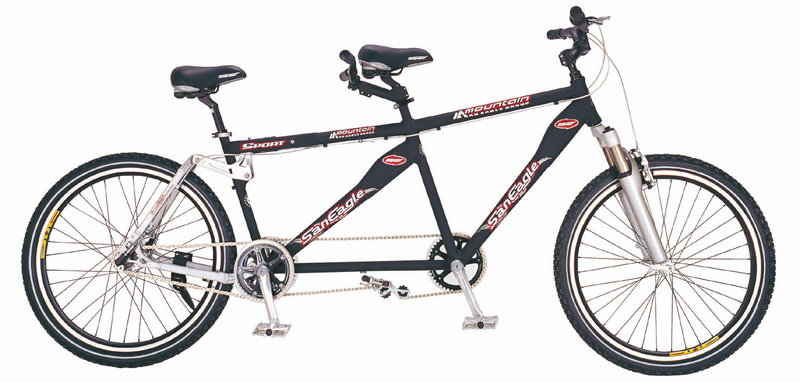
The core of any tandem bike is its frame. Because the distance between the captain (front rider) and stoker (rear rider) creates a long, unsupported span, material choice and tube profiling are critical to preventing "frame whip" or lateral flex.
| Material | Torsional Stiffness | Weight Profile | Typical Application |
|---|---|---|---|
| Hi-Ten Steel | Moderate | Heavy | Entry-level rental fleets |
| Chromoly (4130) | Excellent | Moderate | Touring & premium OEM |
| Aluminum (6061/7005) | High (with oversized tubes) | Lightweight | Recreational & sport wholesale |
When defining specifications for OEM/ODM Services, pay close attention to the lateral tube (boom tube) connecting the front and rear bottom brackets. Oversized or ovalized tubing here is essential for power transfer. Additionally, specify the method for timing chain tensioning. Eccentric bottom brackets in the front shell are the industry standard for premium models, while idler pulleys are often used to reduce costs on entry-level wholesale units.
Struggling to find factories with dedicated tandem frame jigs? We match you with suppliers proven to handle long-wheelbase manufacturing.
Talk to our teamDrivetrain Synchronization and Braking Power
A tandem's drivetrain is subjected to double the torque of a standard bicycle. Factories must source and properly install tandem-specific components. The timing chain (typically on the left side) synchronizes the captain and stoker cranksets. Cross-over drive systems require specialized left-hand drive crank arms and pedals.
Braking is another critical failure point. A tandem carrying two adults and gear can easily exceed 200kg. Standard rim brakes are insufficient for heat dissipation on long descents.
- Mechanical Disc Brakes: Minimum 203mm rotors are required for adequate stopping power on entry-to-mid-tier models.
- Hydraulic Disc Brakes: Strongly recommended for touring and performance models, requiring careful hydraulic line routing along the extended frame.
Quality Control and Factory Floor Realities
Tandem frames require specialized, elongated welding jigs. Factories that primarily produce single bikes often attempt to modify their existing jigs, leading to alignment issues between the front and rear triangles. Misalignment causes uneven tire wear, poor handling, and drivetrain friction.
Crucial Tandem QC Checks
- Bottom bracket concentricity: Ensure front and rear BB shells are perfectly parallel.
- Timing chain tension: Verify eccentric BB adjustment range is sufficient.
- Weld penetration: Inspect the high-stress junctions at the stoker's bottom bracket and head tube.
- Brake line routing: Check for kinks in extended hydraulic or mechanical housings.
Implementing rigorous Quality Control & Inspection is non-negotiable. Before committing to a supplier, utilize Factory Audits to verify they actually possess the specialized frame jigs and ISO 4210 testing equipment calibrated for tandem payloads.
Sourcing Mechanics: MOQs, Pricing, and Lead Times
Because tandem bikes are a lower-volume category compared to mountain or city bikes, the sourcing dynamics differ significantly.
Pricing is heavily driven by the drivetrain and braking components. Shimano and SRAM produce tandem-specific hubs and cranksets, but lead times for these components can stretch production schedules. Working with suppliers who have established supply chains for these niche components is vital to keeping your delivery on track.
Need to optimize your BOM or negotiate better MOQs? Let our sourcing experts streamline your tandem bike procurement.
Get a free consultationFrequently Asked Questions
Successfully sourcing tandem bikes requires balancing the structural integrity of an elongated frame with the realities of niche component procurement. By prioritizing factories with proven tandem experience and enforcing strict alignment tolerances, you can deliver a safe, high-performance product to your market.
Get Sourcing Help for Tandem Bikes
Tell us your requirements and our experts will connect you with verified manufacturers.